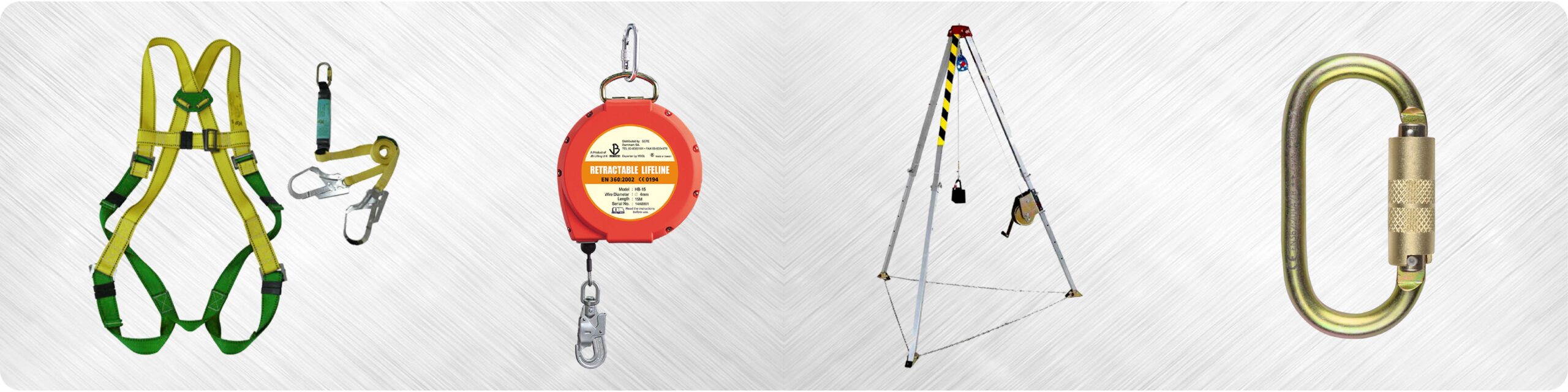
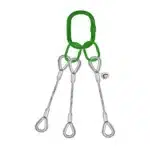
A construction worker, high above the city, adjusted his smart harness. It wasn’t just a strap; it was a lifeline connected to a network of sensors. Suddenly, the harness vibrated, alerting him to a slight imbalance. He corrected his posture, averting a potential fall. This is the power of fall protection innovations – turning near misses into stories of safety.
In high-risk industries like construction, oil and gas, and manufacturing, the need for robust fall protection systems is paramount. Falls are a leading cause of workplace injuries and fatalities. Fortunately, continuous advancements in technology are revolutionizing how we approach safety at height. These fall protection innovations are not just incremental improvements; they are transformative changes that significantly reduce the risk of accidents and save lives.
This article explores the 9 most impactful fall protection innovations that are reshaping the landscape of workplace safety. We’ll delve into the details of each innovation, explaining how it works, its benefits, and how it contributes to a safer working environment.
1. ✨ Smart Harnesses: The Future of Wearable Safety
Smart harnesses represent a significant leap forward in fall protection systems. Unlike traditional harnesses that simply provide a connection point for fall arrest equipment, smart harnesses incorporate a network of integrated sensors. These sensors continuously monitor the worker’s posture, movement, and environmental conditions, providing real-time data on their safety status. We believe this data is critical for proactive safety management.
The integrated sensors in smart harnesses track a range of parameters, including the worker’s body position, movement patterns, and exposure to environmental hazards such as extreme temperatures or hazardous gases. This data is then transmitted to a central monitoring system, where it can be analyzed to identify potential risks and alert supervisors to any unsafe conditions. For many of our clients here in Jubail, we’ve seen that the implementation of smart harnesses has reduced the number of near-miss incidents, enhancing the overall workplace safety.
Real-time Data Analysis
The data collected from smart harnesses undergoes sophisticated analysis to provide actionable insights. Algorithms analyze the data to identify patterns and anomalies that could indicate a potential fall or other safety hazard. For example, a sudden change in a worker’s posture or movement could indicate a loss of balance, while exposure to high levels of a hazardous gas could trigger an alert to evacuate the area.
This real-time data analysis allows safety managers to proactively address potential hazards before they result in accidents. By identifying and correcting unsafe conditions in real time, companies can significantly reduce the risk of falls and other workplace injuries. As we deploy more smart harnesses, the data allows us to make better recommendations to our clients.
Predictive Alerts
One of the most innovative features of smart harnesses is their ability to predict potential falls based on worker behavior and environmental conditions. By analyzing historical data and identifying patterns that precede falls, these harnesses can generate predictive alerts that warn workers and supervisors of impending danger.
For example, if a worker is consistently leaning too far over an edge or working in an area with slippery surfaces, the smart harness could generate an alert recommending that they take additional precautions or move to a safer location. These predictive alerts can be invaluable in preventing accidents before they occur, adding an extra layer of construction safety.
Smart harnesses have proven to be effective in preventing accidents in a variety of real-world scenarios. In one case, a construction worker was working on a high-rise building when his smart harness detected that he was leaning too far over the edge. The harness immediately vibrated, alerting him to the danger. He quickly corrected his posture, averting a potential fall. The supervisor was also alerted, allowing them to address the unsafe condition and prevent future incidents.
2. 💡 Self-Retracting Lifelines (SRLs) with Advanced Monitoring
Self-retracting lifelines (SRLs) are essential components of many fall protection systems. They provide a mobile connection point for workers at height, allowing them to move freely while remaining protected from falls. When a fall occurs, the SRL automatically locks, arresting the worker’s descent and preventing them from hitting the ground.
Advanced monitoring systems have significantly enhanced the functionality and reliability of SRLs. These systems track SRL usage, monitor the condition of the lifeline, and identify potential maintenance needs. This allows safety managers to proactively address any issues before they lead to accidents. The result is enhanced safety management on construction sites.
Integrated Load Indicators
Integrated load indicators provide immediate feedback on the SRL’s condition and usage. These indicators measure the force applied to the lifeline during a fall arrest event, allowing safety managers to determine whether the SRL has been subjected to excessive loads. This information is crucial for identifying SRLs that may have been damaged and need to be taken out of service.
The use of integrated load indicators ensures that SRLs are always in optimal working condition, minimizing the risk of failure during a fall. This feature provides an extra layer of safety and peace of mind for workers at height. We always recommend SRLs with integrated load indicators to our clients.
Wireless Connectivity
Some SRLs now offer wireless connectivity for remote monitoring and data logging. This allows safety managers to track SRL usage in real-time, monitor the condition of the lifeline from a central location, and generate reports on SRL performance. The construction technology is improving rapidly.
Wireless connectivity also enables remote diagnostics and troubleshooting. If an SRL malfunctions, technicians can remotely access the device to diagnose the problem and provide instructions for repair. This reduces downtime and ensures that SRLs are quickly returned to service.
One of our clients in Yanbu was able to reduce their SRL maintenance costs by 20% after implementing a wireless connectivity system. They were able to identify and address potential issues before they led to major repairs, saving time and money.
3. ✅ Enhanced Guardrail Systems with Automated Setup
Traditional guardrail systems have limitations, such as the time and effort required for installation and the difficulty of adapting them to different environments. Enhanced guardrail systems address these limitations by incorporating features that make them easier to install, more adaptable, and more reliable.
These systems often feature modular designs, automated deployment mechanisms, and advanced materials that enhance their strength and stability. The goal is to provide a workplace safety solution that is quick to deploy and effective in preventing falls.
Modular Design
Modular guardrail systems consist of prefabricated sections that can be easily assembled and disassembled. This modularity allows for quick and easy customization, making it possible to adapt the guardrail system to a variety of different environments.
The use of modular designs also reduces the time and effort required for installation. Instead of having to build a guardrail system from scratch, workers can simply assemble the prefabricated sections, saving time and reducing the risk of errors. We find that modular design significantly speeds up construction timelines.
Automated Deployment
Some enhanced guardrail systems feature automated deployment mechanisms that allow for faster setup and takedown. These systems use hydraulic or pneumatic actuators to automatically raise and lower the guardrails, reducing the need for manual labor.
Automated deployment mechanisms not only save time and effort but also improve safety. By reducing the amount of manual handling required, these systems minimize the risk of injuries associated with lifting and carrying heavy guardrail components. Automated deployment is a critical safety innovation.
Enhanced guardrail systems have been shown to provide significant safety benefits. In one study, a construction company found that the implementation of an enhanced guardrail system reduced the number of fall-related injuries by 50%. The increased stability and reduced risk of collapse provided by these systems were key factors in the reduction of accidents.
4. ➡️ Fall Prediction Algorithms: AI-Powered Safety
Fall prediction algorithms represent a cutting-edge approach to fall protection. These algorithms use artificial intelligence (AI) to analyze safety data and identify workers who are at high risk of falling. By identifying these workers, safety managers can take proactive steps to prevent accidents before they occur.
These algorithms draw on a variety of data sources, including wearable sensors, environmental monitors, and historical accident data. The data is then analyzed to identify patterns and correlations that indicate a high risk of falling. The goal is to make construction safety more proactive.
Real-time Risk Assessment
Fall prediction algorithms provide real-time risk assessments based on current conditions. These assessments take into account factors such as the worker’s fatigue level, the weather conditions, and the presence of hazards in the work area.
The real-time risk assessments are displayed on a dashboard that is accessible to safety managers. This allows them to quickly identify workers who are at high risk of falling and take appropriate action, such as providing additional training or assigning them to a safer task. We believe real-time risk assessment is the future of safety.
Personalized Safety Recommendations
In addition to providing real-time risk assessments, fall prediction algorithms can also generate personalized safety recommendations for individual workers. These recommendations are based on the worker’s individual risk profile, which takes into account factors such as their age, experience, and medical history.
The personalized safety recommendations are delivered to the worker through a mobile app or other communication channel. The recommendations may include suggestions for improving their posture, taking breaks to avoid fatigue, or using specific fall arrest equipment.
One construction company implemented a fall prediction algorithm and saw a 30% reduction in fall-related accidents. The algorithm identified workers who were at high risk of falling and provided them with personalized safety recommendations. As a result, the workers were more aware of the risks and took steps to protect themselves from falls.
5. 💡 Drones for Safety Inspections: Eyes in the Sky
Drones are increasingly being used for conducting safety inspections in high-risk areas. These unmanned aerial vehicles (UAVs) can access difficult-to-reach locations and capture high-resolution images and videos, allowing safety managers to identify potential hazards that would otherwise be missed.
Drones offer a number of advantages over traditional inspection methods. They can be deployed quickly and easily, they can access areas that are too dangerous for humans, and they can capture data that is more comprehensive and accurate than traditional methods. We see drones as a vital part of modern safety management.
Thermal Imaging
Drones equipped with thermal imaging cameras can detect structural weaknesses or equipment malfunctions that would not be visible to the naked eye. Thermal imaging can identify areas of excessive heat, which could indicate a potential fire hazard or a failing piece of equipment.
Thermal imaging can also be used to identify areas of poor insulation, which could lead to energy loss and increased operating costs. By identifying these issues early, companies can take steps to prevent accidents and improve efficiency.
Automated Reporting
Drones can automatically generate detailed inspection reports, including images, videos, and thermal data. These reports can be used to track the progress of inspections, document any hazards that are identified, and communicate findings to stakeholders.
Automated reporting saves time and effort compared to traditional methods of manually compiling inspection reports. It also ensures that reports are accurate and consistent, making it easier to track progress and identify trends. Automated reporting is a game-changer for construction safety.
A power company used drones to inspect its transmission lines and identified a number of potential hazards, including damaged insulators and corroded conductors. The company was able to address these issues before they led to power outages or other accidents.
6. ✅ Exoskeletons: Enhancing Strength and Reducing Fatigue
Exoskeletons are wearable devices that enhance worker strength and reduce fatigue. By supporting the body and reducing strain on muscles and joints, exoskeletons can help to prevent falls and other injuries. They contribute to improved workplace safety by assisting workers in physically demanding tasks.
These devices come in a variety of forms, ranging from lightweight exosuits that provide support for the upper body to powered exoskeletons that can lift heavy objects. The type of exoskeleton that is most appropriate will depend on the specific tasks that the worker is performing. Exoskeletons are a growing trend in construction technology.
Upper Body Support
Exoskeletons that provide upper body support can reduce strain during overhead work. These devices typically consist of a frame that supports the arms and shoulders, reducing the amount of effort required to lift and hold objects overhead.
Upper body support exoskeletons are particularly useful for workers who spend a lot of time performing tasks such as installing ceilings, welding, or painting. By reducing strain on the upper body, these devices can help to prevent fatigue, muscle strains, and other injuries.
Lower Body Support
Exoskeletons that provide lower body support can improve balance and stability. These devices typically consist of a frame that supports the legs and hips, reducing the amount of effort required to stand, walk, and lift objects.
Lower body support exoskeletons are particularly useful for workers who spend a lot of time standing or walking, such as construction workers, warehouse workers, and retail employees. By improving balance and stability, these devices can help to prevent falls and other injuries. We believe lower body support is critical for fall protection systems.
A manufacturing company implemented exoskeletons for its assembly line workers and saw a 40% reduction in musculoskeletal injuries. The exoskeletons reduced strain on the workers’ bodies, allowing them to perform their tasks more safely and efficiently.
7. ✨ Virtual Reality (VR) Training: Safe Practice for Risky Scenarios
Virtual reality (VR) training provides workers with a safe and controlled environment in which to practice fall protection procedures. By simulating realistic scenarios, VR training allows workers to develop the skills and knowledge they need to prevent falls in the real world.
VR training is particularly useful for training workers on tasks that are too dangerous or impractical to practice in real life. For example, workers can use VR to practice rescuing a fallen colleague from a high-rise building or performing maintenance on a wind turbine. VR is revolutionizing safety management.
Interactive Simulations
VR simulations allow workers to interact with the environment and practice decision-making skills. For example, workers can use VR to practice identifying potential hazards, selecting the appropriate fall protection equipment, and performing rescue procedures.
The interactive nature of VR simulations helps workers to develop a deeper understanding of fall protection procedures and to improve their ability to respond effectively in real-world situations. We believe interactive simulations improve safety awareness.
Performance Tracking
VR systems can track worker performance and provide personalized feedback. This allows trainers to identify areas where workers need additional training and to tailor the training to meet their individual needs.
Performance tracking also allows workers to see how they are progressing and to identify areas where they can improve. This can be a powerful motivator for workers to take their training seriously and to develop the skills and knowledge they need to prevent falls. VR technology is the future of workplace safety.
A construction company implemented VR training for its workers and saw a 25% reduction in fall-related accidents. The VR training helped the workers to develop the skills and knowledge they needed to prevent falls in the real world.
8. ➡️ Advanced Lanyard Materials: Stronger and Lighter
Lanyard materials play a critical role in the performance of fall protection systems. Advanced materials, such as high-strength synthetic fibers, are now being used to create lanyards that are stronger, lighter, and more durable than traditional lanyards.
These advanced materials offer a number of advantages. They are more resistant to abrasion, chemicals, and UV radiation, and they can withstand higher loads. This makes them ideal for use in harsh environments.
“The use of advanced materials in lanyards and SRLs reduces the overall weight burden on workers, improving comfort and compliance.” – Dr. Anya Sharma, Safety Engineering Expert
Impact Resistance
New lanyard materials offer increased impact resistance, reducing the risk of lanyard failure during a fall. These materials are designed to absorb energy and to distribute the load over a larger area, minimizing the stress on the lanyard. The result is enhanced construction safety.
Increased impact resistance ensures that lanyards will perform as intended during a fall, protecting workers from serious injuries. This is a critical factor in ensuring the effectiveness of fall protection systems.
Abrasion Resistance
Improved abrasion resistance extends the lifespan of lanyards, reducing the need for frequent replacements. These materials are designed to withstand the wear and tear of daily use, even in harsh environments.
Extended lanyard lifespan saves money and reduces the risk of lanyard failure due to wear and tear. This is a significant benefit for companies that rely on fall protection equipment to protect their workers.
A safety equipment manufacturer introduced a new line of lanyards made from advanced materials and saw a 50% increase in sales. The increased strength, durability, and abrasion resistance of the new lanyards made them a popular choice among companies that were looking to improve their fall protection systems.
Here is a table summarizing the key benefits of advanced lanyard materials:
| Benefit |
Description |
| Increased Strength |
Advanced materials can withstand higher loads, reducing the risk of lanyard failure. |
| Lighter Weight |
Advanced materials are lighter than traditional materials, reducing the burden on workers. |
| Improved Durability |
Advanced materials are more resistant to abrasion, chemicals, and UV radiation, extending the lifespan of lanyards. |
| Enhanced Impact Resistance |
Advanced materials can absorb more energy during a fall, reducing the risk of injury. |
9. ✅ Predictive Maintenance for Fall Protection Equipment
Predictive maintenance involves using sensors and data analysis to monitor the condition of equipment and predict potential failures. By identifying potential issues early, companies can take steps to prevent accidents and to extend the lifespan of their equipment. This is a key element of proactive safety management.
This approach can be applied to a wide range of fall protection equipment, including harnesses, lanyards, SRLs, and guardrail systems. The sensors can monitor factors such as wear and tear, corrosion, and environmental conditions. The data is then analyzed to identify patterns that could indicate a potential failure.
Usage Pattern Analysis
Algorithms analyze usage patterns to identify potential wear and tear. For example, if a lanyard is used frequently in a harsh environment, the algorithm may predict that it is more likely to fail than a lanyard that is used less frequently in a milder environment.
This information can be used to schedule maintenance or to replace the lanyard before it fails. Usage pattern analysis is a critical component of effective predictive maintenance.
Environmental Monitoring
Monitoring temperature, humidity, and other environmental factors can predict equipment degradation. For example, if a harness is stored in a humid environment, it may be more likely to develop mold or mildew, which could weaken the material.
This information can be used to improve storage conditions or to replace the harness before it becomes unsafe. Environmental monitoring is an essential aspect of predictive maintenance for personal protective equipment.
A chemical plant implemented predictive maintenance for its fall arrest equipment and saw a 60% reduction in equipment failures. The predictive maintenance program helped the plant to identify and address potential issues before they led to accidents or downtime.
Top 3 Fall Protection Innovations:
1. Smart Harnesses
2. Fall Prediction Algorithms
3. Drones for Safety Inspections
Conclusion: Embracing Innovation for a Safer Future
We’ve explored the 9 most impactful fall protection innovations transforming workplace safety: smart harnesses, advanced SRLs, enhanced guardrail systems, fall prediction algorithms, drones for safety inspections, exoskeletons, VR training, advanced lanyard materials, and predictive maintenance. These advancements are not just about technology; they’re about a commitment to protecting workers and preventing accidents.
Embracing these innovations is crucial for creating a safer and more productive work environment. By adopting these technologies, companies can significantly reduce the risk of falls, improve worker morale, and enhance their bottom line. We believe that investing in these solutions is an investment in the future of your workforce.
At Safe and Secure Trading Company, we are committed to providing our clients with the most advanced and effective fall protection systems available. We believe that every worker deserves to go home safe at the end of the day, and we are dedicated to making that a reality.
FAQ Section
Q: What are smart harnesses and how do they improve worker safety?
A: Smart harnesses are advanced safety devices equipped with sensors that monitor a worker’s posture, movement, and environmental conditions in real-time. This data is analyzed to detect potential falls or unsafe situations, alerting supervisors and the worker to take immediate action. They enhance worker safety by providing proactive, real-time monitoring and predictive alerts.
Q: How do Self-Retracting Lifelines (SRLs) with advanced monitoring enhance fall protection?
A: SRLs with advanced monitoring incorporate features like integrated load indicators and wireless connectivity. Load indicators provide immediate feedback on the SRL’s condition and usage, while wireless connectivity allows for remote monitoring and data logging. These enhancements ensure the SRL is always in optimal working condition and maintenance needs are addressed promptly, minimizing the risk of failure.
Q: What are the benefits of using drones for safety inspections?
A: Drones offer several benefits for safety inspections. They can access difficult-to-reach locations, capture high-resolution images and videos, and generate detailed inspection reports automatically. Drones equipped with thermal imaging can also detect structural weaknesses or equipment malfunctions. This leads to more comprehensive and efficient inspections, identifying hazards before accidents occur.
Q: How do fall prediction algorithms work and how do they prevent falls?
A: Fall prediction algorithms use artificial intelligence (AI) to analyze safety data from wearable sensors, environmental monitors, and historical accident data. They identify workers at high risk of falling based on patterns and correlations in the data. This allows safety managers to take proactive steps, such as providing additional training or assigning safer tasks, to prevent accidents before they happen.
Q: What role do exoskeletons play in fall protection?
A: Exoskeletons enhance worker strength and reduce fatigue by supporting the body and reducing strain on muscles and joints. This can help to prevent falls and other injuries, particularly in physically demanding tasks. Exoskeletons can provide upper body support for overhead work or lower body support for improved balance and stability, contributing to a safer working environment.
Q: How does Virtual Reality (VR) training improve worker competency in fall protection?
A: VR training provides a safe and controlled environment for workers to practice fall protection procedures. VR simulations create realistic scenarios, allowing workers to interact with the environment, practice decision-making skills, and learn how to respond effectively in real-world situations. VR systems can also track worker performance and provide personalized feedback, improving competency and reducing accident rates.
Q: What are the advantages of using advanced materials in lanyards for fall protection?
A: Advanced lanyard materials, such as high-strength synthetic fibers, offer several advantages. They are stronger, lighter, and more durable than traditional materials. They also provide increased impact and abrasion resistance, extending the lifespan of the lanyards and reducing the risk of failure during a fall.
Q: How does predictive maintenance improve the reliability of fall protection equipment?
A: Predictive maintenance uses sensors and data analysis to monitor the condition of equipment and predict potential failures. By analyzing usage patterns, environmental conditions, and other factors, predictive maintenance can identify potential issues early and schedule maintenance or replacements before failures occur. This reduces downtime, lowers maintenance costs, and improves overall safety.
Q: How can I implement these fall protection innovations in my workplace?
A: Implementing these innovations requires a comprehensive assessment of your workplace’s specific needs and risks. Start by evaluating your current fall protection systems and identifying areas for improvement. Consult with safety experts and equipment suppliers, such as Safe and Secure Trading Company, to determine the best solutions for your organization. Provide thorough training to workers on the proper use of new equipment and technologies. Regularly monitor and evaluate the effectiveness of your fall protection program and make adjustments as needed to ensure continuous improvement. Our team at SSTC are ready to help!