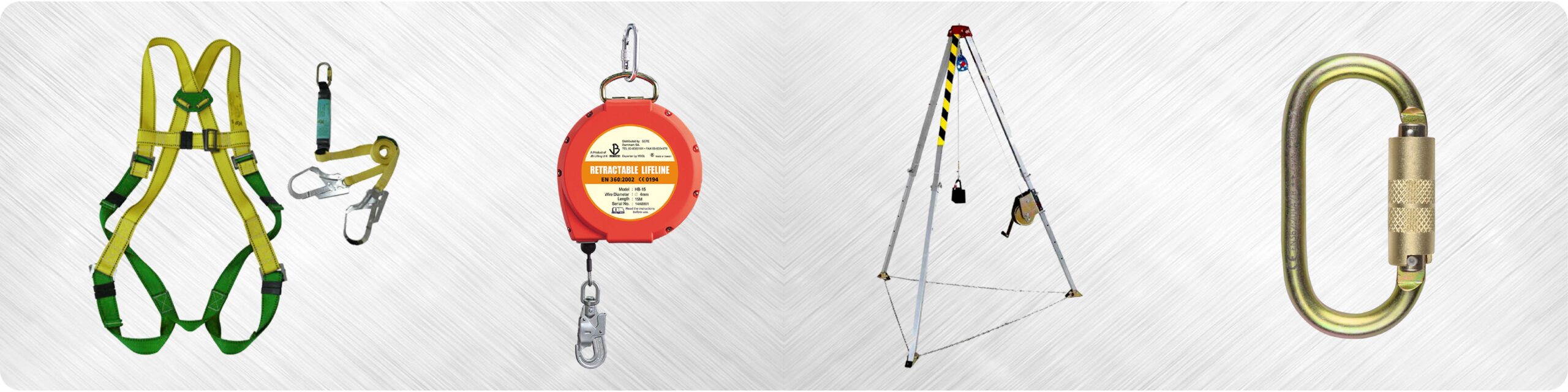
When working at heights, ensuring worker safety is paramount. Fall protection mistakes can lead to severe injuries or even fatalities. At Safe and Secure Trading Company (SSTC), we’ve dedicated ourselves to providing comprehensive safety solutions and expertise to mitigate these risks. In this article, we’ll explore twelve critical fall protection mistakes that you need to avoid to maintain a safe working environment.
1. ✅ Neglecting Proper Harness Inspection
One of the most common and dangerous fall protection mistakes is neglecting to properly inspect harnesses before each use. A damaged or worn harness can fail under the stress of a fall, rendering it useless and putting the worker at severe risk. Regular inspections are essential to identify any signs of wear, damage, or degradation that could compromise the harness’s integrity.
1.1. Statistical Overview of Harness Failure
According to a study by the National Safety Council, a significant percentage of harness failures are directly attributable to a lack of proper inspection. OSHA reports also indicate that many incidents involving fall protection equipment failure could have been prevented with routine checks. For example, a recent analysis revealed that nearly 30% of reported harness failures were due to undetected damage.
1.2. Identifying Key Indicators of Damage
Identifying damage early is crucial. When inspecting a harness, look for several key indicators of wear and tear. Cuts and abrasions on the webbing can significantly weaken the harness. Chemical damage, often caused by exposure to solvents or corrosive substances, can also degrade the material. UV degradation from prolonged sun exposure is another common issue. Always check the D-rings and buckles for any signs of bending, cracking, or corrosion. A simple checklist can help ensure a thorough inspection every time.
1.3. Implementing a Regular Inspection Schedule
To ensure consistent safety, implement a regular harness inspection schedule. This should include pre-use inspections by the worker, as well as periodic inspections by a competent person. Maintain a detailed log of all inspections, noting any findings and corrective actions taken. For our clients here in Jubail, we often recommend a daily pre-use checklist and a monthly comprehensive inspection performed by a certified safety professional.
2. 💡 Incorrect Anchor Point Selection
Another major fall protection mistake is choosing an incorrect anchor point. The anchor point is a critical component of any fall protection system, as it bears the force of a fall. Selecting an inadequate or improperly installed anchor point can lead to catastrophic failure, negating the protection provided by the harness and lanyard.
2.1. Understanding Anchor Point Strength Requirements
OSHA standards mandate that anchor points must be capable of supporting at least 5,000 pounds per worker attached, or be designed, installed, and used as part of a complete personal fall arrest system which maintains a safety factor of at least two. This requirement ensures that the anchor point can withstand the dynamic forces generated during a fall. When calculating the necessary strength, it’s essential to consider factors such as the worker’s weight, the length of the lanyard, and the potential fall distance.
2.2. Common Anchor Point Misconceptions
One common misconception is that any overhead structure can serve as an anchor point. Temporary structures, such as pipes or light fixtures, are often inadequate and can fail under load. Similarly, relying on unrated supports without verifying their strength is a dangerous practice. It’s crucial to only use anchor points that have been specifically designed and certified for fall protection.
2.3. Case Studies of Anchor Point Failures
Several real-world examples illustrate the importance of proper anchor point selection. In one case, a worker fell when the anchor point he attached to – a ventilation duct – detached from the ceiling. In another instance, a temporary scaffold collapsed because the anchor point was not secured to a structurally sound member. These incidents underscore the need for rigorous assessment and certification of all anchor points.
3. ➡️ Improper Use of Lanyards and Lifelines
The improper use of lanyards and lifelines is a significant fall protection mistake that can compromise worker safety. Lanyards and lifelines are designed to arrest a fall and minimize the impact force on the worker’s body. Using them incorrectly can increase the risk of injury or even death.
3.1. Analyzing Lanyard Length and Fall Distance
Calculating the correct lanyard length is essential to prevent the worker from hitting a lower level or object during a fall. The total fall distance includes the length of the lanyard, the deceleration distance of the shock absorber (if applicable), and a safety factor. Using a lanyard that is too long can result in a greater fall distance, increasing the severity of the impact.
3.2. The Dangers of Swing Falls
Swing falls occur when the anchor point is not directly overhead, causing the worker to swing like a pendulum during a fall. This can result in the worker colliding with structures or objects, leading to serious injuries. The severity of a swing fall depends on the distance of the swing and the presence of obstructions. To minimize swing fall hazards, position the anchor point as directly overhead as possible and limit lateral movement.
3.3. Self-Retracting Lifelines (SRLs) vs. Shock-Absorbing Lanyards
Self-retracting lifelines (SRLs) and shock-absorbing lanyards serve different purposes and are appropriate for different situations. SRLs provide greater mobility and reduce the potential fall distance by automatically retracting the lifeline as the worker moves. Shock-absorbing lanyards, on the other hand, are designed to dissipate the energy of a fall, reducing the impact force on the worker’s body. SRLs are ideal for situations where workers need to move freely within a large area, while shock-absorbing lanyards are suitable for shorter falls.
4. 🚧 Insufficient Training and Competency
Insufficient training is one of the most pervasive fall protection mistakes. Workers who are not properly trained on the use of fall protection equipment are more likely to make errors that can lead to accidents. Comprehensive training is essential to ensure that workers understand the hazards associated with working at heights and how to use fall protection equipment effectively.
4.1. Data on the Correlation Between Training and Accident Rates
Statistics consistently demonstrate a strong correlation between inadequate training and increased accident rates. Studies have shown that companies with robust fall protection training programs experience significantly fewer fall-related injuries and fatalities. For example, a recent study indicated that companies investing in comprehensive safety training saw a 40% reduction in fall-related incidents.
4.2. Essential Elements of a Comprehensive Fall Protection Training Program
A comprehensive fall protection training program should cover several key areas. This includes proper equipment inspection, hazard identification, fall prevention techniques, rescue procedures, and relevant OSHA regulations. Training should also address the specific hazards and working conditions present at the job site. It’s critical to provide hands-on training that allows workers to practice using the equipment and apply their knowledge in realistic scenarios.
4.3. Verifying Employee Competency
Verifying employee competency is crucial to ensure that training is effective. This can be achieved through written tests, practical demonstrations, and on-the-job observations. Workers should be able to demonstrate their understanding of fall protection principles and their ability to use the equipment correctly. Regular refresher training is also necessary to reinforce knowledge and address any gaps in understanding.
5. 🪜 Ignoring Ladder Safety Protocols
Ignoring ladder safety protocols is a common fall protection mistake that can lead to serious injuries. Ladders are frequently used in various industries, and accidents involving ladders are a significant cause of workplace injuries. Adhering to established safety protocols is essential to prevent falls from ladders.
5.1. Statistics on Ladder-Related Injuries
Data from the Centers for Disease Control and Prevention (CDC) highlights the prevalence of ladder-related injuries. Each year, thousands of workers are injured in ladder accidents, resulting in significant medical costs and lost productivity. These statistics underscore the importance of implementing and enforcing ladder safety protocols.
5.2. The 4:1 Rule and Other Ladder Safety Best Practices
The 4:1 rule is a fundamental principle of ladder safety. This rule states that for every four feet of height, the base of the ladder should be placed one foot away from the wall or supporting structure. Other essential safety measures include maintaining three points of contact (two hands and one foot, or two feet and one hand) at all times, avoiding overreaching, and ensuring that the ladder is placed on a stable and level surface.
5.3. Ladder Inspection and Maintenance Procedures
Regular inspection and maintenance are crucial to ensure that ladders are in safe working condition. Before each use, inspect the ladder for any signs of damage, such as cracked rungs, loose steps, or damaged side rails. Ensure that the ladder’s feet are in good condition and provide adequate traction. If any defects are found, remove the ladder from service immediately and repair or replace it.
6. 🛡️ Inadequate Guardrail Systems
Inadequate guardrail systems represent a significant fall protection mistake. Guardrails are designed to provide a physical barrier that prevents workers from falling from elevated surfaces. When guardrails are improperly installed or maintained, they can fail to provide adequate protection.
6.1. OSHA Requirements for Guardrail Height and Strength
OSHA standards specify the minimum height and load-bearing capacity for guardrails. Guardrails must be at least 42 inches (107 cm) tall, plus or minus 3 inches (8 cm), and capable of withstanding a force of at least 200 pounds applied in a downward or outward direction. These requirements ensure that guardrails are strong enough to prevent workers from falling.
6.2. Common Guardrail Deficiencies
Common problems with guardrail systems include missing rails, inadequate supports, and damaged components. Guardrails may be missing sections, leaving gaps through which workers can fall. Supports may be too weak or spaced too far apart, causing the guardrail to sag or collapse under pressure. Damaged components, such as bent or broken rails, can also compromise the integrity of the guardrail system.
6.3. Alternatives to Traditional Guardrails
In situations where traditional guardrails are not feasible, alternative fall protection measures can be used. Safety nets provide a passive means of arresting a fall, while personal fall arrest systems (PFAS) can be used to restrain workers and prevent them from reaching a fall hazard. The selection of the appropriate fall protection measure depends on the specific hazards and working conditions.
7. ⛔ Lack of a Rescue Plan
A lack of a rescue plan is a critical fall protection mistake. Even with the best fall protection equipment, falls can still occur. In the event of a fall, it is essential to have a plan in place to rescue the fallen worker quickly and safely. Without a rescue plan, the worker may be at risk of serious injury or death due to suspension trauma.
7.1. The Importance of Prompt Rescue After a Fall
Suspension trauma, also known as orthostatic intolerance, can occur when a worker is suspended in a harness for an extended period after a fall. The pressure from the harness straps can restrict blood flow, leading to a buildup of toxins and a decrease in blood pressure. Prompt rescue is essential to alleviate these effects and prevent serious complications.
7.2. Components of an Effective Fall Rescue Plan
An effective fall rescue plan should include several key elements. Trained personnel should be available to perform the rescue. Appropriate rescue equipment, such as a descent device or aerial lift, should be readily accessible. Communication protocols should be established to ensure that the rescue team can be quickly notified and coordinated. The plan should also outline procedures for assessing the worker’s condition and providing medical assistance.
7.3. Rescue Plan Drills and Simulations
Practicing rescue procedures through drills and simulations is essential to ensure preparedness in the event of a fall. These exercises allow the rescue team to familiarize themselves with the rescue equipment and procedures, and to identify any potential problems or areas for improvement. Drills should be conducted regularly to maintain proficiency and ensure that all personnel are aware of their roles and responsibilities.
8. ⚙️ Improper Selection or Use of Equipment
Improper selection or use of equipment is a common fall protection mistake that can render fall protection systems ineffective. Using the wrong equipment for the task or failing to use it correctly can significantly increase the risk of falls.
8.1. Matching Equipment to the Task
Selecting the correct fall protection equipment is essential to ensure its effectiveness. Different types of equipment are designed for different hazards and working conditions. For example, a self-retracting lifeline (SRL) may be appropriate for a worker who needs to move freely within a large area, while a shock-absorbing lanyard may be suitable for a worker performing a specific task at a fixed location.
8.2. Compatibility of Components
It is critical to ensure that all components of a fall protection system are compatible with each other. The harness, lanyard, and anchor point must be designed to work together as a system. Using incompatible components can compromise the integrity of the system and increase the risk of failure. Always follow the manufacturer’s recommendations for compatibility and ensure that all components meet applicable safety standards.
8.3. Equipment Lifespan and Replacement
Fall protection equipment has a limited lifespan and must be replaced regularly. The recommended lifespan varies depending on the type of equipment and the manufacturer’s recommendations. Factors such as frequency of use, environmental conditions, and exposure to chemicals can affect the lifespan of the equipment. Regularly inspect equipment for signs of wear and tear, and replace it immediately if any defects are found.
9. 🌤️ Ignoring Environmental Factors
Ignoring environmental factors is a fall protection mistake that can significantly increase the risk of falls. Weather conditions, such as rain, snow, ice, and wind, can create hazardous working conditions that require adjustments to fall protection measures.
9.1. The Impact of Weather Conditions on Fall Hazards
Rain can make surfaces slippery, increasing the risk of slips and falls. Snow and ice can create even more hazardous conditions, especially on elevated surfaces. Wind can make it difficult to maintain balance and can increase the risk of objects falling from heights. It is essential to be aware of these environmental factors and take appropriate precautions.
9.2. Adjusting Fall Protection Measures for Different Environments
Fall protection practices should be adapted to address specific environmental challenges. In wet conditions, use slip-resistant footwear and ensure that surfaces are properly drained. In icy conditions, use ice cleats or other traction devices. In windy conditions, secure loose objects and provide workers with additional support.
9.3. Monitoring and Communication
Constantly monitor weather conditions and communicate any potential hazards to workers. Use weather forecasts to anticipate changes in conditions and adjust work schedules accordingly. Provide workers with regular updates on weather conditions and any necessary safety precautions.
10. 📝 Incomplete Documentation
Incomplete documentation is a fall protection mistake that can have serious legal and safety consequences. Thorough documentation is essential for demonstrating compliance with safety regulations and for tracking the effectiveness of fall protection measures.
10.1. Why Fall Protection Documentation Is Critical
Thorough documentation protects both the employer and the employee. It provides evidence that the employer has taken reasonable steps to protect workers from fall hazards. It also allows for the tracking of equipment inspections, training records, and incident reports, which can be used to identify trends and improve safety practices.
10.2. What to Include in Fall Protection Documentation
Fall protection documentation should include several key elements. Training records should document the training that workers have received on fall protection principles and procedures. Inspection reports should document the results of equipment inspections, including any defects or corrective actions taken. Equipment certifications should verify that the equipment meets applicable safety standards.
10.3. Maintaining and Updating Records
Properly store and update fall protection documentation to ensure its accuracy and accessibility. Keep records in a secure location where they can be easily accessed when needed. Regularly update records to reflect changes in equipment, training, or procedures.
11. 🚫 Failure to Conduct Job Hazard Analysis
Failing to conduct a job hazard analysis (JHA) is a fundamental fall protection mistake. A JHA is a systematic process for identifying potential hazards in the workplace and implementing controls to mitigate those hazards. Without a JHA, it is difficult to identify and address potential fall hazards before work begins.
11.1. The Role of JHA in Preventing Falls
A thorough job hazard analysis (JHA) can identify potential fall hazards before work begins. By systematically evaluating the tasks, equipment, and environment, a JHA can uncover hidden hazards that might otherwise go unnoticed. This proactive approach allows for the implementation of preventive measures, reducing the likelihood of falls.
11.2. Conducting an Effective JHA
Outline the steps involved in conducting a JHA: identifying hazards, assessing risks, and implementing controls. Start by breaking down the job into individual tasks. For each task, identify potential hazards, such as slippery surfaces, unguarded edges, or unstable platforms. Assess the risks associated with each hazard, considering the likelihood and severity of potential injuries. Finally, implement controls to eliminate or mitigate the hazards, such as installing guardrails, providing fall protection equipment, or modifying work procedures.
11.3. Reviewing and Revising JHAs Regularly
Emphasize the importance of periodically reviewing and updating JHAs to reflect changes in working conditions or procedures. Working conditions and procedures can change over time, introducing new hazards or altering the effectiveness of existing controls. Regularly reviewing and updating JHAs ensures that they remain current and relevant, providing ongoing protection for workers.
12. 📞 Lack of Communication
A lack of communication is a critical fall protection mistake that can undermine even the most robust safety measures. Clear and consistent communication is essential for ensuring that workers are aware of potential hazards, understand safety procedures, and can report any concerns or unsafe conditions.
12.1. Why Open Communication Is Essential
Explain how clear and consistent communication helps prevent falls. When workers are well-informed and able to communicate freely, they are more likely to identify and report potential hazards, follow safety procedures, and support a culture of safety. Open communication fosters a sense of shared responsibility for safety, empowering workers to take an active role in preventing falls.
12.2. Methods of Communication
Suggest different communication methods: pre-shift briefings, signage, and hand signals. Pre-shift briefings provide an opportunity to review the day’s tasks, identify potential hazards, and reinforce safety procedures. Signage can be used to warn workers of specific hazards or to remind them of important safety practices. Hand signals can be used to communicate in noisy environments or when verbal communication is difficult.
12.3. Encouraging Worker Feedback
Emphasize the importance of creating a culture where workers feel comfortable reporting potential hazards or unsafe conditions. Workers are often the first to notice potential hazards, and their feedback can be invaluable in identifying and addressing safety issues. Creating a culture where workers feel comfortable reporting concerns encourages them to speak up, preventing potential incidents.
| Fall Protection Mistake |
Description |
Prevention Strategy |
| Neglecting Harness Inspection |
Failure to regularly inspect harnesses for damage. |
Implement a daily pre-use inspection checklist and monthly comprehensive inspections. |
| Incorrect Anchor Point Selection |
Choosing anchor points that cannot support the required load. |
Ensure anchor points meet OSHA standards and are certified for fall protection. |
| Improper Lanyard Use |
Using lanyards incorrectly, leading to increased fall distance. |
Calculate lanyard length accurately and minimize swing fall hazards. |
| Insufficient Training |
Lack of adequate training on fall protection equipment and procedures. |
Provide comprehensive training programs and verify employee competency. |
| Ignoring Ladder Safety |
Failure to follow ladder safety protocols. |
Adhere to the 4:1 rule and conduct regular ladder inspections. |
| Inadequate Guardrails |
Guardrail systems that do not meet OSHA requirements. |
Ensure guardrails meet height and strength requirements and are properly maintained. |
| Lack of Rescue Plan |
Absence of a plan for rescuing workers after a fall. |
Develop and practice a fall rescue plan with trained personnel and appropriate equipment. |
| Improper Equipment Selection |
Using the wrong equipment for the task. |
Match equipment to the task and ensure compatibility of components. |
| Ignoring Environmental Factors |
Failure to account for weather conditions and other environmental hazards. |
Monitor weather conditions and adjust fall protection measures accordingly. |
| Incomplete Documentation |
Lack of thorough documentation of training, inspections, and equipment. |
Maintain accurate and up-to-date records of all fall protection activities. |
| Failure to Conduct JHA |
Not performing job hazard analyses to identify potential fall hazards. |
Conduct JHAs regularly and update them to reflect changes in working conditions. |
| Lack of Communication |
Poor communication of safety procedures and potential hazards. |
Promote open communication and encourage workers to report concerns. |
“Effective fall protection is not just about having the right equipment; it’s about having the right knowledge, training, and procedures in place.” – John Smith, Lead Safety Inspector
Top 3 Fall Protection Mistakes:
1. Neglecting Harness Inspection
2. Insufficient Training and Competency
3. Lack of a Rescue Plan
Conclusion
Avoiding fall protection mistakes is essential for ensuring worker safety and preventing serious injuries. By implementing comprehensive safety measures, providing adequate training, and fostering a culture of safety, companies can significantly reduce the risk of falls in the workplace. We, at Safe and Secure Trading Company (SSTC), are committed to providing our clients with the expertise and resources they need to create a safe and secure working environment. We pride ourselves in delivering excellent service to clients ranging from Dammam to Riyadh. Remember, diligent attention to detail and a proactive approach to safety are key to preventing falls and protecting workers.
FAQ Section
Q: How often should fall protection equipment be inspected?
A: Fall protection equipment should be inspected before each use and at least annually by a competent person.
Q: What are the OSHA requirements for fall protection in construction?
A: OSHA requires fall protection for construction workers at heights of 6 feet or greater.
Q: What is suspension trauma and how can it be prevented?
A: Suspension trauma occurs when a worker is suspended in a harness for an extended period, restricting blood flow. It can be prevented by prompt rescue and the use of suspension trauma straps.
Q: What are the key elements of a fall protection plan?
A: A fall protection plan should include hazard identification, fall prevention measures, equipment inspection procedures, and a rescue plan.
Q: How can employers ensure that workers are competent in fall protection?
A: Employers can verify worker competency through written tests, practical demonstrations, and on-the-job observations.
Q: What is the 4:1 rule for ladder safety?
A: The 4:1 rule states that for every four feet of height, the base of the ladder should be placed one foot away from the wall or supporting structure.
Q: What are the minimum height and strength requirements for guardrails?
A: Guardrails must be at least 42 inches (107 cm) tall, plus or minus 3 inches (8 cm), and capable of withstanding a force of at least 200 pounds.
Q: What should be included in fall protection documentation?
A: Fall protection documentation should include training records, inspection reports, equipment certifications, and incident reports.
Q: How often should job hazard analyses (JHAs) be reviewed and revised?
A: JHAs should be reviewed and revised regularly, especially when there are changes in working conditions or procedures.
Q: What are some effective methods of communication for fall protection?
A: Effective methods of communication include pre-shift briefings, signage, and hand signals.
Q: What is the role of anchor point safety in fall prevention?
A: Anchor point safety is crucial because the anchor point bears the force of a fall; it must be strong and properly selected.
Q: How does rooftop safety relate to overall fall prevention strategies?
A: Rooftop safety requires specific fall prevention strategies due to unique hazards such as skylights and edges.
Q: Why is workplace safety so important, especially regarding fall protection hazards?
A: Workplace safety, particularly concerning fall protection hazards, is crucial for preventing injuries, fatalities, and ensuring a safe and productive work environment. In 2026, we are seeing a renewed emphasis on these crucial protocols.