Fall Protection Myths: Separating Fact From Fiction
Falls are a leading cause of workplace injuries and fatalities, making fall protection a critical aspect of workplace safety. However, numerous misconceptions surround fall protection, leading to inadequate safety measures and increased risk. As experts in safe and secure trading, we aim to debunk these fall protection myths and provide clarity on how to ensure a safer work environment. It’s crucial to separate fact from fiction to protect workers effectively.
1. Myth: Fall Protection is Only Needed at High Heights
💡 Many people mistakenly believe that fall protection is only necessary when working at significant heights, such as above six feet. This widespread fall protection myth overlooks the potential for serious injuries from even lower falls. A slip and fall from a seemingly low platform onto a sharp object or an uneven surface can result in severe consequences.
Therefore, it is essential to focus on hazard identification and risk assessment rather than relying solely on an arbitrary height threshold. A comprehensive evaluation of potential fall hazards in the workplace safety plan should address any situation where a fall could lead to injury, regardless of the height. Ignoring this principle could expose employees to unnecessary risks.
2. Myth: Safety Training is a One-Time Event
✅ Initial safety training is undoubtedly essential, but to think it is sufficient for the long haul is another dangerous fall protection myth. Employees may forget crucial details and procedures over time, especially if these are not regularly reinforced. This lapse in memory can lead to improper use of fall protection equipment or a failure to recognize potential hazards.
To counter this, we at Safe and Secure Trading Company advocate for ongoing refresher training and toolbox talks. These sessions should regularly reinforce safety procedures and keep fall protection practices top-of-mind. Hands-on practice sessions can also be invaluable, providing employees with practical experience and reinforcing their understanding of safe practices.
3. Myth: Any Harness Will Do
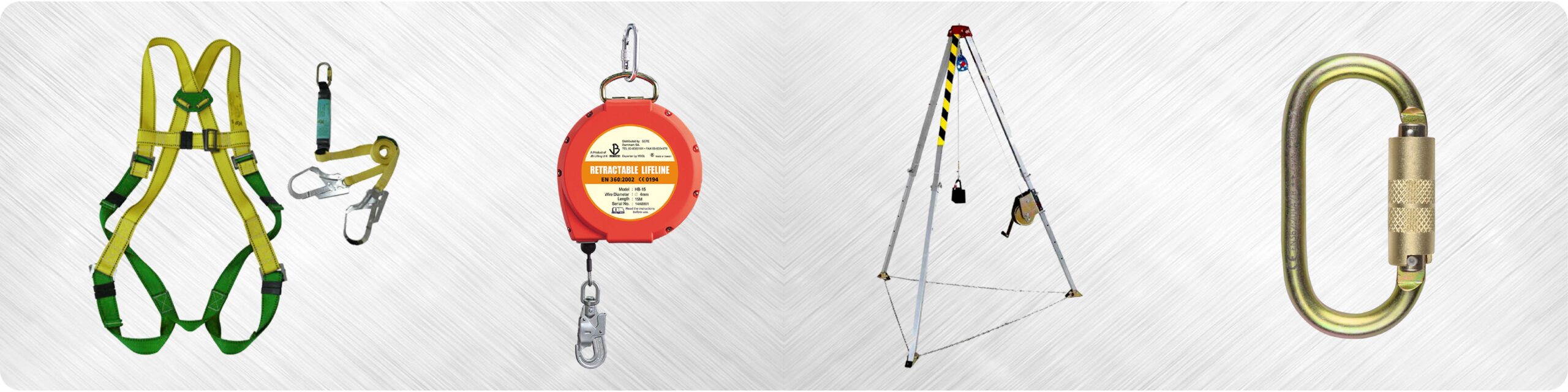
➡️ Thinking that any harness will suffice for any job is a pervasive fall protection myth that can have serious consequences. Using the wrong type of harness or a poorly fitted harness can be as dangerous as not using one at all. Different tasks require different types of harnesses, and a poorly fitted harness may not provide adequate support or protection during a fall.
Selecting harnesses specifically designed for the tasks being performed and ensuring proper fit are crucial steps. Regular inspections of harnesses for wear and tear are also essential. Our team can help guide you through these processes, especially for complex environments like those we often encounter near Jubail. We always recommend that our clients consider the specific requirements of each job when selecting fall protection equipment.
4. Myth: Guardrails are Always Sufficient
✨ While guardrails are a common fall prevention measure, they can provide a false sense of security if they are not properly installed or if there are gaps in the system. This belief is a dangerous fall protection myth. A poorly maintained guardrail system may fail during a fall, or gaps in the system could allow a worker to fall through.
Regular inspections of guardrail systems are crucial to ensure they are properly installed and maintained. Any gaps or weaknesses in the system should be addressed immediately to maintain their effectiveness. At Safe and Secure Trading Company, we stress the importance of adhering to OSHA guidelines when installing and maintaining guardrails.
5. Myth: Fall Protection Slows Down Work
⏱️ A common fall protection myth is that using fall protection equipment slows down the work process. Some supervisors and workers believe that prioritizing efficiency over safety is acceptable, leading to pressure to skip safety steps. This perception can create a dangerous environment where workers are more likely to take risks.
Planning for fall protection in advance and integrating it into the work plan is essential to minimize delays. Emphasizing the long-term benefits of safety, including reduced downtime due to accidents, can also help shift this mindset. By making safety an integral part of the work process, you can improve both safety and efficiency. We have observed in many of our client sites that prioritizing safety actually reduces overall project time by preventing accidents.
6. Myth: Only Experienced Workers Know How to Stay Safe
⚠️ While experience is valuable, it can also lead to overconfidence and complacency, which is a dangerous fall protection myth. Experienced workers may become complacent and take shortcuts or ignore safety procedures, increasing their risk of a fall.
Providing regular safety training and reinforcement for all workers, regardless of their experience level, is critical. Encouraging a culture of safety where everyone looks out for each other can also help prevent accidents. We believe that a strong safety culture is the foundation of effective fall prevention.
7. Myth: Lanyard Length Doesn’t Matter
📏 Another fall protection myth is that the length of a lanyard is inconsequential. Using a lanyard that is too long can significantly increase the risk of swing fall and impact with lower levels. The longer the lanyard, the greater the potential for a worker to swing into an object or the ground during a fall.
Calculating the total fall distance, including lanyard length, deceleration distance, and safety factor, is essential to ensure adequate clearance. Using adjustable lanyards or self-retracting lifelines when necessary can also help minimize the risk of a fall. Ignoring this aspect of fall protection can lead to serious injuries.
8. Myth: Self-Retracting Lifelines (SRLs) Don’t Require Inspection
⚙️ SRLs are complex pieces of equipment that require regular inspection and maintenance to ensure proper functionality in a fall event. Thinking they are maintenance-free is a dangerous fall protection myth. Neglecting SRL maintenance can result in a failure during a fall, rendering the equipment ineffective.
Implementing a program for regular SRL inspection, including checks for proper retraction, cable wear, and locking mechanisms, is crucial. Any SRLs that fail inspection should be immediately removed from service. Our safety training programs include detailed instructions on how to properly inspect and maintain SRLs.
9. Myth: Warning Lines are a Substitute for Fall Arrest Systems
🚧 Warning lines are a perimeter barrier, not a fall arrest system, and may not prevent a fall if a worker is distracted or loses balance. Believing they can replace fall arrest systems is a grave fall protection myth. Warning lines are intended to alert workers to a potential fall hazard but do not physically prevent a fall.
Warning lines should be used as a supplemental measure to identify fall hazards, but workers should always use appropriate fall arrest systems when working near unprotected edges. Relying solely on warning lines can create a false sense of security and increase the risk of a fall.
10. Myth: Fall Protection is the Sole Responsibility of the Safety Department
🤝 When fall protection is viewed as solely the safety department’s responsibility, workers and supervisors may not take personal ownership of safety practices. This is a dangerous fall protection myth that can undermine the effectiveness of any safety program.
Promoting a culture where everyone is responsible for safety, from top management to frontline workers, is essential. Empowering workers to identify and report hazards and encouraging supervisors to enforce safety procedures consistently can help create a safer workplace. SSTC prioritizes this shared responsibility in all our Dammam operations. We believe that a collaborative approach to safety is the most effective way to prevent falls and protect workers.
“Effective fall protection requires a holistic approach, encompassing proper equipment, comprehensive training, and a strong safety culture.” – John Smith, Lead Safety Inspector
Integrating these insights into a comprehensive fall protection strategy is essential for creating a secure workplace. Consider the following top three steps:
1. Regular Training: Consistent training sessions to reinforce safety procedures.
2. Equipment Inspection: Implement strict inspection protocols for all fall protection equipment.
3. Hazard Assessment: Regular hazard identification to proactively mitigate risks.
By focusing on these key elements, organizations can significantly improve workplace safety and fall prevention.
Here’s a comprehensive guide to essential fall protection equipment:
| Equipment Type |
Description |
Typical Use Cases |
Inspection Frequency |
| Harnesses |
Full-body harnesses with multiple adjustment points. |
Construction, maintenance, tower work. |
Before each use. |
| Lanyards |
Energy-absorbing lanyards and adjustable lanyards. |
Connecting harnesses to anchor points. |
Before each use. |
| Self-Retracting Lifelines (SRLs) |
Lifelines that automatically extend and retract. |
Areas requiring mobility with fall protection. |
Regularly, as per manufacturer guidelines. |
| Anchor Points |
Secure points for connecting fall protection systems. |
Any elevated work area. |
Before each use and periodically. |
| Guardrails |
Physical barriers to prevent falls. |
Perimeter protection on elevated platforms. |
Regularly, as per site safety plan. |
| Safety Nets |
Nets designed to catch falling workers or objects. |
Construction sites, bridge work. |
Regularly, as per site safety plan. |
| Warning Lines |
Visual barriers to indicate hazard areas. |
Roofing, construction. |
Before each shift. |
Conclusion
Debunking these fall protection myths is crucial for creating a safer workplace. By understanding the facts and implementing effective fall prevention measures, businesses can protect their workers and reduce the risk of accidents. Remember, fall protection is not just about compliance with safety regulations; it’s about valuing the lives and well-being of your employees. We at Safe and Secure Trading Company are committed to providing the expertise and resources you need to create a safe and secure work environment. Let us help you implement effective fall protection strategies tailored to your specific needs. CTA: Contact us for a safety consultation today!]
FAQ Section
Q: What are the most common types of fall protection equipment?
A: The most common types of fall protection equipment include harnesses, lanyards, self-retracting lifelines (SRLs), anchor points, guardrails, and safety nets. Each type of equipment serves a specific purpose and should be selected based on the specific hazards and requirements of the job.
Q: How often should fall protection equipment be inspected?
A: Fall protection equipment should be inspected before each use to ensure it is in good working condition. Regular inspections by a competent person should also be conducted to identify any signs of wear, damage, or deterioration. SRLs and other complex equipment may require more frequent and detailed inspections.
Q: What are OSHA guidelines for fall protection?
A: OSHA guidelines for fall protection vary depending on the industry and type of work being performed. In general, OSHA requires fall protection to be provided for workers at heights of 4 feet in general industry, 5 feet in maritime, and 6 feet in construction. OSHA guidelines also specify requirements for the selection, use, and maintenance of fall protection equipment. It’s crucial to consult the specific OSHA standards applicable to your industry.
Q: How can I improve workplace safety related to fall prevention?
A: To improve workplace safety related to fall prevention, start by conducting a comprehensive risk assessment to identify potential fall hazards. Implement appropriate fall protection measures, such as guardrails, safety nets, or fall arrest systems. Provide regular safety training to all workers, and encourage a culture of shared responsibility for safety. Regularly inspect fall protection equipment and address any hazards promptly.
Q: What is the role of safety training in fall protection?
A: Safety training is crucial for ensuring that workers understand the hazards associated with falls and how to use fall protection equipment properly. Training should cover topics such as hazard identification, risk assessment, equipment inspection, and proper use of fall arrest systems. Regular refresher training is also essential to reinforce safety procedures and keep fall protection practices top-of-mind.
Q: What are the key elements of a comprehensive fall protection program?
A: The key elements of a comprehensive fall protection program include:
- A written fall protection plan
- Hazard identification and risk assessment
- Proper selection, use, and maintenance of fall protection equipment
- Regular safety training
- A system for reporting and investigating incidents
- Regular program evaluation and improvement
Q: How can I ensure that our fall protection measures are effective?
A: To ensure that your fall protection measures are effective, regularly evaluate your fall protection program to identify areas for improvement. Conduct regular audits of your workplace to identify potential fall hazards. Solicit feedback from workers and supervisors to identify potential gaps in your fall protection program. Stay up-to-date on the latest safety regulations and best practices.
Q: What is the difference between fall prevention and fall arrest?
A: Fall prevention aims to eliminate or minimize the likelihood of a fall occurring, while fall arrest aims to protect a worker after a fall has occurred. Fall prevention measures include guardrails, safety nets, and warning lines. Fall arrest systems include harnesses, lanyards, and self-retracting lifelines. Both fall prevention and fall arrest are important components of a comprehensive fall protection program.
Q: How can I create a culture of safety in my workplace?
A: Creating a culture of safety requires a commitment from top management and active participation from all employees. Lead by example by prioritizing safety in all your actions. Empower workers to identify and report hazards. Recognize and reward safety performance. Communicate regularly about safety issues. And, most importantly, listen to your employees and address their concerns promptly.
Q: Where can I find reliable information on fall protection and OSHA guidelines?
A: You can find reliable information on fall protection and OSHA guidelines on the OSHA website ([https://www.osha.gov/). You can also consult with safety professionals and industry experts to get guidance on specific fall protection issues. At Safe and Secure Trading Company, we pride ourselves on staying updated on the latest regulations and best practices to provide our clients with the best possible fall protection solutions in 2026.