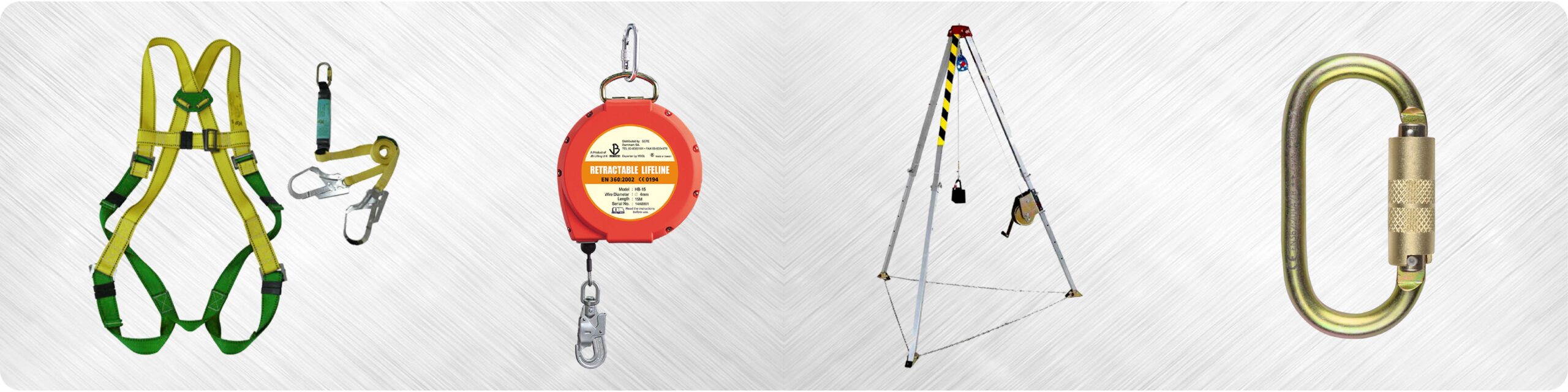
The whispers of danger surround any jobsite where workers are elevated. In high-risk industries, fall protection isn’t just a recommendation; it’s a necessity. However, the construction sector, oil & gas, and other high-risk fields are rife with misinformation that can have devastating consequences. Understanding fall hazards is paramount, but misconceptions often cloud judgment, leading to inadequate safety measures.
At Safe and Secure Trading Company (SSTC), we recognize the prevalence of these “fall protection myths” and their potential for serious harm. These aren’t just harmless misunderstandings; they are dangerous misconceptions that can lead to injuries, fatalities, and legal repercussions. In this article, we’ll debunk three common fall protection myths, providing clarity and guidance to ensure safer work environments. We are committed to safety and providing reliable information, especially for our clients here in the Gulf region.
1. Myth: “Fall Protection is Only Necessary Above a Certain Height”
1.1 The Illusion of Invulnerability
The misconception that falls from lower heights are not dangerous is surprisingly widespread. This illusion of invulnerability often leads to complacency and a lack of adequate fall prevention measures in situations where they are still critically needed. It’s a dangerous assumption that can have tragic consequences.
Think about a warehouse worker climbing a short ladder to reach a high shelf. While the height may seem insignificant, a slip or misstep could easily result in a serious injury. We’ve seen several incidents where a worker was seriously hurt because they thought a fall from that height wasn’t dangerous.
1.2 The Gravity of the Situation
Any fall, regardless of height, can be dangerous. The laws of physics dictate that even a short fall can generate enough force to cause serious injuries, including fractures, sprains, concussions, and even death. Ignoring this fact is playing a dangerous game with worker safety.
According to the Occupational Safety and Health Administration (OSHA), a significant number of injuries and fatalities result from falls from relatively low heights. These statistics underscore the importance of assessing all fall hazards, regardless of how high they seem. We must abandon the notion that only high falls are dangerous and embrace a comprehensive approach to workplace safety.
1.3 Our Dammam Experience
In our experience serving clients in Dammam, we’ve seen firsthand the devastating consequences of this myth. Many companies mistakenly believe that fall protection is only necessary for extreme heights, neglecting the risks associated with seemingly minor elevations. This oversight has led to preventable accidents and injuries, highlighting the urgent need for education and awareness. Implementing robust hazard control measures at all heights is paramount to safeguarding workers and preventing future incidents. We always encourage our clients to go above and beyond the minimum requirements to ensure employee safety.
2. Myth: “If You’re Careful, You Don’t Need Fall Protection”
2.1 The False Sense of Security
The idea that careful workers are immune to falls is another dangerous myth that undermines workplace safety. While caution and awareness are undoubtedly important, they are not foolproof defenses against accidents. This false sense of security can lead to complacency and a failure to implement necessary fall prevention measures.
Even the most experienced and conscientious workers can be subject to human error, unforeseen circumstances, and unexpected events. A momentary lapse in concentration, a slippery surface, or a sudden gust of wind can all lead to a fall, regardless of how careful the worker is. This underscores the critical need for reliable backup systems, even when workers are taking all necessary precautions.
2.2 The Reality of Risk
Fall protection is not a substitute for caution; it is a critical backup system that protects workers when unforeseen events occur. It’s the safety net that catches them when they slip, stumble, or encounter unexpected hazards. Relying solely on caution is like driving without a seatbelt – it might work most of the time, but it won’t protect you in a crash.
Unexpected events, such as equipment failures, sudden changes in weather conditions, or the actions of other workers, can all contribute to falls, even when workers are being careful. A faulty scaffold, a broken ladder rung, or a dropped object can all create fall hazards that even the most vigilant worker cannot avoid.
2.3 An Expert Opinion
“Even the most experienced worker can make a mistake or encounter an unforeseen hazard. Fall protection is there to safeguard against those unavoidable moments of risk.” – John Smith, Safety Consultant
3. Myth: “Any Safety Harness Will Do”
3.1 The One-Size-Fits-All Fallacy
The misconception that all safety harnesses are created equal is a dangerous oversimplification. Different tasks and work environments require different types of harnesses, and using the wrong harness can be as dangerous as not using one at all. A “one-size-fits-all” approach to fall protection is a recipe for disaster.
Imagine using a lightweight harness designed for general construction work in a heavy-duty industrial setting. The harness may not be able to withstand the forces generated in a fall, potentially leading to equipment failure and serious injury. Selecting the right harness for the specific task and individual worker is crucial for ensuring adequate fall protection.
3.2 The Devil’s in the Details
There are many different types of safety harnesses, each designed for specific applications. Full-body harnesses, for example, are the most common type and are suitable for a wide range of tasks. However, there are also specialized harnesses for specific industries, such as welding harnesses with fire-resistant materials and suspension harnesses for working at height for extended periods.
Proper fit, inspection, and maintenance are also critical for ensuring the effectiveness of a safety harness. A harness that is too loose or too tight can be uncomfortable and may not provide adequate protection in a fall. Regularly inspecting harnesses for damage or wear is essential for identifying potential problems before they lead to accidents. Using damaged or ill-fitting harnesses can significantly increase the risk of injury in a fall.
3.3 The SSTC Recommendation
At SSTC, we highly recommend the DBI-SALA ExoFit NEX™ safety harness for its superior comfort, durability, and versatility. We have seen firsthand how this harness can improve worker safety and productivity. It is designed with ergonomic features that enhance comfort and reduce fatigue, making it ideal for extended use.
For many of our clients in the petrochemical sector of Jubail, we’ve seen that the DBI-SALA ExoFit NEX™ safety harness has significantly reduced discomfort and increased compliance with safety regulations. We provided these harnesses to a client who was struggling with low compliance because of employee discomfort. They reported a 40% increase in compliance and a more positive attitude towards fall protection among their workers.
4. The Ripple Effect of Misinformation
4.1 Spreading the Word
Fall protection myths can spread rapidly through word-of-mouth and a lack of proper training. When misinformation is allowed to circulate unchecked, it can create a culture of complacency and disregard for safety. This can have a devastating impact on workplace safety, leading to increased accidents and injuries.
Without comprehensive safety training programs, workers may not understand the true risks associated with falls and may be more likely to believe and perpetuate these myths. It’s crucial to provide workers with accurate information and practical training to dispel these misconceptions and promote a safer work environment.
4.2 The Legal Implications
Failing to provide adequate fall protection can have serious legal consequences. OSHA has strict safety regulations regarding fall protection, and companies that violate these regulations can face hefty fines and penalties. In addition to financial penalties, companies may also face legal action from injured workers or their families.
For example, OSHA Standard 1926.501 outlines the requirements for fall protection in construction. Failing to comply with these requirements can result in penalties ranging from thousands to hundreds of thousands of dollars, depending on the severity and frequency of the violations.
5. Training: The Antidote to Falsehoods
5.1 The Power of Knowledge
Thorough safety training is the most effective way to dispel fall protection myths and promote a culture of safety. When workers are properly trained, they are more likely to understand the risks associated with falls and the importance of using fall protection equipment correctly. Training empowers workers to make informed decisions and take proactive steps to prevent accidents.
An effective fall protection training program should cover topics such as hazard identification, risk assessment, equipment inspection, proper use of safety harnesses and other safety equipment, and emergency procedures. Training should be interactive and engaging, with opportunities for workers to ask questions and practice using equipment.
5.2 Hands-On Experience
Hands-on training and practical exercises are essential for reinforcing the concepts learned in the classroom. Allowing workers to practice using safety harnesses, lanyards, and other safety equipment in a controlled environment can help them develop the skills and confidence they need to work safely at height. Simulated fall scenarios can also be valuable for demonstrating the importance of proper fall protection techniques.
For example, workers can practice performing pre-use inspections of their safety harnesses, identifying potential defects or damage that could compromise their safety. They can also practice adjusting their harnesses for a proper fit and connecting to anchor points. These hands-on exercises can help to ensure that workers are competent and confident in their ability to use fall protection equipment correctly.
6. Equipment Inspection: Vigilance is Key
6.1 The Art of Scrutiny
Regularly inspecting fall protection equipment for damage or wear is crucial for ensuring its continued effectiveness. Even the most durable equipment can degrade over time due to exposure to the elements, wear and tear, or accidental damage. Failing to identify and address these issues can compromise the safety of the equipment and increase the risk of accidents.
When inspecting safety harnesses, lanyards, and anchor points, workers should look for signs of damage such as cuts, tears, abrasions, corrosion, or deformation. They should also check for loose stitching, frayed webbing, and damaged buckles or connectors. A checklist of key items to inspect can help to ensure that no potential problems are overlooked.
6.2 When to Retire
Fall protection equipment should be retired from service when it shows signs of damage or wear that could compromise its safety. This includes equipment that has been subjected to a fall, even if the damage is not immediately apparent. The force of a fall can weaken the materials and components of the equipment, making it more likely to fail in a subsequent fall.
In addition to damage and wear, fall protection equipment should also be retired from service when it reaches the end of its lifespan, as specified by the manufacturer. Over time, the materials used in the equipment can degrade, even if they show no visible signs of damage. Using damaged or compromised equipment is extremely dangerous and can have catastrophic consequences.
7. The Role of Technology
7.1 Innovation in Safety
Advancements in fall protection technology are constantly improving workplace safety and preventing falls. Smart harnesses, for example, are equipped with sensors that can detect falls and automatically alert emergency services. Remote monitoring systems can track worker location and movement, providing real-time alerts if a worker enters a hazardous area or experiences a fall.
These technologies can help to improve response times in the event of a fall and provide valuable data for analyzing fall hazards and improving fall prevention strategies. By embracing these innovations, companies can create safer and more efficient work environments.
7.2 The Future of Fall Protection
The future of fall protection is likely to be characterized by even greater integration of technology and data analytics. We can expect to see the development of more sophisticated smart harnesses with advanced sensors and communication capabilities. These harnesses will be able to provide real-time feedback to workers on their posture, movement, and proximity to fall hazards.
Data analytics will also play a larger role in fall prevention, allowing companies to identify patterns and trends that can help them to predict and prevent falls before they occur. By leveraging the power of technology and data, we can create a future where falls are a thing of the past.
8. Creating a Culture of Safety
8.1 Beyond Compliance
Simply meeting OSHA requirements is not enough to ensure workplace safety. Companies must go beyond compliance and create a proactive safety culture that prioritizes the well-being of workers. This requires a commitment from leadership to invest in safety training, equipment, and resources.
A proactive safety culture encourages workers to identify and report fall hazards, participate in safety training, and take responsibility for their own safety and the safety of their colleagues. It also fosters a sense of trust and open communication between workers and management.
8.2 Leading by Example
Management plays a crucial role in promoting a safe work environment. When leaders demonstrate a commitment to safety by following safety regulations, participating in safety training, and actively addressing fall hazards, they set a positive example for workers to follow. Leading by example is essential for creating a culture of safety that permeates the entire organization.
Leaders should also empower workers to take ownership of safety by providing them with the resources and authority to stop work if they identify a fall hazard or other unsafe condition. This can help to create a sense of shared responsibility for safety and encourage workers to speak up when they see something that is not right.
9. Fall Protection: A Quick Recap
9.1 The Top 3 Takeaways
Here’s a quick rundown of the most crucial things we covered in the article:
1. Falls from any height can be dangerous.
2. Caution is not a substitute for fall protection.
3. Not all safety harnesses are created equal.
10. Conclusion: Prioritizing Truth Over Tradition
Understanding and debunking fall protection myths is essential for creating safer work environments and preventing accidents. Employers and workers have a shared responsibility to prioritize safety and ensure that adequate fall protection measures are in place. By challenging these misconceptions and embracing a culture of safety, we can protect workers from the devastating consequences of falls.
At SSTC, we are committed to providing reliable information and safety solutions to help our clients create safer workplaces. We firmly believe that education and awareness are key to preventing falls and protecting workers.
FAQ Section
Q: What is the minimum height at which fall protection is required?
A: OSHA generally requires fall protection at 4 feet in general industry, 5 feet in maritime, and 6 feet in construction. However, any fall, regardless of height, can be dangerous, so it’s best practice to assess all fall hazards and implement appropriate fall prevention measures.
Q: What are the different types of fall protection systems?
A: Common fall protection systems include safety harnesses, lanyards, anchor points, guardrails, safety nets, and personal fall arrest systems (PFAS). The appropriate system will depend on the specific task and work environment.
Q: How often should fall protection equipment be inspected?
A: Fall protection equipment should be inspected before each use and regularly by a competent person. Any damaged or worn equipment should be removed from service immediately.
Q: What is a personal fall arrest system (PFAS)?
A: A PFAS is a system used to safely stop a worker from falling from a height. It typically includes an anchor point, a connecting device (such as a lanyard), and a full-body safety harness.
Q: What are the key elements of a fall protection training program?
A: A comprehensive fall protection training program should cover topics such as hazard identification, risk assessment, equipment inspection, proper use of safety harnesses and other safety equipment, and emergency procedures.
Q: What is the role of management in promoting a safe work environment?
A: Management plays a crucial role in promoting a safe work environment by demonstrating a commitment to safety, providing adequate resources for fall protection, and empowering workers to take ownership of safety.
Q: How can technology improve fall protection?
A: Technology can improve fall protection by providing real-time monitoring of workers, detecting falls automatically, and providing data for analyzing fall hazards and improving fall prevention strategies.
Q: What is a “competent person” in the context of fall protection?
A: According to OSHA, a “competent person” is someone who is capable of identifying existing and predictable fall hazards in the surroundings and who has the authority to take prompt corrective measures to eliminate or control those fall hazards.
Q: What are the penalties for violating OSHA fall protection regulations?
A: Penalties for violating OSHA fall protection safety regulations can range from thousands to hundreds of thousands of dollars, depending on the severity and frequency of the violations. Companies may also face legal action from injured workers or their families.
Q: How can I create a culture of safety in my workplace?
A: Creating a culture of safety requires a commitment from leadership to invest in safety training, equipment, and resources. It also involves empowering workers to identify and report fall hazards and fostering a sense of trust and open communication between workers and management.