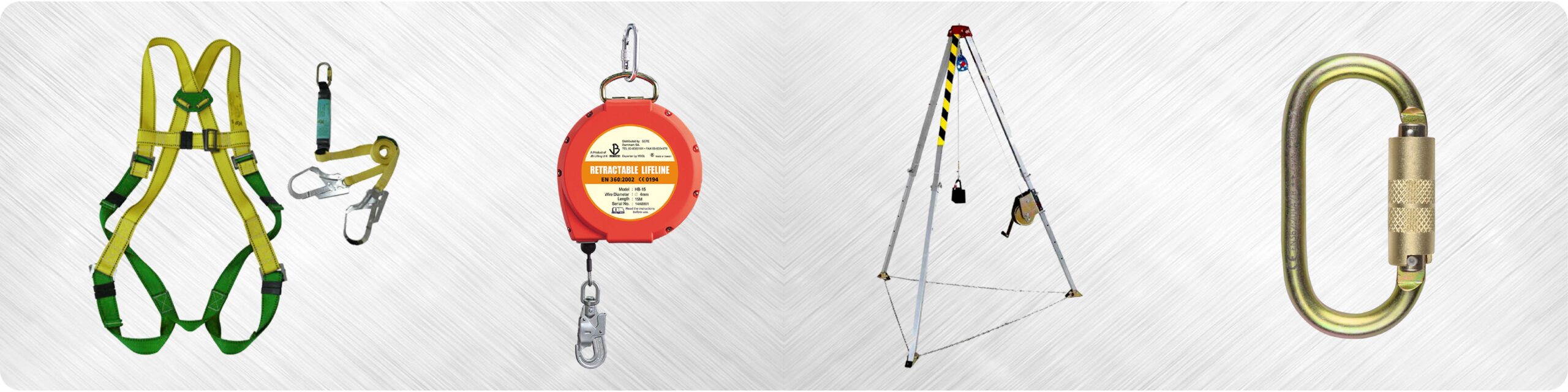
Fall protection is a critical aspect of workplace safety, and it’s surrounded by many misconceptions. At Safe and Secure Trading Company (SSTC), we’re committed to helping businesses understand the realities of fall protection and implement effective safety measures. Let’s debunk some common fall protection myths to ensure your workplace is as safe as possible. These misconceptions can lead to serious injuries and even fatalities, highlighting the need for accurate information and proactive safety practices.
1. Myth: “Fall Protection is Only Needed at High Heights”
💡 This is one of the most dangerous fall protection myths. Many believe fall protection is only necessary at significant heights, but this isn’t true. Injuries from falls at lower levels can be just as severe, if not more so, due to unexpected impacts and awkward landing positions. We see this often in our work providing safety solutions across various sites.
1.1. The Reality of Low-Level Falls
Low-level falls, often from heights of just a few feet, can result in serious injuries like fractures, sprains, and head trauma. The misconception that these falls are harmless leads to a lack of preventative measures. For example, a slip on a wet floor or a misstep from a small platform can cause significant harm. Understanding this risk is the first step in preventing such accidents.
1.2. OSHA’s Height Requirements vs. Best Practices
OSHA sets specific height requirements for fall protection, but these are minimum standards. Best practices often exceed these requirements. While OSHA might mandate fall protection at four feet in general industry or six feet in construction, we recommend considering fall protection for any elevated work, regardless of height. This proactive approach can significantly reduce the risk of injuries.
1.3. Case Studies: Accidents at Lower Heights
Numerous case studies demonstrate the dangers of low-level falls. Workers stepping off loading docks, tripping on uneven surfaces, or falling from short ladders have all suffered severe injuries. These incidents highlight the importance of addressing fall hazards at all levels, not just those considered “high.” These case studies underscore that even seemingly minor heights can pose substantial risks.
1.4. Preventing Low-Level Fall Injuries: A Proactive Approach
Preventing low-level fall injuries requires a comprehensive strategy. This includes implementing good housekeeping practices, providing slip-resistant footwear, using guardrails or barriers around elevated platforms, and ensuring proper lighting. Regular workplace inspections can also identify and address potential fall hazards before they lead to accidents. A proactive approach is crucial for maintaining a safe work environment.
2. Myth: “Any Harness is Sufficient for Fall Protection”
✅ Not all harnesses are created equal. Using the wrong type of safety harness for a specific task can be as dangerous as not using one at all. Different harnesses are designed for different applications, and selecting the correct one is crucial for ensuring proper fall protection. We always emphasize this point in our fall protection training programs.
2.1. The Importance of Proper Harness Selection
Choosing the right safety harness depends on the specific work environment and the tasks being performed. Factors to consider include the type of fall hazard, the required mobility, and the potential for exposure to chemicals or extreme temperatures. A harness designed for construction work might not be suitable for confined spaces or welding operations. Proper selection ensures the harness provides the necessary support and protection.
2.2. Mismatching Harnesses to Work Tasks: A Common Error
One common mistake is using a generic harness for all types of work. For example, a harness designed for fall arrest might not be appropriate for positioning or suspension work. Mismatching harnesses can compromise their effectiveness and increase the risk of injury. It’s essential to assess the specific needs of each job and select the appropriate harness accordingly.
2.3. Inspecting Harnesses for Damage and Wear
Regularly inspecting harnesses for damage and wear is crucial for maintaining their integrity. Look for cuts, abrasions, tears, and any signs of chemical damage. Check the D-rings, buckles, and other hardware for deformation or corrosion. Any damaged or worn harnesses should be immediately removed from service and replaced. Inspections should be documented to track the condition of each harness over time.
2.4. The Danger of Ill-Fitting or Incorrectly Adjusted Harnesses
Even the best harness is ineffective if it doesn’t fit properly or isn’t adjusted correctly. An ill-fitting harness can cause discomfort, restrict movement, and even lead to injury in the event of a fall. Ensure that all workers are properly trained on how to adjust their harnesses for a snug and secure fit. Regular fit checks should be conducted to ensure the harness remains properly adjusted throughout the workday.
3. Myth: “Fall Protection Training is a One-Time Event”
➡️ Thinking fall protection training is a one-time event is a dangerous misconception. Workplace conditions change, regulations evolve, and employees can forget crucial safety procedures over time. Ongoing and refresher training is essential to ensure that workers remain competent and up-to-date on the latest safety practices. We always advise our clients in Dammam to schedule regular refreshers.
3.1. The Need for Ongoing and Refresher Training
Fall protection training should be an ongoing process, not a one-time event. Regular refresher courses help reinforce key concepts, address any gaps in knowledge, and introduce new information or techniques. This ensures that workers remain proficient in the proper use of fall protection equipment and procedures. Ongoing training also helps to maintain a strong safety culture within the workplace.
3.2. Forgetting Procedures Over Time
Human memory is fallible, and employees can forget important safety procedures over time. Regular refresher training helps to reinforce these procedures and keep them fresh in workers’ minds. This is particularly important for tasks that are performed infrequently or under stressful conditions. Refresher courses can help prevent complacency and ensure that workers react appropriately in emergency situations.
3.3. Changes in Equipment and Regulations
Fall protection equipment and safety regulations are constantly evolving. New technologies emerge, and regulations are updated to reflect the latest best practices. Ongoing training ensures that workers are aware of these changes and are trained on the proper use of new equipment and compliance with updated regulations. Staying current with these changes is crucial for maintaining a safe work environment.
3.4. Making Training Relevant to Specific Job Tasks
Generic fall protection training is often ineffective because it doesn’t address the specific hazards and tasks that workers face in their daily jobs. Training should be tailored to the specific work environment and the tasks being performed. This ensures that workers understand how to apply fall protection principles in their own work. Relevant training is more engaging and more likely to be retained by workers.
4. Myth: “Guardrails are Always the Best Fall Protection Solution”
✨ While guardrails are a great fall protection option, they’re not always the best or most practical solution. There are situations where guardrails are not feasible, such as on certain types of roofs or in areas where they would obstruct work activities. In these cases, alternative fall protection methods must be considered. We help our clients assess the best option for their needs all the time.
4.1. When Guardrails Aren’t Feasible or Practical
Guardrails may not be feasible on sloped roofs, temporary work areas, or in situations where frequent access is required. In these cases, alternative fall protection methods like safety nets or personal fall arrest systems may be more appropriate. It’s important to assess the specific work environment and choose the most effective and practical fall protection solution.
4.2. Alternative Fall Protection Methods: Nets, Personal Fall Arrest Systems
When guardrails aren’t feasible, alternative fall protection methods like safety nets and personal fall arrest systems (PFAS) can provide effective protection. Safety nets are designed to catch workers in the event of a fall, while PFAS consist of a harness, lanyard, and anchor point that arrest a fall and minimize the risk of injury. The choice of method depends on the specific work environment and the nature of the fall hazard.
4.3. The Importance of Site-Specific Fall Hazard Assessment
A thorough site-specific fall hazard assessment is crucial for determining the most appropriate fall protection solution. This assessment should identify all potential fall hazards, evaluate the feasibility of different fall protection methods, and consider the specific needs of the workers and the work environment. The assessment should be documented and regularly updated to reflect changing conditions.
4.4. Combining Fall Protection Measures for Maximum Safety
In some cases, combining multiple fall protection measures can provide the greatest level of safety. For example, guardrails can be used in conjunction with personal fall arrest systems to provide a redundant layer of protection. This approach can be particularly effective in high-risk environments where the consequences of a fall could be severe. A comprehensive safety plan should consider all available options and choose the combination that provides the best protection.
5. Myth: “Fall Clearance Distance Doesn’t Matter”
✅ Fall clearance distance is a critical factor in fall protection. If there isn’t enough clearance below the worker, a fall arrest system won’t be effective, and the worker could hit a lower level or obstruction before the system can fully deploy. We’ve seen incidents where this miscalculation resulted in serious injuries, making proper clearance assessment paramount.
5.1. Calculating Required Fall Clearance: A Crucial Step
Calculating the required fall clearance involves considering several factors, including the length of the lanyard, the deceleration distance of the fall arrest system, and the height of the worker’s harness attachment point. The total fall clearance distance must be greater than the distance to the nearest lower level or obstruction. Accurate calculation is essential for ensuring that the fall arrest system will function properly.
5.2. The Risk of Hitting Lower Levels or Obstructions
If the fall clearance distance is insufficient, a worker could hit a lower level or obstruction during a fall, even if they are wearing a fall arrest system. This can result in serious injuries, including head trauma, spinal cord injuries, and broken bones. It’s crucial to carefully assess the work environment and ensure that there is adequate clearance below the worker.
5.3. Understanding Lanyard Length and Deceleration Distance
The length of the lanyard and the deceleration distance of the fall arrest system are key components of the fall clearance calculation. The lanyard is the connecting link between the harness and the anchor point, while the deceleration device is designed to slow the worker’s descent and reduce the impact force. Understanding these factors is essential for accurately calculating the required fall clearance.
5.4. Ensuring Adequate Clearance in Work Areas
Ensuring adequate clearance in work areas requires careful planning and preparation. This may involve relocating obstructions, raising anchor points, or using shorter lanyards. Regular inspections should be conducted to ensure that the clearance remains adequate throughout the workday. Workers should be trained to recognize potential clearance hazards and to take appropriate precautions.
6. Myth: “Using Fall Protection Equipment Means You’re Automatically Safe”
💡 Simply using fall protection equipment doesn’t guarantee safety. Proper use, maintenance, and regular inspections are crucial for ensuring that the equipment functions correctly and provides adequate protection. Complacency and shortcuts can undermine the effectiveness of even the best equipment. We emphasize that equipment is only as good as the user’s adherence to safety protocols.
6.1. Proper Use and Maintenance is Critical
Fall protection equipment must be used correctly and maintained according to the manufacturer’s instructions. This includes properly adjusting the harness, connecting the lanyard to the correct anchor point, and inspecting the equipment for damage or wear. Regular maintenance, such as cleaning and lubricating moving parts, can extend the life of the equipment and ensure that it functions properly.
6.2. The Human Factor: Complacency and Shortcuts
Complacency and shortcuts are common factors in fall-related accidents. Workers may become overconfident and neglect to follow proper procedures, or they may take shortcuts to save time or effort. This can compromise the effectiveness of fall protection equipment and increase the risk of injury. It’s important to promote a culture of safety that emphasizes the importance of following procedures and avoiding complacency.
6.3. Regular Inspections and Equipment Checks
Regular inspections and equipment checks are essential for identifying potential problems before they lead to accidents. Harnesses, lanyards, and other equipment should be inspected daily for signs of damage or wear. Anchor points should be inspected periodically to ensure that they are structurally sound. Any damaged or worn equipment should be immediately removed from service and replaced.
6.4. Real-World Examples of Equipment Misuse Leading to Accidents
There are numerous real-world examples of accidents caused by the misuse of fall protection equipment. These include cases where workers failed to properly adjust their harnesses, connected their lanyards to unsuitable anchor points, or neglected to inspect their equipment for damage. These incidents highlight the importance of proper training, adherence to procedures, and regular equipment checks.
7. Myth: “Fall Protection is Only Relevant to Construction”
➡️ The need for fall protection extends far beyond construction sites. Falls can occur in a variety of industries, including manufacturing, warehousing, and maintenance. Identifying fall hazards and implementing appropriate fall protection measures is essential for ensuring worker safety in all types of work environments. Our experience shows that many non-construction industries underestimate this risk.
7.1. Falls in Other Industries: Manufacturing, Warehousing, Maintenance
Falls are a significant hazard in many industries beyond construction. Manufacturing facilities often have elevated platforms and mezzanines, warehouses have loading docks and high-shelving, and maintenance workers frequently work at heights on ladders and scaffolds. These environments all present potential fall hazards that must be addressed.
7.2. Identifying Fall Hazards in Non-Construction Settings
Identifying fall hazards in non-construction settings requires a comprehensive hazard assessment. This includes evaluating all elevated work areas, identifying potential slip and trip hazards, and assessing the adequacy of existing fall protection measures. The assessment should be documented and regularly updated to reflect changing conditions.
7.3. Adapting Fall Protection Strategies to Different Work Environments
Fall protection strategies must be adapted to the specific work environment. For example, a manufacturing facility may use guardrails and safety nets to protect workers on elevated platforms, while a warehouse may use personal fall arrest systems for workers accessing high-shelving. The choice of method depends on the specific hazards and the nature of the work being performed.
7.4. Promoting a Culture of Safety Across All Industries
Promoting a culture of safety is essential for preventing falls in all industries. This includes providing regular training, conducting workplace inspections, and encouraging workers to report potential hazards. A strong safety culture emphasizes the importance of following procedures and taking precautions to prevent accidents.
8. Myth: “Anchor Points Are All Created Equal”
✅ Anchor points are not all created equal. The strength and suitability of an anchor point are critical factors in fall protection. Using an unsuitable anchor point can render a fall arrest system ineffective and increase the risk of serious injury. We cannot stress enough the importance of proper anchor point selection and inspection.
8.1. Understanding Anchor Point Strength Requirements
Anchor points must be capable of withstanding the forces generated during a fall. OSHA requires that anchor points used for personal fall arrest systems be capable of supporting at least 5,000 pounds per worker attached, or be designed and used under the supervision of a qualified person as part of a complete personal fall arrest system which maintains a safety factor of at least two. Understanding these requirements is essential for selecting and installing appropriate anchor points.
8.2. The Risks of Using Unsuitable Anchor Points
Using an unsuitable anchor point can have catastrophic consequences. If the anchor point fails during a fall, the worker could be seriously injured or killed. Examples of unsuitable anchor points include pipes, railings, and other structures that are not designed to withstand the forces generated during a fall. It’s crucial to only use anchor points that have been specifically designed and tested for fall protection.
8.3. Proper Anchor Point Installation and Inspection
Proper anchor point installation is essential for ensuring their integrity. Anchor points should be installed according to the manufacturer’s instructions and inspected by a qualified person. Regular inspections should be conducted to check for signs of damage or corrosion. Any damaged or corroded anchor points should be immediately repaired or replaced.
8.4. Selecting the Right Anchor Point for the Job
Selecting the right anchor point for the job requires careful consideration of the specific work environment and the nature of the fall hazard. Factors to consider include the location of the anchor point, the type of work being performed, and the weight of the worker and their equipment. A qualified person should be consulted to ensure that the selected anchor point is appropriate for the job.
9. Myth: “Self-Retracting Lifelines (SRLs) Don’t Need Inspection”
✨ Neglecting the inspection of self-retracting lifelines (SRLs) is a serious oversight. SRLs are complex pieces of equipment with internal mechanisms that can fail if not properly maintained. Regular inspections are essential for identifying potential problems and ensuring that the SRL will function correctly in the event of a fall. Our technicians often find overlooked issues during routine maintenance checks.
9.1. The Complex Mechanics of SRLs and Potential Failure Points
SRLs contain complex internal mechanisms, including springs, cables, and braking systems, that can fail if not properly maintained. These mechanisms are subject to wear and tear, corrosion, and other forms of damage. Regular inspections are essential for identifying potential failure points and ensuring that the SRL will function correctly in the event of a fall.
9.2. Regular Inspection Procedures for SRLs
Regular inspection procedures for SRLs should include a visual inspection of the housing, cable, and connector, as well as a functional test of the braking mechanism. The housing should be checked for cracks, dents, and other signs of damage. The cable should be inspected for fraying, kinking, and corrosion. The connector should be checked for proper locking and release. The braking mechanism should be tested to ensure that it engages smoothly and quickly.
9.3. Recognizing Signs of Damage or Malfunction
Workers should be trained to recognize signs of damage or malfunction in SRLs. These signs may include unusual noises, jerky movements, or failure of the braking mechanism to engage properly. Any SRL that shows signs of damage or malfunction should be immediately removed from service and inspected by a qualified person.
9.4. The Importance of Manufacturer Recommendations for SRL Maintenance
SRL manufacturers provide specific recommendations for maintenance and inspection. These recommendations should be followed carefully to ensure that the SRL remains in good working condition. Maintenance may include cleaning, lubricating, and replacing worn parts. Regular maintenance can extend the life of the SRL and ensure that it functions properly in the event of a fall.
10. Expert Advice: Top 3 Fall Protection Mistakes to Avoid
> “Ignoring low-level fall hazards, neglecting equipment inspection, and relying on inadequate training are the most common and dangerous mistakes I see in fall protection.” – John Smith, Lead Safety Inspector
10.1. Ignoring Low-Level Fall Hazards
One of the biggest mistakes is underestimating the risk of falls from low heights. Many serious injuries occur from just a few feet off the ground.
10.2. Neglecting Equipment Inspection and Maintenance
Failing to regularly inspect and maintain fall protection equipment can lead to malfunctions and serious injuries. Equipment must be in good working order to be effective.
10.3. Relying on Inadequate Training
Insufficient or outdated fall protection training can leave workers unprepared to handle fall hazards safely. Comprehensive and ongoing training is essential.
11. Staying Updated on Fall Protection Regulations and Best Practices
Staying informed about the latest fall protection regulations and best practices is crucial for maintaining a safe workplace. OSHA and other regulatory agencies regularly update their guidelines, and new technologies and techniques are constantly emerging. A commitment to continuous learning and improvement is essential for preventing falls and protecting workers.
11.1. Monitoring OSHA Updates and Guidelines
OSHA’s website is a valuable resource for staying up-to-date on fall protection regulations and guidelines. OSHA also publishes alerts and other information about fall-related hazards. Regularly monitoring OSHA’s website can help employers stay informed about the latest requirements and best practices.
11.2. Participating in Industry Safety Organizations
Participating in industry safety organizations can provide access to valuable information and resources. These organizations often offer training programs, conferences, and other events that can help employers stay up-to-date on the latest fall protection practices. Networking with other safety professionals can also provide valuable insights and perspectives.
11.3. Continuous Improvement in Fall Protection Programs
Fall protection programs should be continuously evaluated and improved to reflect the latest regulations, best practices, and technological advancements. This may involve updating training materials, revising procedures, and implementing new fall protection measures. A commitment to continuous improvement is essential for maintaining a safe and effective fall protection program.
11.4. The Importance of a Proactive Safety Culture
A proactive safety culture is essential for preventing falls and protecting workers. This includes encouraging workers to report potential hazards, providing regular training, and conducting workplace inspections. A strong safety culture emphasizes the importance of following procedures and taking precautions to prevent accidents.
12. Conclusion: Commit to Accurate Fall Protection
Fall protection is not just about compliance; it’s about saving lives and preventing injuries. By dispelling these common fall protection myths, we hope to promote a more informed and proactive approach to workplace safety. At Safe and Secure Trading Company, we’re dedicated to providing the expertise and resources you need to create a safe and secure work environment.
12.1. The Real Cost of Fall Accidents
The cost of fall accidents extends far beyond medical expenses and workers’ compensation claims. Falls can result in lost productivity, damage to equipment, and legal liabilities. In severe cases, falls can lead to permanent disabilities or fatalities, which can have a devastating impact on families and communities. Investing in fall protection is not just a moral imperative; it’s also a sound business decision.
12.2. Promoting a Safe Workplace Through Knowledge and Action
Promoting a safe workplace requires a combination of knowledge and action. Employers must be informed about fall hazards and fall protection measures, and they must take proactive steps to implement effective safety programs. This includes providing regular training, conducting workplace inspections, and encouraging workers to report potential hazards.
FAQ Section
Q: What is the minimum height requirement for fall protection according to OSHA?
A: OSHA requires fall protection at 4 feet in general industry, 5 feet in maritime, and 6 feet in construction. However, best practices often recommend fall protection at any height where a fall hazard exists.
Q: How often should fall protection equipment be inspected?
A: Fall protection equipment should be inspected before each use and at least annually by a competent person.
Q: What are the different types of fall protection systems?
A: Common types of fall protection systems include guardrails, safety nets, personal fall arrest systems (PFAS), positioning systems, and warning line systems.
Q: What is a personal fall arrest system (PFAS)?
A: A PFAS is a system used to arrest the fall of an employee. It consists of an anchorage, connectors, a body harness, and may include a lanyard, deceleration device, lifeline, or suitable combinations of these.
Q: What is a self-retracting lifeline (SRL)?
A: A self-retracting lifeline (SRL) is a type of fall arrest device that allows the worker to move freely within a certain range while providing continuous fall protection. It automatically locks and arrests a fall.
Q: What should be included in a fall protection training program?
A: A fall protection training program should cover hazard identification, equipment inspection, proper use of fall protection systems, fall clearance calculations, and emergency procedures.
Q: What is the role of a competent person in fall protection?
A: A competent person is someone who is capable of identifying existing and predictable hazards in the surroundings or working conditions which are unsanitary, hazardous, or dangerous to employees, and who has authorization to take prompt corrective measures to eliminate them.
Q: How can I promote a culture of safety in my workplace?
A: You can promote a culture of safety by providing regular training, conducting workplace inspections, encouraging workers to report potential hazards, and leading by example.
Q: What are some common causes of falls in the workplace?
A: Common causes of falls include slippery surfaces, unguarded edges, misuse of ladders, improper scaffolding, and inadequate lighting.
Q: How can Safe and Secure Trading Company (SSTC) help with fall protection?
A: Safe and Secure Trading Company (SSTC) offers a range of fall protection equipment, training programs, and consulting services to help businesses create safe and secure work environments. We can assist with hazard assessments, equipment selection, and implementation of comprehensive fall protection programs.