Introduction:
Fall protection is paramount in any work environment, yet hazards often lurk in unexpected places. Overlooking these less obvious areas can lead to serious injuries and even fatalities. This article aims to shed light on these often-neglected zones, providing insights and practical solutions to ensure comprehensive workplace safety. Our goal is to inform readers about these fall protection places and empower them to take proactive measures.
1. ✅ Loading Docks
Why Loading Docks Need Fall Protection
Loading docks are inherently risky environments. The open edges, truck wells, and constant movement of goods create numerous opportunities for falls. These falls can result in severe injuries, including broken bones, head trauma, and spinal cord damage. It’s crucial to recognize these risks and implement effective fall protection measures to safeguard workers. We at Safe and Secure Trading Company (SSTC) believe that protecting employees should be a top priority for any organization.
How to Implement Fall Protection at Loading Docks
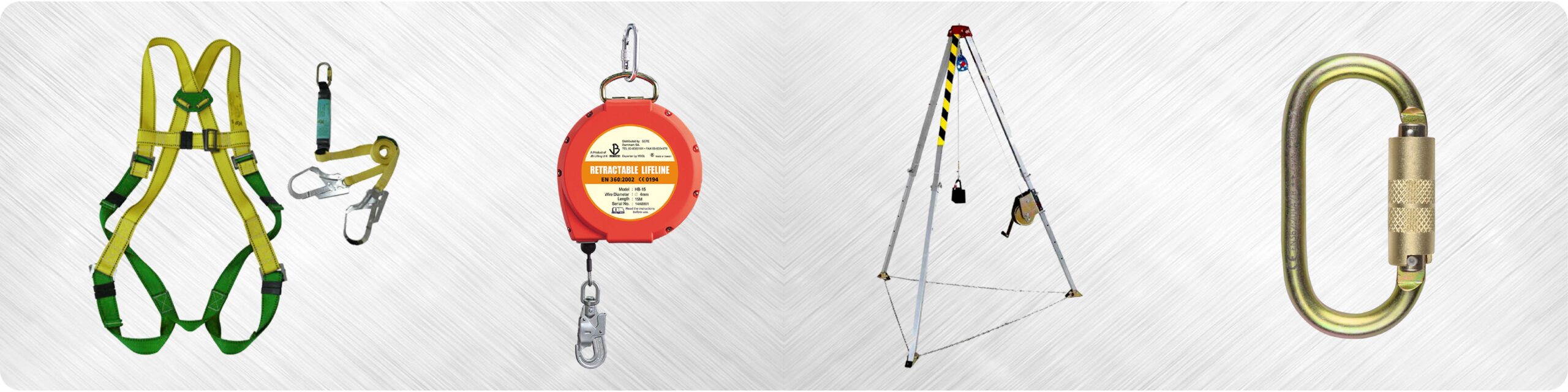
Guardrails are a fundamental fall protection measure for loading docks. Sturdy guardrails should be installed along all open edges to prevent workers from accidentally falling. Safety nets offer an additional layer of protection, capable of catching workers who may slip or lose their balance. Personal fall arrest systems (PFAS), including harnesses and lifelines, provide individual protection for workers who need to move freely within the loading dock area. We have seen these systems significantly reduce the risk of injury in various facilities around Dammam.
2. ✅ Mezzanines
The Hidden Dangers of Mezzanines
Mezzanines, often used for storage or office space, can present hidden dangers if proper safety measures are not in place. These elevated platforms may lack adequate fall protection, increasing the risk of falls from the edges or access points like ladders and stairs. Without proper handrails or safety gates, workers are vulnerable to serious injury. As a leader in workplace safety, we understand the importance of thorough risk assessment and mitigation.
Fall Protection Solutions for Mezzanines
Safety gates are essential at ladder access points to prevent accidental falls when workers are entering or exiting the mezzanine. These gates should be self-closing to ensure they are always in place. Handrails along the edges of the mezzanine provide a secure barrier, preventing workers from inadvertently stepping off. Clear warning signage should be posted to remind workers of the fall hazards and the importance of using safety equipment. We at SSTC always advise our clients to prioritize clear communication and visual reminders.
3. ✅ Aircraft Maintenance Hangers
Specific Hazards in Aircraft Maintenance
Aircraft maintenance hangers pose unique fall protection challenges due to the nature of the work. Technicians often work at significant heights around aircraft, performing inspections, repairs, and maintenance tasks. Slick surfaces caused by spilled fluids, such as hydraulic oil and fuel, further increase the risk of slips and falls. Ensuring worker safety in these environments requires specialized solutions and rigorous adherence to safety protocols.
Practical Safety Measures
Scissor lifts equipped with guardrails provide a safe and stable platform for workers to access high areas around aircraft. Designated walkways, clearly marked and maintained, help to keep workers away from hazardous areas and reduce the risk of trips and falls. Implementing these measures, combined with comprehensive training, can significantly enhance fall safety in aircraft maintenance hangers. For many of our clients here in Jubail, we’ve seen that a combination of the right equipment and training yields the best results.
4. ✅ Indoor Crane Systems
Risks associated with indoor cranes
Indoor crane systems, while essential for moving heavy materials, introduce significant fall risks. Maintenance work performed on the crane itself often requires technicians to work at considerable heights. Additionally, work performed on structures beneath the crane, such as assembling large components, can expose workers to fall hazards. These risks necessitate robust fall protection strategies to prevent accidents.
How to mitigate those risks
Regular inspections of crane systems are crucial to identify and address potential hazards before they lead to accidents. Safety harnesses and lifelines should be mandatory for all maintenance personnel working on or around cranes, providing a secure connection to anchor points. These measures, coupled with proper training and adherence to safety protocols, can significantly reduce the risk of falls. Our experience shows that proactive maintenance and safety measures are more effective than reactive solutions.
5. ✅ Elevated Walkways and Catwalks
The Importance of Walkway Safety
Elevated walkways and catwalks are commonly found in industrial facilities, providing access to equipment, storage areas, and other elevated locations. However, their height and often narrow width make them inherently hazardous. Falls from these walkways can result in serious injuries, emphasizing the need for effective fall protection measures.
Securing Elevated Walkways and Catwalks
Guardrails and handrails are essential for securing elevated walkways and catwalks. Sturdy guardrails should be installed along all open edges to prevent workers from falling. Handrails provide an additional point of support, especially useful in slippery conditions. Non-slip surfaces, such as textured coatings or mats, can significantly reduce the risk of slips and falls. Regular inspections are also crucial to identify and address any hazards, such as loose handrails or damaged flooring.
6. ✅ Temporary Staging Areas
Temporary Doesn’t Mean Less Safe
Temporary staging areas, often used for events, construction, or maintenance projects, are frequently overlooked when it comes to fall protection. Just because these areas are temporary does not mean they are less dangerous. Unstable platforms, unsecured edges, and inadequate fall protection can lead to serious accidents. It’s imperative to treat temporary staging areas with the same level of safety concern as permanent structures.
Ensuring Safety in Temporary Staging
Proper assembly and bracing are crucial for ensuring the stability of temporary staging areas. All components should be correctly installed and secured to prevent collapses. Temporary guardrails should be installed along all exposed edges to prevent falls. Adhering to load limits is also essential to prevent overloading and potential structural failure. At SSTC, we stress the importance of following manufacturer guidelines and conducting thorough inspections before using any temporary staging.
7. ✅ Open-Pit Mines and Quarries
Unique Risks of Open-Pit Environments
Open-pit mines and quarries present unique fall protection challenges due to the nature of the terrain and operations. Workers face the danger of working near steep drop-offs and unstable ground conditions. The constant movement of heavy machinery and materials further increases the risk of accidents. Comprehensive fall protection strategies are essential to mitigate these risks and protect workers.
Essential Fall Protection Steps
Terracing and benching are effective methods for creating stable slopes and reducing the risk of landslides and falls. Vehicle safety barriers, such as berms and guardrails, should be installed along roadways and work areas to prevent vehicles from falling into pits. Regular monitoring of ground conditions and implementation of appropriate safety measures are crucial for maintaining a safe working environment. We understand the critical need for site-specific safety plans in these demanding environments.
8. ✅ Silos and Storage Bins
The Hazards Within Silos and Bins
Silos and storage bins, used for storing bulk materials, can be dangerous due to confined spaces and heights. Workers may need to climb ladders or access platforms inside these structures to perform maintenance, inspections, or cleaning tasks. Falls from these elevated positions can result in serious injuries or even fatalities. Comprehensive fall protection measures are essential to protect workers inside silos and bins.
Protecting Workers Inside Silos and Bins
Ladder safety devices, such as ladder cages or vertical lifelines, can prevent falls from ladders inside silos and bins. Harnesses and lifelines should be mandatory for workers performing tasks at heights inside these structures. Confined space training is also crucial to address other hazards, such as oxygen deficiency and toxic gases. We at SSTC advocate for thorough training and the use of appropriate safety equipment in all confined space entries.
9. ✅ Water Treatment Plants
Fall Hazards around Water Treatment Facilities
Water treatment plants present various fall hazards due to the presence of water, chemicals, and elevated structures. Slick surfaces near tanks and reservoirs increase the risk of slips and falls. Open edges around treatment basins and elevated walkways pose additional fall hazards. Comprehensive fall protection measures are essential to ensure worker safety in these environments.
Solutions for Water Treatment Safety
Slip-resistant coatings can be applied to walkways and work surfaces to reduce the risk of slips and falls. Perimeter fencing should be installed around treatment basins and other hazardous areas to prevent accidental falls. Regular inspections and maintenance of safety equipment are crucial for maintaining a safe working environment. Our team has extensive experience in assessing and mitigating fall risks in water treatment facilities.
10. ✅ Amusement Park Rides (Maintenance)
Safety Concerns on Amusement Park Rides
Maintaining amusement park rides involves working at heights and in precarious positions. Technicians must access various parts of the ride structure to perform inspections, repairs, and maintenance tasks. The complex nature of these rides and the potential for unexpected movement create significant fall hazards. Comprehensive fall protection measures are essential to protect workers during ride maintenance.
Fall Protection Measures for Ride Maintenance
Harnesses and lanyards should be mandatory for all workers performing maintenance on amusement park rides. These devices secure workers to the ride structure, preventing falls. Safety nets can be installed below work areas to catch falling workers. Lockout/tagout procedures are crucial to prevent unexpected ride movement during maintenance. We emphasize the importance of rigorous safety protocols and comprehensive training for all amusement park ride maintenance personnel.
Top 3 Most Overlooked Fall Protection Places
1. Loading Docks
2. Temporary Staging Areas
3. Silos and Storage Bins
“Effective fall protection isn’t just about compliance; it’s about creating a culture of safety where every worker understands the risks and takes proactive steps to prevent falls.” – John Smith, Certified Safety Professional
Here’s a table summarizing the overlooked fall protection places and recommended solutions:
| Overlooked Fall Protection Place |
Primary Fall Hazard |
Recommended Solution |
| Loading Docks |
Open edges, truck wells |
Guardrails, safety nets, personal fall arrest systems |
| Mezzanines |
Elevated edges, ladder access |
Safety gates, handrails, warning signage |
| Aircraft Maintenance Hangers |
Working at heights, slick surfaces |
Scissor lifts with guardrails, designated walkways |
| Indoor Crane Systems |
Maintenance work at heights |
Regular inspections, safety harnesses and lifelines |
| Elevated Walkways and Catwalks |
Height, narrowness |
Guardrails and handrails, non-slip surfaces |
| Temporary Staging Areas |
Unstable platforms, unsecured edges |
Proper assembly and bracing, guardrails |
| Open-Pit Mines and Quarries |
Steep drop-offs, unstable ground |
Terracing and benching, vehicle safety barriers |
| Silos and Storage Bins |
Confined spaces, heights |
Ladder safety devices, harnesses and lifelines |
| Water Treatment Plants |
Slick surfaces, open edges |
Slip-resistant coatings, perimeter fencing |
| Amusement Park Rides (Maintenance) |
Working at heights, precarious positions |
Harnesses and lanyards, safety nets, lockout/tagout |
Conclusion
In conclusion, fall protection is not limited to obvious high-risk areas. Many unexpected places pose significant fall hazards that are often overlooked. It is crucial to assess workplaces thoroughly, identifying potential fall protection places and implementing comprehensive safety measures. By prioritizing fall prevention in all areas, organizations can create safer working environments and protect their employees from serious injuries. We believe that a proactive approach to safety is the most effective way to prevent accidents and ensure the well-being of workers.
FAQ Section
Q: What is the primary cause of falls in the workplace?
A: The primary causes of falls in the workplace are varied but often include slippery surfaces, unstable elevated work areas, lack of proper fall protection equipment, and inadequate training. Addressing these issues can significantly reduce the risk of fall-related injuries. Hazard identification is the first step.
Q: How often should fall protection equipment be inspected?
A: Fall protection equipment should be inspected before each use to ensure it is in good working condition. Regular inspections by a competent person should also be conducted at least every six months, or more frequently depending on the equipment and usage.
Q: What are the key components of a personal fall arrest system (PFAS)?
A: The key components of a PFAS include an anchorage point, a body harness, and a connecting device (such as a lanyard or lifeline). Each component must be compatible and properly rated for the intended use.
Q: What is the role of training in fall prevention?
A: Training is crucial for ensuring that workers understand fall hazards, know how to use fall protection equipment correctly, and are aware of safety procedures. Comprehensive training programs should cover hazard identification, equipment inspection, and emergency response. We at Safe and Secure Trading Company believe in investing in continuous training.
Q: How can employers create a culture of safety regarding fall protection?
A: Employers can create a culture of safety by prioritizing safety in all aspects of the workplace, providing adequate training and resources, encouraging open communication about safety concerns, and recognizing and rewarding safe behaviors. Leadership commitment and employee involvement are essential.
Q: What are some common types of fall protection equipment?
A: Common types of fall protection equipment include guardrails, safety nets, personal fall arrest systems (harnesses, lanyards, lifelines), ladder safety devices, and non-slip surfaces. The appropriate equipment will vary depending on the specific fall hazards present in the workplace.
Q: What regulations govern fall protection in the workplace?
A: Fall protection regulations vary depending on the industry and location. In many countries, these regulations are governed by organizations like OSHA (Occupational Safety and Health Administration) or similar agencies. Employers should be familiar with and comply with all applicable regulations. SSTC helps companies comply with international regulations and standards.
Q: What is the best way to assess fall hazards in a workplace?
A: The best way to assess fall hazards is to conduct a comprehensive risk assessment, which involves identifying potential fall hazards, evaluating the likelihood and severity of potential falls, and implementing appropriate control measures. A competent person should conduct the assessment, considering all aspects of the work environment.
Q: How does workplace safety relate to fall safety?
A: Workplace safety and fall safety are interconnected. A safe workplace inherently includes measures to prevent falls. Integrating fall prevention into overall workplace safety programs ensures a comprehensive approach to protecting workers from injuries and fatalities. Good housekeeping practices and maintaining a clean work environment are key elements of workplace safety.
Q: What are some of the long-term benefits of implementing fall protection measures?
A: The long-term benefits of implementing fall protection measures include reduced worker injuries and fatalities, decreased workers’ compensation costs, improved employee morale and productivity, and enhanced company reputation. Investing in fall protection is an investment in the well-being of employees and the success of the organization. Furthermore, adhering to fall prevention measures ensures compliance with workplace safety laws, reducing the risk of legal complications.
Q: Are there specific fall protection measures recommended for roof safety?
A: Yes, roof safety requires specific fall protection measures due to the increased risk of falls from heights. These measures include using guardrails, safety nets, personal fall arrest systems (PFAS), and designated safety monitors. Workers on roofs should also receive specialized training in roof safety procedures.
Q: What fall prevention strategies are effective for construction safety?
A: Effective fall prevention strategies for construction safety include using scaffolding with proper guardrails, implementing fall arrest systems for workers at heights, ensuring proper ladder safety, and conducting regular safety inspections. Additionally, comprehensive training programs on fall hazards and prevention techniques are essential.
Q: How important is ladder safety in preventing falls?
A: Ladder safety is critically important in preventing falls. Many workplace falls occur due to improper ladder use. Key ladder safety practices include selecting the right ladder for the job, ensuring the ladder is stable and properly secured, maintaining three points of contact while climbing, and not exceeding the ladder’s weight capacity.
Q: What role does safety equipment play in industrial safety?
A: Safety equipment is essential in industrial safety as it provides a physical barrier between workers and potential hazards. This includes personal protective equipment (PPE) such as hard hats, safety glasses, gloves, and fall protection gear like harnesses and lanyards. Regular inspection and maintenance of safety equipment are crucial to ensure its effectiveness.
Q: How does scaffolding safety contribute to overall fall prevention?
A: Scaffolding safety is a key component of fall prevention, particularly in construction and maintenance work. Proper erection, maintenance, and inspection of scaffolding are essential to prevent collapses and falls. Workers using scaffolding should be trained on its safe use and load limits.
Q: What fall protection considerations are necessary for elevated platforms?
A: Fall protection on elevated platforms requires guardrails, safety nets, or personal fall arrest systems (PFAS) to prevent falls from the edges. The platforms should be regularly inspected to ensure they are stable and free from hazards. Workers should also be trained on the proper use of the platform and the associated fall protection equipment.