It was a typical Monday morning at a bustling construction site in Riyadh. The sun beat down, and the air was thick with dust. Amidst the organized chaos, a worker named Ali was adjusting scaffolding when a loose plank shifted beneath him. For a terrifying moment, he lost his balance, dangling precariously several feet above the ground. Luckily, he was wearing a properly fitted fall arrest harness, which caught him just in time. The incident served as a stark reminder that fall protection isn’t just a set of rules—it’s a matter of life and death. Every measure, every piece of safety equipment, and every training session plays a critical role in preventing tragedies. A comprehensive fall protection checklist is not merely a regulatory requirement; it’s a moral imperative, ensuring that every worker returns home safely each day. As experts in workplace safety at Safe and Secure Trading Company, we champion proactive safety measures.
1. ✅ Conduct a Thorough Risk Assessment: Know Your Enemy
A thorough risk assessment is the cornerstone of any effective fall protection program. Without understanding the specific hazards present in a workplace, it’s impossible to implement adequate safety measures. This process involves a systematic evaluation of potential fall hazards, their severity, and the likelihood of an incident occurring. For our clients here in Jeddah, we always emphasize the importance of this step because it informs all subsequent safety measures.
Identify potential fall hazards: Unprotected edges, holes, slippery surfaces, etc.
The first step in conducting a risk assessment is identifying potential fall hazards. These can include unprotected edges on elevated surfaces, open holes in floors or roofs, slippery surfaces due to spills or weather conditions, unstable scaffolding, and improperly guarded machinery. Each construction safety site presents its own unique set of challenges, and a keen eye is needed to spot every possible risk.
Evaluate the severity and frequency of each hazard.
Once potential hazards are identified, it’s crucial to evaluate their severity and frequency. A hazard that could result in serious injury or death if a fall occurs should be given the highest priority. Similarly, a hazard that workers are frequently exposed to should be addressed promptly. This evaluation helps in prioritizing which hazards need immediate attention and which can be addressed in the short term. We’ve observed that many of our clients in the manufacturing sector find this evaluation particularly useful in prioritizing their safety equipment investments.
Document all findings and update the assessment regularly.
The final step in the risk assessment process is documenting all findings and updating the assessment regularly. This documentation serves as a reference point for implementing hazard prevention measures and tracking progress. Regular updates are essential because workplace conditions can change over time, introducing new hazards or altering the severity of existing ones. At Safe and Secure Trading Company, we recommend that our clients review and update their risk assessments at least annually, or more frequently if significant changes occur in the workplace.
Regular risk assessments are fundamental to safety because they provide a clear understanding of the hazards present in a workplace, allowing for targeted interventions to prevent falls. We recall one instance where a client in Dammam conducted a thorough risk assessment that revealed an unexpected fall hazard related to a temporary access point on a construction site. By identifying this hazard early, the company was able to implement engineering controls, such as installing guardrails, preventing a potential disaster.
2. 💡 Implement Engineering Controls: Build a Safer Environment
Engineering controls are physical changes to the workplace that eliminate or reduce fall hazards at the source. This approach is often more effective than relying solely on personal protective equipment (PPE) or administrative controls because it addresses the root cause of the hazard. Implementing effective engineering controls requires careful planning and a thorough understanding of the workplace environment. We’ve seen firsthand how these measures dramatically reduce the risk of falls.
Install guardrails, safety nets, and hole covers.
One of the most common and effective engineering controls is the installation of guardrails along unprotected edges of elevated surfaces. Guardrails provide a physical barrier that prevents workers from accidentally falling. Safety nets can be installed below elevated workplaces to catch workers in the event of a fall. Hole covers are used to cover openings in floors or roofs, preventing workers from stepping into them accidentally. For many of our clients here in Dammam, we’ve seen that these simple measures significantly reduce the risk of falls.
Use scaffolding and aerial lifts properly.
Scaffolding and aerial lifts are commonly used in construction safety and maintenance activities to provide access to elevated workplaces. However, these platforms can also be a source of fall hazards if not used properly. It’s crucial to ensure that scaffolding is erected and maintained according to manufacturer’s instructions and relevant safety regulations. Aerial lifts should be operated only by trained personnel who are familiar with the equipment’s limitations and safety features.
Ensure walking and working surfaces are stable and clear.
Unstable or cluttered walking and working surfaces can increase the risk of falls. It’s important to ensure that all surfaces are structurally sound and free from debris, spills, and other obstructions. Regular inspections and housekeeping practices can help maintain safe walking and working surfaces. Our team always emphasizes this to our clients, and they consistently report fewer incidents.
Real-world examples of engineering controls preventing falls are abundant. On a recent construction project in Jubail, the project team implemented a comprehensive set of engineering controls, including guardrails, safety nets, and hole covers. As a result, the project experienced zero fall-related incidents, demonstrating the effectiveness of these measures. These proactive safety regulations create a safer workplace.
3. ➡️ Personal Protective Equipment (PPE): Your Last Line of Defense
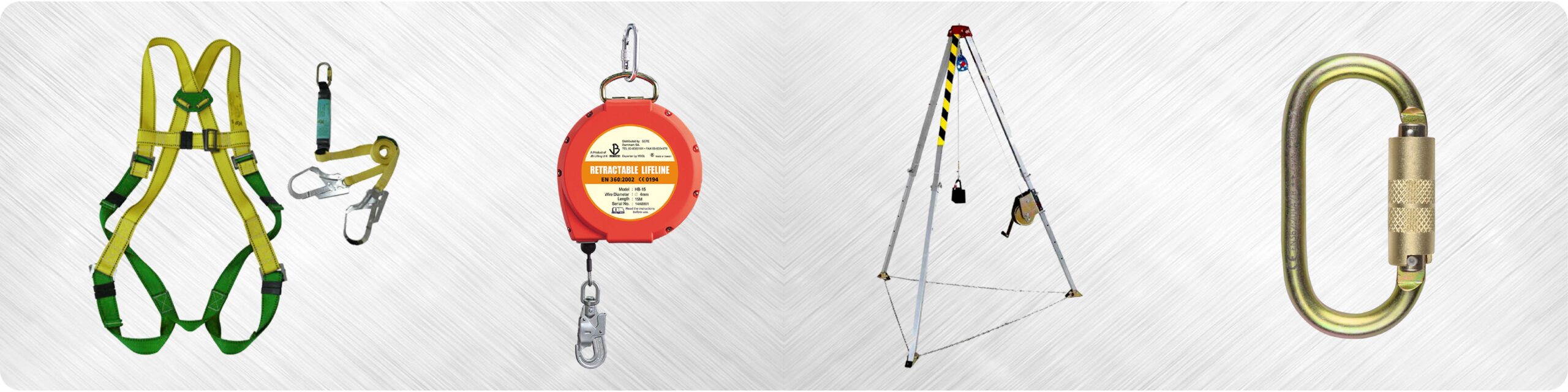
Personal protective equipment (PPE) serves as the last line of defense against fall hazards when engineering and administrative controls are not sufficient to eliminate the risk completely. PPE typically includes fall arrest harnesses, lanyards, and other specialized equipment designed to protect workers in the event of a fall. It’s essential that PPE is properly selected, used, and maintained to ensure its effectiveness. We consider this one of the most crucial elements of construction safety.
Provide appropriate fall arrest harnesses and lanyards.
Fall arrest harnesses and lanyards are designed to arrest a worker’s fall and minimize the impact forces on their body. It’s crucial to provide workers with harnesses and lanyards that are appropriate for the specific hazards they face. For example, workers who are exposed to electrical hazards should use harnesses and lanyards made from non-conductive materials.
Inspect PPE regularly for damage.
PPE should be inspected regularly for damage, wear, and tear. Any damaged or defective equipment should be removed from service immediately and replaced. Inspections should be conducted by trained personnel who are familiar with the equipment’s inspection criteria. This is a critical aspect of safety inspection protocols.
Ensure proper fit and training on PPE usage.
PPE is only effective if it fits properly and is used correctly. Workers should be trained on how to properly don and doff their harnesses, adjust the straps for a secure fit, and inspect the equipment for damage. Regular refresher training is essential to ensure that workers retain this knowledge and continue to use PPE properly. Training sessions are vital for mitigating construction safety risks.
“PPE is essential, but it’s only effective when properly used and maintained. Training is key!” – John Doe, Safety Engineer
4. 🪜 Safe Ladder Practices: Climbing with Confidence
Ladders are a common tool in many workplaces, but they can also be a source of fall hazards if not used properly. Following safe ladder practices is essential to prevent falls and injuries. This includes selecting the right ladder for the job, maintaining three points of contact, and avoiding overreaching or carrying heavy loads while on a ladder. We make sure that our clients in the warehousing sector are acutely aware of ladder safety.
Select the right ladder for the job.
Choosing the right ladder for the job is crucial for safety. Factors to consider include the height of the workplace, the weight capacity of the ladder, and the type of surface the ladder will be placed on. Using a ladder that is too short or too weak can increase the risk of falls.
Maintain three points of contact.
When climbing or descending a ladder, it’s important to maintain three points of contact at all times. This means having two hands and one foot, or two feet and one hand, in contact with the ladder. Maintaining three points of contact helps to stabilize the ladder and prevent falls.
Never overreach or carry heavy loads while on a ladder.
Overreaching or carrying heavy loads while on a ladder can shift the ladder’s center of gravity and increase the risk of falls. It’s important to avoid these activities and instead reposition the ladder as needed or use a different method to access the workplace. Personal protective equipment is useless if proper procedures aren’t followed.
Over 20% of workplace injuries are related to ladder falls. This statistic underscores the importance of adhering to safe ladder practices to prevent falls and injuries. Safe and Secure Trading Company can provide all the safety materials you need.
5. 🚧 Guardrail Systems: Creating a Protective Barrier
Guardrail systems are a crucial component of fall protection, providing a physical barrier that prevents workers from falling from elevated surfaces. These systems are commonly used on construction sites, rooftops, and other workplaces where fall hazards exist. Ensuring that guardrail systems meet height and strength requirements, are regularly inspected for damage, and include toe boards is essential for their effectiveness.
Ensure guardrails meet height and strength requirements.
Guardrails must meet specific height and strength requirements to provide adequate fall protection. Safety regulations typically specify the minimum height of guardrails and the amount of weight they must be able to withstand. It’s important to ensure that guardrails meet these requirements to prevent workers from falling over or through them.
Inspect guardrails for damage and stability.
Guardrails should be inspected regularly for damage and stability. Damaged or unstable guardrails can compromise their effectiveness and increase the risk of falls. Inspections should be conducted by trained personnel who are familiar with the inspection criteria. This falls under safety inspection standards.
Use toe boards to prevent tools and materials from falling.
Toe boards are installed at the base of guardrails to prevent tools and materials from falling onto workers below. Toe boards should be securely attached to the guardrails and be of sufficient height to contain the potential falling objects. These small precautions can drastically improve workplace safety.
A correctly installed guardrail system prevented a serious accident on a construction site in Yanbu. A worker accidentally tripped near the edge of an elevated platform, but the guardrail stopped him from falling, preventing a potentially life-threatening injury. This example highlights the importance of using proper safety equipment.
6. 🌐 Hole Covers: Eliminating Unexpected Drops
Hole covers are used to cover openings in floors, roofs, and other surfaces, preventing workers from accidentally stepping into them. These covers are essential for eliminating unexpected drop hazards and reducing the risk of falls. Covering all holes immediately with secure covers, clearly marking them as “Hole – Do Not Remove,” and ensuring they can withstand the weight of workers and equipment are crucial for their effectiveness.
Cover all holes immediately with secure covers.
Any holes in floors, roofs, or other surfaces should be covered immediately with secure covers. Leaving holes uncovered creates a significant fall hazard that can result in serious injuries or even death. Immediate action is essential to protect workers.
Clearly mark hole covers as “Hole – Do Not Remove.”
Hole covers should be clearly marked with a warning label, such as “Hole – Do Not Remove.” This helps to prevent workers from accidentally removing the covers and creating a fall hazard. Clear markings are essential for effective hazard prevention.
Ensure covers can withstand the weight of workers and equipment.
Hole covers must be strong enough to withstand the weight of workers and equipment that may pass over them. Using covers that are too weak can result in them breaking or collapsing, creating a fall hazard. The weight capacity of the covers should be clearly marked, and workers should be trained to avoid placing excessive weight on them.
7. 🛡️ Safety Net Systems: A Soft Landing When Needed
Safety net systems provide a soft landing for workers in the event of a fall, reducing the risk of serious injuries. These systems are commonly used in construction safety, bridge building, and other activities where workers are exposed to significant fall hazards. Installing safety nets in accordance with manufacturer’s instructions, inspecting them regularly for damage, and ensuring adequate clearance below the net are crucial for their effectiveness.
Install safety nets in accordance with manufacturer’s instructions.
Safety nets should be installed in accordance with the manufacturer’s instructions to ensure they function properly in the event of a fall. Improper installation can compromise the effectiveness of the nets and increase the risk of injuries. Correct installation is paramount for ensuring optimal fall protection.
Inspect nets regularly for damage and proper tension.
Safety nets should be inspected regularly for damage, such as tears, rips, and corrosion. The nets should also be inspected for proper tension to ensure they can effectively catch a falling worker. Damaged or improperly tensioned nets should be repaired or replaced immediately.
Ensure adequate clearance below the net.
Adequate clearance should be maintained below the safety net to prevent a falling worker from striking the ground or other objects. The amount of clearance required depends on the height of the workplace and the type of net being used. Proper clearance is essential for minimizing the risk of injuries in the event of a fall.
Regular inspection and maintenance of safety nets are of utmost importance. Neglecting these tasks can lead to undetected damage, which could render the nets ineffective when they are needed most. We at Safe and Secure Trading Company stress the importance of this.
8. 훈련의 중요성: Know Your Environment
Providing comprehensive fall protection training to all employees is essential for preventing falls and injuries. Training should cover hazard identification, PPE usage, and safe work practices. Regular refresher training is also necessary to ensure that workers retain this knowledge and continue to follow safe procedures. We always tell our clients that this is the most important step.
Provide comprehensive fall protection training to all employees.
All employees who may be exposed to fall hazards should receive comprehensive fall protection training. This training should cover the specific hazards present in the workplace, the proper use of PPE, and safe work practices for preventing falls. Training should be tailored to the specific tasks and environments that workers will be encountering.
Cover hazard identification, PPE usage, and safe work practices.
Training should cover how to identify potential fall hazards, such as unprotected edges, holes, and slippery surfaces. Workers should also be trained on how to properly use PPE, including fall arrest harnesses, lanyards, and safety nets. Finally, training should cover safe work practices, such as maintaining three points of contact when climbing ladders and avoiding overreaching.
Conduct regular refresher training.
Regular refresher training is essential to ensure that workers retain their knowledge of fall protection procedures and continue to follow safe work practices. Refresher training should be conducted at least annually, or more frequently if significant changes occur in the workplace.
A success story of a company that dramatically reduced fall incidents through enhanced training comes from a client in Al-Khobar. By implementing a comprehensive fall protection training program that covered all aspects of hazard prevention and safe work practices, the company saw a significant decrease in fall-related injuries and incidents. This highlights the importance of prioritizing training and investing in employee workplace safety.
9. 📜 Develop and Enforce a Fall Protection Plan: Your Blueprint for Safety
Developing and enforcing a fall protection plan is essential for ensuring consistent and effective fall protection in the workplace. This plan should outline specific fall protection procedures, assign responsibilities for implementation and enforcement, and be regularly reviewed and updated. A comprehensive plan serves as a blueprint for workplace safety.
Outline specific fall protection procedures.
The fall protection plan should outline specific procedures for preventing falls in different areas of the workplace. These procedures should cover all potential fall hazards and specify the control measures to be used. Clear and concise procedures are essential for ensuring that workers understand and follow the plan.
Assign responsibilities for implementation and enforcement.
The fall protection plan should assign specific responsibilities for implementing and enforcing the plan. This includes designating individuals who are responsible for conducting risk assessments, inspecting equipment, providing training, and ensuring that workers follow safe work practices. Clear assignment of responsibilities is essential for accountability and effective fall protection.
Regularly review and update the plan.
The fall protection plan should be reviewed and updated regularly to ensure that it remains relevant and effective. Changes in the workplace, new safety regulations, and lessons learned from past incidents should be incorporated into the plan. Regular review and updates are essential for continuous improvement of fall protection efforts.
A comprehensive fall protection plan should include a description of the workplace, identification of fall hazards, procedures for minimizing or eliminating those hazards, training requirements, equipment specifications, inspection protocols, and emergency response procedures. We can help you with these requirements.
10. 🔎 Regular Inspections and Maintenance: Staying Vigilant
Regular inspections and maintenance of all fall protection equipment and systems are crucial for ensuring their continued effectiveness. This includes routine inspections of harnesses, lanyards, safety nets, guardrails, and other equipment, as well as prompt repair or replacement of damaged equipment. Documenting all inspections and maintenance activities is also essential for tracking compliance and identifying potential problems. A proactive approach to maintenance is crucial for workplace safety.
Conduct routine inspections of all fall protection equipment and systems.
Routine inspections should be conducted on all fall protection equipment and systems to identify any signs of damage, wear, or malfunction. Inspections should be conducted by trained personnel who are familiar with the equipment’s inspection criteria. Regular inspections help to identify potential problems before they can lead to accidents.
Repair or replace damaged equipment immediately.
Any damaged or defective fall protection equipment should be repaired or replaced immediately. Using damaged equipment can compromise its effectiveness and increase the risk of falls. Prompt action is essential to ensure that workers are adequately protected.
Document all inspections and maintenance activities.
All inspections and maintenance activities should be documented, including the date of the inspection, the name of the inspector, the condition of the equipment, and any repairs or replacements that were made. This documentation serves as a record of compliance and can be used to track the effectiveness of the fall protection program.
Documentation is vital for legal and safety regulations purposes. Proper records demonstrate a commitment to workplace safety and can be invaluable in the event of an incident or audit. We ensure that our clients understand these requirements.
Conclusion: Prioritizing Safety, Protecting Lives
This fall protection checklist underscores the importance of proactive measures in preventing falls and protecting lives in the workplace. Conducting thorough risk assessments, implementing engineering controls, providing appropriate PPE, following safe ladder practices, and maintaining all fall protection equipment are all essential steps. Remember that a comprehensive fall protection plan is not just a regulatory requirement but a moral obligation. By prioritizing safety and taking proactive steps to prevent falls, we can create a safer and more secure workplace for everyone.
We at Safe and Secure Trading Company are dedicated to providing the resources and expertise you need to ensure a safe working environment.
FAQ Section
Q: How often should a risk assessment be conducted?
A: A risk assessment should be conducted at least annually, or more frequently if there are significant changes in the workplace or if new hazards are identified. It’s also a good practice to review the risk assessment after any fall-related incident to identify potential areas for improvement.
Q: What type of training should be provided to employees regarding fall protection?
A: Employees should receive comprehensive training that covers hazard prevention, proper use of PPE, and safe work practices. Training should be tailored to the specific tasks and environments that workers will be encountering and should be conducted by qualified trainers.
Q: How often should fall protection equipment be inspected?
A: Fall protection equipment should be inspected before each use to ensure that it is in good working condition. Formal inspections should also be conducted at least every six months by a competent person. Any damaged or defective equipment should be removed from service immediately.
Q: What are some common engineering controls for preventing falls?
A: Common engineering controls include guardrails, safety nets, hole covers, and slip-resistant surfaces. These controls are designed to eliminate or reduce fall hazards at the source.
Q: What should be included in a comprehensive fall protection plan?
A: A comprehensive fall protection plan should include a description of the workplace, identification of fall hazards, procedures for minimizing or eliminating those hazards, training requirements, equipment specifications, inspection protocols, and emergency response procedures.
Q: Why is documentation important for fall protection efforts?
A: Documentation is important for tracking compliance with safety regulations, identifying potential problems, and demonstrating a commitment to workplace safety. Proper records can also be invaluable in the event of an incident or audit.
Q: What are the key elements of safe ladder practices?
A: Key elements of safe ladder practices include selecting the right ladder for the job, maintaining three points of contact, avoiding overreaching, and ensuring that the ladder is placed on a stable surface.
Q: How can safety nets help prevent injuries from falls?
A: Safety nets provide a soft landing for workers in the event of a fall, reducing the risk of serious injuries. To be effective, safety nets must be properly installed, inspected regularly, and maintained with adequate clearance below the net.
Q: What is the role of PPE in fall protection?
A: PPE, such as fall arrest harnesses and lanyards, serves as the last line of defense against fall hazards when engineering and administrative controls are not sufficient to eliminate the risk completely. PPE must be properly selected, used, and maintained to ensure its effectiveness.
Q: How can a company measure the effectiveness of its fall protection program?
A: A company can measure the effectiveness of its fall protection program by tracking the number of fall-related incidents, conducting regular audits, and soliciting feedback from employees. These measures can help identify areas for improvement and ensure that the program is meeting its objectives.