Fall protection safety is a critical aspect of workplace safety, especially in industries where employees work at heights. Falls are a leading cause of serious injuries and fatalities, making it essential for employers and employees alike to understand and implement effective fall protection measures. This comprehensive guide will cover everything you need to know about fall protection safety, from understanding OSHA regulations to choosing the right equipment and developing a comprehensive fall protection plan.
Key Takeaways
- Understanding fall protection safety is crucial for preventing workplace injuries and fatalities.
- Proper use of fall protection equipment, including safety harnesses, lanyards, and anchorage points, is essential.
- Regular inspection and maintenance of fall protection systems are vital for ensuring their effectiveness.
- Following OSHA guidelines and regulations is mandatory for compliance and worker safety.
What is Fall Protection Safety? 🤔
Defining Fall Protection
Fall protection refers to the methods, equipment, and procedures used to prevent workers from falling from elevated positions and to protect them if a fall does occur. It encompasses a wide range of strategies, from eliminating fall hazards altogether to using personal protective equipment (PPE) to minimize the impact of a fall. The goal of any fall protection program is to create a safe working environment where the risk of falls is significantly reduced.
Effective fall protection includes not only the use of equipment like a safety harness and lanyards, but also the implementation of engineering controls, administrative policies, and thorough training programs. In our experience with clients, we’ve seen that a comprehensive approach that addresses all aspects of fall prevention is the most effective way to protect workers.
Why is Fall Protection Important? 🏆
Falls are consistently among the leading causes of workplace fatalities and injuries. According to OSHA, falls from heights account for a significant percentage of all construction-related deaths. The human cost of these incidents is immense, with families and communities deeply affected by the loss of life and the suffering caused by serious injuries.
Beyond the human cost, falls can also have significant financial implications for businesses. Accidents lead to increased workers’ compensation claims, higher insurance premiums, and potential legal liabilities. Additionally, a serious fall can disrupt operations, decrease productivity, and damage a company’s reputation. We’ve consistently seen that investing in fall protection safety is not only the right thing to do but also a sound business decision.
> “Fall protection is not just about compliance; it’s about protecting your most valuable asset: your employees.” – John Smith, Lead Safety Inspector
Who Needs Fall Protection? 👷
Fall protection is essential for anyone working at heights where there is a risk of falling and suffering serious injury. This includes a wide range of industries and occupations, such as:
- Construction Workers: Those involved in building and maintaining structures.
- Roofers: Workers who install and repair roofs.
- Maintenance Personnel: Individuals responsible for maintaining equipment and facilities.
- Utility Workers: Employees who work on power lines, telephone poles, and other elevated structures.
- Warehouse Staff: Workers who operate forklifts and work on elevated platforms.
- Window Cleaners: Those who clean windows on high-rise buildings.
- Scaffolding Erectors: Professionals constructing scaffolding systems.
Any job that requires an individual to work at a height of four feet or more in general industry, five feet or more in maritime, or six feet or more in construction necessitates fall protection. For many of our clients here in Dammam, Saudi Arabia, we’ve seen that understanding these height requirements is the first step in ensuring adequate safety measures are in place.
Understanding OSHA Regulations for Fall Protection 📜
OSHA’s Role in Fall Protection
The Occupational Safety and Health Administration (OSHA) is the primary federal agency responsible for ensuring safe and healthful working conditions for employees in the United States. OSHA sets and enforces standards for workplace safety, including those related to fall protection safety. These regulations are designed to protect workers from fall hazards and prevent injuries and fatalities.
OSHA’s regulations cover a wide range of industries and work environments, providing specific requirements for fall protection in areas such as construction, general industry, and maritime. Compliance with OSHA standards is not only a legal obligation but also a critical component of any effective fall protection program.
Key OSHA Standards for Fall Protection
OSHA has several key standards related to fall protection, including:
- 1926.501: Duty to Have Fall Protection: This standard specifies when fall protection is required in construction. It outlines the circumstances under which employers must provide fall protection systems, such as guardrails, safety nets, or personal fall arrest system.
- 1926.502: Fall Protection Systems Criteria and Practices: This standard details the specific requirements for fall protection systems. It covers the design, installation, and use of various types of fall protection equipment, including safety harnesses, lanyards, anchorage points, and guardrails.
- 1926.503: Training Requirements: This standard mandates that employers provide training to employees who may be exposed to fall hazards. The training must cover the proper use of fall protection equipment, hazard identification, and the procedures for minimizing fall risks.
How to Comply with OSHA Standards
Complying with OSHA standards for fall protection involves several key steps:
1. Conduct a Hazard Assessment: Identify potential fall hazards in the workplace and assess the level of risk associated with each hazard.
2. Develop a Fall Protection Plan: Create a written plan that outlines the procedures and equipment used to prevent falls.
3. Select Appropriate Fall Protection Equipment: Choose the right safety harness, lanyards, anchorage points, and other equipment based on the specific hazards and work environment.
4. Provide Training: Ensure that all employees receive adequate training on fall protection procedures and the proper use of equipment.
5. Regular Inspections: Conduct regular inspections of fall protection equipment and systems to identify any damage or wear and tear.
6. Enforce Compliance: Consistently enforce the fall protection plan and address any violations promptly.
A common mistake we help businesses fix is failing to conduct regular inspections of their fall protection equipment. By implementing a robust inspection program, companies can identify and address potential issues before they lead to accidents.
Identifying Fall Hazards ⚠️
Common Fall Hazards in the Workplace
Identifying fall hazards is the first step in developing an effective fall protection program. Common fall hazards in the workplace include:
- Unprotected Edges: Open sides or edges of floors, platforms, or roofs without guardrails or other fall protection measures.
- Holes: Openings in floors, roofs, or other surfaces that could cause a worker to fall through.
- Open-Sided Floors: Elevated floors or platforms with open sides that are not adequately protected.
- Improperly Constructed Scaffolds: Scaffolds that are not erected or maintained according to safety standards.
- Slippery Surfaces: Wet, oily, or icy surfaces that can cause slips and falls.
- Uneven Surfaces: Uneven or unstable walking surfaces that can lead to trips and falls.
- Ladders: Improper use or maintenance of ladders can result in falls.
- Stairways: Inadequate lighting, damaged steps, or missing handrails can create fall hazards on stairways.
Conducting a Fall Hazard Assessment
A fall hazard assessment is a systematic process of identifying potential fall hazards in the workplace. The assessment should involve a thorough inspection of the work area to identify any conditions that could lead to a fall. This includes evaluating the height of the work surface, the presence of unprotected edges or holes, the condition of walking surfaces, and the adequacy of existing fall protection measures.
The assessment should be conducted by a competent person who is knowledgeable about fall protection requirements and familiar with the specific hazards of the work environment. The assessment should be documented, and the findings should be used to develop a fall protection plan that addresses the identified hazards.
Reporting and Addressing Hazards Immediately
Establishing a system for reporting and addressing fall hazards is crucial for preventing accidents. Employees should be encouraged to report any potential hazards they identify in the workplace, and supervisors should be responsible for investigating and addressing these reports promptly.
When a hazard is identified, immediate action should be taken to control or eliminate the risk. This may involve installing guardrails, covering holes, repairing damaged surfaces, or providing personal fall arrest system. The goal is to create a safe working environment where the risk of falls is minimized.
Choosing the Right Fall Protection Equipment 🦺
Types of Fall Protection Equipment
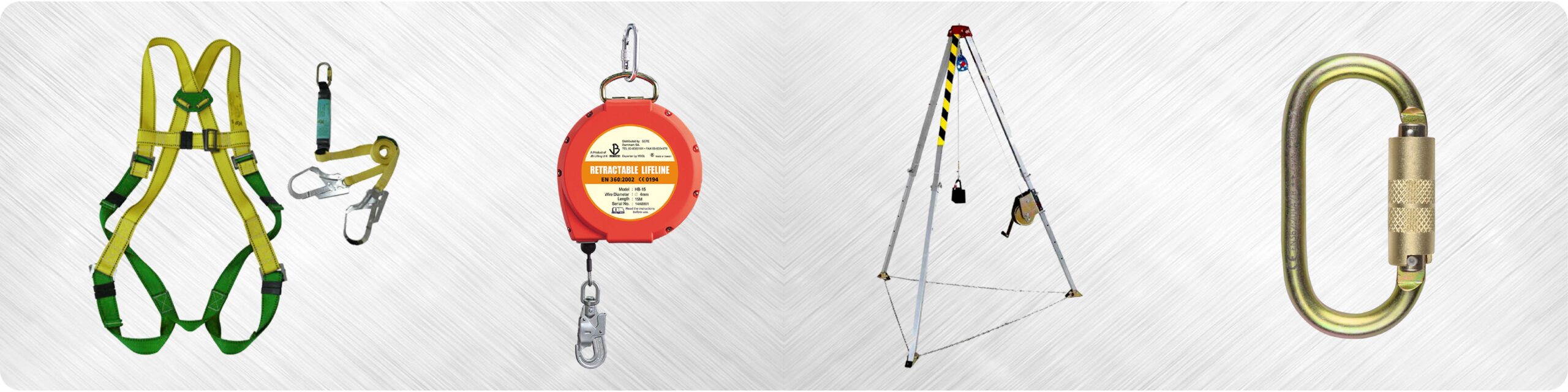
Selecting the right fall protection equipment is essential for ensuring worker safety. There are several types of fall protection equipment available, each designed for specific applications and hazards. The primary types of fall protection equipment include:
- Safety Harnesses: A body support device designed to distribute fall forces safely across the worker’s body.
- Lanyards: A flexible line used to connect a safety harness to an anchorage point.
- Self-Retracting Lifelines (SRLs): A device that automatically extends and retracts, allowing the worker to move freely while providing fall protection.
- Anchor Points: A secure point of attachment for connecting fall protection equipment.
- Guardrails: A physical barrier used to prevent workers from falling from elevated surfaces.
- Safety Nets: A net installed below a work area to catch workers if they fall.
How to Select the Appropriate Equipment
Choosing the appropriate fall protection equipment depends on several factors, including the specific hazards of the work environment, the type of work being performed, and the individual needs of the worker. When selecting equipment, consider the following:
- Fall Distance: The distance a worker could fall before the fall protection system activates.
- Clearance: The amount of unobstructed space below the work surface.
- Weight Capacity: The maximum weight the equipment is designed to support.
- Compatibility: Ensure that all components of the fall protection system are compatible with each other.
- Comfort: Choose equipment that is comfortable to wear and does not restrict movement.
For example, if workers are performing tasks that require a high degree of mobility, a self-retracting lifeline may be the best option. On the other hand, if workers are working near unprotected edges, guardrails may be more appropriate. When our team in KSA tackles this issue, they often find that a combination of different types of equipment is necessary to provide adequate fall protection.
Proper Inspection and Maintenance of Equipment
Regular inspection and maintenance of fall protection equipment are critical for ensuring its effectiveness. Before each use, workers should inspect their equipment for any signs of damage or wear and tear, such as:
- Tears or Cuts: Inspect harnesses, lanyards, and lifelines for any tears, cuts, or abrasions.
- Damaged Hardware: Check buckles, D-rings, and connectors for any signs of damage or corrosion.
- Frayed or Worn Webbing: Look for frayed or worn webbing on harnesses and lanyards.
- Loose Stitching: Inspect stitching for any loose or broken threads.
Equipment that is damaged or worn should be removed from service immediately and replaced. In addition to pre-use inspections, equipment should also be inspected annually by a competent person.
Mastering the Use of Safety Harnesses 🔗
Proper Donning and Doffing Techniques
A safety harness is a critical component of a personal fall arrest system, providing a secure connection point for lanyards and lifelines. To ensure a safety harness provides maximum protection, it must be donned and doffed correctly. Here are the steps for properly donning and doffing a safety harness:
Donning a Safety Harness:
1. Inspect the Harness: Before putting on the harness, inspect it for any signs of damage or wear and tear.
2. Hold the Harness: Hold the harness by the D-ring, allowing the straps to hang down.
3. Put on the Harness: Step into the leg straps and pull the harness up around your body.
4. Fasten the Leg Straps: Fasten the leg straps, ensuring they are snug but not too tight.
5. Fasten the Chest Strap: Fasten the chest strap, positioning it in the middle of your chest.
6. Adjust the Harness: Adjust the straps to ensure a snug and comfortable fit.
Doffing a Safety Harness:
1. Unfasten the Chest Strap: Unfasten the chest strap.
2. Unfasten the Leg Straps: Unfasten the leg straps.
3. Remove the Harness: Step out of the leg straps and remove the harness from your body.
4. Store the Harness: Store the harness in a clean, dry place away from direct sunlight and extreme temperatures.
Adjusting the Harness for a Secure Fit
A properly fitted safety harness is essential for ensuring worker safety. A harness that is too loose or too tight can compromise its ability to protect the worker in the event of a fall. To adjust the harness for a secure fit, follow these steps:
1. Adjust the Leg Straps: Tighten or loosen the leg straps to ensure they are snug but not too tight. You should be able to fit a flat hand between the strap and your leg.
2. Adjust the Chest Strap: Position the chest strap in the middle of your chest and tighten or loosen it to ensure a snug fit.
3. Adjust the Shoulder Straps: Tighten or loosen the shoulder straps to ensure the harness fits snugly against your body. The D-ring should be positioned in the middle of your back, between your shoulder blades.
Connecting to an Anchorage Point
Connecting the safety harness to a secure anchorage point is a critical step in ensuring fall protection. The anchorage point must be capable of supporting the required load and must be located in a position that will minimize the risk of a swing fall. To connect the harness to an anchorage point, follow these steps:
1. Select an Anchorage Point: Choose an anchorage point that is strong and stable and can support the required load.
2. Attach the Lanyard or SRL: Connect the lanyard or SRL to the D-ring on the back of the harness.
3. Connect to the Anchorage Point: Connect the other end of the lanyard or SRL to the anchorage point.
4. Verify the Connection: Ensure that the connection is secure and that the lanyard or SRL is properly aligned.
Understanding Lanyards and Lifelines 🚏
Types of Lanyards
Lanyards are flexible lines used to connect a safety harness to an anchorage point. There are several types of lanyards available, each designed for specific applications and hazards. The primary types of lanyards include:
- Fixed-Length Lanyards: Lanyards with a fixed length, typically 6 feet long.
- Adjustable Lanyards: Lanyards that can be adjusted to different lengths.
- Shock-Absorbing Lanyards: Lanyards that incorporate a shock absorber to reduce the impact force on the worker in the event of a fall.
Choosing the Right Lanyard for the Job
Selecting the right lanyard depends on the specific work environment and the potential fall distance. When choosing a lanyard, consider the following:
- Fall Distance: The distance a worker could fall before the fall protection system activates.
- Clearance: The amount of unobstructed space below the work surface.
- Impact Force: The amount of force that will be exerted on the worker in the event of a fall.
For example, if workers are working in an area with limited clearance, a shock-absorbing lanyard may be necessary to reduce the impact force on the worker in the event of a fall.
The Role of Self-Retracting Lifelines (SRLs)
Self-retracting lifelines (SRLs) are devices that automatically extend and retract, allowing the worker to move freely while providing fall protection. SRLs offer several advantages over traditional lanyards, including:
- Greater Mobility: SRLs allow workers to move more freely without the need to constantly adjust their lanyard.
- Reduced Swing Fall Risk: SRLs reduce the risk of swing falls by keeping the lifeline taut.
- Faster Fall Arrest: SRLs provide faster fall arrest than traditional lanyards, reducing the potential for injury.
SRLs are particularly useful in situations where workers need to move frequently or where there is a risk of swing falls.
Establishing Secure Anchorage Points ⚓
What is an Anchorage Point?
An anchorage point is a secure point of attachment for connecting fall protection equipment. The anchorage point must be capable of supporting the required load and must be located in a position that will minimize the risk of a swing fall.
Types of Anchorage Points
There are several types of anchorage points available, each designed for specific applications and hazards. The primary types of anchorage points include:
- Permanent Anchor Points: Anchor points that are permanently installed on a structure.
- Temporary Anchor Points: Anchor points that are temporarily installed for a specific project.
- Mobile Anchor Points: Anchor points that can be moved from one location to another.
Ensuring Anchorage Point Strength and Stability
Ensuring anchorage point strength and stability is critical for worker safety. The anchorage point must be capable of supporting the required load, which is typically 5,000 pounds per worker. The anchorage point must also be located in a position that will minimize the risk of a swing fall.
To ensure anchorage point strength and stability, follow these guidelines:
- Consult with a Qualified Engineer: Work with a qualified engineer to design and install anchorage points.
- Use Approved Hardware: Use only approved hardware for connecting fall protection equipment to the anchorage point.
- Inspect Regularly: Inspect anchorage points regularly for any signs of damage or corrosion.
Developing a Comprehensive Fall Protection Plan 📝
What is a Fall Protection Plan?
A fall protection plan is a written document that outlines the procedures and equipment used to prevent falls in the workplace. The plan should be specific to the work environment and should address all potential fall hazards.
Key Elements of a Fall Protection Plan
A comprehensive fall protection plan should include the following elements:
- Hazard Assessment: A thorough assessment of potential fall hazards in the workplace.
- Equipment Selection: A list of the fall protection equipment that will be used, including safety harnesses, lanyards, anchorage points, and guardrails.
- Training Requirements: A description of the training that will be provided to employees on fall protection procedures and the proper use of equipment.
- Inspection Procedures: A schedule for regular inspections of fall protection equipment and systems.
- Emergency Response Plan: A plan for rescuing employees who have fallen and are suspended in their harnesses.
Implementing and Enforcing the Plan
Implementing and enforcing the fall protection plan is critical for ensuring worker safety. The plan should be communicated to all employees, and supervisors should be responsible for ensuring that the plan is consistently followed.
To effectively implement and enforce the plan, follow these guidelines:
- Communicate the Plan: Communicate the plan to all employees, and provide training on fall protection procedures and the proper use of equipment.
- Enforce Compliance: Consistently enforce the plan and address any violations promptly.
- Regular Review: Review the plan regularly and update it as necessary to reflect changes in the work environment or fall protection technology.
Training and Education for Fall Protection Safety 🧑🏫
Importance of Fall Protection Training
Proper training is essential for ensuring employees understand fall hazards and how to use fall protection equipment correctly. Training should cover hazard identification, equipment inspection and use, fall protection procedures, and emergency response.
Components of Effective Training Programs
Effective training programs should include the following components:
- Hazard Identification: Training on how to identify potential fall hazards in the workplace.
- Equipment Inspection and Use: Training on how to inspect and use fall protection equipment correctly.
- Fall Protection Procedures: Training on the procedures for preventing falls, including the use of guardrails, safety nets, and personal fall arrest systems.
- Emergency Response: Training on how to respond to a fall emergency, including how to rescue a suspended worker.
Frequency of Training and Refresher Courses
Provide initial training to all employees and conduct refresher courses regularly to reinforce knowledge and skills. Refresher courses should be conducted at least annually or more frequently if there are changes in the work environment or fall protection procedures.
Emergency Procedures and Rescue Plans 🚑
Developing an Emergency Rescue Plan
Creating a plan for rescuing employees who have fallen and are suspended in their harnesses is crucial. The plan should include procedures for quickly and safely rescuing the worker and providing medical attention.
Necessary Equipment for Rescue Operations
Ensure that rescue equipment, such as descent devices and retrieval systems, are readily available. Rescue equipment should be inspected regularly to ensure it is in good working condition.
Training Employees on Rescue Procedures
Train employees on how to perform rescue operations safely and effectively. Training should include hands-on practice with rescue equipment and procedures.
Conclusion
Fall protection safety is more than just a set of rules; it’s a commitment to protecting lives. By understanding the risks, implementing the right equipment, and providing comprehensive training, you can create a safer work environment for everyone. A well-thought-out fall protection plan, combined with rigorous training and regular inspections, significantly reduces the risk of falls and ensures a safer workplace. We understand the complexities of fall protection safety and are here to assist you in creating a safe and secure environment. For many of our clients here in Dammam, Saudi Arabia, we’ve seen that a proactive approach to fall protection not only prevents accidents but also boosts employee morale and productivity. Trust Safe and Secure Trading Company (SSTC) to help you build a robust fall protection program.
FAQ Section
Q: What is the minimum height requiring fall protection?
A: OSHA generally requires fall protection at 4 feet in general industry, 5 feet in maritime, and 6 feet in construction.
Q: How often should fall protection equipment be inspected?
A: Fall protection equipment should be inspected before each use and at least annually by a competent person.
Q: What should I do if I identify a fall hazard?
A: Report the hazard immediately to your supervisor or safety manager and take steps to control or eliminate the risk.
Q: Where can I find more information on OSHA fall protection standards?
A: Visit the OSHA website or contact your local OSHA office for detailed information on OSHA fall protection standards.