Fall Protection Standards: What’s Changing and How to Adapt
Fall protection is a critical aspect of workplace safety, especially in industries like construction, manufacturing, and oil and gas. As technology advances and our understanding of fall hazards evolves, so too do the standards and regulations designed to keep workers safe. Staying up-to-date with these changes is essential for ensuring workplace safety compliance and minimizing the risk of costly accidents.
Key Takeaways: Adapting to New Fall Protection Standards
- Understanding the Evolving Landscape: Fall protection standards are constantly updated to reflect new research, technologies, and incident data.
- Data-Driven Decision Making: Effective fall protection programs rely on accurate data collection and analysis to identify and mitigate hazards.
- Proactive Adaptation: Staying ahead of regulatory changes is crucial for maintaining compliance and ensuring worker safety.
- Investing in Training: Comprehensive training programs are essential for equipping workers with the knowledge and skills to use fall protection equipment correctly.
- Continuous Improvement: Fall protection programs should be regularly reviewed and updated to reflect changes in the workplace and advances in safety technology.
Understanding the Shifting Landscape of Fall Protection Standards 📈
The world of fall protection is not static; it’s a dynamic field constantly evolving to better safeguard workers. New technologies, updated research, and lessons learned from past incidents all contribute to the need for updated fall protection standards. For businesses, this means continuous learning and adaptation are vital.
Why Standards Evolve: A Data-Driven Approach
The evolution of fall protection standards isn’t arbitrary; it’s a direct response to data. Incident reports reveal recurring patterns and previously unforeseen hazards. Technological advancements, such as improved harness materials or more sophisticated self-retracting lifelines (SRLs), create opportunities for enhanced safety measures. Industry best practices, often shared through organizations and publications, highlight successful strategies for preventing falls.
Analyzing incident reports is crucial. These reports provide detailed accounts of what went wrong, identifying common causes like improper equipment use, inadequate training, or unforeseen environmental factors. By studying these patterns, regulatory bodies can pinpoint areas where existing standards fall short and need to be revised.
Technological advancements also play a significant role. The development of new materials, such as high-strength synthetic fibers, has led to lighter, more durable, and more comfortable safety harnesses. Similarly, advancements in SRL technology have made these devices more responsive and reliable, reducing the risk of falls even in dynamic work environments.
In our experience with clients, we’ve consistently seen that companies that actively analyze incident data and embrace new technologies are better equipped to adapt to changing fall protection regulations. We once worked with a client who struggled with a high rate of near-miss fall incidents. By implementing a system for tracking and analyzing these incidents, they were able to identify a recurring hazard related to the improper use of lanyards. Addressing this issue through targeted training and revised procedures resulted in a significant reduction in both near-misses and actual falls.
“The key to effective fall protection is a continuous cycle of data collection, analysis, and improvement.” – John Smith, Lead Safety Inspector
Key Regulatory Bodies: OSHA, ANSI, and More
Understanding the roles and responsibilities of various regulatory bodies is essential for navigating the complex world of fall protection standards. In the United States, the two most prominent organizations are OSHA (Occupational Safety and Health Administration) and ANSI (American National Standards Institute). While both aim to improve workplace safety, they operate in different capacities.
OSHA sets mandatory federal regulations that employers must follow to protect their employees from workplace hazards. These regulations, often referred to as “OSHA standards,” carry the force of law. Failure to comply with OSHA standards can result in significant fines, penalties, and even legal action. OSHA’s fall protection regulations are primarily found in 29 CFR 1926 Subpart M (Construction) and 29 CFR 1910 Subpart D (General Industry).
ANSI, on the other hand, develops voluntary consensus standards. These standards are developed by committees of industry experts, manufacturers, and other stakeholders. While ANSI standards are not legally binding in themselves, they often serve as the basis for OSHA regulations or are incorporated by reference into those regulations. The ANSI Z359 series is the comprehensive ANSI fall protection standards.
The interplay between OSHA and ANSI is crucial. OSHA often relies on ANSI standards to provide technical guidance and best practices for implementing fall protection regulations. For example, OSHA may reference ANSI standards for specific requirements related to the design, testing, and use of safety harnesses, lanyards, and other fall protection equipment.
In our experience, many businesses find it helpful to view ANSI standards as a roadmap for achieving OSHA compliance. By following ANSI standards, employers can demonstrate that they are taking proactive steps to protect their employees and meet their legal obligations. For many of our clients here in Dammam, Saudi Arabia, we’ve seen that proactive compliance reduces workplace accidents and fines.
Tracking Global Trends in Fall Protection: A Comparative Analysis
While OSHA and ANSI standards are dominant in the United States, it’s essential to recognize that fall protection standards vary across different countries and regions. Comparing these standards can reveal emerging best practices and potential future changes that may eventually be adopted in the US.
For example, European standards for fall protection equipment often place a greater emphasis on ergonomics and comfort. European harnesses are often designed with more adjustability and padding to improve worker comfort and reduce fatigue. Similarly, European standards for SRLs may require more frequent inspections and maintenance to ensure continued reliability.
Australian standards for fall protection often emphasize the importance of rescue planning. Australian regulations require employers to have detailed rescue plans in place in case of a fall incident, including procedures for quickly and safely retrieving suspended workers.
By tracking these global trends, businesses can gain valuable insights into potential future changes in fall protection standards. They can also identify opportunities to adopt best practices from other countries and improve their own fall protection programs.
Analyzing Key Changes in Fall Protection Regulations 🔍
Staying informed about specific changes in fall protection regulations is paramount. These changes can impact everything from equipment selection to training requirements. Here’s what to know about some key updates.
Recent Updates to OSHA Standards: A Detailed Breakdown
OSHA’s fall protection regulations are primarily found in 29 CFR 1926 Subpart M (Construction) and 29 CFR 1910 Subpart D (General Industry). These regulations outline the requirements for protecting workers from fall hazards in various industries.
Some of the most impactful recent changes to OSHA standards include:
- Updated requirements for guardrail systems: OSHA has clarified the requirements for guardrail systems, including the height, strength, and construction of the guardrails.
- Revised requirements for personal fall arrest systems (PFAS): OSHA has updated the requirements for PFAS, including the types of equipment that can be used, the proper methods for anchoring the equipment, and the training requirements for workers who use the equipment.
- New requirements for fall protection in specific industries: OSHA has issued new or revised fall protection regulations for specific industries, such as telecommunications, construction, and warehousing.
A common mistake we help businesses fix is failing to properly document their compliance with these updated regulations. Detailed documentation is essential for demonstrating to OSHA that you are taking the necessary steps to protect your employees from fall hazards.
Impact of ANSI Standards Revisions: What You Need to Know
The ANSI Z359 series is the comprehensive set of ANSI fall protection standards. This series covers a wide range of topics, including requirements for fall protection equipment, training, and program management. Revisions to the ANSI Z359 series can have a significant impact on businesses that rely on these standards.
Some recent key revisions include:
- Changes related to SRLs: The revisions address performance requirements, testing protocols, and inspection procedures for SRLs.
- Changes related to anchor points: The revisions clarify the requirements for anchor points, including the types of anchor points that can be used, the strength requirements for anchor points, and the proper methods for inspecting anchor points.
- Changes related to harness design: The revisions address fit, adjustability, and comfort, aiming to improve worker compliance and reduce the risk of harness-related injuries.
When our team in KSA tackles this issue, they often find that companies struggle to keep up with the latest ANSI revisions. This can lead to the use of outdated equipment or training methods, which can compromise worker safety.
Interpreting Legal Jargon: Making Sense of Regulatory Text
Regulatory text can be dense and difficult to understand. It’s often filled with legal jargon and technical terms that can be confusing for those who are not familiar with the subject matter. However, it’s essential to understand the meaning of these regulations to ensure compliance and protect workers from fall hazards.
Here are some tips for interpreting legal jargon:
- Read the regulations carefully: Take your time and read the regulations thoroughly. Pay attention to the specific wording used and try to understand the meaning of each sentence.
- Look up unfamiliar terms: If you come across a term that you don’t understand, look it up in a dictionary or glossary of legal terms.
- Consult with a safety professional: If you’re still unsure about the meaning of a regulation, consult with a qualified safety professional who can provide guidance and clarification.
Conducting a Comprehensive Fall Hazard Analysis 📊
The cornerstone of any effective fall protection program is a thorough and comprehensive fall hazard analysis. This process involves identifying potential fall hazards, assessing the risks associated with those hazards, and implementing appropriate control measures.
Identifying Potential Fall Hazards: A Systematic Approach
Identifying potential fall hazards requires a systematic approach that involves checklists, audits, and site inspections. This process should be conducted regularly and should involve input from workers, supervisors, and safety professionals.
Here are some common fall hazards to look for:
- Unprotected edges and openings: These include edges of roofs, platforms, and walkways that are not protected by guardrails or other fall protection measures.
- Holes and skylights: These can be particularly dangerous because they may not be immediately apparent.
- Scaffolds and ladders: These are common sources of fall hazards, especially if they are not properly erected or maintained.
- Sloped surfaces: These can be slippery and difficult to walk on, increasing the risk of falls.
- Uneven surfaces: These can cause workers to trip and fall.
Data collection is key to identifying potential fall hazards. This includes reviewing incident reports, conducting site inspections, and soliciting feedback from workers. By collecting and analyzing this data, you can identify patterns and trends that may indicate potential fall hazards.
Quantifying Risk: Assessing Probability and Severity
Once you’ve identified potential fall hazards, the next step is to quantify the risk associated with those hazards. This involves assessing the probability of a fall occurring and the potential severity of the resulting injury.
Risk assessment matrices and scoring systems can be helpful tools for quantifying risk. These tools allow you to assign numerical values to the probability and severity of a fall, allowing you to prioritize hazards based on their potential impact.
For example, a fall from a great height with a high probability of occurrence would be assigned a higher risk score than a fall from a low height with a low probability of occurrence. By prioritizing hazards based on their risk scores, you can focus your resources on addressing the most serious hazards first.
Documenting Findings: Creating a Centralized Hazard Registry
Maintaining a detailed record of identified fall hazards, risk assessments, and implemented control measures is essential for managing fall hazards effectively. This record, often referred to as a hazard registry, serves as a central repository of information about potential fall hazards in the workplace.
The hazard registry should include the following information:
- A description of the fall hazard
- The location of the fall hazard
- The risk assessment score for the fall hazard
- The control measures that have been implemented to mitigate the fall hazard
- The date the control measures were implemented
- The person responsible for maintaining the control measures
By maintaining a comprehensive hazard registry, you can ensure that potential fall hazards are properly identified, assessed, and controlled. This can help to reduce the risk of falls and improve workplace safety.
| Hazard |
Location |
Risk Level (High/Med/Low) |
Control Measures |
Date Implemented |
Responsible Party |
| Unprotected Roof Edge |
Building A, Roof Level |
High |
Guardrail System Installed |
2026-03-15 |
Maintenance Department |
| Open Skylight |
Warehouse, Loading Dock |
Medium |
Skylight Screen Installed |
2026-04-01 |
Warehouse Supervisor |
| Slippery Stairs |
Office Building, Main Entrance |
Low |
Anti-Slip Tape Applied |
2026-04-22 |
Facilities Management |
Selecting the Right Fall Protection Equipment 🛠️
Choosing the right fall protection equipment is crucial. Understanding the different types of systems, evaluating equipment performance, and matching equipment to specific hazards and tasks are all vital considerations.
Understanding Different Types of Fall Protection Systems
There are several different types of fall protection systems available, each designed for specific applications. The most common types of systems include:
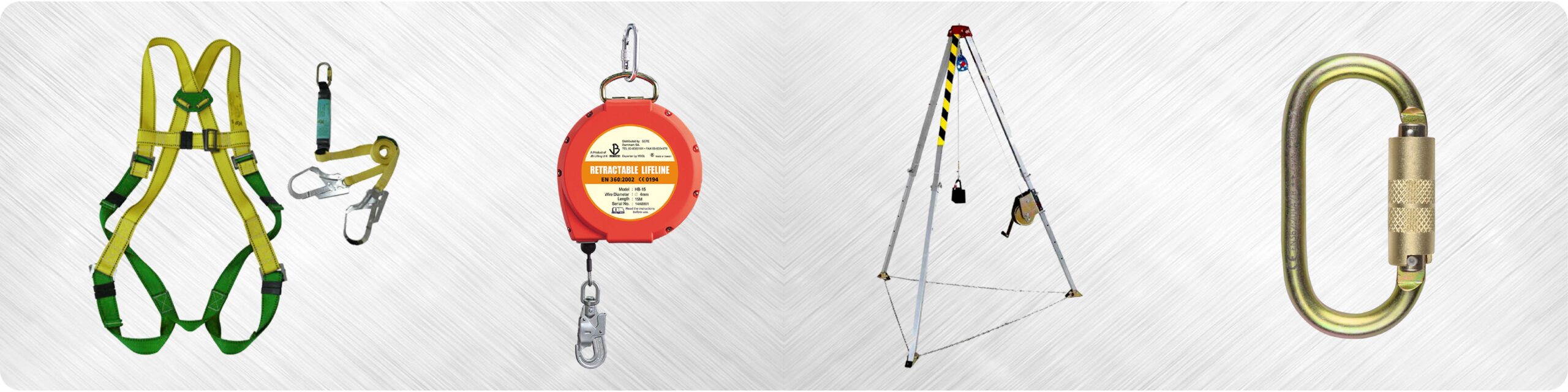
- Personal fall arrest systems (PFAS): These systems are designed to arrest a worker’s fall before they hit the ground or another object. A PFAS typically consists of a full-body harness, a lanyard or SRL, and an anchor point.
- Guardrail systems: These systems provide a physical barrier that prevents workers from falling off an edge or into a hole. Guardrail systems typically consist of top rails, mid rails, and posts.
- Safety net systems: These systems are designed to catch workers if they fall. Safety net systems are typically used in construction and demolition operations.
- Positioning systems: These systems are designed to support workers while they are working at height. Positioning systems typically consist of a full-body harness and a lanyard that is attached to an anchor point.
Detailed explanations of each system are essential. PFAS require proper fit and training, guardrails need to meet height and strength requirements, safety nets must be properly installed and maintained, and positioning systems must be appropriate for the task at hand.
Evaluating Equipment Performance: Testing and Certification
Ensuring that fall protection equipment meets required standards is crucial for worker safety. Third-party testing and certification (e.g., by UL, CSA) provide assurance that equipment has been tested and meets specific performance requirements.
Understanding the importance of these certifications is essential for selecting safe and reliable equipment. Look for equipment that is certified to meet the relevant ANSI or other applicable standards.
Choosing Equipment Based on Specific Hazards and Tasks
Matching the right equipment to the specific work environment and task requirements is essential for effective fall protection. Factors like fall distance, swing fall hazards, and environmental conditions must be considered.
For example, if a worker is working in an area with a limited fall distance, an SRL may be a better choice than a lanyard. Similarly, if a worker is working near a sharp edge, a lanyard with a cut-resistant cover may be necessary.
In our experience, we’ve consistently seen that companies that take the time to properly assess the hazards and select the appropriate equipment have fewer fall-related incidents.
Implementing Effective Fall Protection Training Programs 📚
Effective training is the keystone of fall prevention. Without proper education, even the best equipment is useless.
Designing Curriculum Based on Regulatory Requirements and Industry Best Practices
Training programs must cover all relevant OSHA and ANSI standards, as well as industry-specific best practices. This includes topics such as hazard recognition, equipment selection, proper use of equipment, and emergency procedures.
Ensuring that training programs are up-to-date and relevant is essential for maintaining worker competency. Training programs should be reviewed and updated regularly to reflect changes in fall protection regulations and industry best practices.
Incorporating Hands-On Training and Practical Exercises
Providing opportunities for workers to practice using fall protection equipment in a safe and controlled environment is crucial for reinforcing classroom learning. Hands-on training should include demonstrations of proper equipment use, as well as opportunities for workers to practice using the equipment under the supervision of a qualified instructor.
Practical exercises should simulate real-world scenarios that workers may encounter in the workplace. This can help workers to develop the skills and confidence they need to use fall protection equipment effectively.
Documenting Training Records: Maintaining Compliance and Demonstrating Due Diligence
Keeping accurate records of all training activities is essential for maintaining compliance with fall protection regulations and demonstrating due diligence. Training records should include the dates, attendees, topics covered, and assessment results.
Maintaining these records will demonstrate to regulatory agencies that you are taking the necessary steps to protect your employees from fall hazards.
Developing a Robust Fall Protection Plan 📝
A comprehensive fall protection plan is not just a document; it’s a living, breathing strategy that guides your organization’s approach to safety.
Defining Roles and Responsibilities: Establishing Accountability
Clearly assigning roles and responsibilities for fall protection within the organization is crucial for ensuring that everyone understands their role in preventing falls. This includes assigning responsibility for hazard identification, equipment selection, training, and program management.
By establishing clear lines of accountability, you can ensure that fall protection is a priority at all levels of the organization.
Establishing Procedures for Equipment Inspection, Maintenance, and Storage
Ensuring that fall protection equipment is properly inspected, maintained, and stored is essential for maintaining its effectiveness. Procedures should be established for inspecting equipment before each use, as well as for conducting periodic maintenance and repairs.
Equipment should be stored in a clean, dry, and secure location to prevent damage and deterioration. Regular inspections, proper maintenance, and correct storage extend the life of equipment and guarantee its reliability.
Creating Emergency Rescue Plans: Preparing for the Unexpected
Developing detailed emergency rescue plans in case of a fall incident is crucial for ensuring the safety of workers who may be suspended after a fall. Rescue plans should include procedures for quickly and safely retrieving suspended workers, as well as for providing medical assistance.
Emergency rescue plans should be practiced regularly to ensure that workers are familiar with the procedures. Regular drills reinforce the rescue procedures and reveal any areas that need improvement.
Monitoring and Evaluating Your Fall Protection Program ⚙️
A fall protection program is not a “set it and forget it” endeavor. Continuous monitoring and evaluation are crucial for ensuring its effectiveness.
Conducting Regular Audits: Verifying Compliance and Identifying Gaps
Performing routine audits to assess the effectiveness of the fall protection program and identify areas for improvement is essential for maintaining a safe work environment. Audits should be conducted by qualified personnel who are familiar with fall protection regulations and industry best practices.
Audits should include a review of the fall protection plan, training records, equipment inspection records, and incident reports. They should also include a site inspection to identify potential fall hazards.
Analyzing Incident Data: Learning from Mistakes and Preventing Recurrences
Investigating fall incidents and near misses to identify root causes and implement corrective actions is crucial for preventing future incidents. Incident investigations should be conducted by a team of qualified personnel who are familiar with fall protection principles and incident investigation techniques.
Incident investigations should focus on identifying the root causes of the incident, rather than simply assigning blame. Once the root causes have been identified, corrective actions should be implemented to prevent similar incidents from occurring in the future.
Updating the Program Based on Feedback and Performance Data
Continuously improving the fall protection program based on feedback from workers, audit results, and incident data is essential for maintaining a safe and effective program. Feedback from workers can provide valuable insights into potential fall hazards and areas for improvement.
Audit results and incident data can be used to identify trends and patterns that may indicate weaknesses in the program. By using this information to continuously improve the program, you can create a safer work environment for your employees.
Leveraging Technology for Enhanced Fall Protection 🤖
In 2026, technology offers exciting possibilities for improving fall protection.
Utilizing Wearable Sensors for Real-Time Monitoring
Wearable sensors can monitor worker movements, detect falls, and provide alerts. This real-time data can be invaluable for preventing falls and responding quickly to incidents.
Implementing Digital Platforms for Training and Documentation
Online platforms can deliver training, manage documentation, and track equipment inspections. This can streamline the administrative burden of managing a fall protection program and ensure that all workers have access to the information they need.
Integrating Data Analytics for Predictive Risk Management
Data analytics can identify trends and predict potential fall hazards. By analyzing data from wearable sensors, incident reports, and other sources, you can identify areas where falls are more likely to occur and take steps to prevent them.
Conclusion
By understanding the evolving fall protection standards, conducting thorough hazard analyses, investing in appropriate equipment and training, and continuously monitoring and improving your programs, you can create a safer work environment for your employees. At SSTC, we’ve seen firsthand how a proactive approach to fall protection drastically reduces incidents. Prioritizing safety is not just a regulatory requirement but a moral imperative.
FAQ Section
Q: How often should fall protection training be conducted?
A: At a minimum, training should be conducted annually, or more frequently if there are changes to the workplace, equipment, or fall protection regulations.
Q: What is the difference between OSHA and ANSI standards?
A: OSHA standards are mandatory regulations enforced by the federal government, while ANSI fall protection standards are voluntary consensus standards developed by industry experts.
Q: How do I choose the right fall protection equipment for my workplace?
A: Conduct a thorough fall hazard analysis to identify potential fall hazards and select equipment that is specifically designed to mitigate those risks.
Q: What should be included in a fall protection plan?
A: A fall protection plan should define roles and responsibilities, establish procedures for equipment inspection and maintenance, and create emergency rescue plans.
Q: How can technology improve fall protection?
A: Wearable sensors, digital platforms, and data analytics can be used to monitor worker movements, manage documentation, and predict potential fall hazards.