Fall protection training is a critical investment for any organization with employees working at heights. It’s not just about compliance; it’s about ensuring the safety and well-being of your workforce. Equipping your team with the proper knowledge and skills can significantly reduce the risk of falls, potentially saving lives and preventing serious injuries.
Key Takeaways
- Fall protection training is essential for preventing workplace injuries and fatalities.
- OSHA and ANSI standards outline specific requirements for fall protection training programs.
- Effective training programs include hazard identification, fall prevention strategies, and proper use of PPE.
- Regular refresher training and ongoing education are crucial for maintaining a safe work environment.
- Technology, such as VR and online learning platforms, can enhance the effectiveness of fall protection training.
Introduction to Fall Protection Training
Fall protection training is a comprehensive program designed to educate employees about the hazards associated with working at heights and how to mitigate those risks. It encompasses a range of topics, from identifying potential fall hazards to the proper use of fall protection equipment and rescue procedures. In our experience at Safe and Secure Trading Company (SSTC), we’ve observed that companies that prioritize fall protection training often experience a significant reduction in workplace accidents and injuries.
Defining Fall Hazards and Risks
Understanding the scope of the problem is the first step in creating a safer work environment. Falls are a leading cause of workplace injuries and fatalities across various industries. Recognizing the severity of these incidents underscores the importance of proactive fall protection measures.
- Statistical overview of fall-related injuries and fatalities in various industries.
According to the 2026 data from the National Safety Council, falls continue to be a leading cause of workplace fatalities and injuries. The construction industry, in particular, faces a significant risk, with falls accounting for a substantial percentage of all construction-related deaths. These statistics highlight the urgent need for comprehensive fall protection training programs across all industries where employees work at heights. In our experience with clients, the industries that face the most fall related accidents are construction, maintenance and landscaping.
- Identifying common fall hazards in the workplace (e.g., unguarded edges, holes, slippery surfaces).
Fall hazards can be found in a variety of workplace settings. Unguarded edges on roofs or platforms, unprotected holes in floors, slippery surfaces due to spills or weather conditions, and unstable scaffolding are all potential dangers. Identifying these hazards is the first step in preventing falls. We once worked with a client who struggled with clearly identifying fall hazards. By fixing the hazard identification processes, they saw a 20% improvement in safety incident reduction.
The Importance of Fall Protection Programs
Fall protection programs are more than just a set of rules; they are a comprehensive approach to creating a safer work environment. They encompass training, equipment, and procedures designed to minimize the risk of falls.
- Legal and ethical responsibilities of employers to provide a safe working environment.
Employers have a legal and ethical responsibility to provide a safe working environment for their employees. This includes identifying and mitigating fall hazards, providing appropriate fall protection equipment, and ensuring that employees are properly trained in its use. Failing to do so can result in severe consequences, including OSHA fines, legal liabilities, and, most importantly, the risk of serious injury or death to employees.
- The role of training in preventing falls and minimizing injuries.
Training plays a crucial role in preventing falls and minimizing injuries. It equips employees with the knowledge and skills to recognize potential fall hazards, select and use appropriate fall protection equipment, and respond effectively in the event of a fall. Effective training programs also foster a culture of safety, where employees are encouraged to report hazards and take proactive steps to protect themselves and their colleagues.
- Highlighting the financial benefits of investing in fall protection training (reduced insurance costs, increased productivity).
Investing in fall protection training is not only ethically responsible but also financially beneficial. By reducing the risk of falls and injuries, employers can lower their insurance costs, reduce workers’ compensation claims, and avoid costly OSHA fines. Furthermore, a safer work environment can lead to increased employee morale and productivity, as employees feel more confident and secure in their ability to perform their jobs safely. A common mistake we help businesses fix is understanding that workplace safety contributes to employee retention.
Key Regulatory Standards: OSHA and Beyond
Understanding and complying with relevant regulatory standards is essential for ensuring a safe work environment. OSHA (Occupational Safety and Health Administration) sets the minimum requirements for fall protection in the United States, but other organizations, such as ANSI (American National Standards Institute), also provide valuable guidance.
Understanding OSHA’s Fall Protection Standards
OSHA’s fall protection standards are designed to protect employees from falls in a variety of workplace settings. These standards outline specific requirements for fall protection equipment, training, and procedures.
- Overview of relevant OSHA regulations (e.g., 29 CFR 1926 Subpart M for construction).
OSHA’s fall protection standards are codified in 29 CFR 1926 Subpart M for construction and in other industry-specific regulations. These standards cover a wide range of topics, including the use of guardrails, safety nets, personal fall arrest systems, and fall protection training requirements. Employers must be familiar with these regulations and ensure that they are followed to protect their employees.
- Specific requirements for fall protection training in different industries.
OSHA requires fall protection training for employees who may be exposed to fall hazards. The specific requirements for training vary depending on the industry and the type of work being performed. For example, construction workers who work at heights of 6 feet or more must be trained on the proper use of fall protection equipment, while employees who use aerial lifts must be trained on the safe operation of the equipment.
- Employer responsibilities for providing and maintaining fall protection equipment.
Employers are responsible for providing and maintaining fall protection equipment in good working order. This includes inspecting equipment regularly, replacing worn or damaged equipment, and ensuring that employees are properly trained on its use. Employers must also ensure that fall protection equipment is appropriate for the specific hazards present in the workplace.
Compliance with ANSI Standards
ANSI standards provide additional guidance on fall protection equipment and systems. While not legally binding, these standards represent industry best practices and can help employers enhance their fall protection programs.
- Overview of relevant ANSI standards for fall protection equipment and systems.
ANSI standards cover a wide range of fall protection equipment and systems, including harnesses, lanyards, lifelines, and anchorage connectors. These standards provide detailed specifications for the design, testing, and performance of fall protection equipment. Compliance with ANSI standards can help employers ensure that their fall protection equipment is safe and effective.
- How ANSI standards complement and support OSHA regulations.
ANSI standards complement and support OSHA regulations by providing more detailed guidance on fall protection equipment and systems. While OSHA sets the minimum requirements for fall protection, ANSI standards provide additional information on best practices and can help employers go above and beyond compliance. When our team in KSA tackles this issue, they often find that ANSI standards are a great way to ensure compliance while elevating overall safety standards.
Global Standards and Best Practices
While OSHA and ANSI are the primary standards in the United States, it’s important to be aware of international fall protection standards and best practices. These standards can provide valuable insights and help employers improve their fall protection programs.
- Brief overview of international fall protection standards (e.g., EN standards in Europe).
Europe follows EN standards and these often provide more stringent requirements than OSHA regulations in the United States. For example, EN standards may require more frequent inspections of fall protection equipment or more comprehensive training programs. By understanding these international standards, employers can identify opportunities to improve their own fall protection programs.
- Adopting global best practices to enhance fall protection programs.
Adopting global best practices can help employers create a safer work environment and reduce the risk of falls. This may include implementing more stringent fall protection requirements, using more advanced fall protection equipment, or providing more comprehensive training programs. By staying informed about global best practices, employers can continuously improve their fall protection programs and protect their employees.
“Fall protection isn’t just about following the rules; it’s about creating a culture of safety where everyone looks out for each other.” – Michael Davis, Safety Consultant
Who Needs Fall Protection Training?
Determining who needs fall protection training is crucial for ensuring that all employees who may be exposed to fall hazards are properly protected. This includes identifying at-risk employees, providing appropriate levels of training, and ensuring that refresher training is conducted regularly.
Identifying At-Risk Employees
Identifying at-risk employees is the first step in determining who needs fall protection training. This includes employees who work at heights, use aerial lifts or scaffolding, or may be exposed to fall hazards in their daily work activities.
- Construction workers, roofers, ironworkers, and others working at heights.
Construction workers, roofers, and ironworkers are among the most at-risk employees for falls. These workers often work at significant heights and may be exposed to a variety of fall hazards, such as unguarded edges, unprotected holes, and slippery surfaces. They must receive comprehensive fall protection training to ensure that they can work safely at heights. For many of our clients here in Dammam, Saudi Arabia, we’ve seen that proper training for these high-risk roles is critical.
- Maintenance personnel, window cleaners, and those using aerial lifts or scaffolding.
Maintenance personnel, window cleaners, and those who use aerial lifts or scaffolding are also at risk for falls. These workers often perform tasks that require them to work at heights or in precarious positions. They must receive training on the safe use of aerial lifts and scaffolding, as well as fall protection equipment.
- Any employee exposed to fall hazards in their daily work activities.
Any employee who may be exposed to fall hazards in their daily work activities should receive fall protection training. This may include employees who work in warehouses, factories, or other industrial settings where they may be exposed to unguarded edges, unprotected holes, or slippery surfaces.
Levels of Training: Awareness vs. Competent Person
Fall protection training is provided at different levels to ensure that employees receive the appropriate level of knowledge and skills for their specific job duties. The two main levels of training are awareness training and competent person training.
- Basic awareness training for all employees potentially exposed to fall hazards.
Basic awareness training provides employees with a general understanding of fall hazards and how to protect themselves from falls. This type of training is typically required for all employees who may be exposed to fall hazards, regardless of their specific job duties.
- Advanced training for competent persons responsible for inspecting equipment, designing systems, and supervising work at heights.
Advanced training is required for competent persons who are responsible for inspecting fall protection equipment, designing fall protection systems, and supervising work at heights. Competent persons must have a thorough understanding of fall protection principles and be able to identify and correct fall hazards.
Refresher Training and Ongoing Education
Refresher training and ongoing education are essential for maintaining a safe work environment and ensuring that employees stay up-to-date on the latest fall protection regulations and best practices.
- The importance of regular refresher training to reinforce knowledge and skills.
Regular refresher training reinforces employees’ knowledge and skills related to fall protection. This training should be conducted at least annually and whenever there are changes in fall protection regulations or equipment.
- Staying updated on changes in regulations, equipment, and best practices.
Fall protection regulations, equipment, and best practices are constantly evolving. It is important for employers to stay up-to-date on these changes and ensure that their fall protection training programs are updated accordingly.
Essential Elements of an Effective Fall Protection Training Program
An effective fall protection training program should include several essential elements, such as hazard identification and assessment, fall prevention strategies, personal protective equipment (PPE), and rescue procedures and emergency response.
Hazard Identification and Assessment
Hazard identification and assessment is the first step in creating a safe work environment. Employees must be trained to recognize and assess potential fall hazards in their work environment.
- Training employees to recognize and assess potential fall hazards in their work environment.
Training employees to recognize and assess potential fall hazards is crucial for preventing falls. This training should cover a variety of topics, such as identifying unguarded edges, unprotected holes, slippery surfaces, and unstable scaffolding.
- Conducting regular workplace inspections to identify and mitigate risks.
Regular workplace inspections are essential for identifying and mitigating fall hazards. These inspections should be conducted by a competent person and should cover all areas of the workplace where employees may be exposed to fall hazards.
Fall Prevention Strategies
Fall prevention strategies are designed to eliminate or reduce fall hazards. These strategies may include engineering controls, administrative controls, and personal protective equipment (PPE).
- Implementing engineering controls to eliminate or reduce fall hazards (e.g., guardrails, safety nets).
Engineering controls are physical changes to the workplace that eliminate or reduce fall hazards. Examples of engineering controls include guardrails, safety nets, and hole covers.
- Using administrative controls to minimize exposure to fall hazards (e.g., work procedures, permits).
Administrative controls are work practices and procedures that minimize exposure to fall hazards. Examples of administrative controls include written work procedures, permits, and safety checklists.
Personal Protective Equipment (PPE)
Personal protective equipment (PPE) is used to protect employees from fall hazards when engineering and administrative controls are not feasible or do not provide adequate protection.
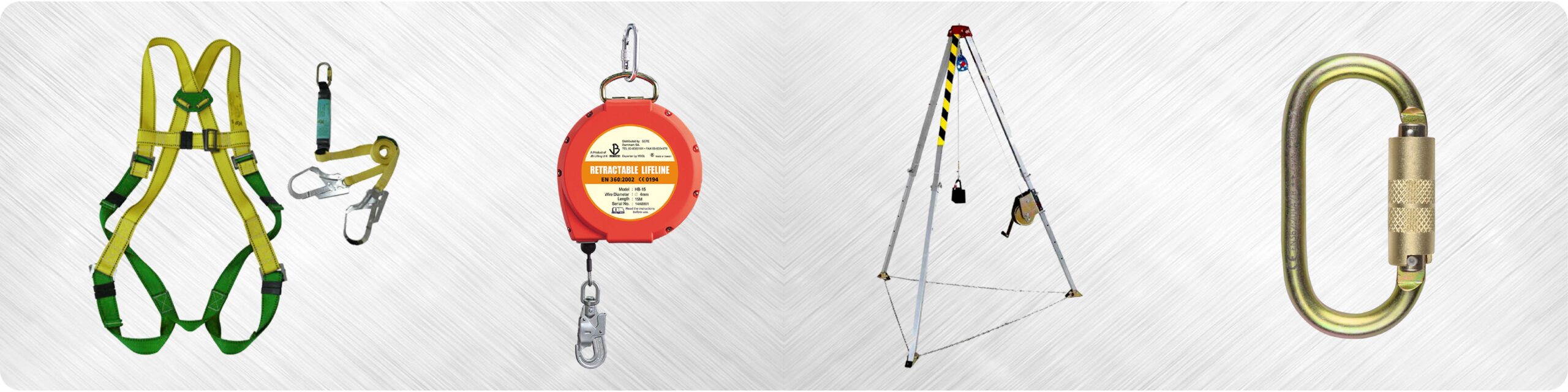
- Proper selection, inspection, and use of fall protection equipment (e.g., harnesses, lanyards, lifelines).
Proper selection, inspection, and use of fall protection equipment is essential for preventing falls and minimizing injuries. Employees must be trained on how to select the appropriate fall protection equipment for the specific hazards present in their work environment. They must also be trained on how to inspect the equipment before each use and how to use it properly.
- Ensuring proper fit and compatibility of PPE.
Ensuring proper fit and compatibility of PPE is crucial for its effectiveness. Fall protection equipment that is too loose or too tight may not provide adequate protection. Employees must be trained on how to properly fit and adjust their fall protection equipment.
- Maintaining and storing PPE according to manufacturer’s instructions.
Maintaining and storing PPE according to the manufacturer’s instructions is essential for ensuring that the equipment remains in good working order. Employees must be trained on how to clean, inspect, and store their fall protection equipment properly.
Rescue Procedures and Emergency Response
Rescue procedures and emergency response are essential for ensuring that employees who have fallen are rescued quickly and safely.
- Developing and practicing rescue plans for employees who have fallen.
Developing and practicing rescue plans for employees who have fallen is crucial for minimizing injuries and fatalities. Rescue plans should outline the steps to be taken to rescue a fallen worker quickly and safely.
- Training employees on how to safely lower or retrieve a fallen worker.
Employees must be trained on how to safely lower or retrieve a fallen worker. This training should cover the proper use of rescue equipment, such as ropes, harnesses, and descent devices.
- Providing first aid and medical attention to injured workers.
Providing first aid and medical attention to injured workers is essential for minimizing the severity of injuries. Employees should be trained on how to provide basic first aid and how to contact emergency medical services.
Practical Training Exercises and Simulations
Practical training exercises and simulations are essential for reinforcing knowledge and skills related to fall protection. These exercises allow employees to practice using fall protection equipment and responding to fall scenarios in a safe and controlled environment.
Hands-On Equipment Training
Hands-on equipment training provides employees with the opportunity to practice using fall protection equipment under the supervision of a qualified trainer.
- Demonstrating the proper use of harnesses, lanyards, self-retracting lifelines, and other fall protection equipment.
Demonstrating the proper use of harnesses, lanyards, self-retracting lifelines, and other fall protection equipment is crucial for ensuring that employees can use the equipment safely and effectively. This training should cover all aspects of equipment use, including donning, doffing, adjusting, and inspecting the equipment.
- Practicing pre-use inspections and adjustments.
Practicing pre-use inspections and adjustments is essential for ensuring that fall protection equipment is in good working order before each use. Employees should be trained on how to inspect their equipment for signs of damage or wear and how to make necessary adjustments.
Fall Simulation Exercises
Fall simulation exercises allow employees to experience the forces involved in a fall and understand the effectiveness of fall protection equipment.
- Simulating fall scenarios to help employees understand the forces involved and the effectiveness of fall protection equipment.
Simulating fall scenarios can help employees understand the forces involved in a fall and appreciate the importance of using fall protection equipment properly. These exercises can also help employees develop a better understanding of how fall protection equipment works and how it can protect them in the event of a fall.
- Using controlled environments to practice rescue techniques.
Using controlled environments to practice rescue techniques is essential for ensuring that employees can respond effectively in the event of a fall. These exercises should simulate real-world fall scenarios and allow employees to practice using rescue equipment and techniques under the supervision of a qualified trainer.
Case Studies and Real-World Examples
Case studies and real-world examples can help employees learn from past fall incidents and identify best practices for fall protection.
- Analyzing past fall incidents to learn from mistakes and identify best practices.
Analyzing past fall incidents can help employees learn from the mistakes of others and identify best practices for fall protection. This analysis should cover the causes of the fall, the consequences of the fall, and the steps that could have been taken to prevent the fall.
- Reviewing case studies to illustrate the consequences of inadequate fall protection.
Reviewing case studies can help employees understand the consequences of inadequate fall protection. These case studies should illustrate the potential for serious injuries or fatalities resulting from falls and emphasize the importance of using fall protection equipment properly.
Evaluating Training Effectiveness
Evaluating training effectiveness is essential for ensuring that employees have learned the necessary knowledge and skills to work safely at heights. This evaluation may include written examinations, practical skills assessments, and feedback and continuous improvement.
Written Examinations and Quizzes
Written examinations and quizzes can be used to assess employees’ knowledge of fall protection principles and regulations.
- Assessing employee knowledge of fall protection principles and regulations.
Written examinations and quizzes should cover a variety of topics, such as fall hazards, fall prevention strategies, PPE usage, and rescue procedures.
- Using multiple-choice, true/false, and short-answer questions.
Multiple-choice, true/false, and short-answer questions can be used to assess employees’ understanding of fall protection principles and regulations.
Practical Skills Assessments
Practical skills assessments allow employers to observe employees as they perform tasks involving fall protection equipment.
- Observing employees as they perform tasks involving fall protection equipment.
Practical skills assessments should be conducted in a realistic work environment and should involve tasks that employees regularly perform.
- Evaluating their ability to properly inspect, use, and maintain equipment.
Employers should evaluate employees’ ability to properly inspect, use, and maintain fall protection equipment. This evaluation should cover all aspects of equipment use, including donning, doffing, adjusting, and inspecting the equipment.
Feedback and Continuous Improvement
Feedback and continuous improvement are essential for ensuring that fall protection training programs remain effective and relevant.
- Soliciting feedback from employees to identify areas for improvement in the training program.
Soliciting feedback from employees can help identify areas for improvement in the training program. This feedback can be gathered through surveys, interviews, or focus groups.
- Regularly updating the training program to reflect changes in regulations, equipment, and best practices.
Regularly updating the training program is essential for ensuring that it reflects changes in regulations, equipment, and best practices. This update should be conducted at least annually and whenever there are significant changes in fall protection regulations or equipment.
The Role of Technology in Fall Protection Training
Technology plays an increasingly important role in fall protection training, offering innovative ways to engage employees and enhance learning outcomes. Virtual reality (VR), augmented reality (AR), online learning platforms, and mobile apps are just a few examples of how technology is transforming fall protection training.
Virtual Reality (VR) and Augmented Reality (AR)
VR and AR technologies can create immersive and realistic training simulations that allow employees to practice fall protection techniques in a safe and controlled environment.
- Using VR and AR to create immersive and realistic training simulations.
VR and AR simulations can replicate real-world work environments and expose employees to a variety of fall hazards. This allows employees to practice identifying and mitigating fall hazards without the risk of injury.
- Allowing employees to practice fall protection techniques in a safe and controlled environment.
VR and AR simulations can also be used to practice fall protection techniques, such as using harnesses, lanyards, and lifelines. This allows employees to develop the necessary skills and confidence to use fall protection equipment effectively in the real world.
Online Learning Platforms
Online learning platforms offer a convenient and cost-effective way to deliver fall protection training to employees.
- Delivering fall protection training through online modules and interactive courses.
Online learning platforms can deliver fall protection training through a variety of modules, including videos, animations, and interactive exercises. This allows employees to learn at their own pace and on their own schedule.
- Tracking employee progress and providing personalized feedback.
Online learning platforms can track employee progress and provide personalized feedback. This allows employers to monitor employee learning and identify areas where employees may need additional support.
Mobile Apps and Job Aids
Mobile apps and job aids can provide employees with quick access to fall protection information and resources in the field.
- Providing employees with mobile apps that offer quick access to fall protection information and resources.
Mobile apps can provide employees with quick access to fall protection information, such as OSHA regulations, ANSI standards, and manufacturer’s instructions for fall protection equipment.
- Using job aids to reinforce key concepts and procedures.
Job aids can be used to reinforce key concepts and procedures related to fall protection. These job aids can be in the form of posters, checklists, or pocket guides.
Overcoming Common Challenges in Fall Protection Training
Despite the importance of fall protection training, there are several common challenges that employers may face when implementing and maintaining a successful program. These challenges include language barriers, resistance to training, and maintaining employee engagement.
Language Barriers and Cultural Differences
Language barriers and cultural differences can make it difficult to deliver effective fall protection training to a diverse workforce.
- Providing training materials and instruction in multiple languages.
Providing training materials and instruction in multiple languages is essential for ensuring that all employees can understand the training content. This may involve translating training materials into different languages or providing interpreters during training sessions.
- Addressing cultural differences in attitudes towards safety and risk.
Cultural differences can also affect employees’ attitudes towards safety and risk. Some cultures may be more accepting of risk than others. It is important to address these cultural differences and emphasize the importance of fall protection training for all employees.
Resistance to Training
Some employees may resist fall protection training, either because they do not believe it is necessary or because they are afraid of heights.
- Emphasizing the importance of fall protection training for employee safety and well-being.
Emphasizing the importance of fall protection training for employee safety and well-being is crucial for overcoming resistance to training. Employees need to understand that fall protection training is not just a regulatory requirement but a way to protect themselves from serious injury or death.
- Creating a positive and engaging learning environment.
Creating a positive and engaging learning environment can also help overcome resistance to training. This may involve using interactive training methods, such as games and simulations, or providing incentives for completing the training.
Maintaining Employee Engagement
Maintaining employee engagement in fall protection training can be challenging, especially over the long term.
- Using interactive and hands-on training methods to keep employees engaged.
Using interactive and hands-on training methods can help keep employees engaged in fall protection training. This may involve using games, simulations, or real-world scenarios to make the training more relevant and interesting.
- Regularly reinforcing key concepts and providing ongoing support.
Regularly reinforcing key concepts and providing ongoing support can also help maintain employee engagement in fall protection training. This may involve conducting refresher training sessions, providing job aids, or offering ongoing support to employees who have questions or concerns about fall protection.
Conclusion
Fall protection training is not merely a regulatory requirement but a moral imperative. Equipping your employees with the knowledge and skills to work safely at heights dramatically reduces the risk of falls, saving lives and preventing injuries. By adhering to OSHA standards, implementing comprehensive training programs, and leveraging innovative technologies, you can create a safer and more productive work environment. In our experience at SSTC, we’ve consistently seen that well-trained employees are more confident, efficient, and less likely to be involved in accidents.
FAQ Section
What are the main components of fall protection training?
- Hazard identification, fall prevention strategies, PPE usage, and rescue procedures.
How often should fall protection training be conducted?
- Initially upon hiring, annually, and whenever new equipment or procedures are introduced.
What industries require fall protection training?
- Construction, roofing, maintenance, and any industry with employees working at heights.
What are the consequences of not providing fall protection training?
- Increased risk of falls, injuries, fatalities, OSHA fines, and legal liabilities.
Where can I find certified fall protection trainers?