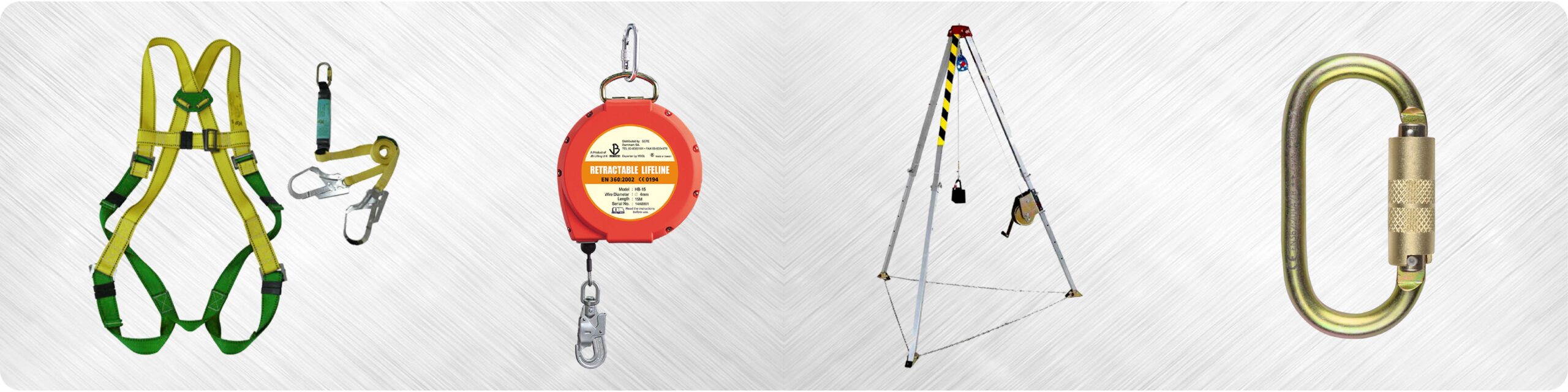
Fall Protection
Safety Harness: A Complete Guide for Ensuring Max Protection in 2024
Safety Harness is an essential piece of equipment in various industries, from construction and manufacturing to adventure...


Fall Protection Training: Avoid Hidden Costs
The risks associated with falls in the workplace are significant, and the consequences of neglecting proper fall protection training can extend far beyond the obvious. While the immediate costs of accidents, such as medical bills and workers’ compensation claims, are readily apparent, there are numerous hidden costs that can severely impact a company’s bottom line and overall success. Fall protection training is not merely a regulatory requirement; it is a critical investment in employee safety and the long-term financial health of an organization.
Fall protection training equips workers with the knowledge and skills necessary to identify fall hazards, use safety equipment properly, and follow safe work practices. This training is essential across various industries, not just construction, and its absence can lead to a cascade of financial and operational challenges. This article will delve into the unexpected price of neglecting fall protection training, examining both direct and indirect costs, as well as the human impact. We at Safe and Secure Trading Company (SSTC) have seen firsthand how proactive safety measures can dramatically reduce these costs and improve overall workplace safety.
Fall protection training is a specialized program designed to educate employees on how to recognize, avoid, and minimize fall hazards in the workplace. This training covers a range of topics, including the proper use of personal fall arrest systems (PFAS), the inspection of safety equipment, and the implementation of safe work practices. The goal is to equip workers with the knowledge and skills necessary to perform their jobs safely, regardless of the environment.
The significance of fall protection training extends beyond simple compliance with safety regulations. It is a fundamental component of a comprehensive workplace safety program that protects workers from injury and even death. Falls are a leading cause of workplace fatalities and serious injuries, costing companies millions of dollars each year in medical expenses, lost productivity, and legal fees.
Understanding the hidden costs associated with neglecting fall protection training is crucial for business owners and safety managers. These costs, which often go unnoticed, can accumulate over time and significantly impact a company’s financial performance. By investing in proper training, companies can reduce these hidden costs and create a safer, more productive work environment. Our experience at SSTC has shown us that companies that prioritize fall protection training see a marked improvement in safety metrics and a reduction in associated costs.
Fall protection training is not just for construction workers scaling skyscrapers. Anyone working at heights, operating elevated equipment, or working near potential fall hazards needs comprehensive training. This includes workers in manufacturing, warehousing, maintenance, and even office environments where elevated platforms or mezzanines are present. In fact, our team in Dubai often encounters unique fall hazards in warehouse environments that require specialized training solutions.
Different levels of training may be required depending on the specific job duties and the level of risk involved. For example, workers who regularly use PFAS will require more in-depth training on equipment inspection, proper donning and doffing procedures, and rescue techniques. Supervisors and managers also need specialized training to identify hazards, implement safety procedures, and enforce compliance with safety regulations.
We at SSTC often encounter initial hesitations to training, stemming from perceptions that it’s time-consuming or unnecessary. However, it is crucial to address these concerns by emphasizing the importance of safety and demonstrating the tangible benefits of training. Showing workers how proper training can prevent injuries and save lives is a powerful way to overcome resistance and foster a culture of safety. Moreover, highlighting the company’s commitment to their well-being through investment in training can significantly boost morale.
Falls are a leading cause of workers’ compensation claims, resulting in significant financial losses for employers. When a worker is injured in a fall, the company is responsible for covering medical expenses, lost wages, and rehabilitation costs. These costs can quickly add up, especially in cases involving serious injuries such as fractures, head trauma, or spinal cord damage.
According to the National Safety Council, the average workers’ compensation claim for a fall injury is around $40,000. However, the actual cost can vary depending on the severity of the injury, the length of time the worker is out of work, and the state in which the claim is filed. In addition to direct medical costs, companies may also incur indirect costs such as increased insurance premiums, legal fees, and lost productivity.
To minimize workers’ compensation claims related to falls, companies must prioritize fall protection training. This includes providing workers with the knowledge and skills necessary to identify fall hazards, use safety equipment properly, and follow safe work practices. Regular safety inspections and hazard assessments are also essential for identifying and eliminating potential fall hazards. SSTC can assist in developing and implementing comprehensive safety programs tailored to your specific needs.
The Occupational Safety and Health Administration (OSHA) sets and enforces safety standards to protect workers from workplace hazards. Fall protection is one of OSHA’s top priorities, and companies that fail to comply with fall protection standards are subject to significant fines. The penalties for violating OSHA standards can range from thousands to hundreds of thousands of dollars, depending on the severity of the violation and the company’s history of violations.
For example, failure to provide adequate fall protection training can result in a citation for violating OSHA’s fall protection standard (29 CFR 1926.501). This standard requires employers to provide training on the proper use of fall protection equipment, the identification of fall hazards, and the implementation of safe work practices. Companies that fail to provide this training can be fined thousands of dollars per violation.
Practical examples of common violations include failure to provide guardrails on elevated platforms, failure to use personal fall arrest systems when working at heights, and failure to conduct regular safety inspections. To avoid these costly fines, companies must ensure that they are in full compliance with OSHA regulations. This includes conducting regular hazard assessments, providing appropriate fall protection training, and enforcing compliance with safety procedures. You can find comprehensive information on OSHA regulations on the OSHA website.
Accidents and OSHA violations can have a significant impact on a company’s insurance premiums. Insurance companies assess risk based on a company’s safety record, and companies with a history of accidents and violations are considered higher risk. As a result, they are often charged higher premiums for workers’ compensation and liability insurance.
The compounding effect of repeated incidents can be particularly damaging. Each accident or violation increases the company’s risk profile, leading to further increases in insurance premiums. Over time, these increases can significantly impact a company’s bottom line. For example, a company with multiple fall-related accidents may see its workers’ compensation premiums increase by 25% or more.
To mitigate the impact of accidents and violations on insurance rates, companies must invest in proactive safety measures. This includes providing comprehensive fall protection training, conducting regular safety inspections, and implementing effective safety procedures. Negotiating with insurance providers can also help. Demonstrating a commitment to safety and a proactive approach to risk management can often lead to more favorable insurance rates. We at SSTC can assist in developing and implementing safety programs that not only protect workers but also help companies manage their insurance costs.
When a fall accident occurs, it disrupts work schedules and reduces overall output. The immediate aftermath of an accident involves emergency response, investigation, and cleanup, all of which can bring work to a standstill. In addition, injured workers may be unable to return to work for an extended period, further reducing productivity.
The impact of lost productivity can be significant, especially on projects with tight deadlines or limited resources. Delays can lead to missed deadlines, cost overruns, and damage to a company’s reputation. According to a study by Liberty Mutual, lost productivity due to workplace injuries costs businesses billions of dollars each year.
To minimize the impact of lost productivity, companies must prioritize accident prevention. This includes providing comprehensive fall protection training, conducting regular safety inspections, and implementing effective safety procedures. In addition, companies should have a well-defined emergency response plan in place to minimize downtime in the event of an accident. SSTC can assist in developing and implementing these plans, ensuring a swift and efficient response to emergencies.
Falls can cause significant damage to equipment, necessitating costly repairs or replacements. Tools, machinery, and other equipment can be damaged when dropped from heights or when workers fall onto them. In addition, fall protection equipment itself can be damaged in a fall, requiring replacement.
The cost of equipment damage and replacement can be substantial, especially in industries that rely on expensive or specialized equipment. For example, a damaged crane or forklift can cost tens of thousands of dollars to repair or replace. Even seemingly minor damage can lead to equipment malfunctions and safety hazards.
Proper fall protection training can help minimize equipment-related incidents. Training workers on the proper use of equipment, the importance of securing tools and materials, and the implementation of safe work practices can significantly reduce the risk of equipment damage. Regular equipment inspections and maintenance are also essential for identifying and addressing potential hazards. We at SSTC recommend implementing a strict equipment inspection protocol as part of your overall safety program.
Immediate steps to maintain equipment should include regular inspections for wear and tear, proper storage to prevent damage, and prompt repair or replacement of damaged components.
Fall-related injuries and fatalities can lead to costly legal battles. If a worker is injured or killed in a fall due to negligence or failure to provide adequate fall protection, the company may be held liable for damages. This can result in legal fees, settlement costs, and potential judgments.
The legal costs associated with lawsuits can be substantial, especially in cases involving serious injuries or fatalities. In addition to financial costs, legal battles can also damage a company’s reputation and strain its resources. A proactive approach to safety and risk management is essential for preventing legal issues.
To prevent legal issues, companies must ensure that they are in full compliance with safety regulations. This includes providing comprehensive fall protection training, conducting regular safety inspections, and implementing effective safety procedures. In addition, companies should maintain thorough documentation of their safety efforts, including training records, inspection reports, and incident investigations. SSTC can assist in developing and implementing comprehensive safety programs that minimize legal risks.
Accidents can have a devastating impact on employee morale and job satisfaction. When workers witness or experience accidents, it can create fear, anxiety, and a sense of insecurity. This can lead to decreased productivity, increased absenteeism, and higher employee turnover.
The connection between morale and workplace performance is well-established. Employees who feel safe and valued are more likely to be engaged, motivated, and productive. Conversely, employees who feel unsafe or unsupported are more likely to be disengaged, stressed, and unproductive.
To boost morale with safety, companies must prioritize employee well-being. This includes providing comprehensive fall protection training, creating a culture of safety, and demonstrating a genuine commitment to employee health and safety. In addition, companies should provide employees with opportunities to participate in safety initiatives and provide feedback on safety procedures. We at SSTC have seen how a collaborative approach to safety can significantly improve employee morale and create a more positive work environment.
Safety incidents can severely tarnish a company’s reputation. News of accidents and safety violations can spread quickly through social media and online reviews, damaging a company’s image and eroding customer trust. This can lead to decreased sales, lost business opportunities, and difficulty attracting and retaining talent.
Maintaining a positive image is crucial for business success. Customers are more likely to do business with companies that have a reputation for safety and reliability. Investors are also more likely to invest in companies that prioritize safety and risk management.
To maintain a positive image in the face of accidents, companies must be transparent and proactive. This includes promptly addressing safety concerns, investigating accidents thoroughly, and implementing corrective actions to prevent future incidents. In addition, companies should communicate their safety efforts to stakeholders, highlighting their commitment to employee health and safety. The impact of prioritizing safety on customer trust and investor confidence cannot be overstated.
The first step in implementing effective fall protection training is to conduct a thorough hazard assessment. This involves identifying potential fall hazards in the workplace, evaluating the risks associated with those hazards, and developing strategies to eliminate or control the risks.
Common hazards include:
To create your assessment, begin by walking through the workplace and observing work activities. Talk to employees about their concerns and experiences. Review accident records and near-miss reports to identify patterns and trends. Once you have identified potential fall hazards, evaluate the risks associated with those hazards. This involves considering the likelihood of a fall occurring and the potential severity of the resulting injury. Based on your risk assessment, develop strategies to eliminate or control the risks. This may involve implementing engineering controls, such as guardrails or safety nets, or implementing administrative controls, such as fall protection training and safe work procedures.
There are many different types of fall protection training programs available, ranging from basic awareness training to advanced certification courses. The best program for your company will depend on your specific needs and the level of risk involved. Consider online training, on-site training, and train-the-trainer programs. Each has advantages and disadvantages.
When selecting a program, consider the following factors:
Reputable programs are typically certified by organizations like OSHA or ANSI. SSTC can help you identify and select a fall protection training program that aligns with your specific needs and regulatory requirements. Customization is key to ensuring that the training is relevant and effective for your employees.
Fall protection training is not a one-time event. To ensure that employees retain their knowledge and skills, it is essential to provide ongoing training and skill reinforcement. This may involve refresher courses, toolbox talks, and regular safety meetings.
Effective strategies for keeping safety top-of-mind include:
Building a culture of safety requires ongoing effort and commitment. By reinforcing safety principles and providing employees with the support they need to work safely, companies can create a work environment where safety is a top priority.
This is a dangerous misconception. Fall hazards exist in various industries and at different heights. Even a fall from a relatively low height can result in serious injury or death. For example, a worker who falls from a ladder while stocking shelves in a warehouse can suffer a broken bone or head trauma. Fall protection is essential in any workplace where there is a risk of falling from a height. Our team often works with clients in the food and beverage industry to address slip and fall hazards on wet floors.
While experience is valuable, it is not a substitute for fall protection training. Even experienced workers can develop bad habits or become complacent over time. Training provides workers with the knowledge and skills necessary to identify hazards, use safety equipment properly, and follow safe work practices, regardless of their experience level. A worker might have years of experience, but without proper training on the latest safety equipment or procedures, they are still at risk.
> “Effective fall protection training is not just about compliance; it’s about cultivating a safety mindset that empowers workers to protect themselves and their colleagues.” – Maria Rodriguez, Certified Safety Professional
A manufacturing company was experiencing a high rate of fall-related accidents. After implementing a comprehensive fall protection training program, the company saw a significant reduction in accidents and injuries. The program included hands-on training on the proper use of fall protection equipment, as well as training on hazard identification and risk assessment. As a result, the company reduced its workers’ compensation costs and improved employee morale.
A construction firm was struggling with high insurance premiums due to a history of fall-related accidents. After implementing a proactive safety program that included comprehensive fall protection training, the company was able to significantly reduce its accident rate and improve its safety record. As a result, the company’s insurance premiums decreased by 20%, saving the company tens of thousands of dollars per year.
| Metric | Before Training | After Training | Percentage Change |
|---|---|---|---|
| Accident Rate (Falls) | 15 per 2026 | 3 per 2026 | -80% |
| Workers’ Compensation Costs | $75,000 per 2026 | $15,000 per 2026 | -80% |
| Insurance Premiums | $100,000 per 2026 | $80,000 per 2026 | -20% |
| Employee Morale (Survey Score) | 6/10 | 9/10 | +50% |
In conclusion, neglecting fall protection training can lead to a cascade of financial and operational challenges, from increased workers’ compensation claims and OSHA fines to lost productivity and reputational damage. The human cost of accidents, including decreased employee morale and potential legal ramifications, further underscores the importance of prioritizing safety. By investing in comprehensive fall protection training programs, companies can protect their workers, reduce costs, and create a safer, more productive work environment.
We at SSTC have seen firsthand how effective fall protection training can transform workplaces, reduce risks, and improve overall safety. It’s not just an expense; it’s an investment in your most valuable asset: your employees.
Q: Who needs fall protection training?
A: Any worker who is exposed to fall hazards, regardless of industry or height, needs fall protection training. This includes workers in construction, manufacturing, warehousing, maintenance, and other industries.
Q: What are the key elements of an effective fall protection training program?
A: An effective program should cover hazard identification, risk assessment, proper use of fall protection equipment, safe work practices, and emergency procedures.
Q: How often should fall protection training be conducted?
A: Fall protection training should be conducted initially upon hire and regularly thereafter. Refresher courses and ongoing training are essential for keeping skills sharp and reinforcing safety principles.
Q: What are the benefits of investing in fall protection training?
A: The benefits include reduced accident rates, lower workers’ compensation costs, improved employee morale, enhanced productivity, and a stronger safety culture.
Q: How can Safe and Secure Trading Company (SSTC) help with fall protection training?
A: SSTC offers a range of comprehensive fall protection training programs tailored to your specific needs. We can help you conduct hazard assessments, select the right training program, and implement effective safety procedures. Our team of experienced safety professionals is dedicated to helping you create a safer, more productive work environment.
Safety Harness: A Complete Guide for Ensuring Max Protection in 2024

Fall Restraint And Fall Arrest

A Step-by-Step Guide on How To Put on a Safety Harness

Step-by-Step Setup Guide for Confined Space Rescue Tripods

Top 10 Retractable Fall Arresters for Industrial Use in 2025-26

Top Industrial Uses for Twist Lock Auto Carabiners in 2025-26