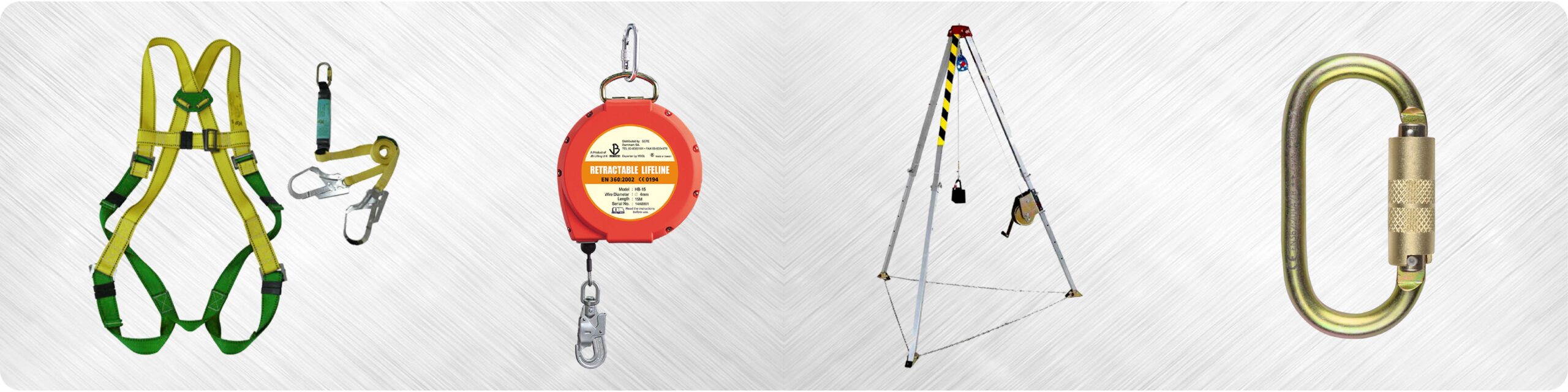
Fall protection training is essential for ensuring workplace safety, particularly in industries where employees work at heights. This guide provides a comprehensive overview of fall protection training, covering the basics, essential elements, practical applications, and advanced techniques. Safe and Secure Trading Company (SSTC) is dedicated to providing the knowledge and resources necessary to create a safer work environment.
Understanding the Basics of Fall Protection Training
What is Fall Protection and Why is it Necessary?
Fall protection refers to the systems and measures implemented to prevent falls from elevated heights, thereby minimizing the risk of serious injuries or fatalities. It encompasses a range of strategies, from engineering controls like guardrails to personal protective equipment (PPE) such as harnesses and lanyards. Understanding fall protection is crucial because falls are a leading cause of workplace injuries and deaths.
The necessity of fall protection stems from the inherent dangers associated with working at heights. These dangers are not limited to construction sites but extend to various industries, including manufacturing, warehousing, and even office environments where tasks like ladder use are common. Effective fall protection strategies mitigate these risks, creating a safer and more secure working environment for all employees.
Consider these alarming statistics: Falls consistently rank among the top causes of workplace fatalities. According to the National Safety Council, falls to a lower level accounted for 887 fatalities in 2026. These figures underscore the critical need for comprehensive fall protection measures and training to reduce these preventable incidents. Proper fall protection training empowers employees to recognize hazards and use appropriate safety measures, significantly decreasing the likelihood of falls.
Identifying Fall Hazards in Your Workplace
The first step in establishing an effective fall protection program is to identify potential fall hazards in the workplace. This involves a thorough assessment of all areas where employees may be exposed to fall risks. By pinpointing these hazards, you can implement targeted safety measures to mitigate them.
Conducting a workplace assessment involves a systematic examination of the work environment. This includes inspecting elevated surfaces, identifying unprotected edges, and evaluating the condition of ladders and scaffolding. The assessment should also consider the types of tasks performed in each area and the potential for slips, trips, and falls. When our team in Dubai tackles this issue, they often find that a fresh set of eyes, like an outside consultant, helps spot hazards overlooked by those familiar with the site.
Common fall hazard locations include scaffolding, roofs, ladders, and elevated platforms. Scaffolding, often used in construction and maintenance, presents a significant risk if not properly erected or maintained. Roofs, particularly those with skylights or unprotected edges, also pose considerable fall hazards. Ladders, while seemingly straightforward, can be dangerous if used improperly or if the wrong type of ladder is selected for the task. Elevated platforms, commonly found in warehouses and factories, require proper guardrails and safety measures to prevent falls.
Analyzing work tasks is essential to determine which activities expose employees to fall risks. This involves breaking down each task into its individual steps and identifying potential hazards at each stage. For example, when performing maintenance on a rooftop HVAC unit, employees may be exposed to fall risks while accessing the unit, working near the edge of the roof, or handling heavy equipment. By understanding these risks, you can develop specific fall protection measures tailored to each task.
Analyzing Work Tasks
Analyzing work tasks is an important step to identify and mitigate potential fall risks. Every task performed in an elevated area should be carefully evaluated to determine the specific hazards involved and the appropriate safety measures needed to mitigate them. Here’s a more in-depth look:
- Task Breakdown: Break down each task into its individual steps. This will allow for a more granular analysis of potential hazards at each stage.
- Hazard Identification: Identify potential hazards such as unprotected edges, slippery surfaces, unstable footing, or inadequate lighting.
- Risk Assessment: Assess the severity and likelihood of each hazard to prioritize the most critical risks.
- Control Measures: Determine the appropriate control measures to mitigate the identified risks, such as using guardrails, safety nets, personal fall arrest systems, or modifying work procedures.
- Training: Ensure that employees receive adequate training on the identified hazards and the control measures in place.
Essential Elements of a Fall Protection Training Program
OSHA’s Fall Protection Requirements: A Beginner’s Guide
The Occupational Safety and Health Administration (OSHA) sets forth comprehensive standards for fall protection to ensure workplace safety. These standards are designed to protect employees from fall hazards and reduce the risk of fall-related injuries and fatalities. Understanding OSHA’s requirements is essential for any employer seeking to maintain a safe and compliant work environment.
OSHA standards relevant to fall protection are primarily found in 29 CFR 1926 Subpart M (Construction) and general industry standards. Subpart M specifically addresses fall protection in construction, outlining requirements for various types of work at heights, including scaffolding, roofing, and ladder use. General industry standards cover fall protection in a broader range of workplaces, addressing issues such as walking-working surfaces and the use of personal fall protection equipment.
Key components of OSHA-compliant training include practical application and documentation. Training programs must provide employees with hands-on experience using fall protection equipment and implementing safety procedures. Documentation is also crucial, as employers are required to maintain records of employee training and demonstrate compliance with OSHA standards. This documentation should include the dates of training, the topics covered, and the names of the employees who participated.
Staying updated with the latest changes in OSHA regulations is essential for maintaining compliance. OSHA regularly updates its standards to reflect new technologies, best practices, and emerging hazards. Employers should monitor OSHA’s website and subscribe to industry publications to stay informed of any changes that may affect their fall protection programs. Additionally, regular internal audits and consultations with safety professionals can help ensure ongoing compliance.
“The most effective fall protection programs are those that are regularly reviewed and updated to reflect changes in the workplace and in OSHA regulations.” – John Smith, Lead Safety Inspector
Personal Fall Arrest Systems (PFAS): How They Work and When to Use Them
Personal Fall Arrest Systems (PFAS) are critical components of fall protection, designed to protect workers from serious injury in the event of a fall. A PFAS typically includes a full-body harness, a lanyard, and an anchor point. Each component plays a vital role in arresting a fall and minimizing the impact on the worker. Understanding how PFAS work and when to use them is essential for ensuring their effectiveness.
Components of a PFAS include harnesses, lanyards, and anchor points, each with specific functions. The full-body harness distributes the force of a fall across the worker’s body, reducing the risk of injury. Lanyards connect the harness to the anchor point, providing a secure connection. Anchor points must be capable of supporting at least 5,000 pounds per employee attached, ensuring they can withstand the force of a fall. When our team in Dubai tackles this issue, they often emphasize that the anchor point is only as strong as what it’s attached to.
Proper inspection and maintenance are crucial for ensuring PFAS equipment is in good working order. Before each use, workers should inspect their harnesses, lanyards, and anchor points for any signs of damage, wear, or defects. A checklist for ensuring PFAS equipment is in good working order should include checking for frayed straps, damaged buckles, and compromised stitching. Any equipment that is found to be defective should be immediately removed from service and replaced.
Donning and doffing procedures should be followed carefully to ensure the harness fits properly and is securely fastened. Step-by-step instructions for correctly wearing and removing a harness should include ensuring that all straps are properly adjusted and that buckles are securely fastened. The harness should fit snugly but not so tightly that it restricts movement or circulation. Proper training on donning and doffing procedures is essential for ensuring that workers can use PFAS equipment safely and effectively. We once had a user who got stuck on this step. Here’s the trick to avoid that common issue: make sure all straps are untangled before putting on the harness.
Guardrails and Safety Nets: Passive Fall Protection Methods
Guardrails and safety nets are passive fall protection methods that provide a physical barrier between workers and fall hazards. Unlike personal fall arrest systems, passive systems do not require individual employee action, making them a reliable and effective means of preventing falls. Understanding the advantages of passive systems and how to properly install and maintain them is essential for creating a safe work environment.
Advantages of passive systems include reduced reliance on individual employee action. Because guardrails and safety nets provide a constant barrier, workers are protected regardless of their behavior or awareness. This makes passive systems particularly useful in situations where workers may be distracted or fatigued. Additionally, passive systems can protect multiple workers simultaneously, making them a cost-effective fall protection solution.
Proper installation and maintenance are crucial for ensuring guardrails and safety nets are effective. Guidelines for ensuring guardrails are effective include ensuring that they are properly anchored and of sufficient height and strength. Safety nets should be installed close to the work surface and regularly inspected for damage or wear. Regular inspections should include checking for holes, tears, and loose connections.
When to use guardrails vs. safety nets depends on factors such as the height of the work surface, the type of work being performed, and the presence of obstructions. Guardrails are typically used on elevated platforms, walkways, and roofs with a low slope. Safety nets are often used in situations where guardrails are not feasible, such as on bridges or high-rise buildings. Factors to consider when choosing the appropriate method include the cost of installation, the ease of maintenance, and the level of protection provided.
Practical Fall Protection Training: Hands-On Experience
Ladder Safety: Preventing Falls from Ladders
Ladder safety is a critical component of fall protection training, given the widespread use of ladders in various industries. Falls from ladders are a common cause of workplace injuries, making it essential to provide workers with the knowledge and skills needed to use ladders safely. Proper ladder selection, setup, and climbing techniques are key to preventing falls and ensuring worker safety.
Choosing the right ladder involves selecting the appropriate ladder type and size for the task. Different types of ladders are designed for different purposes, such as stepladders, extension ladders, and platform ladders. The ladder should be long enough to reach the work surface without requiring the worker to stand on the top rung or overreach. The duty rating of the ladder should also be appropriate for the weight of the worker and any tools or materials they will be carrying.
Proper ladder setup is essential for ensuring stability and preventing falls. The angle of the ladder should be such that the base is one-quarter of the working length of the ladder away from the wall or support. The ladder should be placed on a stable and level surface, and the base should be secured to prevent it from slipping. Securing the ladder in place can be achieved using ladder stabilizers, straps, or by having another worker hold the base.
Safe climbing techniques involve maintaining three points of contact with the ladder at all times. This means keeping two hands and one foot or two feet and one hand in contact with the ladder. Workers should avoid overreaching and should instead reposition the ladder as needed. Tools and materials should be carried in a tool belt or hoisted up separately to avoid compromising the worker’s balance.
Scaffolding Safety: Working Safely at Heights
Scaffolding safety is paramount in construction and maintenance, where workers often perform tasks at significant heights. Scaffolding provides a temporary platform for workers to stand on, but it can also be a source of fall hazards if not properly erected, maintained, and used. Comprehensive scaffolding safety training is essential for preventing falls and ensuring worker safety.
Scaffolding inspection involves identifying potential hazards before starting work. Before each shift, a competent person should inspect the scaffolding for any signs of damage, wear, or defects. Potential hazards include missing or damaged planks, loose connections, and inadequate bracing. The inspection should also verify that the scaffolding is properly erected and that all safety features, such as guardrails and toe boards, are in place.
Safe access and egress are critical for preventing falls when using scaffolding. Workers should use ladders or stairs to get on and off scaffolding safely. Jumping or climbing on the scaffolding structure is prohibited. Ladders should be properly secured and extend at least three feet above the landing surface. Stairs should have handrails and slip-resistant treads.
Load limits and weight distribution are important considerations for preventing scaffolding collapse due to overloading. Scaffolding is designed to support a specific weight, and exceeding this limit can cause the structure to fail. Workers should be aware of the load limits for the scaffolding they are using and should avoid overloading it with tools, materials, or personnel. Weight should be evenly distributed across the scaffolding platform to prevent localized stress.
Working on Roofs: Implementing Fall Prevention Measures
Working on roofs presents significant fall hazards due to the elevated height and potential for slippery or uneven surfaces. Implementing effective fall prevention measures is essential for protecting workers from falls and ensuring their safety. This includes conducting a roof hazard assessment, using appropriate fall protection options, and following safe work practices.
Roof hazard assessment involves identifying skylights, edges, and other fall hazards. Before starting work, a competent person should conduct a thorough assessment of the roof to identify potential fall hazards. Skylights, particularly those that are not adequately protected, pose a significant risk of falls. Unprotected edges, holes, and other openings should also be identified and marked.
Fall protection options for working on roofs include using guardrails, safety nets, or personal fall arrest systems. Guardrails provide a physical barrier that prevents workers from falling off the edge of the roof. Safety nets can be used to catch workers in the event of a fall. Personal fall arrest systems, such as harnesses and lanyards, can be used to secure workers to anchor points on the roof. The choice of fall protection method will depend on factors such as the type of roof, the slope of the roof, and the type of work being performed.
Safe work practices are essential for minimizing the risk of falls while working on roofs. Staying aware of weather conditions is crucial, as rain, snow, and ice can make the roof surface slippery. Workers should avoid distractions and focus on their task. Tools and materials should be kept organized and out of the way to prevent trips and falls. Workers should also be trained on proper lifting techniques to avoid back injuries.
Advanced Fall Protection Techniques and Considerations
Developing a Comprehensive Fall Protection Plan
A comprehensive fall protection plan is a written document that outlines the procedures, responsibilities, and training requirements for preventing falls in the workplace. Developing such a plan is essential for creating a safe and compliant work environment. The plan should be tailored to the specific hazards and risks present in the workplace and should be regularly reviewed and updated to ensure its effectiveness.
Creating a written plan involves outlining procedures, responsibilities, and training requirements. The plan should clearly define the roles and responsibilities of all employees involved in fall protection, including supervisors, workers, and safety personnel. It should also outline the procedures for identifying and assessing fall hazards, selecting and using fall protection equipment, and responding to fall incidents. The plan should also specify the training requirements for all employees who work at heights.
Regular plan review and updates are essential for ensuring the plan remains relevant and effective. The plan should be reviewed at least annually, or more frequently if there are changes in the workplace or in OSHA regulations. Updates should be made to reflect new hazards, new equipment, and changes in best practices. The review process should involve input from employees, supervisors, and safety personnel.
Integrating the plan into overall safety management is key to making fall protection a priority throughout the organization. The fall protection plan should be integrated into the company’s overall safety management system, which includes policies, procedures, and training programs designed to prevent workplace injuries and illnesses. Fall protection should be a regular topic of discussion at safety meetings, and employees should be encouraged to report any fall hazards they identify.
Rescue Procedures: What to Do in Case of a Fall
Having a well-defined rescue plan is critical in the event of a fall. A rescue plan outlines the steps to be taken to safely rescue a fallen worker, minimize the risk of further injury, and provide prompt medical attention. The plan should be practiced regularly to ensure that all employees are familiar with their roles and responsibilities.
The importance of a rescue plan cannot be overstated. In the event of a fall, time is of the essence. A worker suspended in a harness can suffer serious injuries, including suspension trauma, if not rescued promptly. A well-defined rescue plan ensures that the rescue is carried out quickly and efficiently, minimizing the risk of further injury.
Self-rescue techniques should be taught to all employees who work at heights. Training employees on how to rescue themselves, if possible, can significantly reduce the time it takes to initiate a rescue. Self-rescue techniques may include using a self-retracting lifeline to lower oneself to the ground or using a rope and pulley system to ascend back to a safe location.
Assisted rescue procedures involve using equipment and techniques to safely rescue a fallen worker. This may involve using a ladder, aerial lift, or other equipment to reach the fallen worker. The rescue team should be trained on proper lifting techniques to avoid back injuries. The fallen worker should be carefully lowered to the ground and provided with prompt medical attention.
Maintaining Training Records and Documentation
Maintaining accurate and up-to-date training records is essential for demonstrating compliance with OSHA regulations and for ensuring that employees are properly trained on fall protection procedures. Training records should include the dates of training, the topics covered, and the names of the employees who participated. These records should be retained for the period specified by OSHA regulations.
Documenting training sessions involves tracking attendance, topics covered, and employee comprehension. Attendance records should include the names of all employees who attended the training session, as well as the date and time of the session. The topics covered should be documented in detail, including the specific fall protection procedures that were discussed. Employee comprehension can be assessed through quizzes, tests, and practical demonstrations.
Retaining records is essential for complying with OSHA requirements for recordkeeping. OSHA requires employers to retain training records for a specified period, typically three to five years. These records must be readily available for inspection by OSHA personnel. Failure to maintain accurate and up-to-date training records can result in fines and penalties.
Using records for continuous improvement involves identifying areas where training can be enhanced. By analyzing training records, employers can identify areas where employees are struggling to understand or apply fall protection procedures. This information can be used to improve the training program and ensure that employees are receiving the knowledge and skills they need to work safely at heights.
Choosing the Right Fall Protection Training Provider
Selecting the right fall protection training provider is crucial for ensuring that employees receive high-quality, effective training. A good training provider should have the expertise, experience, and resources to deliver training that meets the specific needs of your workplace. Consider these critical factors when making your decision:
Accreditation and certifications are important indicators of a training provider’s qualifications and expertise. Look for providers that are accredited by reputable organizations and that have certified instructors. Accreditation ensures that the provider meets certain standards for training quality and that the training program is up-to-date with the latest OSHA regulations and industry best practices.
Customized training options allow you to tailor the training to meet the specific needs of your workplace. A good training provider should be willing to work with you to develop a training program that addresses the specific hazards and risks present in your workplace. This may involve customizing the content of the training, using specific equipment, or providing training at your worksite.
Evaluating training effectiveness is essential for assessing whether employees are retaining and applying the knowledge. After the training, assess whether employees are able to identify fall hazards, select and use fall protection equipment properly, and follow safe work procedures. This can be done through quizzes, tests, practical demonstrations, and workplace observations. The results of the evaluation should be used to improve the training program and ensure that it is meeting its objectives.
| Factor |
Description |
Importance |
| Accreditation |
Ensures training quality and compliance |
High |
| Customization |
Tailors training to specific workplace needs |
High |
| Experience |
Demonstrates expertise and reliability |
High |
| Course Content |
Covers all relevant topics and regulations |
Medium |
| Cost |
Fits within budget constraints |
Medium |
| Location/Accessibility |
Convenient for employees to attend |
Low |
Conclusion
Fall protection training is an investment in the safety and well-being of your employees. By providing comprehensive training, you can significantly reduce the risk of falls, prevent injuries, and create a safer work environment. We at Safe and Secure Trading Company are committed to providing the resources and expertise you need to develop and implement an effective fall protection program. You’ve now learned how to conduct fall protection training effectively, understand OSHA requirements, and implement practical safety measures. Effective fall protection training not only ensures safety but also boosts morale and productivity in the workplace. This approach establishes a solid foundation for workplace safety. We’re here to help you every step of the way.
FAQ Section
Q: What are the primary OSHA standards for fall protection?
A: The primary OSHA standards for fall protection are found in 29 CFR 1926 Subpart M (Construction) and general industry standards, covering various aspects of fall protection in different workplaces.
Q: How often should fall protection training be conducted?
A: Fall protection training should be conducted initially upon hiring and whenever there are changes in the workplace, equipment, or procedures that could affect fall hazards. Refresher training should be provided periodically, as needed, to ensure employees retain their knowledge and skills.
Q: What should be included in a fall protection training program?
A: A fall protection training program should include information on identifying fall hazards, using fall protection equipment, implementing safety procedures, and responding to fall incidents. The program should also cover OSHA regulations and industry best practices.
Q: How can I evaluate the effectiveness of a fall protection training program?
A: You can evaluate the effectiveness of a fall protection training program through quizzes, tests, practical demonstrations, and workplace observations. The results of the evaluation should be used to improve the training program and ensure that it is meeting its objectives.
Q: What are the key components of a Personal Fall Arrest System (PFAS)?
A: The key components of a PFAS are a full-body harness, a lanyard, and an anchor point. Each component plays a vital role in arresting a fall and minimizing the impact on the worker.
Q: What is suspension trauma and how can it be prevented?
A: Suspension trauma is a potentially life-threatening condition that can occur when a worker is suspended in a harness for an extended period of time. It can be prevented by ensuring that workers are rescued promptly after a fall and by providing them with suspension trauma straps to relieve pressure on their legs.
Q: What are the advantages of using guardrails and safety nets as fall protection methods?
A: Guardrails and safety nets are passive fall protection methods that provide a physical barrier between workers and fall hazards. They do not require individual employee action, making them a reliable and effective means of preventing falls.
Q: What are some common fall hazards when working on roofs?
A: Common fall hazards when working on roofs include skylights, unprotected edges, holes, and slippery surfaces. Workers should be trained on how to identify and avoid these hazards.
Q: How can I develop a comprehensive fall protection plan for my workplace?
A: To develop a comprehensive fall protection plan, you should outline procedures, responsibilities, and training requirements. The plan should be tailored to the specific hazards and risks present in your workplace and should be regularly reviewed and updated.
Q: What should be included in a rescue plan for fall incidents?
A: A rescue plan should outline the steps to be taken to safely rescue a fallen worker, minimize the risk of further injury, and provide prompt medical attention. The plan should be practiced regularly to ensure that all employees are familiar with their roles and responsibilities.
Q: How can I choose the right fall protection training provider for my company?
A: When choosing a fall protection training provider, look for accreditation, experience, customized training options, and a commitment to evaluating training effectiveness. Ensure that the provider meets your specific needs and can deliver high-quality, effective training.
Q: What is the importance of hazard prevention in the workplace?
A: Hazard prevention is essential for creating a safe work environment and reducing the risk of injuries and illnesses. By identifying and mitigating hazards before they cause harm, employers can protect their employees and improve productivity.
Q: How does scaffolding safety contribute to overall workplace safety?
A: Scaffolding safety is a critical component of workplace safety in construction and maintenance. Proper scaffolding erection, maintenance, and use can prevent falls and other accidents, ensuring the safety of workers at heights.
Q: What role does safety equipment play in preventing workplace falls?
A: Safety equipment, such as harnesses, lanyards, and guardrails, plays a crucial role in preventing workplace falls. Properly selected and used safety equipment can provide a physical barrier or arrest a fall, minimizing the risk of injury.
Q: How does risk assessment contribute to effective fall protection?
A: Risk assessment is essential for identifying potential fall hazards and determining the appropriate fall protection measures. By assessing the severity and likelihood of each hazard, employers can prioritize the most critical risks and implement targeted safety measures.
Q: What are the benefits of implementing safety training programs in the workplace?
A: Safety training programs provide employees with the knowledge and skills they need to work safely and prevent accidents. Effective safety training can reduce the risk of injuries and illnesses, improve productivity, and create a safer work environment.
Q: How does OSHA compliance affect a company’s overall safety culture?
A: OSHA compliance helps to create a culture of safety in the workplace by establishing clear standards and requirements for safety. By adhering to OSHA regulations, companies demonstrate their commitment to protecting their employees and promoting a safe work environment.
Q: What are some best practices for ladder safety in the workplace?
A: Best practices for ladder safety include selecting the right ladder for the task, setting up the ladder properly, maintaining three points of contact while climbing, and avoiding overreaching. Workers should also be trained on proper ladder use and inspection.
Q: How can employers promote a culture of safety and fall prevention in the workplace?
A: Employers can promote a culture of safety and fall prevention by providing comprehensive training, implementing effective safety procedures, encouraging employee participation, and recognizing and rewarding safe behavior. By making safety a priority, employers can create a work environment where employees are empowered to protect themselves and their coworkers.
Q: What role do elevated work platforms play in workplace safety?
A: Elevated work platforms, such as scissor lifts and aerial lifts, provide a safe and stable platform for workers to perform tasks at heights. Proper training, inspection, and maintenance of elevated work platforms are essential for preventing accidents and ensuring worker safety.