Introduction:
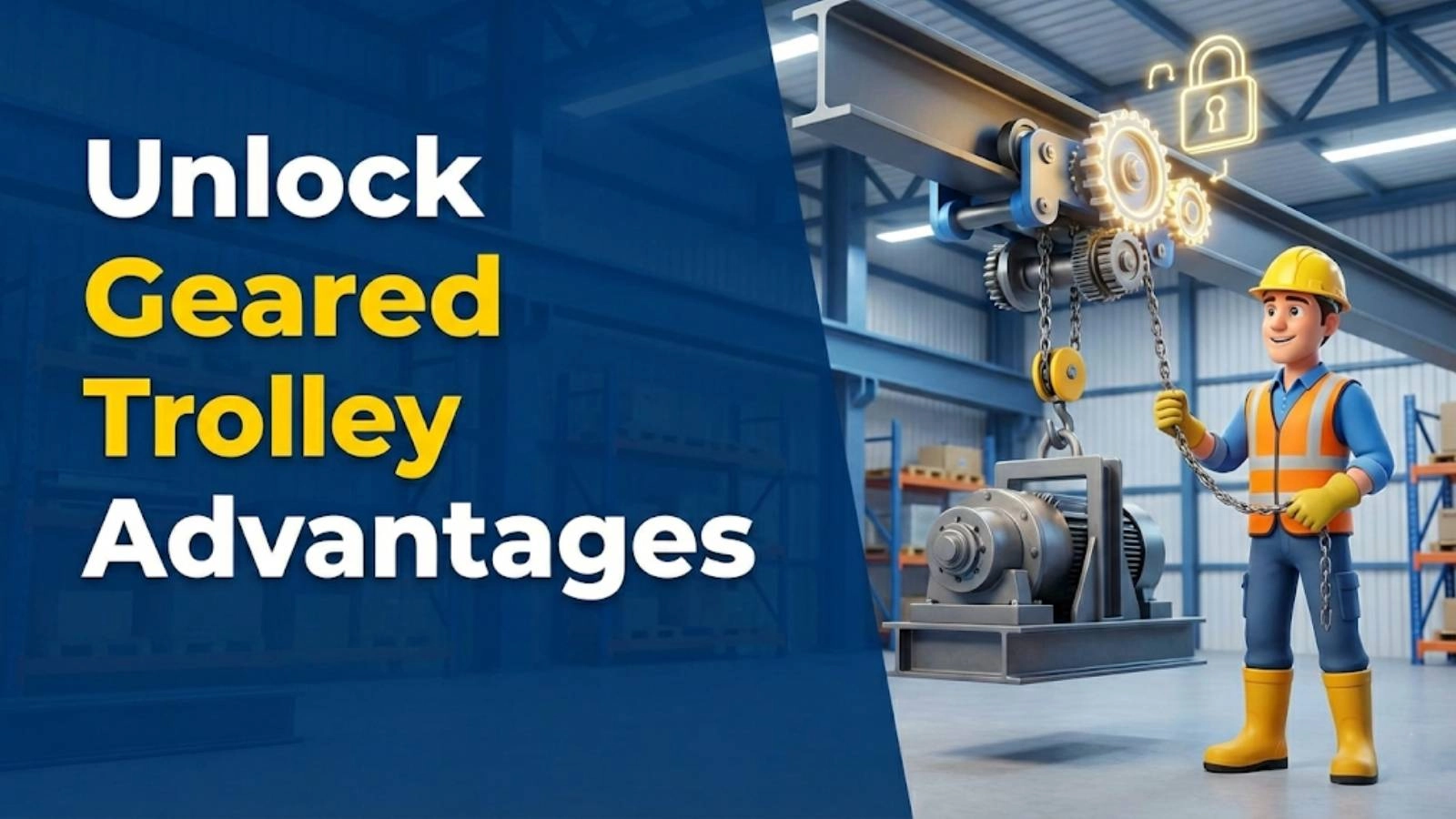
Briefly introduce geared trolleys and their importance in material handling. Highlight the potential dangers of improper use and maintenance. State the article’s purpose: to identify common mistakes in geared trolley safety and offer solutions.
1. Overlooking Pre-Use Inspections
Explain the importance of pre-use inspections for geared trolleys. Detail what a thorough inspection should include, such as checking for wear and tear, damaged components, and proper functionality of the gears and wheels. Emphasize how skipping this step can lead to accidents and injuries.
2. Neglecting Load Capacity Limits
Discuss the critical importance of adhering to the load capacity limits of geared trolleys. Explain the consequences of exceeding these limits, including equipment failure, dropped loads, and potential injuries. Provide guidance on how to accurately determine the weight of a load and select the appropriate trolley.
3. Failing to Follow Proper Lifting Procedures
Outline the correct procedures for lifting and moving loads with a geared trolley. Explain the importance of using proper lifting techniques, maintaining a stable load, and avoiding sudden movements. Highlight how incorrect lifting procedures can lead to accidents and injuries.
4. Ignoring Environmental Factors
Explain how environmental factors such as moisture, dust, and extreme temperatures can affect the performance and safety of geared trolleys. Provide guidance on how to protect trolleys from these elements and how to adjust maintenance schedules accordingly. Note that workplace safety can be significantly impacted by neglecting these factors.
5. Insufficient Training and Certification
Emphasize the importance of providing adequate training and certification for personnel who operate and maintain geared trolleys. Outline the key topics that should be covered in a comprehensive training program, including pre-use inspection, proper lifting procedures, and maintenance requirements. We have seen that proper training significantly reduces accidents for many of our clients here in Dammam.
6. Inadequate Maintenance Schedules
Detail the importance of establishing and adhering to a regular maintenance schedule for geared trolleys. Explain what tasks should be included in a maintenance program, such as lubrication, component replacement, and thorough inspection. Provide guidance on how to develop a maintenance schedule that is tailored to the specific usage and environment of the trolley.
7. Using Damaged or Worn Components
Discuss the dangers of using geared trolleys with damaged or worn components, such as gears, wheels, and chains. Explain how to identify these issues and the importance of replacing damaged parts immediately. Stress that ignoring these problems can lead to equipment failure and accidents.
8. Improper Storage Practices
Outline the correct procedures for storing geared trolleys when they are not in use. Explain the importance of storing trolleys in a clean, dry environment and protecting them from damage. Highlight how improper storage practices can lead to corrosion, component failure, and reduced lifespan.
9. Modifying Trolleys Without Authorization
Explain the dangers of modifying geared trolleys without authorization from the manufacturer or a qualified engineer. Highlight how modifications can compromise the structural integrity and safety of the trolley. Emphasize the importance of adhering to the original design specifications.
10. Neglecting Safety Regulations and Standards
Discuss the importance of complying with all relevant safety regulations and standards for geared trolley operation and maintenance. Provide an overview of key regulations and standards, such as those from OSHA, ANSI, and other regulatory bodies. Stress that adherence to these guidelines is crucial for ensuring workplace safety.
11. Ignoring Warning Signs and Labels
Explain the importance of paying attention to warning signs and labels on geared trolleys. Detail the types of information that are typically included on these signs, such as load capacity limits, operating instructions, and safety precautions. Highlight how ignoring these warnings can lead to accidents and injuries.
12. Overlooking the Importance of Proper Gear Lubrication
Explain why proper gear lubrication is essential for the smooth and safe operation of geared trolleys. Detail the types of lubricants that should be used and the frequency with which they should be applied. Highlight how inadequate lubrication can lead to increased wear and tear, reduced efficiency, and potential equipment failure.
13. Mismatching Trolleys with Hoists
Discuss the critical importance of ensuring that geared trolleys are properly matched with the hoists they are intended to support. Explain the factors that should be considered when selecting a trolley for a specific hoist, such as load capacity, lifting height, and mounting compatibility. Stress that using mismatched equipment can lead to instability, overload, and potential accidents.
14. Failing to Secure the Load Properly
Outline the correct procedures for securing loads to geared trolleys. Explain the importance of using appropriate slings, chains, or other rigging hardware to ensure that the load is stable and secure. Highlight how failing to secure the load properly can lead to dropped loads, equipment damage, and potential injuries.
15. Operating Trolleys in Unsafe Environments
Discuss the dangers of operating geared trolleys in unsafe environments, such as areas with obstructions, uneven surfaces, or inadequate lighting. Explain how to identify these hazards and take steps to mitigate them. Emphasize the importance of creating a safe and organized work environment to prevent accidents.
16. Disregarding Unusual Noises or Vibrations
Explain the importance of paying attention to any unusual noises or vibrations that may occur during the operation of a geared trolley. Detail the types of sounds and vibrations that could indicate a problem, such as grinding, squealing, or excessive shaking. Highlight how ignoring these signs can lead to further damage and potential equipment failure.
17. Neglecting the Inspection of Trolley Wheels
Detail the importance of regularly inspecting the wheels of geared trolleys for wear, damage, and proper alignment. Explain how to identify these issues and the steps that should be taken to address them, such as replacing worn wheels or adjusting the alignment. Stress that neglecting wheel maintenance can lead to reduced mobility, increased strain on the trolley, and potential accidents. For many of our clients here in Dammam, we emphasize this point during our overhead crane safety training sessions.
18. Ignoring the Condition of the Trolley Track
Discuss the importance of ensuring that the trolley track is in good condition and free from obstructions. Explain how to inspect the track for damage, such as bends, cracks, or corrosion. Highlight how neglecting track maintenance can lead to jerky movement, increased wear and tear on the trolley, and potential derailment.
19. Failing to Implement a Lockout/Tagout Procedure
Explain the importance of implementing a lockout/tagout (LOTO) procedure during maintenance and repair of geared trolleys. Detail the steps that should be included in a LOTO program, such as disconnecting power sources, applying locks and tags, and verifying that the equipment is de-energized. Stress that failing to implement a LOTO procedure can lead to serious injuries or fatalities.
20. Improperly Documenting Inspections and Maintenance
Emphasize the importance of keeping accurate records of all inspections, maintenance, and repairs performed on geared trolleys. Explain what information should be included in these records, such as the date of the inspection, the findings, and the actions taken. Highlight how proper documentation can help track the condition of the trolley, identify potential problems, and ensure that maintenance is performed on schedule.
Here is an example of a geared trolley inspection checklist:
| Inspection Item |
Pass/Fail |
Notes |
| Wheels (Wear, Damage, Alignment) |
|
|
| Gears (Lubrication, Damage) |
|
|
| Load Capacity Label (Legibility) |
|
|
| Safety Chains/Slings (Condition) |
|
|
| Trolley Body (Cracks, Corrosion) |
|
|
| Track Condition (Obstructions, Damage) |
|
|
| Locking Mechanisms (Functionality) |
|
|
21. Inadequate Emergency Response Planning
Discuss the importance of developing and implementing an emergency response plan for situations involving geared trolleys. Explain what scenarios should be covered in the plan, such as equipment failure, dropped loads, and injuries. Highlight the importance of training personnel on the emergency response plan and conducting regular drills.
22. Not Addressing Employee Concerns
Explain the importance of creating a culture where employees feel comfortable reporting safety concerns related to geared trolleys. Highlight the steps that should be taken to address these concerns promptly and effectively. Emphasize that employee input is invaluable for identifying potential hazards and improving workplace safety.
23. Over-Reliance on Technology
While technology such as sensors and monitoring systems can enhance geared trolley safety, it’s crucial not to over-rely on them. These systems should be used to supplement, not replace, regular inspections, maintenance, and training. Human oversight remains essential for identifying subtle issues and ensuring safe operation. Material handling safety requires a balanced approach.
24. Failing to Learn from Past Incidents
Discuss the importance of thoroughly investigating all incidents involving geared trolleys, regardless of whether they resulted in injuries or property damage. Explain how to identify the root causes of these incidents and implement corrective actions to prevent them from recurring. Highlight the importance of sharing lessons learned with all employees to improve workplace safety.
25. Neglecting Ergonomic Considerations
Explain the importance of considering ergonomic factors when using geared trolleys. Detail the types of ergonomic hazards that can arise, such as repetitive motions, awkward postures, and excessive force. Highlight the steps that can be taken to mitigate these hazards, such as providing adjustable equipment, training employees on proper lifting techniques, and rotating tasks.
“Safety is not an intellectual exercise to keep us in work. It is a matter of law and it is also a moral obligation. It is adherence to the rules and regulations; it is common sense and consideration of others.” – David Thompson, Safety Consultant
26. Ignoring the Impact of Fatigue
Discuss the importance of addressing the impact of fatigue on geared trolley safety. Explain how fatigue can impair judgment, slow reaction times, and increase the risk of errors. Highlight the steps that can be taken to mitigate fatigue, such as providing adequate rest breaks, limiting work hours, and promoting a healthy lifestyle.
27. Using Makeshift Repairs
Explain the dangers of using makeshift or temporary repairs on geared trolleys. Highlight how these repairs can compromise the structural integrity and safety of the trolley. Emphasize the importance of using only genuine replacement parts and following proper repair procedures.
28. Not Adapting to Changing Conditions
Discuss the importance of being adaptable and adjusting safety practices in response to changing conditions. Explain how factors such as new equipment, different work environments, or updated regulations may require modifications to existing procedures. Highlight the importance of staying informed and being proactive in addressing new challenges.
29. Overlooking the Importance of Communication
Explain the importance of clear and effective communication among all personnel involved in the operation of geared trolleys. Highlight the need for communication during lifting operations, maintenance activities, and emergency situations. Emphasize the importance of using standardized hand signals and communication protocols to avoid misunderstandings.
30. Failing to Promote a Strong Safety Culture
Discuss the importance of fostering a strong safety culture within the organization. Explain how to create a workplace where safety is valued, prioritized, and integrated into all aspects of operations. Highlight the role of leadership in promoting a safety culture and the importance of employee involvement. We’ve found that a strong safety culture is the single most important factor in preventing accidents and injuries.
Here’s a summary of the top 3 geared trolley safety mistakes to avoid:
1. Skipping Pre-Use Inspections: Always perform a thorough inspection before each use.
2. Ignoring Load Capacity: Never exceed the trolley’s load capacity limits.
3. Neglecting Maintenance: Establish and adhere to a regular maintenance schedule.
Conclusion
Geared trolleys are essential tools for material handling, but their safe operation demands diligence and awareness. As we’ve explored, overlooking pre-use inspections, neglecting load capacity limits, and failing to follow proper lifting procedures are just a few of the common mistakes that can lead to accidents and injuries. By addressing these issues with comprehensive training, rigorous maintenance schedules, and a strong safety culture, businesses can significantly reduce risks and ensure a safer working environment. We are committed to providing our clients with the knowledge and resources they need to operate geared trolleys safely and efficiently.
FAQ Section
Q: How often should geared trolleys be inspected?
A: Geared trolleys should undergo a pre-use inspection before each shift or use. A more thorough inspection should be conducted at least monthly, or more frequently depending on usage and environmental conditions.
Q: What should be included in a geared trolley inspection checklist?
A: A comprehensive trolley safety checklist should include checks for wheel condition, gear lubrication and damage, load capacity label legibility, safety chain/sling condition, trolley body integrity (cracks, corrosion), track condition (obstructions, damage), and locking mechanism functionality.
Q: What are the consequences of exceeding the load capacity of a geared trolley?
A: Exceeding the load capacity can lead to equipment failure, dropped loads, potential injuries, and damage to materials and property. It’s crucial to always adhere to the load capacity limits specified by the manufacturer.
Q: How important is training for geared trolley operators?
A: Training is critical. Operators must be trained on pre-use inspection, proper lifting procedures, maintenance requirements, and emergency response protocols. Insufficient training significantly increases the risk of accidents and injuries.
Q: What type of maintenance is required for geared trolleys?
A: Regular maintenance should include lubrication of gears and wheels, inspection and replacement of worn or damaged components, tightening of bolts and fasteners, and cleaning to remove dirt and debris.
Q: What safety regulations apply to geared trolley operation?
A: Relevant safety regulations may include OSHA standards, ANSI standards, and other local or industry-specific regulations. It’s important to be familiar with and comply with all applicable regulations.
Q: What should I do if I notice a problem with a geared trolley?
A: If you notice any problems, such as unusual noises, vibrations, or visible damage, immediately remove the trolley from service and report the issue to your supervisor. Do not attempt to repair the trolley yourself unless you are a qualified technician.
Q: Can I modify a geared trolley to increase its load capacity?
A: Modifying a geared trolley without authorization from the manufacturer or a qualified engineer is extremely dangerous and should never be done. Modifications can compromise the structural integrity and safety of the trolley.
Q: How should geared trolleys be stored when not in use?
A: Geared trolleys should be stored in a clean, dry environment, protected from moisture, dust, and extreme temperatures. They should be stored in a way that prevents damage to the wheels, gears, and other components.
Q: What is a lockout/tagout procedure and why is it important?
A: A lockout/tagout (LOTO) procedure is a safety protocol used to ensure that equipment is de-energized and cannot be accidentally started up during maintenance or repair. It involves disconnecting power sources, applying locks and tags, and verifying that the equipment is de-energized. Failing to implement a LOTO procedure can lead to serious injuries or fatalities.
Q: How does environmental factors affect geared trolley safety?
A: Environmental factors like moisture, dust and extreme temperature can greatly affect the performance of geared trolleys. For example, high moisture can lead to corrosion while extreme temperature can affect the performance of the lubricant. Therefore, it is important to protect the trolleys from these elements.
Q: What role does workplace safety play in geared trolley safety?
A: Workplace safety has a significant role to play in geared trolley safety. A clean and well-organized workplace, free of obstacles, can reduce the risk of accidents. Also, adequate lighting can improve visibility and reduce the risk of accidents.
Q: What does geared trolley inspection entail?
A: Geared trolley inspection involves a comprehensive assessment of various components to ensure they are in proper working condition. This usually includes a check for wear and tear on the wheels, condition of the gears, load capacity label, safety chains or slings, trolley body, and the trolley track.
Q: How should one properly document inspections and maintenance of geared trolleys?
A: Proper documentation involves recording the date of inspection, findings, and actions taken. This helps in tracking the condition of the trolley, identifying potential problems, and ensuring maintenance is performed on schedule.
Q: What is the importance of pre-use inspection in ensuring geared trolley safety?
A: Pre-use inspection is critical in ensuring geared trolley safety as it helps in identifying potential issues before they lead to accidents. By identifying and addressing problems early, the risk of equipment failure and injuries is reduced.
Q: How often should geared trolley inspection be conducted?
A: Geared trolley inspection should be conducted before each use, regularly depending on the level of usage, and after any repair or maintenance activity. This helps in ensuring that the trolley is safe for operation at all times.
Q: What are some safety regulations that should be adhered to when operating geared trolleys?
A: Some of the key geared trolley safety regulations that should be adhered to include OSHA standards, ANSI standards, and other industry-specific guidelines. Adhering to these regulations is crucial for ensuring workplace safety and avoiding penalties.
Q: What measures can be taken to ensure material handling safety when using geared trolleys?
A: To ensure material handling safety, ensure that the load is properly balanced, and the trolley is not overloaded. Regular inspections, maintenance, and training of operators are also crucial.
Q: How can you ensure hoist safety when using geared trolleys?
A: To ensure hoist safety when using geared trolleys, match the trolley with the hoist properly in terms of load capacity and lifting height, and also ensure that the hoist is properly mounted on the trolley.
Q: What is the significance of load capacity in geared trolley safety?
A: Load capacity is a critical safety factor in geared trolley safety because exceeding it can lead to equipment failure, dropped loads, potential injuries, and damage to materials and property. Therefore, the load capacity should never be exceeded.
Q: What is geared trolley maintenance and why is it important?
A: Geared trolley maintenance involves lubricating gears and wheels, inspecting and replacing worn or damaged components, and tightening bolts and fasteners. It is important because it helps ensure that the trolley operates smoothly and safely, reducing the risk of accidents.
Q: How can you ensure trolley safety checklist is effectively used?
A: To ensure the effectiveness of a trolley safety checklist, it should be detailed and cover all critical aspects of the trolley’s condition. The checklist should be used consistently and diligently, and any identified issues should be addressed immediately.