Elevate fall protection training to create a safer work environment. Falls are a leading cause of workplace injuries and fatalities, making comprehensive fall protection training essential for any organization where employees work at height. Effective fall protection training can significantly reduce the risk of accidents and ensure compliance with safety regulations. Let’s explore how to elevate your fall protection training program to the next level, integrating key elements to foster a culture of safety.
1. Emphasize Hazard Identification and Risk Assessment
✅ Effective fall protection training begins with a strong emphasis on hazard identification and risk assessment. Workers need to be able to recognize potential fall hazards and understand how to evaluate the associated risks. This proactive approach is crucial for preventing falls before they occur.
1.1. Conduct Detailed Site-Specific Assessments
Thoroughly assess all potential fall hazards present at each specific job site. This goes beyond general checklists and involves active observation and documentation of unique risks. We at Safe and Secure Trading Company emphasize that a generic approach won’t suffice; each site presents distinct challenges that require careful evaluation. For many of our clients here in Dammam, we’ve seen that detailed, site-specific assessments lead to a significant reduction in fall-related incidents.
1.2. Integrate Employee Input in Hazard Identification
Actively solicit feedback from employees regarding potential hazards. They are often the first to observe risks that management might overlook. We believe that employees are the eyes and ears of the workplace, and their insights are invaluable for identifying potential hazards. According to a recent study, companies that actively involve employees in hazard identification experience a 25% reduction in workplace accidents.
1.3. Document and Regularly Update Risk Assessments
Maintain detailed records of all risk assessments and update them regularly, especially after any changes to site conditions or work processes. This ensures that the assessments remain relevant and accurate. We’ve found that regular updates help keep the focus on workplace safety, and our clients see tangible improvements in their safety metrics as a result.
2. Incorporate Hands-On, Practical Training
💡 While classroom instruction is important, fall protection training should also incorporate hands-on, practical exercises. This allows employees to apply what they’ve learned in a safe and controlled environment, improving their confidence and competence. Practical training helps reinforce theoretical knowledge.
2.1. Conduct Simulated Fall Scenarios
Create realistic simulated fall scenarios that allow employees to practice using fall protection equipment under controlled conditions. This helps them develop muscle memory and confidence in their ability to respond effectively in a real-world situation. We’ve observed that simulated scenarios significantly improve response times during actual incidents.
2.2. Require Equipment Inspection and Fitting Exercises
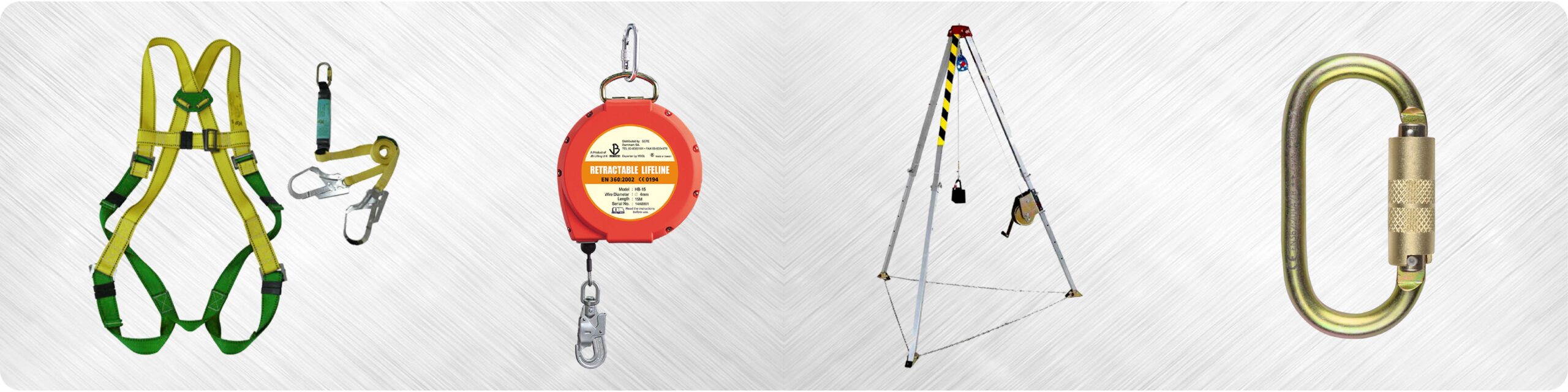
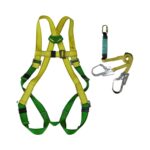
Train employees to properly inspect and fit their personal protective equipment before each use. This includes harnesses, lanyards, and anchor points. We at Safe and Secure Trading Company always stress the importance of this step, as improperly fitted or damaged equipment can significantly increase the risk of injury during a fall.
2.3. Integrate Rescue Plan Drills
Regularly conduct rescue plan drills to ensure that employees know how to respond in the event of a fall. This includes knowing how to use rescue equipment and how to provide first aid. Having a well-rehearsed rescue plan can minimize the severity of injuries in the event of a fall. For many of our clients, particularly those in high-risk industries, we recommend conducting these drills at least quarterly.
3. Use Varied Training Methods
➡️ To cater to different learning styles and maximize knowledge retention, it’s important to use varied training methods in your fall protection training program. This can include online modules, videos, interactive exercises, and in-person instruction. A blended approach ensures that all employees can effectively learn and retain the material.
3.1. Implement Blended Learning Approaches
Combine online modules with in-person instruction to cater to different learning styles and maximize knowledge retention. Online modules allow employees to learn at their own pace, while in-person instruction provides opportunities for hands-on practice and personalized feedback. We at Safe and Secure Trading Company find that this combination is particularly effective for complex topics.
3.2. Utilize Visual Aids and Demonstrations
Use videos, diagrams, and live demonstrations to illustrate key concepts and procedures related to fall protection. Visual aids can help employees better understand and remember the information. Demonstrations provide a clear and concise way to show employees how to properly use fall protection equipment.
3.3. Incorporate Gamification and Interactive Elements
Introduce gamified elements and interactive quizzes to make the training more engaging and improve knowledge absorption. Gamification can make learning more fun and motivating, while interactive quizzes can help employees test their knowledge and identify areas where they need additional training. We often recommend this approach, especially for younger workers.
4. Focus on Proper Equipment Selection and Use
✅ A critical component of effective fall protection training is teaching employees how to properly select and use personal protective equipment (PPE). This includes understanding the different types of equipment available, how to inspect it for damage, and how to properly fit and adjust it. Correct equipment usage is paramount for safety.
4.1. Train on Specific Equipment Types
Provide detailed training on the specific types of fall protection equipment used at the worksite, including their limitations and proper applications. Not all equipment is created equal, and it’s important for employees to understand the differences between them. For instance, a self-retracting lanyard (SRL) is suitable for some situations but not others.
4.2. Emphasize Compatibility of Components
Ensure that employees understand the importance of using compatible components within a fall protection system. Mixing and matching incompatible components can compromise the effectiveness of the system and increase the risk of injury. We at Safe and Secure Trading Company always remind our clients to only use components that are certified to work together.
4.3. Detail Proper Donning and Doffing Procedures
Provide comprehensive instructions on how to properly put on (don) and take off (doff) fall protection equipment, emphasizing correct adjustments and secure connections. This ensures that the equipment is properly fitted and will function as intended in the event of a fall. Proper donning and doffing procedures are often overlooked, but they are essential for ensuring worker safety.
5. Reinforce Training with Regular Refresher Courses
💡 Fall protection training is not a one-time event. To ensure that employees retain the information and continue to practice safe work habits, it’s important to reinforce training with regular refresher courses. Regular reinforcement is key to maintaining a strong safety culture and preventing complacency.
5.1. Schedule Annual Refresher Training
Conduct annual refresher training to reinforce key concepts and update employees on any changes to regulations or best practices. This helps ensure that employees stay up-to-date on the latest safety procedures and maintain their competence in fall protection. We’ve consistently seen that annual refresher courses lead to a noticeable improvement in overall workplace safety.
5.2. Implement Short “Toolbox Talks”
Regularly conduct brief “toolbox talks” to address specific fall protection topics and reinforce safe work habits. These short, informal sessions can be used to address specific hazards or reinforce key concepts. Toolbox talks are an excellent way to keep fall protection top of mind and promote a culture of safety.
5.3. Document and Track Refresher Training
Maintain records of all refresher training sessions, including the topics covered and the employees who attended. This helps ensure that all employees receive the necessary training and that the training program is effective. Proper documentation is essential for demonstrating safety compliance and for tracking the effectiveness of the training program.
6. Promote a Strong Safety Culture
➡️ Fall protection training is most effective when it is part of a strong safety culture. This means creating a workplace where safety is valued and prioritized at all levels of the organization. A strong safety culture encourages employees to take ownership of their safety and to look out for the safety of others.
6.1. Lead by Example
Ensure that management actively demonstrates a commitment to safety and follows all fall protection procedures. When managers lead by example, it sends a strong message that safety is a priority. This can help create a culture where employees feel empowered to speak up about safety concerns and to take action to prevent falls.
6.2. Encourage Open Communication
Foster a culture of open communication where employees feel comfortable reporting hazards and asking questions about fall protection. This helps ensure that potential hazards are identified and addressed promptly. Open communication is essential for creating a safe and healthy workplace.
6.3. Recognize and Reward Safe Behaviors
Recognize and reward employees who consistently demonstrate safe work habits and actively participate in safety initiatives. This can help reinforce positive behaviors and create a culture where safety is valued and rewarded. Recognizing and rewarding safe behaviors is a powerful way to promote a strong safety culture.
7. Ensure Thorough Documentation and Record-Keeping
✅ Proper documentation and record-keeping are essential for demonstrating safety compliance and for tracking the effectiveness of the fall protection program. This includes maintaining records of all training, equipment inspections, and incidents. Accurate records provide valuable insights.
7.1. Maintain Detailed Training Records
Keep detailed records of all fall protection training, including the dates, topics covered, and employees who participated. This helps ensure that all employees receive the necessary training and that the training program is effective. Detailed training records are essential for demonstrating safety compliance and for tracking the effectiveness of the training program.
7.2. Document Equipment Inspections and Maintenance
Maintain records of all equipment inspections and maintenance activities, including the dates, findings, and corrective actions taken. This helps ensure that equipment is properly maintained and safe to use. We at Safe and Secure Trading Company emphasize that regular equipment inspections are crucial for preventing accidents and injuries.
7.3. Track Incidents and Near Misses
Carefully track all incidents and near misses related to falls and use this data to identify areas for improvement in the fall protection program. Analyzing incident data can help identify trends and patterns that can be used to prevent future falls. Tracking near misses is particularly important, as they can provide valuable insights into potential hazards before they result in an injury.
8. Implementing Effective Fall Restraint Systems
💡 An effective fall protection strategy involves not just stopping falls but preventing them in the first place. Fall restraint systems are designed to do just that, preventing workers from reaching a fall hazard.
8.1. Understanding Fall Restraint vs. Fall Arrest
Clearly differentiate between fall restraint and fall arrest systems in your training, emphasizing their specific applications and limitations. Fall restraint prevents workers from reaching a fall hazard, while fall arrest stops a fall that has already occurred. We often explain that fall restraint is the preferred method because it eliminates the possibility of a fall altogether.
8.2. Proper Selection of Fall Restraint Equipment
Detail the correct selection of fall restraint equipment, including harnesses, lanyards, and anchor points, based on the specific work environment and tasks. The right equipment is crucial for ensuring that the system functions effectively. For example, a lanyard that is too long could allow a worker to reach the fall hazard, defeating the purpose of the fall restraint system.
8.3. Calculating Fall Distance in Restraint Systems
Train workers on how to accurately calculate fall distance within a restraint system to ensure the lanyard is short enough to prevent reaching the fall hazard. This calculation must take into account the worker’s height, the length of the lanyard, and any potential sag or stretch in the system. Accurate calculations are essential for ensuring that the fall restraint system is effective.
9. Advanced Anchor Point Considerations
➡️ Anchor points are a critical component of any fall protection system. Providing in-depth training on anchor point selection, standards, and types is essential for ensuring worker safety.
9.1. Identifying Suitable Anchor Points
Provide in-depth training on identifying suitable anchor points for fall protection systems, emphasizing structural integrity and load-bearing capacity. An anchor point must be able to withstand the forces generated during a fall. Workers need to be able to recognize the signs of a weak or unsuitable anchor point.
9.2. Understanding Anchor Point Standards and Regulations
Cover the relevant OSHA regulations and standards related to anchor point strength and placement, ensuring safety compliance with legal requirements. OSHA requires that anchor points be capable of supporting at least 5,000 pounds per employee attached, or be designed and used under the supervision of a qualified person.
9.3. Temporary vs. Permanent Anchor Point Systems
Explain the differences between temporary and permanent anchor point systems, outlining the specific considerations for each type. Temporary anchor points are often used for short-term projects, while permanent anchor points are installed for long-term use. Each type of anchor point has its own specific requirements for installation, inspection, and maintenance.
| Anchor Point Type |
Typical Use |
Key Considerations |
| Temporary |
Short-term projects, mobile work |
Easy installation, portability, load capacity verification |
| Permanent |
Long-term access, fixed locations |
Structural integration, durability, regular inspection |
| Mobile |
Areas requiring movement, flexibility |
Stability, range of motion, secure attachment |
10. Addressing Unique Fall Hazards in Specific Industries
✅ Fall protection needs vary greatly from industry to industry. Tailoring your fall protection training to address the specific hazards present in different industries is essential for ensuring worker safety.
10.1. Fall Protection in Construction
Address the specific fall hazards common in the construction industry, such as falls from scaffolding, roofs, and ladders. Construction workers are exposed to a wide range of fall hazards, making comprehensive fall protection training essential. Topics should include scaffold safety, ladder safety, and roof safety.
10.2. Fall Protection in Telecommunications
Discuss the unique fall protection challenges in the telecommunications industry, including working on towers and utility poles. Telecommunications workers often work at great heights, making fall protection critical. Training should cover tower climbing techniques, harness use, and rescue procedures.
10.3. Fall Protection in Manufacturing
Cover the fall protection requirements in manufacturing settings, focusing on hazards such as elevated platforms, mezzanines, and machinery. Manufacturing environments often contain elevated platforms and machinery that pose fall hazards. Training should cover the use of guardrails, safety nets, and personal protective equipment.
11. Integrating Technology into Fall Protection Training
💡 Technology can play a significant role in enhancing fall protection training and improving worker safety. Exploring the use of virtual reality, mobile apps, and drones can help create more engaging and effective training programs.
11.1. Utilizing Virtual Reality (VR) for Realistic Simulations
Explore the use of VR technology to create immersive and realistic fall protection training simulations, allowing workers to experience hazardous scenarios in a safe environment. VR simulations can provide a realistic and engaging way for workers to learn about fall protection. They can practice using equipment, respond to emergencies, and experience the consequences of unsafe behaviors without putting themselves at risk.
11.2. Implementing Mobile Apps for Inspections and Reporting
Introduce mobile apps that enable workers to easily conduct equipment inspections, report hazards, and access fall protection resources in the field. Mobile apps can streamline the inspection process and make it easier for workers to report hazards. They can also provide access to valuable fall protection resources, such as training videos, checklists, and regulatory information.
11.3. Using Drones for Hazard Identification
Discuss how drones can be used to identify and assess potential fall hazards from a safe distance, improving the efficiency and effectiveness of risk assessments. Drones can be equipped with cameras and sensors to capture high-resolution images and videos of potential fall hazards. This information can be used to create detailed risk assessments and to identify areas where fall protection measures need to be improved.
12. Emergency Procedures and Post-Fall Management
➡️ Even with the best fall protection measures in place, falls can still occur. It’s essential to have well-defined emergency procedures and to train workers on how to respond in the event of a fall.
12.1. Detailed Post-Fall Suspension Trauma Training
Provide in-depth training on the risks of suspension trauma following a fall, including the importance of prompt rescue and medical attention. Suspension trauma can occur when a worker is suspended in a harness after a fall. The pressure from the harness straps can restrict blood flow to the legs, leading to serious injury or death. Workers need to be trained on how to recognize the symptoms of suspension trauma and how to provide assistance to a suspended worker.
12.2. Developing a Comprehensive Rescue Plan
Guide workers on how to develop a comprehensive rescue plan that outlines the steps to be taken in the event of a fall, including communication protocols, equipment requirements, and medical response. A well-defined rescue plan is essential for ensuring that a fallen worker is rescued quickly and safely. The plan should include procedures for communication, equipment retrieval, and medical assistance.
12.3. Conducting Post-Incident Investigations
Emphasize the importance of conducting thorough post-incident investigations to identify the root causes of falls and implement corrective actions to prevent future occurrences. Post-incident investigations can help identify the factors that contributed to a fall, such as inadequate training, faulty equipment, or unsafe work practices. This information can be used to implement corrective actions and prevent future falls.
“Effective fall protection training is not just about compliance; it’s about creating a culture of safety where workers are empowered to protect themselves and their colleagues.” – John Smith, Lead Safety Inspector
Top 3 Items to Elevate Fall Protection Training:
1. Hazard Identification and Risk Assessment
2. Hands-On, Practical Training
3. Regular Refresher Courses
By implementing these strategies, organizations can significantly improve their fall protection training programs and create a safer work environment for their employees.
Conclusion
Elevating your fall protection training is an investment in the safety and well-being of your employees. By emphasizing hazard identification, incorporating hands-on training, using varied training methods, focusing on proper equipment selection and use, reinforcing training with regular refresher courses, promoting a strong safety culture, ensuring thorough documentation, implementing effective fall restraint systems, addressing advanced anchor point considerations, addressing unique fall hazards in specific industries, integrating technology into fall protection training, and establishing emergency procedures and post-fall management, you can create a comprehensive and effective fall protection program. We are committed to helping you create a safer workplace.
FAQ Section
Q: How often should fall protection training be conducted?
A: At a minimum, fall protection training should be conducted annually. However, more frequent training may be necessary for workers who are exposed to high-risk fall hazards or who have recently experienced a fall.
Q: What are the key elements of an effective fall protection training program?
A: The key elements of an effective fall protection training program include hazard identification, risk assessment, hands-on training, proper equipment selection and use, regular refresher courses, and a strong safety culture.
Q: What is the difference between fall restraint and fall arrest?
A: Fall restraint prevents workers from reaching a fall hazard, while fall arrest stops a fall that has already occurred. Fall restraint is the preferred method because it eliminates the possibility of a fall altogether.
Q: What are the OSHA requirements for anchor points?
A: OSHA requires that anchor points be capable of supporting at least 5,000 pounds per employee attached, or be designed and used under the supervision of a qualified person.
Q: How can technology be used to enhance fall protection training?
A: Technology can be used to enhance fall protection training through the use of virtual reality simulations, mobile apps for inspections and reporting, and drones for hazard identification.