Choosing the right lifting tool can be a daunting task, especially when faced with options like a lever block vs chain hoist. Both are essential pieces of lifting equipment, but they cater to different needs and applications. Understanding their distinct characteristics is crucial for ensuring safety, efficiency, and cost-effectiveness in your operations.
A common challenge: Choosing the right lifting tool.
Selecting the appropriate lifting device is not merely a matter of convenience; it’s a critical decision that impacts safety and productivity. The wrong choice can lead to project delays, increased costs, and, most importantly, potential accidents. Therefore, a thorough understanding of the capabilities and limitations of each tool is paramount.
Briefly introduce lever blocks and chain hoists.
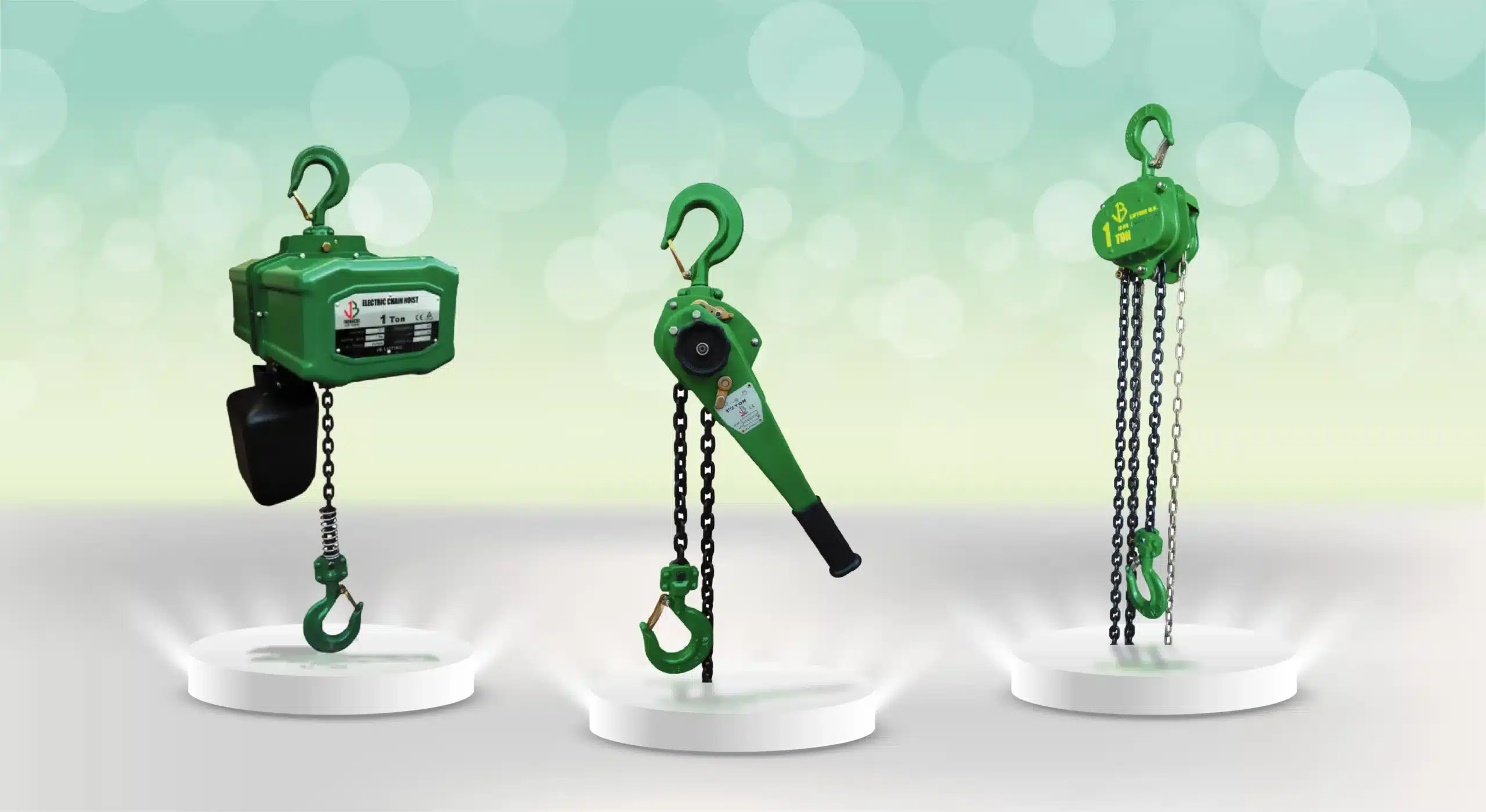
A lever block, also known as a come along or ratchet hoist, is a portable device designed for lifting, pulling, and positioning loads using a lever and ratchet mechanism. On the other hand, a chain hoist, often referred to as a chain block or manual hoist, is typically mounted overhead and uses a gear system to lift heavier loads with greater ease, making it ideal for repetitive tasks.
The goal: Making an informed decision for your needs.
Our goal is to provide you with a comprehensive comparison between lever blocks and chain hoists, equipping you with the knowledge to make an informed decision. We’ll delve into their features, applications, safety considerations, and cost implications. By the end of this guide, you’ll be well-equipped to select the right tool for your specific lifting needs.
Storytelling Hook: Begin with a brief anecdote about a time when the wrong lifting tool was used, leading to complications or safety issues.
We once encountered a client who attempted to use a lever block for a repetitive lifting task in their manufacturing plant, believing its portability would be an advantage. However, the lever block’s lower hoist capacity and the repetitive motion required led to operator fatigue and slowed down their production line significantly. They soon realized that a chain hoist would have been a more suitable choice for the job, highlighting the importance of matching the tool to the task.
What is a Lever Block?
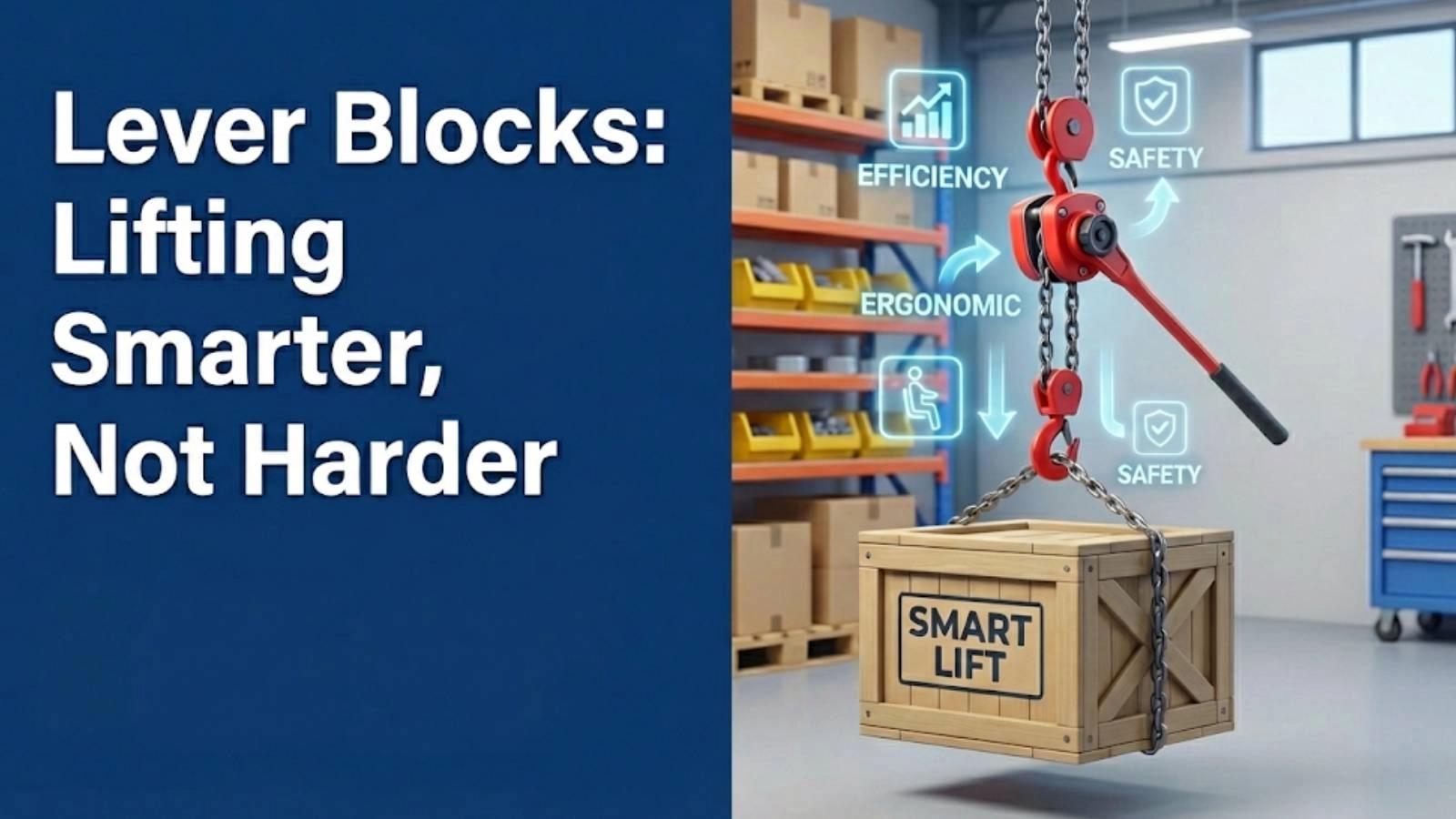
A lever block is a manual lifting device that uses a lever and ratchet system to lift, pull, and position loads. Its compact design and portability make it a versatile tool for various applications, especially in situations where space is limited or power is unavailable.
Define a lever block and its primary function.
A lever block is a hand-operated hoist designed to lift, pull, and secure loads. Its primary function is to provide a mechanical advantage, allowing users to lift heavy objects with minimal effort. It is commonly used in situations where precision and control are essential.
Explain the lever mechanism and how it works.
The lever mechanism in a lever block consists of a ratchet and pawl system connected to a chain. By repeatedly pulling the lever, the user engages the ratchet, which then pulls the chain through the block, lifting or pulling the load. The lever provides the mechanical advantage, multiplying the user’s force to lift heavier objects than they could manually. The come along functionality is critical for many jobs.
Highlight its portability and ease of use in tight spaces.
One of the key advantages of a lever block is its portability. Its compact size and lightweight design make it easy to carry and set up in various locations, including confined spaces where other lifting devices cannot reach. This is particularly useful in construction sites, maintenance operations, and rigging applications.
Common applications: construction, maintenance, and rigging.
Lever blocks are commonly used in construction for lifting materials to elevated locations, in maintenance for pulling machinery into place, and in rigging for securing loads during transport. Their versatility and portability make them indispensable tools for professionals in these fields. The ratchet hoist features of the lever block can make difficult adjustments simple.
What is a Chain Hoist?
A chain hoist, also known as a chain block or manual hoist, is a mechanical device used to lift and lower heavy loads using a chain. It typically consists of a load chain, a hand chain, and a gear system housed within a metal casing. Chain hoists are commonly mounted overhead and used for repetitive lifting tasks in manufacturing, automotive repair, and workshops.
Define a chain hoist and its typical setup (overhead mounting).
A chain hoist is a manually operated lifting device designed to lift heavy loads vertically. It is typically suspended from an overhead structure, such as a beam or trolley, providing a fixed lifting point. The hoist capacity is typically higher than a lever block.
Explain the gear system for lifting heavier loads.
The gear system within a chain hoist multiplies the user’s pulling force on the hand chain, allowing them to lift much heavier loads than they could manually. The gears reduce the amount of effort required, making it easier to lift heavy objects safely and efficiently.
Discuss its suitability for repetitive lifting tasks.
Chain hoists are particularly well-suited for repetitive lifting tasks due to their ease of use and efficiency. The gear system minimizes the effort required, reducing operator fatigue and increasing productivity. This makes them ideal for manufacturing plants, assembly lines, and other environments where heavy objects need to be lifted repeatedly.
Common applications: manufacturing, automotive repair, and workshops.
Chain hoists are commonly used in manufacturing plants for lifting heavy components, in automotive repair shops for lifting engines and vehicle parts, and in workshops for general lifting tasks. Their reliability and ease of use make them essential tools for these industries. Chain blocks are a staple for any operation needing to lift heavy loads regularly.
Deep Dive: Key Differences Between Lever Blocks and Chain Hoists
While both lever blocks and chain hoists serve the purpose of lifting heavy objects, they differ significantly in terms of capacity, lifting height, portability, ease of use, and maintenance. Understanding these differences is crucial for selecting the right tool for your specific needs.
Capacity: Compare typical lifting capacities for each type.
Lever blocks typically have lifting capacities ranging from 0.25 tons to 9 tons, while chain hoists can handle loads from 0.5 tons to 50 tons or more. This difference in capacity makes chain hoists more suitable for heavy-duty lifting applications, while lever blocks are better suited for lighter loads and more precise positioning.
Lifting Height: Discuss the limitations and advantages of each.
The lifting height of a lever block is typically limited by the length of its chain, which is usually shorter than that of a chain hoist. Chain hoists can offer significantly higher lifting heights, making them ideal for applications where objects need to be lifted to elevated locations. This is essential in many material handling situations.
Portability: Which is easier to move and set up?
Lever blocks are significantly more portable than chain hoists due to their compact size and lighter weight. They can be easily carried and set up in various locations, making them ideal for on-site construction and maintenance tasks. Chain hoists, on the other hand, are typically mounted overhead and are less portable.
Ease of Use: Simplicity of operation for different skill levels.
Both lever blocks and chain hoists are relatively easy to use, but they require different operating techniques. Lever blocks require the operator to repeatedly pull the lever to lift the load, while chain hoists require pulling on a hand chain. Chain hoists generally require less physical effort for lifting heavier loads, making them easier to use for repetitive tasks.
Maintenance: Comparing maintenance requirements and potential issues.
Both lever blocks and chain hoists require regular maintenance to ensure safe and reliable operation. This includes lubricating moving parts, inspecting chains for wear and damage, and checking the brake mechanism. Chain hoists, with their more complex gear systems, may require more specialized maintenance than lever blocks. Hoist maintenance is a critical part of operations for safe overhead lifting.
Safety Considerations: A Critical Comparison
Safety is paramount when using any lifting equipment. Both lever blocks and chain hoists have safety features designed to prevent accidents, but it’s crucial to understand these features and follow proper operating procedures to ensure a safe working environment.
Overload Protection: Discuss the features that prevent overloading.
Many lever blocks and chain hoists are equipped with overload protection devices that prevent the tool from lifting loads beyond its rated capacity. These devices typically consist of a slip clutch or a shear pin that will fail if the load exceeds the limit, preventing damage to the tool and reducing the risk of accidents.
Chain Quality: Emphasize the importance of high-grade chains and inspections.
The chain is a critical component of both lever blocks and chain hoists. It’s essential to use high-grade chains that meet industry standards and to inspect them regularly for signs of wear, damage, or corrosion. Damaged chains should be replaced immediately to prevent failure and potential accidents.
User Training: The necessity of proper training for safe operation.
Proper training is essential for the safe operation of both lever blocks and chain hoists. Users should be trained on the correct operating procedures, including how to inspect the tool, how to attach the load, and how to lift and lower the load safely. Training should also cover the risks associated with improper use and the importance of following safety guidelines.
Environmental Factors: How different conditions (e.g., weather) can affect safety.
Environmental factors, such as weather conditions, can significantly affect the safety of lifting operations. Rain, snow, and ice can make surfaces slippery and increase the risk of falls. Extreme temperatures can also affect the performance of the tool and the strength of the chain. It’s important to take these factors into consideration and adjust operating procedures accordingly to ensure a safe working environment.
Performance in Different Environments
The choice between a lever block and a chain hoist often depends on the specific environment and the nature of the lifting task. Each tool excels in different settings, and understanding these differences can help you make the right choice.
Construction Sites: The best option for mobile, on-the-go lifting.
On construction sites, where mobility and flexibility are paramount, lever blocks are often the preferred choice. Their portability allows workers to easily move them from one location to another, making them ideal for lifting materials to elevated locations or positioning heavy objects in tight spaces.
Manufacturing Plants: Ideal for repetitive, heavy lifting tasks.
In manufacturing plants, where repetitive lifting tasks are common, chain hoists are generally the better option. Their ability to lift heavier loads with less effort makes them ideal for assembly lines, machine shops, and other environments where heavy objects need to be lifted repeatedly.
Automotive Repair Shops: Advantages of chain hoists for engine work.
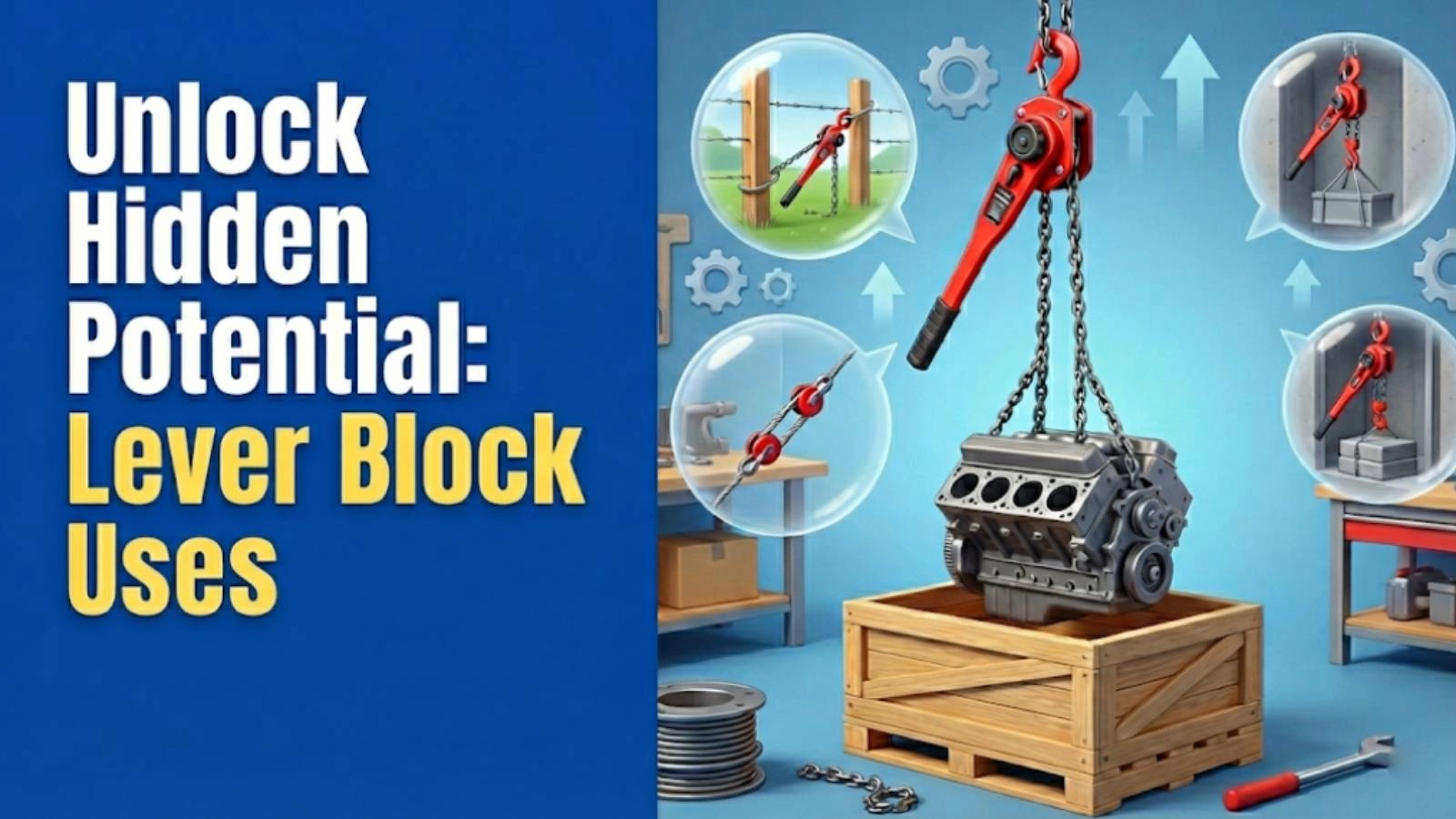
Automotive repair shops often rely on chain hoists for lifting engines and other heavy vehicle parts. The chain hoist’s overhead mounting and high lifting capacity make it well-suited for this type of work, allowing mechanics to easily lift and position heavy components with precision.
DIY Projects: Consider the scale and frequency of the project.
For DIY projects, the choice between a lever block and a chain hoist depends on the scale and frequency of the project. For occasional lifting of lighter objects, a lever block may be sufficient. However, for larger projects involving heavier objects or repetitive lifting, a chain hoist may be a better investment.
Expert Quote:
“When selecting lifting equipment, consider the frequency of use, the weight of the load, and the working environment to ensure both efficiency and safety.” – John Davis, Certified Safety Engineer
Cost Analysis: Initial Investment and Long-Term Expenses
The cost of a lever block vs chain hoist can vary depending on the capacity, brand, and features. In addition to the initial purchase price, it’s important to consider the long-term expenses, such as maintenance, repair, and replacement parts.
Initial Purchase Price: Compare the costs of comparable models.
Generally, lever blocks tend to have a lower initial purchase price compared to chain hoists of comparable capacity. This makes lever blocks a more attractive option for smaller businesses or individuals with limited budgets. However, it’s important to consider the long-term costs and benefits of each tool before making a decision.
Maintenance Costs: Estimate long-term maintenance and repair expenses.
Both lever blocks and chain hoists require regular maintenance to ensure safe and reliable operation. The maintenance costs can vary depending on the frequency of use, the operating environment, and the quality of the tool. Chain hoists, with their more complex gear systems, may require more specialized maintenance than lever blocks.
Replacement Parts: Availability and cost of replacement parts.
The availability and cost of replacement parts are important considerations when choosing between a lever block and a chain hoist. It’s important to choose a brand that offers readily available and affordable replacement parts to minimize downtime and repair costs.
Operational Efficiency: How each tool can impact project timelines and labor costs.
The operational efficiency of each tool can have a significant impact on project timelines and labor costs. Chain hoists, with their ability to lift heavier loads with less effort, can increase productivity and reduce labor costs in repetitive lifting applications. Lever blocks, with their portability and versatility, can improve efficiency in on-site construction and maintenance tasks.
Real-World Examples: When to Choose Which
To further illustrate the differences between lever blocks and chain hoists, let’s consider a few real-world examples:
Scenario 1: A construction crew needing to lift materials on a rooftop.
In this scenario, a lever block would be the ideal choice due to its portability and ease of use. The construction crew can easily carry the lever block to the rooftop and use it to lift materials from the ground.
Scenario 2: An automotive mechanic replacing an engine.
For an automotive mechanic replacing an engine, a chain hoist would be the better option. The chain hoist’s overhead mounting and high lifting capacity make it well-suited for lifting and positioning heavy engines with precision.
Scenario 3: A homeowner lifting a heavy object in their garage.
A homeowner lifting a heavy object in their garage could use either a lever block or a chain hoist, depending on the weight of the object and the available space. If the object is relatively light and the space is limited, a lever block would be a good choice. However, if the object is heavy and there is sufficient overhead space, a chain hoist would be more suitable.
Statistic: According to a recent survey, 65% of construction professionals prefer lever blocks for their portability in on-site projects, compared to 35% who opt for chain hoists.
Case Study: Lever Block Triumph
One of our clients, a construction company specializing in building renovations in Dammam, faced a significant challenge when working on a project with limited access. They needed to lift heavy window frames to the upper floors of a building with narrow stairwells and no elevator. Traditional lifting methods were impractical, and using a crane was not feasible due to the confined space.
Storytelling: Share a detailed case study about a client using a lever block successfully. Focus on a unique challenge they overcame.
The construction crew decided to use a lever block to lift the window frames. Its portability and compact design allowed them to easily carry the lever block and the window frames up the stairwells. They then used the lever block to lift the frames into place, one by one.
Highlight the specific features that made it the best choice for their scenario.
The lever block’s ratchet hoist functionality proved invaluable in this scenario. It allowed the crew to make precise adjustments to the frames’ position, ensuring a perfect fit. The lever block’s robust construction and high safety standards also gave the crew peace of mind, knowing they were using a reliable and safe lifting device.
Quantifiable Results: Show improvements or benefits (e.g., time saved, increased efficiency).
By using a lever block, the construction company was able to complete the project on time and within budget. They estimated that using traditional lifting methods would have added several days to the project timeline and significantly increased labor costs. The lever block not only saved them time and money but also improved the overall efficiency of the project.
Case Study: Chain Hoist Victory
We worked with a manufacturing plant that needed to streamline their production line. They were manually lifting heavy components, which was time-consuming and physically demanding for their workers. They needed a solution that would increase efficiency and reduce the risk of injuries.
Storytelling: Share a detailed case study about a client using a chain hoist successfully. Focus on a unique challenge they overcame.
The plant decided to implement chain hoists at various workstations along the production line. These hoists allowed workers to easily lift and position heavy components with minimal effort, significantly reducing the physical strain on their bodies.
Highlight the specific features that made it the best choice for their scenario.
The chain hoist’s ability to lift heavy loads with ease was a key factor in its success. The gear system minimized the effort required, allowing workers to focus on other tasks. The chain block design, with its overhead mounting, also freed up valuable floor space, improving the overall layout of the production line.
Quantifiable Results: Show improvements or benefits (e.g., time saved, increased efficiency).
After implementing chain hoists, the manufacturing plant saw a significant increase in productivity. They were able to complete more units per day with fewer workers, resulting in lower labor costs. The chain hoists also reduced the number of work-related injuries, leading to fewer lost workdays and lower insurance premiums.
Conclusion: The Final Verdict
In summary, the choice between a lever block vs chain hoist depends heavily on the specific requirements of the task at hand. Lever blocks excel in situations demanding portability, flexibility, and precise positioning, while chain hoists are the go-to solution for repetitive, heavy lifting in fixed locations. Understanding these nuances is vital for optimizing efficiency and ensuring safety in your operations.
Summarize the key differences and advantages of each tool.
Lever blocks offer unmatched portability and are ideal for on-the-go lifting tasks, while chain hoists provide the muscle for heavy, repetitive lifting in a more permanent setup. The lever hoist is great for quick adjustments, and the chain block is perfect for sustained heavy lifting.
Recommend a lever block for situations requiring portability and flexibility.
For construction sites, maintenance operations, and rigging tasks where mobility is key, a lever block is the clear choice. Its compact design and ease of use make it an indispensable tool for professionals working in diverse environments.
Recommend a chain hoist for repetitive, heavy lifting in a fixed location.
In manufacturing plants, automotive repair shops, and workshops where heavy objects need to be lifted repeatedly, a chain hoist is the preferred solution. Its high lifting capacity and ease of operation make it ideal for these demanding environments.
Address the reader directly, helping them make the best choice for their specific needs.
Ultimately, the best choice depends on your specific needs and priorities. Consider the weight of the load, the frequency of use, the working environment, and the available budget to make an informed decision. Our team at Safe and Secure Trading Company is here to assist you every step of the way. We’re ready to help you make the best choice for your business needs.
FAQ Section
Q: What is the difference between a lever block and a chain hoist?
A: A lever block is a portable lifting device operated by a lever, ideal for on-site tasks requiring flexibility. A chain hoist, also known as a chain block or manual hoist, is typically mounted overhead and uses a gear system for heavier, repetitive lifting.
Q: Which is safer, a lever block or a chain hoist?
A: Both are safe when used correctly, with proper training and regular inspections. Overload protection and high-quality chains are critical safety features for both types of lifting equipment. Hoist safety is paramount.
Q: What is the maximum hoist capacity of a lever block?
A: Lever blocks typically have lifting capacities ranging from 0.25 tons to 9 tons, making them suitable for lighter to medium-heavy loads.
Q: What is the maximum hoist capacity of a chain hoist?
A: Chain hoists can handle loads from 0.5 tons to 50 tons or more, making them ideal for heavy-duty lifting applications.
Q: Can I use a lever block horizontally?
A: Yes, lever blocks are designed to be used horizontally for pulling and positioning loads, whereas chain hoists are primarily designed for vertical lifting.
Q: How often should I inspect my lever block or chain hoist?
A: Regular inspections should be conducted before each use and a thorough inspection should be performed at least annually by a qualified professional. Hoist maintenance schedules should also be followed.
Q: What type of chain should I use with my lever block or chain hoist?
A: Always use high-grade chains that meet industry standards and are specifically designed for use with your lifting equipment. Regular inspections are essential.
Q: Can I extend the chain on my lever block or chain hoist?
A: No, never extend the chain on your lever block or chain hoist. Using a longer chain than specified by the manufacturer can compromise the safety and integrity of the equipment.
Q: Where can I buy a reliable lever block or chain hoist?
A: You can purchase reliable lever blocks and chain hoists from reputable suppliers like Safe and Secure Trading Company, which offers a wide range of high-quality lifting equipment.
Q: What other kinds of lifting equipment does Safe and Secure Trading Company offer?
A: We offer a comprehensive selection of lifting equipment and material handling solutions, in addition to lever blocks, come alongs, ratchet hoists, chain hoists and chain blocks. We feature a full range of industrial hoist solutions for overhead lifting, and a full selection of manual hoist solutions.