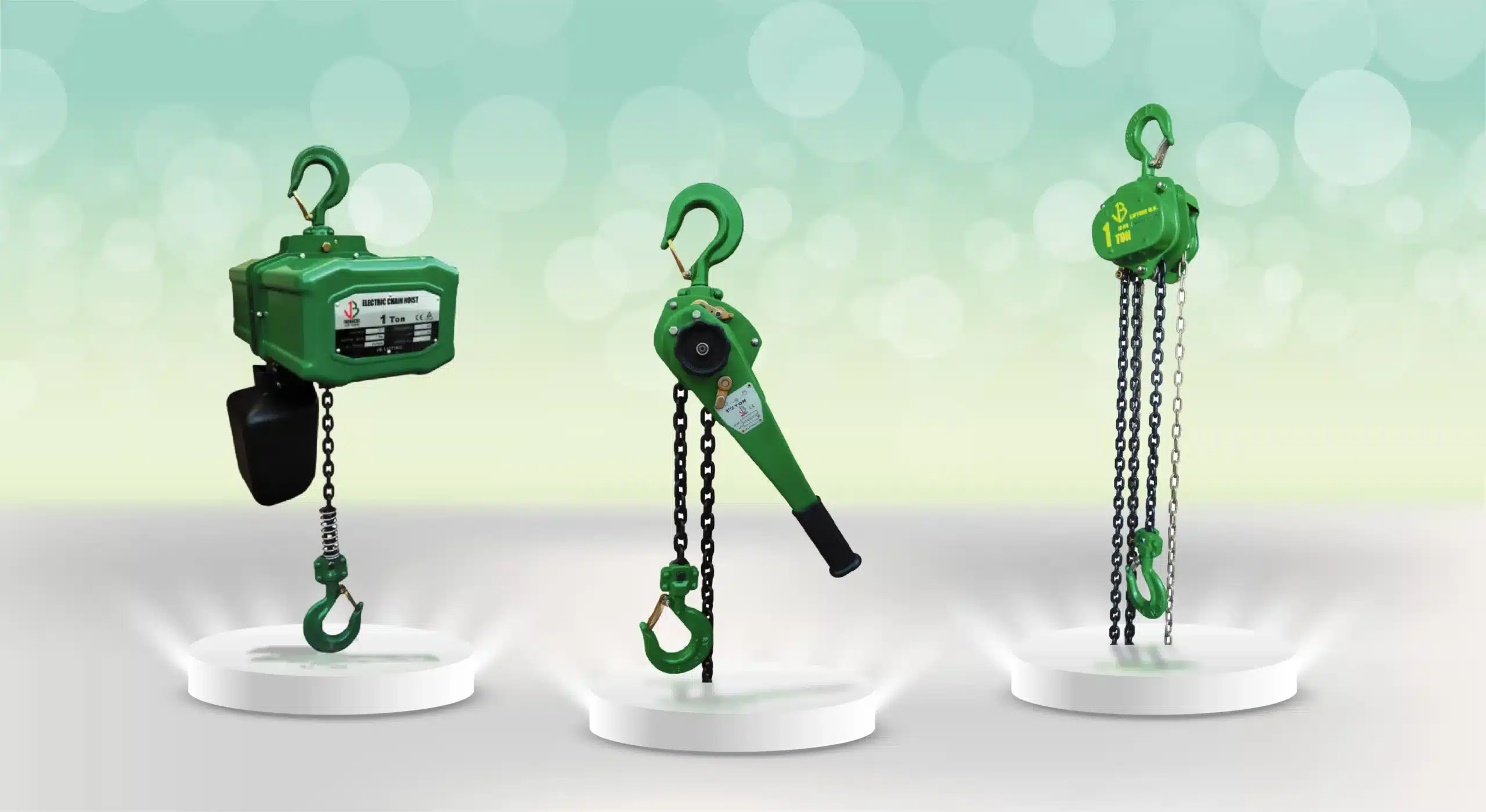
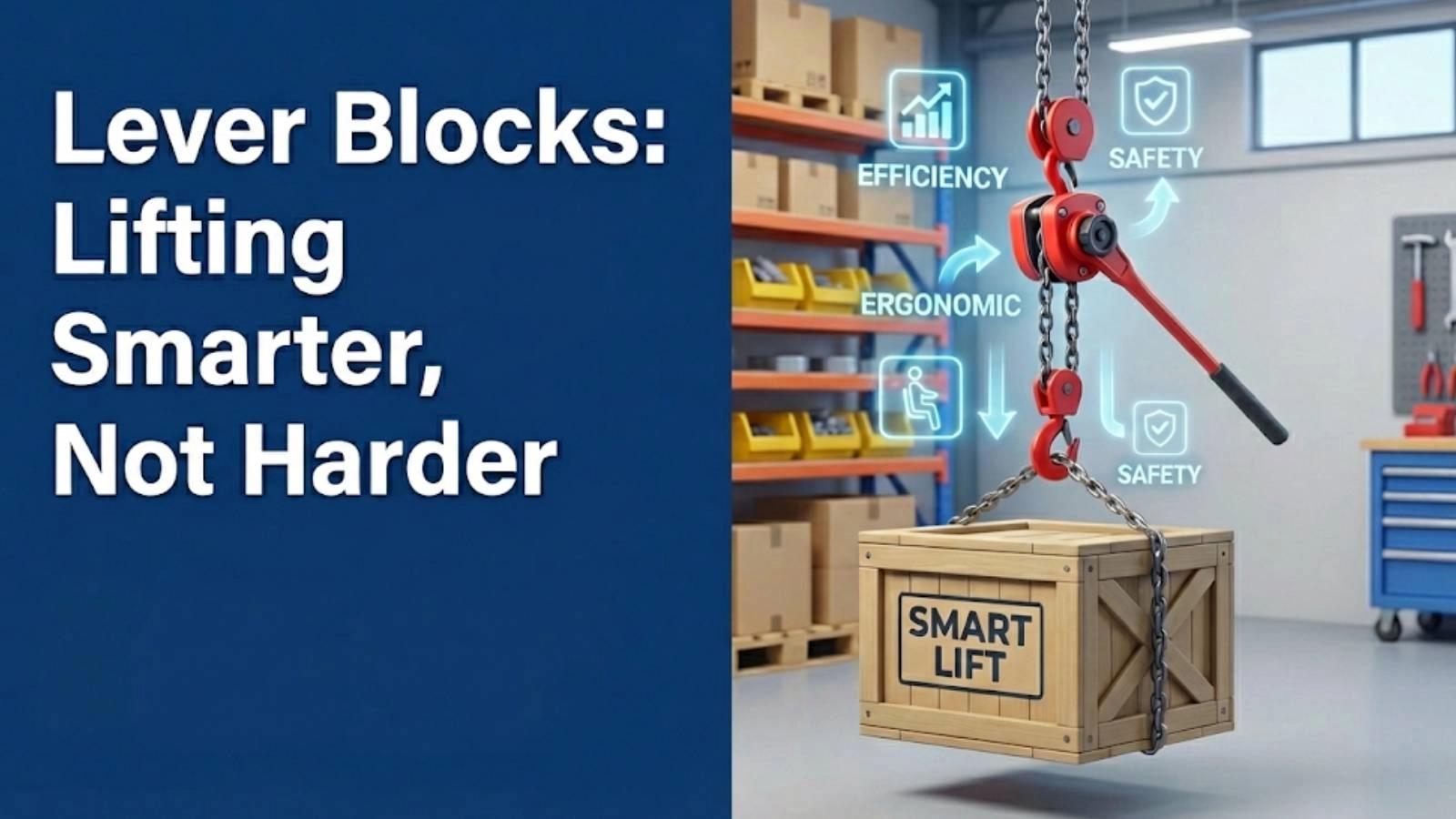
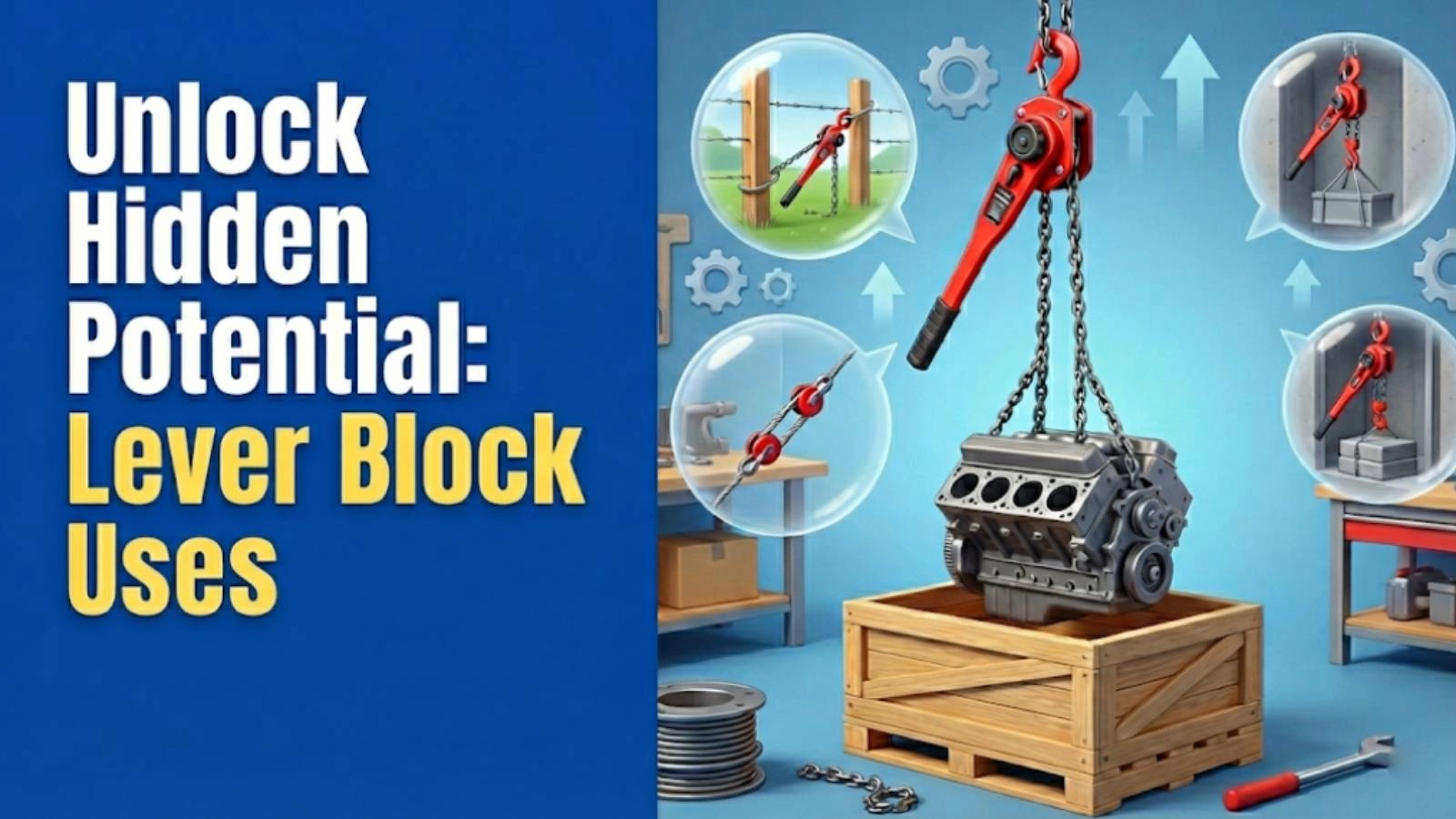
Lever blocks are essential tools used across numerous industries, primarily for lifting heavy objects with precision and control. These devices, often seen as simple mechanisms, offer a range of advantages that go beyond basic lifting capabilities. Let me share a story: I once observed a construction team struggling to align a massive steel beam on a high-rise project. The crane couldn’t quite get the angle right, and the workers were risking serious injury trying to force it into place. A seasoned foreman calmly directed them to use a lever block, and within minutes, the beam was perfectly aligned with minimal effort. This experience highlighted for me that there are lesser-known lever block benefits that significantly improve workplace efficiency and safety. In this article, we’ll explore those often-overlooked advantages.
1. ✅ Enhanced Precision: The Unexpected Control You Gain
The Story of the Millimeter Move
We’ve often seen situations where even the most advanced machinery can’t provide the delicate touch required for certain tasks. I recall a project involving the installation of sensitive MRI equipment in a hospital in Riyadh. The slightest miscalculation could have damaged the expensive device. Our team utilized lever blocks to inch the equipment into its designated space, a process that required adjustments within millimeters. The precision offered by the lever block ensured the safe and accurate installation of the MRI machine, preventing any potential damage and saving the client significant costs.
Micro-Adjustments for Macro Results
Lever blocks excel at providing micro-adjustments that powered machinery simply can’t match. Unlike electric hoists or cranes, which can sometimes be too powerful or jerky for delicate operations, lever blocks allow for smooth, controlled movements. This level of control is invaluable when aligning sensitive machinery, positioning artwork, or performing intricate assembly tasks. For many of our clients here in Dammam, we’ve seen that these micro-adjustments are crucial for preventing costly errors and ensuring the quality of their work.
Reducing the Risk of Damage
The enhanced precision offered by lever blocks significantly reduces the risk of damaging sensitive materials. When lifting or positioning fragile items, the controlled movement minimizes the chance of sudden jolts or impacts. This is especially important in industries like aerospace, where components are often incredibly delicate and expensive. The ability to make fine-tuned adjustments ensures that these materials are handled with the utmost care, preventing damage and preserving their integrity.
2. 💡 Improved Safety in Tricky Environments: Where Power Fails, Lever Blocks Prevail
The Confined Space Challenge
One of the most significant lever block benefits is their ability to operate safely in environments where powered equipment is unsuitable. A situation comes to mind where we were contracted to assist in the maintenance of a large oil storage tank. The interior was a confined space with limited ventilation and a high risk of flammable vapor accumulation. Bringing in electrical equipment would have been incredibly dangerous. Instead, we used lever blocks to lift and position the necessary tools and equipment, ensuring the safety of the workers and preventing any risk of ignition.
Eliminating Electrical Hazards
In wet or hazardous environments, the manual operation of lever blocks eliminates electrical risks. Unlike electric hoists, lever blocks don’t require a power source, making them safe to use in areas where there is a risk of electrocution or explosion. This is particularly important in industries such as mining, construction, and marine operations, where workers often face challenging and unpredictable conditions. The use of lever blocks ensures that lifting tasks can be performed safely, without the added risk of electrical hazards.
Preventing Overload with Tactile Feedback
Compared to automated systems, the manual nature of lever blocks provides better tactile feedback for preventing overloads. As the operator pulls the lever, they can feel the weight and resistance, allowing them to gauge the load and prevent exceeding the capacity of the equipment. This tactile feedback is a crucial safety feature, as it provides a direct connection between the operator and the load, reducing the risk of accidents and equipment damage. With automated systems, it can be more difficult to sense an overload until it’s too late.
3. ➡️ Versatility Unleashed: Adapting to the Unpredictable
The Improvised Solution Scenario
The versatility of lever blocks makes them invaluable for solving unexpected problems on the job site. I remember a time when a large delivery truck became stuck in a muddy ditch on a construction site. The tow truck couldn’t get close enough, and the situation seemed hopeless. Our team quickly rigged up a lever block to a nearby tree and used it to winch the truck out of the ditch. It was an improvised solution, but it worked perfectly, saving the company time and money. This highlighted the ability of lever blocks to adapt to various tasks beyond their primary function of vertical lifting.
Horizontal Pulling and Positioning
Lever blocks are not just for vertical lifting; they can also be effectively used for horizontal pulling and positioning. This versatility makes them ideal for tasks such as aligning pipes, moving heavy machinery across a floor, or pulling vehicles out of difficult situations. The ability to apply force horizontally expands the range of applications for lever blocks, making them a valuable tool in a wide variety of industries. We often advise our clients to consider lever blocks for horizontal applications, as they can be more efficient and cost-effective than specialized pulling equipment.
Temporary Fixtures and Anchoring
Lever blocks can also be used for creating temporary fixtures and anchoring objects in place. For example, they can be used to secure scaffolding, stabilize temporary structures, or anchor equipment during maintenance. This application is particularly useful in construction and industrial settings, where temporary fixtures are often needed to ensure safety and stability. The ability to quickly and easily create these fixtures with lever blocks can save time and resources, while also enhancing safety on the job site.
4. The Ergonomic Advantage: Reducing Strain, Increasing Efficiency
Minimizing Physical Exertion
One of the most underrated lever block benefits is the reduction of physical strain on workers. The mechanical advantage provided by these tools significantly reduces the amount of force required to lift heavy objects. This is especially important for tasks that involve repetitive lifting or working with heavy loads. By minimizing physical exertion, lever blocks help prevent fatigue and reduce the risk of musculoskeletal injuries, which are a common cause of workplace absenteeism.
Promoting Better Posture
Using lever blocks can encourage better posture during lifting tasks, reducing the risk of back injuries. Unlike traditional lifting methods that often require workers to bend and strain their backs, lever blocks allow them to maintain a more upright posture. This reduces the stress on the spine and helps prevent back pain and injuries. We always emphasize the importance of proper posture when training workers on the use of lever blocks, as it is a crucial factor in preventing long-term health problems.
Boosting Productivity
Less fatigue translates directly to higher productivity levels. When workers are not physically strained, they can work more efficiently and for longer periods. This leads to increased output and reduced downtime. The ergonomic advantages of lever blocks not only improve worker health and safety but also contribute to a more productive and profitable work environment. By investing in these tools, companies can see a significant return on investment in terms of increased productivity and reduced healthcare costs.
5. Cost-Effectiveness and Long-Term Savings: A Smart Investment
Lower Initial Cost
Compared to powered lifting equipment, the initial cost of lever blocks is significantly lower. This makes them an attractive option for small businesses or companies with limited budgets. While powered equipment may offer some advantages in terms of speed and automation, the lower initial cost of lever blocks makes them a more accessible and cost-effective solution for many lifting tasks. Additionally, the simplicity of their design contributes to their affordability.
Reduced Maintenance
One of the key lever block benefits is their lower maintenance requirements and costs. Unlike powered equipment that requires regular servicing and replacement of parts, lever blocks are relatively simple machines with few moving parts. This reduces the need for frequent maintenance and repairs, saving companies time and money. Regular inspection and lubrication are typically all that is required to keep lever blocks in good working order.
Extended Lifespan
The durability and long lifespan of lever blocks further contribute to their cost-effectiveness. Made from robust materials and designed for heavy-duty use, lever blocks can withstand harsh conditions and provide years of reliable service. This extended lifespan reduces the need for frequent replacements, making them a smart investment for companies looking to minimize their long-term costs. We have seen lever blocks that have been in use for decades, still performing reliably with minimal maintenance.
6. Portability and Ease of Use: A Tool for Every Job Site
Lightweight Design
The portable nature of lever blocks makes them easy to transport to different job sites. Their lightweight design allows workers to carry them easily, without the need for specialized equipment or vehicles. This portability is particularly valuable for companies that operate in multiple locations or that need to move lifting equipment frequently. The ability to quickly and easily transport lever blocks saves time and resources, making them a versatile tool for any job site.
Quick Setup
Lever blocks can be quickly and easily set up for use, saving valuable time on the job site. Unlike more complex lifting equipment that requires extensive setup and calibration, lever blocks can be attached to a load and ready to use in a matter of minutes. This quick setup time allows workers to focus on the task at hand, rather than spending time on equipment preparation. The simplicity of the setup process also reduces the risk of errors and accidents.
Minimal Training Required
The simple operation of lever blocks requires minimal training. Workers can quickly learn how to use them safely and effectively, without the need for extensive instruction or certification. This reduces training costs and allows companies to deploy lever blocks quickly and efficiently. While proper training is always recommended, the straightforward design of lever blocks makes them accessible to a wide range of workers, regardless of their skill level.
7. The Environmental Angle: A Sustainable Choice
Reducing Energy Consumption
One of the often overlooked lever block benefits is their positive environmental impact. Lever blocks require no electricity, reducing energy consumption and reliance on fossil fuels. This makes them a more sustainable choice compared to powered lifting equipment, which can consume significant amounts of energy. By using lever blocks, companies can reduce their carbon footprint and contribute to a more sustainable future.
Lower Carbon Footprint
The lower carbon footprint associated with manual operation is another environmental advantage of lever blocks. Since they don’t require electricity or fuel, lever blocks produce no direct emissions during operation. This reduces their overall environmental impact and makes them a more eco-friendly choice for lifting tasks. In a world increasingly focused on sustainability, the lower carbon footprint of lever blocks is a significant advantage.
Eco-Friendly Materials
Some lever block designs incorporate durable, recyclable materials, further enhancing their environmental credentials. By using these materials, manufacturers can reduce the environmental impact of their products and promote a more circular economy. Additionally, the long lifespan of lever blocks reduces the need for frequent replacements, further minimizing their environmental footprint. We actively seek out lever blocks made from eco-friendly materials to offer our clients the most sustainable options.
8. Leveraging Lever Blocks in Tight Spots: Stories from the Field
The Narrow Alley Rescue
I once witnessed a lever block being used to lift a stuck vehicle out of a narrow alley. A delivery van had become wedged between two buildings, and there was no room for a tow truck to maneuver. A local mechanic rigged up a lever block to a sturdy beam in one of the buildings and used it to slowly and carefully pull the van free. The precision and control offered by the lever block were essential in preventing further damage to the vehicle and the surrounding buildings.
The Overhead Obstruction Challenge
A situation comes to mind where a lever block was used to lift materials over an overhead obstruction. A construction crew was working on a building renovation project, and they needed to lift heavy materials to the second floor. However, there was an overhead power line that prevented them from using a crane. They used a lever block to lift the materials vertically, clearing the power line and allowing them to complete the task safely and efficiently. This is one of many real-world examples of lever block benefits in action.
The Underground Utility Repair
We were once involved in an underground utility repair scenario where a lever block proved invaluable. A water main had burst beneath a busy street, and the repair crew needed to lift a heavy section of pipe to access the damaged area. The confined space and the presence of other utilities made it difficult to use powered equipment. They used a lever block to lift the pipe with precision and control, allowing them to complete the repair quickly and safely, minimizing disruption to traffic and local businesses.
9. Expert Quote: The Silent Workhorse of Industry
“Lever blocks are often overlooked, but their simplicity and reliability make them indispensable tools in countless industries. Their ability to provide controlled power in challenging situations is unmatched.” – John Davies, Senior Engineer
10. Summary: Top 3 Overlooked Lever Block Benefits
Here’s a concise summary of the top 3 often-overlooked lever block benefits:
- Precision Control: Fine-tuned adjustments are essential for delicate operations. Lever blocks provide unmatched control, reducing the risk of damage and ensuring accuracy.
- Safety in Confined Spaces: Lever blocks operate safely in hazardous environments where powered equipment is unsuitable. This minimizes electrical risks and prevents accidents.
- Versatility in Application: Lever blocks are adaptable for various tasks, including horizontal pulling, positioning, and creating temporary fixtures. This makes them a valuable tool in a wide range of industries.
Conclusion: Mastering Material Handling with Lever Blocks
In summary, the lever block benefits extend far beyond simple lifting. Their precision, safety, versatility, ergonomic advantages, cost-effectiveness, portability, and environmental friendliness make them an indispensable tool for a wide range of industries. By understanding these often-overlooked advantages, companies can make informed decisions about their material handling needs and optimize their operations for efficiency and safety. We encourage you to consider the versatility and efficiency of lever blocks for your material handling needs, as they can significantly improve your workplace efficiency and safety.
FAQ Section
Q: What is a lever block and how does it work?
A: A lever block, also known as a chain block or come along, is a manual lifting device that uses a lever and a chain to provide mechanical advantage. When the operator pulls the lever, it rotates a ratchet wheel, which in turn pulls the chain and lifts the load. The mechanical advantage of the lever block allows the operator to lift heavy objects with relatively little effort.
Q: What are the main advantages of using a lever block compared to other lifting equipment?
A: The main lever block benefits include their precision, safety, versatility, ergonomic advantages, cost-effectiveness, portability, and environmental friendliness. They are particularly useful in situations where powered equipment is unsuitable or unavailable, such as confined spaces or hazardous environments.
Q: In what industries are lever blocks commonly used?
A: Lever blocks are commonly used in a wide range of industries, including construction, manufacturing, mining, marine operations, and transportation. They are also used in maintenance and repair operations, as well as in various DIY and home improvement projects. Their versatility and adaptability make them a valuable tool in any industry that involves lifting or moving heavy objects. The rigging equipment used alongside lever blocks, such as chain slings, wire rope slings and shackles, allow them to lift a range of objects safely.
Q: How do I choose the right lever block for my needs?
A: When choosing a lever block, consider the weight and size of the objects you need to lift, the environment in which you will be using the equipment, and the frequency of use. It is also important to choose a lever block that is certified to meet relevant safety standards. Consult with a reputable supplier like us at Safe and Secure Trading Company to ensure you select the right model for your specific needs.
Q: How do I maintain a lever block to ensure its safety and longevity?
A: To maintain a lever block, regularly inspect it for signs of wear or damage, such as bent or broken hooks, worn chains, or damaged housings. Lubricate the moving parts regularly to ensure smooth operation. Store the lever block in a clean, dry place when not in use. If you notice any problems, have the lever block serviced by a qualified technician.
Q: What safety precautions should I take when using a lever block?
A: Always inspect the lever block before each use to ensure it is in good working order. Never exceed the rated capacity of the lever block. Ensure that the load is properly secured and balanced before lifting. Keep clear of the load while it is being lifted. Use appropriate personal protective equipment, such as gloves and safety glasses. Follow all manufacturer’s instructions and safety guidelines.
Q: Can lever blocks be used for horizontal pulling?
A: Yes, lever blocks can be used for horizontal pulling and positioning. However, it is important to use the correct rigging techniques and to ensure that the lever block is properly anchored. Never use a lever block for pulling if it is not specifically designed for that purpose. Material handling benefits from lever blocks that perform in horizontal directions, which can be helpful for aligning objects.
Q: What is the typical lifespan of a lever block?
A: The lifespan of a lever block depends on the quality of the equipment, the frequency of use, and the level of maintenance. With proper care and maintenance, a high-quality lever block can last for many years. Regularly inspect the lever block for signs of wear or damage, and replace any worn or damaged parts promptly. Chain blocks are often used in conjunction with lever blocks to ensure proper operation.
Q: Are lever blocks environmentally friendly?
A: Yes, lever blocks are generally considered to be environmentally friendly because they do not require electricity or fuel to operate. This reduces their carbon footprint and makes them a more sustainable choice compared to powered lifting equipment. Additionally, some lever block designs incorporate recyclable materials, further enhancing their environmental credentials. Hoisting solutions that minimize environmental impact, such as lever blocks, are increasingly important.
Q: Where can I purchase high-quality lever blocks?
A: High-quality lever blocks can be purchased from reputable suppliers of industrial equipment, such as Safe and Secure Trading Company. Look for suppliers that offer certified products and that provide excellent customer service and technical support. Ensure that the lever blocks you purchase meet relevant safety standards and are suitable for your specific needs. Come alongs are used to add to the length and operation of lever blocks.
Q: Can lever blocks be used in confined spaces?
A: Yes, lever blocks are particularly well-suited for use in confined spaces where powered equipment is difficult or impossible to maneuver. Their compact size and manual operation make them a safe and efficient choice for lifting tasks in these challenging environments. This is one of the key lever block benefits.
Q: How does the mechanical advantage of a lever block work?
A: The mechanical advantage of a lever block is determined by the ratio of the distance the lever is moved to the distance the load is lifted. This ratio is typically quite high, allowing the operator to lift heavy loads with relatively little effort. The mechanical advantage is achieved through a system of gears and pulleys that multiply the force applied to the lever.
Q: What are some common mistakes to avoid when using lever blocks?
A: Common mistakes to avoid include exceeding the rated capacity of the lever block, using damaged or worn equipment, failing to properly secure and balance the load, and neglecting to use appropriate personal protective equipment. Always follow manufacturer’s instructions and safety guidelines to prevent accidents and injuries. Chain blocks, manual hoists, and chain slings should be properly inspected before each use.
Q: Are there different types of lever blocks available?
A: Yes, there are different types of lever blocks available, including standard lever blocks, mini lever blocks, and lever blocks with specialized features such as overload protection or spark resistance. The type of lever block you choose will depend on the specific application and the requirements of the job.
Q: What is the role of industrial safety when using lever blocks?
A: Industrial safety is paramount when using lever blocks. Proper training, regular inspections, adherence to safety guidelines, and the use of appropriate personal protective equipment are all essential for preventing accidents and injuries. Always prioritize safety when working with lever blocks and other heavy lifting equipment.
Q: How do lever blocks contribute to workplace efficiency?
A: Lever blocks contribute to workplace efficiency by providing a safe, reliable, and cost-effective means of lifting and moving heavy objects. Their precision, versatility, and ergonomic advantages can significantly reduce the time and effort required to complete lifting tasks, leading to increased productivity and reduced downtime.