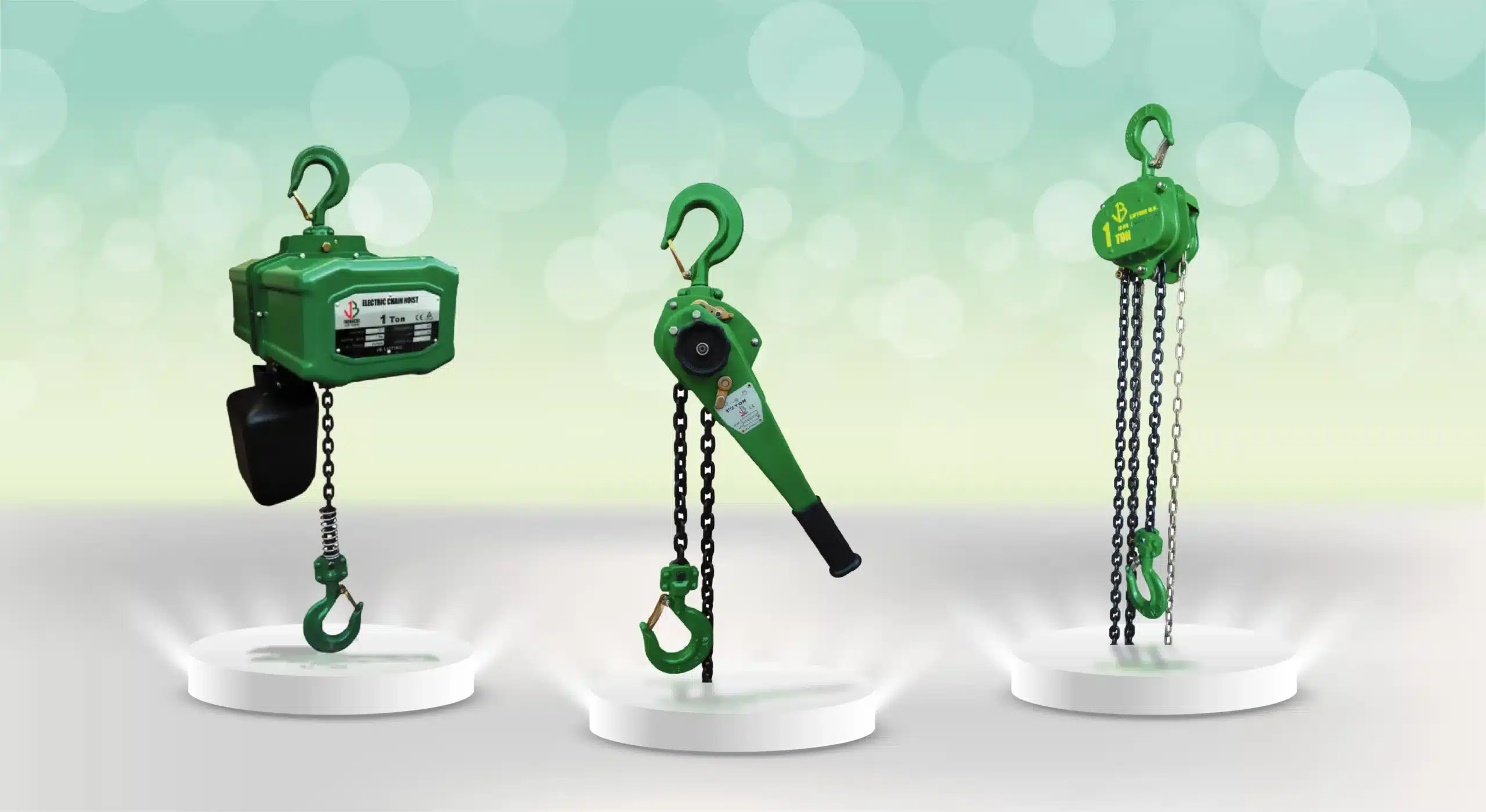
Lever blocks are indispensable tools in various industries, providing the mechanical advantage needed to lift, pull, and position heavy loads. However, their safe and effective operation hinges on avoiding common lever block mistakes. At Safe and Secure Trading Company (SSTC), we’ve observed that many incidents involving lever blocks stem from easily preventable errors. This article outlines ten critical lever block mistakes that operators must avoid to ensure workplace safety and equipment longevity. We aim to provide actionable solutions to mitigate these risks and promote safe lifting practices.
1. Overlooking Pre-Use Inspection
✅ The importance of pre-use inspection cannot be overstated. Before each use, a thorough check of the lever block is crucial for identifying any potential hazards that could compromise its functionality or safety. Neglecting this step significantly increases the risk of accidents and equipment failure. We’ve seen countless incidents where a simple pre-use inspection could have prevented a serious injury.
1.1. Neglecting Visual Checks
- Mistake: Failing to visually inspect the lever block for obvious damage before each use.
- Solution: Implement a mandatory visual inspection checklist covering hooks, chain, body, and lever.
A hasty approach to equipment preparation often leads to overlooking critical visual cues. Cracks in the body, bent hooks, or kinks in the chain are all red flags that demand immediate attention. We advise our clients, especially those in demanding environments like Jubail, to establish and enforce a checklist system that compels operators to scrutinize every component before operation. This proactive approach can significantly reduce the risk of lifting equipment failures.
1.2. Ignoring Load Chain Condition
- Mistake: Using a lever block with a damaged, worn, or corroded load chain.
- Solution: Regularly inspect the chain for wear, elongation, and corrosion, replacing it when necessary.
The load chain is the lifeline of a lever block. A compromised chain can snap under stress, leading to catastrophic consequences. We recommend implementing a routine inspection schedule that includes measuring chain elongation, checking for corrosion, and identifying any signs of wear or damage. For our clients operating near the coast, where salt air accelerates corrosion, we suggest using chains with protective coatings and increasing the frequency of inspections.
1.3. Skipping Functionality Tests
- Mistake: Not testing the lever block’s functionality (lifting, lowering, and braking) before attaching a load.
- Solution: Perform a dry run to ensure smooth operation of all mechanisms.
A visual inspection only tells part of the story. Before entrusting a lever block with a load, it’s vital to assess its operational readiness. This involves performing a dry run, where the lever block is operated without a load to ensure that all mechanisms—lifting, lowering, and braking—function smoothly and reliably. We’ve observed that this simple test can uncover hidden problems, such as sticking pawls or slipping brakes, which might not be apparent during a visual inspection.
2. Exceeding the Working Load Limit (WLL)
💡 Overloading a lever block is a recipe for disaster. The Working Load Limit (WLL) is the maximum weight a lever block is designed to safely handle. Exceeding this limit puts undue stress on the equipment, increasing the risk of failure and potentially causing serious injury or even fatalities. Understanding and respecting the WLL is fundamental to safe lifting practices.
2.1. Failing to Identify the WLL
- Mistake: Using a lever block without knowing its WLL or ignoring the marked capacity.
- Solution: Clearly mark the WLL on the block and ensure operators can easily identify it.
Every lever block has a clearly marked WLL, usually stamped on the body. However, the markings can become faded or obscured over time, especially in harsh industrial environments. We advise our clients to regularly check the legibility of the WLL markings and to re-mark them if necessary. It’s also crucial to ensure that operators are trained to identify and understand the WLL before using the equipment.
2.2. Underestimating the Load Weight
- Mistake: Inaccurately estimating the weight of the load, leading to overloading.
- Solution: Use calibrated weighing equipment or consult load charts to determine the precise weight.
Guessing the weight of a load is a dangerous gamble. Even experienced operators can misjudge the weight of an object, leading to accidental overloading. We strongly recommend using calibrated weighing equipment or consulting load charts to determine the precise weight of the load before lifting. This simple precaution can prevent potentially catastrophic lifting equipment failures.
2.3. Ignoring Load Distribution
- Mistake: Not considering uneven load distribution, which can overload one side of the lever block.
- Solution: Ensure the load is balanced and evenly distributed across the lifting points.
Even if the total weight of the load is within the WLL, uneven load distribution can still overload a lever block. If the load is not evenly distributed across the lifting points, one side of the lever block may bear a disproportionate amount of weight, exceeding its capacity. We advise our clients to carefully assess the load distribution before lifting and to adjust the rigging as necessary to ensure that the load is balanced. For many of our clients here in Dammam, we’ve seen that even load distribution is ignored, often leading to dangerous situations.
3. Improper Sling Selection and Attachment
➡️ Slings are the critical link between the lever block and the load. Selecting the correct type of sling and attaching it properly is essential for ensuring a safe and successful lift. Using the wrong sling or attaching it incorrectly can compromise its strength and stability, increasing the risk of accidents. SSTC sees this as a critical component of rigging mistakes
3.1. Using Incorrect Sling Types
- Mistake: Choosing slings that are not rated for the load or unsuitable for the lifting environment.
- Solution: Select slings that meet or exceed the load requirements and are resistant to environmental factors.
Slings come in various materials and configurations, each with its own load rating and suitability for different environments. Using a sling that is not rated for the load or that is susceptible to damage from environmental factors, such as chemicals or heat, can lead to sling failure. We recommend consulting sling manufacturers’ guidelines and selecting slings that meet or exceed the load requirements and are resistant to the specific conditions of the lifting environment.
3.2. Incorrect Sling Angle
- Mistake: Using sling angles that exceed the manufacturer’s recommendations, reducing the sling’s capacity.
- Solution: Maintain proper sling angles (typically less than 45 degrees) and use longer slings if needed.
Sling angles play a significant role in determining the sling’s effective capacity. As the sling angle increases, the tension on each leg of the sling also increases, reducing its overall capacity. We advise our clients to maintain proper sling angles, typically less than 45 degrees, and to use longer slings if needed to achieve the desired angle. Ignoring sling angles can lead to overloading and sling failure.
3.3. Failing to Protect Sling Contact Points
- Mistake: Allowing slings to come into direct contact with sharp edges, causing damage.
- Solution: Use edge protectors or padding to prevent sling abrasion and cutting.
Slings are vulnerable to damage from sharp edges. Allowing slings to come into direct contact with sharp edges can cause abrasion, cutting, or other damage, weakening the sling and increasing the risk of failure. We recommend using edge protectors or padding to protect slings from sharp edges and to inspect slings regularly for any signs of damage. This small step can protect from huge potential lifting equipment failures.
4. Neglecting Proper Load Attachment
🧰 A secure load attachment is paramount for a safe lift. Ensuring that the load is properly secured to the lever block and slings prevents slippage, instability, and potential accidents. Neglecting this crucial step can have dire consequences. This is critical to come along safety.
4.1. Hook Latching Issues
- Mistake: Failing to ensure the hook latch is fully engaged and functioning properly.
- Solution: Always verify the latch is closed and locked before lifting to prevent accidental load slippage.
The hook latch is designed to prevent the load from accidentally slipping off the hook. Failing to ensure that the latch is fully engaged and functioning properly defeats its purpose. We advise our clients to always verify that the latch is closed and locked before lifting and to inspect the latch regularly for any signs of damage or malfunction.
4.2. Off-Center Loading
- Mistake: Applying the load off-center on the hook, which can cause instability and stress.
- Solution: Center the load directly beneath the hook to ensure even weight distribution.
Applying the load off-center on the hook creates an imbalance, which can cause instability and stress on the lever block and rigging. We recommend centering the load directly beneath the hook to ensure even weight distribution and to maintain stability throughout the lifting process.
4.3. Using Makeshift Rigging
- Mistake: Employing improvised or non-approved rigging methods.
- Solution: Only use certified and approved rigging hardware.
Improvising rigging methods or using non-approved hardware is a dangerous practice. Makeshift rigging may not have the necessary strength or durability to safely support the load. We strongly advise our clients to only use certified and approved rigging hardware that has been specifically designed for lifting applications.
5. Incorrect Operation Techniques
⚙️ Proper operation techniques are essential for the safe and efficient use of lever blocks. Jerky movements, overextension, and side loading can all damage the equipment and increase the risk of accidents. Operators need to be well-trained to avoid these lever block mistakes.
5.1. Jerky Movements
- Mistake: Operating the lever block with sudden, jerky motions, placing undue stress on the equipment.
- Solution: Use smooth, controlled movements when lifting and lowering loads.
Sudden, jerky movements place undue stress on the lever block, potentially damaging its internal mechanisms and increasing the risk of failure. We advise our clients to use smooth, controlled movements when lifting and lowering loads to minimize stress on the equipment and ensure a safe and stable lift.
5.2. Overextending the Lever
- Mistake: Applying excessive force or overextending the lever, which can damage the mechanism.
- Solution: Use steady, even pressure and avoid forcing the lever beyond its intended range of motion.
Applying excessive force or overextending the lever can damage the lever block’s internal mechanism. Operators should use steady, even pressure and avoid forcing the lever beyond its intended range of motion. If the lever is difficult to operate, it may indicate a problem with the equipment that needs to be addressed.
5.3. Side Loading
- Mistake: Applying a lateral force to the lever block, which it is not designed to handle.
- Solution: Ensure the load is lifted vertically and that the lever block is aligned with the lifting direction.
Side loading occurs when a lateral force is applied to the lever block, which it is not designed to handle. This can damage the equipment and increase the risk of instability. We advise our clients to ensure that the load is lifted vertically and that the lever block is aligned with the lifting direction to avoid side loading.
6. Ignoring Environmental Factors
🌡️ The environment in which a lever block is used can significantly affect its performance and longevity. Corrosion, extreme temperatures, and dust can all compromise the equipment’s functionality. Adapting equipment and safe lifting practices to combat this is key.
6.1. Corrosion
- Mistake: Using lever blocks in corrosive environments without proper protection.
- Solution: Select corrosion-resistant lever blocks or apply protective coatings.
Corrosion can weaken the lever block’s components, leading to premature failure. In corrosive environments, such as coastal areas or chemical plants, we recommend using corrosion-resistant lever blocks or applying protective coatings to prevent corrosion. Regular inspection and maintenance are also crucial for identifying and addressing any signs of corrosion.
6.2. Extreme Temperatures
- Mistake: Operating lever blocks outside their specified temperature range, affecting their performance.
- Solution: Choose lever blocks rated for the specific temperature conditions.
Extreme temperatures can affect the lever block’s performance. High temperatures can weaken the metal components, while low temperatures can make the lubricant more viscous, hindering the mechanism’s operation. We advise our clients to choose lever blocks rated for the specific temperature conditions in which they will be used.
6.3. Dust and Debris
- Mistake: Failing to protect lever blocks from excessive dust and debris, which can clog the mechanism.
- Solution: Regularly clean and lubricate the lever block.
Excessive dust and debris can clog the lever block’s mechanism, hindering its operation and potentially causing damage. We recommend regularly cleaning and lubricating the lever block to prevent dust and debris buildup. The frequency of cleaning and lubrication will depend on the severity of the dust and debris in the environment.
7. Neglecting Regular Maintenance and Lubrication
🛠️ Like any mechanical equipment, lever blocks require regular maintenance and lubrication to ensure optimal performance and longevity. Neglecting these essential tasks can lead to premature wear, reduced efficiency, and increased risk of failure. A regular hoist maintenance program will keep these tools running in top form.
7.1. Skipping Scheduled Maintenance
- Mistake: Not adhering to the manufacturer’s recommended maintenance schedule.
- Solution: Implement a routine maintenance program including inspection, cleaning, and lubrication.
The manufacturer’s recommended maintenance schedule is based on extensive testing and experience. Not adhering to this schedule can lead to premature wear and reduced efficiency. We advise our clients to implement a routine maintenance program that includes inspection, cleaning, and lubrication, following the manufacturer’s recommendations.
7.2. Improper Lubrication
- Mistake: Using incorrect lubricants or failing to lubricate moving parts.
- Solution: Use manufacturer-recommended lubricants and apply them regularly to all friction points.
Using incorrect lubricants or failing to lubricate moving parts can cause increased friction, wear, and potential damage. We recommend using manufacturer-recommended lubricants and applying them regularly to all friction points. The frequency of lubrication will depend on the operating conditions and the manufacturer’s recommendations.
7.3. Ignoring Unusual Noises or Behavior
- Mistake: Disregarding unusual noises or behaviors during operation.
- Solution: Investigate any unusual signs immediately and remove the lever block from service if necessary.
Unusual noises or behaviors during operation can indicate a problem with the lever block. Ignoring these signs can lead to further damage and potential failure. We advise our clients to investigate any unusual signs immediately and to remove the lever block from service if necessary until the problem can be identified and corrected.
8. Lack of Training and Competency
👨🏫 Properly trained and competent operators are essential for the safe and effective use of lever blocks. Lack of training can lead to errors in operation, increasing the risk of accidents and equipment damage. It is critical to avoid lever hoist errors that result from lack of preparation.
8.1. Uncertified Operators
- Mistake: Allowing untrained or uncertified personnel to operate lever blocks.
- Solution: Provide comprehensive training and certification programs for all operators.
Allowing untrained or uncertified personnel to operate lever blocks is a recipe for disaster. Untrained operators may not understand the proper operating procedures, the limitations of the equipment, or the potential hazards involved. We strongly recommend providing comprehensive training and certification programs for all operators before allowing them to use lever blocks.
8.2. Insufficient Knowledge of Safe Practices
- Mistake: Operators lacking a thorough understanding of safe lifting practices.
- Solution: Regularly review safety procedures and provide refresher training.
Even certified operators can benefit from regular refresher training on safe lifting practices. Safety procedures can change, and it’s important to keep operators up-to-date on the latest best practices. We advise our clients to regularly review safety procedures and provide refresher training to ensure that operators have a thorough understanding of safe lifting practices.
8.3. Neglecting Communication
- Mistake: Poor communication among team members during lifting operations.
- Solution: Establish clear communication protocols, including hand signals and verbal cues.
Poor communication among team members during lifting operations can lead to misunderstandings and accidents. We recommend establishing clear communication protocols, including hand signals and verbal cues, to ensure that all team members are on the same page throughout the lifting process. Effective communication is essential for a safe and successful lift.
9. Improper Storage
📦 Proper storage is essential for protecting lever blocks from damage and corrosion. Leaving blocks exposed to the elements or storing them in a disorganized manner can shorten their lifespan and compromise their safety. A place for every tool and every tool in its place is the safe lifting practices motto.
9.1. Leaving Blocks Exposed to the Elements
- Mistake: Storing lever blocks outdoors, exposed to rain, sun, and other elements.
- Solution: Store lever blocks in a dry, covered location to prevent corrosion and damage.
Storing lever blocks outdoors, exposed to rain, sun, and other elements, can accelerate corrosion and damage to the equipment. We recommend storing lever blocks in a dry, covered location to protect them from the elements and prolong their lifespan.
9.2. Storing in a Disorganized Manner
- Mistake: Storing lever blocks in a way that can cause damage or tangling of the chain.
- Solution: Use designated storage racks or containers to keep lever blocks organized and protected.
Storing lever blocks in a disorganized manner can cause damage or tangling of the chain. We recommend using designated storage racks or containers to keep lever blocks organized and protected. This will also make it easier to locate and retrieve the equipment when needed.
10. Ignoring Regulatory Requirements
📜 Compliance with regulatory requirements is not just a legal obligation; it’s a fundamental aspect of workplace safety. Ignoring OSHA standards, local regulations, or failing to maintain proper records can lead to fines, penalties, and, most importantly, increased risk of accidents. Safe and Secure Trading Company constantly monitors lever block inspection compliance, ensuring that the equipment we provide meets all required safety standards.
10.1. Failing to Comply with OSHA Standards
- Mistake: Not adhering to OSHA regulations related to lifting equipment.
- Solution: Ensure compliance with all applicable OSHA standards and guidelines.
OSHA standards provide a comprehensive framework for safe lifting practices. Not adhering to these regulations can put workers at risk and expose the company to legal liabilities. We advise our clients to ensure compliance with all applicable OSHA standards and guidelines related to lifting equipment.
10.2. Neglecting Local Regulations
- Mistake: Ignoring local or regional regulations governing the use of lever blocks.
- Solution: Stay informed about and comply with all local regulatory requirements.
In addition to OSHA standards, local or regional regulations may also govern the use of lever blocks. We advise our clients to stay informed about and comply with all local regulatory requirements to ensure workplace safety and avoid legal penalties.
10.3. Not Keeping Records
- Mistake: Failing to maintain records of inspections, maintenance, and training.
- Solution: Implement a record-keeping system to track all relevant information.
Maintaining records of inspections, maintenance, and training is essential for demonstrating compliance with regulatory requirements and for tracking the condition of the equipment. We recommend implementing a record-keeping system to track all relevant information, including inspection dates, maintenance performed, and training records for operators.
“Regular inspection and maintenance are critical to ensuring the safe and reliable operation of lever blocks. Don’t wait for a problem to occur; be proactive in identifying and addressing potential hazards.” – John Smith, Lead Safety Inspector
Avoiding these lever block mistakes is crucial for ensuring workplace safety, protecting equipment, and complying with regulatory requirements. By implementing the solutions outlined in this article, companies can significantly reduce the risk of accidents and promote a safer working environment. We at Safe and Secure Trading Company are committed to providing our clients with the highest quality lever blocks and the knowledge and support they need to operate them safely and effectively. We urge you to share this knowledge throughout your organization.
FAQ Section
Q: How often should lever blocks be inspected?
A: Lever blocks should be visually inspected before each use. A more thorough inspection, including functional testing, should be performed at least annually by a qualified person. The frequency of inspections may need to be increased depending on the severity of the operating environment and the frequency of use.
Q: What are the signs of a damaged load chain?
A: Signs of a damaged load chain include:
- Visible cracks or breaks
- Excessive wear or elongation
- Corrosion or pitting
- Bent or twisted links
- Lack of flexibility
Q: What type of lubricant should be used on lever blocks?
A: Use the lubricant recommended by the lever block manufacturer. Generally, a high-quality, non-detergent oil or grease is suitable. Avoid using lubricants that contain graphite or molybdenum disulfide, as these can attract dirt and debris.
Q: How do I determine the correct sling size and type for a lift?
A: To determine the correct sling size and type, consider the following factors:
- The weight and dimensions of the load
- The lifting points and configuration
- The sling angle
- The environmental conditions
- The sling manufacturer’s load chart
Consult a qualified rigger or lifting specialist for assistance if needed.
Q: What should I do if I suspect a lever block is damaged or malfunctioning?
A: If you suspect a lever block is damaged or malfunctioning, immediately remove it from service and tag it as “out of service.” Do not attempt to repair the lever block yourself. Contact a qualified service technician for inspection and repair.
Q: What are the key OSHA regulations related to lever blocks?
A: Key OSHA regulations related to lever blocks include:
- 1926.753(e) – For Steel Erection, covers the proper use of hoisting equipment.
- 1910.179 – Overhead and gantry cranes
- 1910.184 – Slings
Refer to the official OSHA website for the most up-to-date information and specific requirements.
Q: How can I improve communication during lifting operations?
A: Improve communication during lifting operations by:
- Establishing clear hand signals and verbal cues
- Holding a pre-lift meeting to discuss the lifting plan
- Assigning specific roles and responsibilities
- Using two-way radios for long-distance communication
Q: What is the importance of lever block inspection record keeping?
A: Maintaining lever block inspection records provides a detailed history of the equipment’s condition, maintenance, and repairs. This information is valuable for:
- Tracking the equipment’s lifespan
- Identifying potential problems early
- Demonstrating compliance with regulatory requirements
- Improving safety practices
| Mistake |
Solution |
Relevant Industry |
| Overlooking Pre-Use Inspection |
Implement a mandatory visual inspection checklist. |
Construction, Manufacturing, Oil & Gas |
| Exceeding the Working Load Limit (WLL) |
Clearly mark the WLL and use calibrated weighing equipment. |
All Industries |
| Improper Sling Selection and Attachment |
Choose appropriate slings and protect contact points. |
Construction, Shipping, Logistics |
| Neglecting Proper Load Attachment |
Ensure hook latching and center the load. |
All Industries |
| Incorrect Operation Techniques |
Use smooth movements and avoid overextending the lever. |
All Industries |
| Ignoring Environmental Factors |
Select corrosion-resistant blocks and control dust. |
Marine, Chemical Processing, Mining |
| Neglecting Regular Maintenance and Lubrication |
Adhere to maintenance schedules and lubricate moving parts. |
All Industries |
| Lack of Training and Competency |
Provide comprehensive training and certification programs. |
All Industries |
| Improper Storage |
Store blocks in a dry, covered location. |
All Industries |
| Ignoring Regulatory Requirements |
Comply with OSHA and local regulations. |
All Industries |