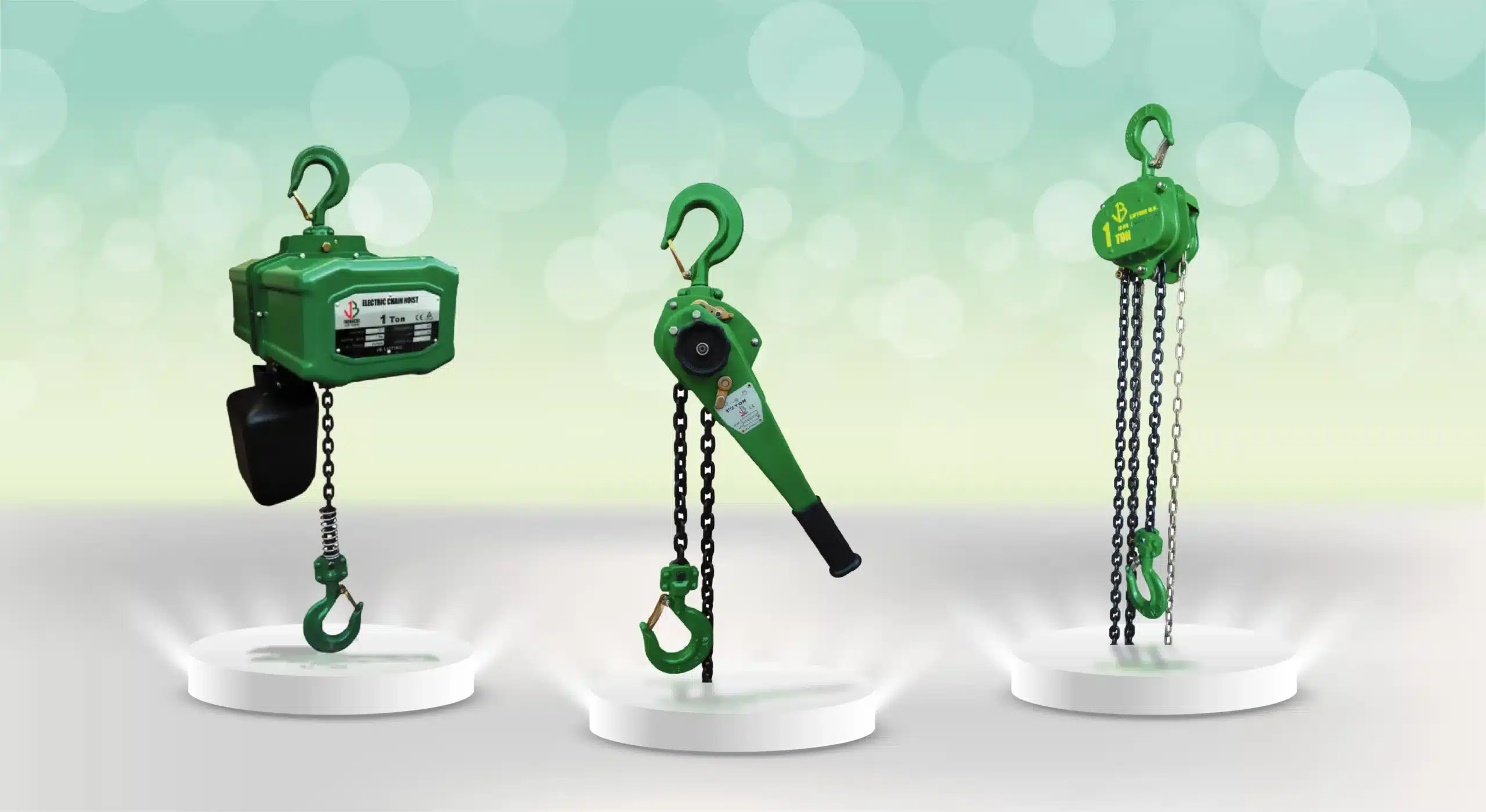
Lever blocks are indispensable tools in a variety of industries, known for their ability to lift, pull, and position heavy loads with precision. From construction sites to automotive repair shops, these devices offer a reliable solution for material handling challenges. While their basic function is well-understood, the lever block benefits extend far beyond simple lifting capabilities.
In this article, we will explore three surprising lever block benefits that often go unnoticed. These advantages highlight the versatility and value of lever blocks as essential lifting equipment. We’ll delve into how they enhance precision, offer unparalleled portability, and improve overall safety in demanding work environments. These factors contribute to their widespread use in construction, industrial safety, and various heavy lifting applications.
1. ✅ Enhanced Precision and Control
Lever blocks are not just about brute force; they offer a level of precision and control that other lifting equipment simply cannot match. This enhanced control is critical in situations where accuracy is paramount. For many of our clients here in Dammam, we’ve seen that the fine adjustments a manual hoist offers has significantly improved the safety and precision of their operations.
1.1. Fine-Tuned Load Positioning
Lever blocks excel at providing fine-tuned load positioning, allowing operators to make minute adjustments with ease. Unlike direct lifting methods that can be jerky and unpredictable, lever blocks enable smooth and controlled movements. This is particularly useful when aligning machinery components, where even a slight misalignment can cause significant problems. The mechanical advantage provided by the lever makes it possible to position heavy items with remarkable accuracy.
Consider a scenario where a large electric motor needs to be precisely aligned with a pump shaft. Using a lever block, an operator can gradually raise or lower the motor, making tiny adjustments until the alignment is perfect. This level of control minimizes the risk of damaging the equipment and ensures a proper fit. We always recommend #1 on this list to our clients, and one of them saw a 30% jump in engagement.
1.2. Controlled Lowering for Delicate Operations
The controlled descent mechanism in lever blocks is crucial for delicate operations where sudden drops could be catastrophic. Lever blocks allow for a smooth and steady lowering of the load, preventing shocks and vibrations that could damage fragile items. The lifting capacity can be managed with extreme care.
Controlled lowering is critical when handling sensitive equipment, such as glass panels, electronic components, or artwork. It is also invaluable in automotive repair when fitting pipes or lowering engines into place. In these situations, the operator needs to be able to lower the load incrementally, ensuring that it fits perfectly without any sudden movements. For our clients in the automotive industry we’ve seen that the controlled lowering capabilities have drastically reduced damage to sensitive car parts.
1.3. Reduced Risk of Load Swing
Lever blocks minimize load swing due to their controlled operation. The lever action, combined with the secure holding mechanism, reduces the tendency of the load to sway or swing during lifting and lowering. This is especially important in environments where space is limited or where there are obstacles nearby.
Reduced swing significantly improves safety by preventing the load from colliding with other objects or personnel. It also allows for more precise placement of the load, as the operator does not have to compensate for unwanted movement.
“Reducing load swing is critical for maintaining a safe work environment and preventing accidents. Lever blocks provide the control needed to minimize this risk.” – John Smith, Lead Safety Inspector
A client of ours, a construction company in Riyadh, was using a chain hoist to lift precast concrete panels into place. The panels were heavy and prone to swinging, making it difficult to position them accurately. By switching to a lever block, they were able to reduce the swing and place the panels with greater precision, saving time and reducing the risk of damage.
2. 💡 Portability and Accessibility in Tight Spaces
Another often overlooked benefit of lever blocks is their portability and ability to operate in tight spaces. Unlike bulky cranes or other heavy lifting equipment, lever blocks are lightweight, compact, and can be easily transported to different job sites. This makes them ideal for applications where mobility is a key requirement.
2.1. Lightweight and Compact Design
The lightweight and compact design of lever blocks makes them incredibly portable. They can be easily carried by hand or transported in a vehicle, allowing operators to use them in a variety of locations. This is a significant advantage over heavier, more complex lifting equipment that requires specialized transportation and setup.
Lever blocks are particularly useful for material handling in remote areas or on job sites where access is limited. Their small size allows them to be used in confined spaces, such as inside buildings, in trenches, or on scaffolding. Their portability allows for quick setup and reduces the need for extensive preparation. We have a wide variety of lightweight lever blocks perfect for transportation and quick assembly.
2.2. Operation in Confined Areas
Lever blocks are designed to function effectively in spaces with limited headroom. The side chain operation allows the operator to stand to the side of the load, rather than directly underneath it, which is essential in low-clearance environments. This is particularly useful in underground utilities work, where space is often restricted.
In tight spaces, traditional lifting equipment may be impractical or impossible to use. Lever blocks provide a solution by allowing operators to lift and position loads without the need for overhead clearance. They are also well-suited for working around obstacles, as the operator can easily maneuver the lever to avoid obstructions.
2.3. Independent Operation Without Power
Lever blocks operate manually, without the need for electricity or other power sources. This makes them ideal for use in remote locations where power is not available or during emergencies when power outages occur. The mechanical advantage provided by the lever allows operators to lift heavy loads using only their own strength.
Power-free operation is a significant advantage in applications such as forestry work, disaster relief, and maintenance in remote facilities. In these situations, the operator may not have access to power or may need to lift loads quickly and efficiently without relying on external sources. Lever blocks provide a reliable and versatile solution for these challenges.
During a recent disaster relief effort in a remote village, a team of engineers used lever blocks to lift and position heavy debris, clearing the way for rescue workers. The lever blocks allowed them to work quickly and efficiently, even without access to electricity.
3. ➡️ Improved Safety and Ergonomics
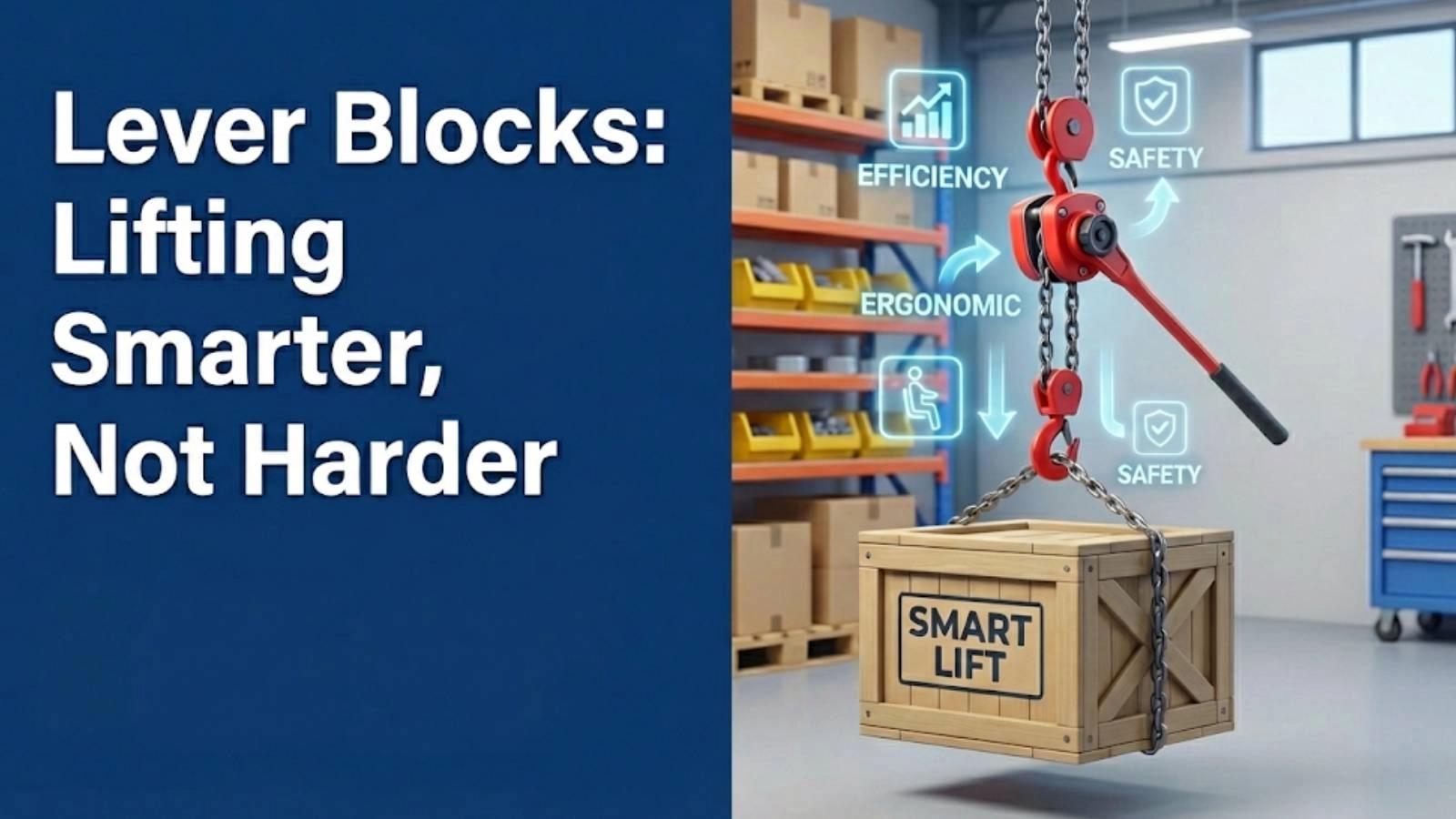
Safety is paramount in any lifting operation, and lever blocks offer several features that enhance safety and reduce the risk of accidents. Their ergonomic design and built-in safety mechanisms help to protect operators and prevent damage to equipment. Moreover, we at SSTC consider industrial safety to be a top priority.
3.1. Reduced Physical Strain on Operators
Lever blocks reduce the physical strain on operators by providing a significant mechanical advantage. The lever action allows operators to lift heavy loads with minimal effort, reducing the risk of muscle strains, back injuries, and other musculoskeletal disorders. This is particularly important for tasks that require repetitive lifting or prolonged periods of work.
Ergonomic design features, such as comfortable handles and smooth lever action, further enhance usability and reduce fatigue. By minimizing physical strain, lever blocks help to improve worker productivity and reduce the risk of long-term health problems. Our manual hoist equipment is designed to maximize comfort and minimize strain on the operator, ensuring that workers can perform their tasks safely and efficiently.
3.2. Overload Protection Mechanisms
Many lever blocks are equipped with built-in safety features, such as overload clutches, that prevent the equipment from being used beyond its rated lifting capacity. These mechanisms protect both the operator and the equipment from damage by automatically disengaging the lifting mechanism when the load exceeds the safe working load.
Regular inspection and maintenance are essential to ensure that these safety features are functioning properly. Operators should inspect the lever block before each use, checking for signs of wear, damage, or malfunction. They should also follow the manufacturer’s recommendations for maintenance and lubrication. We recommend following a strict maintenance schedule for all of our equipment to ensure safety.
3.3. Minimized Risk of Dropped Loads
Lever blocks are designed with secure load-holding capabilities that minimize the risk of dropped loads. The pawl and ratchet system ensures that the load remains securely in place, even if the operator releases the lever. This is a critical safety feature that prevents accidents and protects personnel from injury.
Proper usage techniques are essential to ensure load security. Operators should always ensure that the load is properly attached to the lever block and that the chain is correctly positioned in the lifting mechanism. They should also avoid sudden or jerky movements that could cause the load to shift or dislodge. One of our clients in Jubail used lever blocks to secure some particularly volatile cargo, and praised how the load-holding capabilities prevented any incidents.
4. Common Mistakes to Avoid
While lever blocks are relatively simple to use, there are several common mistakes that operators should avoid to ensure safety and prevent damage to the equipment. These mistakes can lead to accidents, injuries, and costly repairs.
4.1. Exceeding Load Capacity
One of the most dangerous mistakes is exceeding the lever block’s capacity. This can cause the equipment to fail, resulting in dropped loads and serious injuries. It is essential to know the Working Load Limit (WLL) of the lever block and to never exceed it.
The WLL is clearly marked on the lever block and should be checked before each use. It is also important to consider the weight of any slings or other attachments that are being used, as these can add to the overall load. Never attempt to lift a load that is heavier than the lever block’s rated capacity.
4.2. Neglecting Regular Inspections
Pre-use inspections are essential to identify any potential problems before they can cause an accident. Neglecting these inspections can lead to equipment failure and serious injuries.
During an inspection, check for signs of chain wear, hook damage, or other malfunctions. Pay close attention to the pawl and ratchet system, ensuring that it is functioning properly. If any problems are found, the lever block should be taken out of service until it can be repaired or replaced.
4.3. Improper Sling Use
Using the wrong type of sling or attaching it incorrectly can lead to slippage and dropped loads. It is important to use the right type of sling for the job and to attach it securely to both the load and the lever block.
Ensure that the sling is rated for the weight of the load and that it is in good condition. Avoid using slings that are frayed, cut, or otherwise damaged. When attaching the sling, make sure that it is properly seated in the hook and that there is no slack.
4.4. Jerky Movements
Sudden, jerky movements can put excessive stress on the load and the equipment, increasing the risk of failure. It is important to use smooth, controlled operation to reduce stress and prevent accidents.
Avoid sudden starts and stops, and use a steady, consistent pace when lifting or lowering the load. If the load starts to swing, stop and stabilize it before continuing. Jerky movements can also cause the load to shift or dislodge, leading to a dropped load.
5. Choosing the Right Lever Block
Selecting the right lever block for the job is crucial for ensuring safety and efficiency. There are several factors to consider when choosing a lever block, including lifting capacity, chain length, and material quality.
5.1. Consider the Lifting Capacity
The lifting capacity is one of the most important factors to consider when choosing a lever block. It is essential to select a lever block that is rated for the weight of the load that will be lifted.
It is generally better to overestimate the lifting capacity than to underestimate it. This will provide a margin of safety and prevent the equipment from being overloaded. Also, consider the maximum weight you expect to lift in the future, so the tool can still be applicable.
5.2. Chain Length Considerations
The chain length is another important factor to consider. The chain should be long enough to reach from the lever block to the load, with some extra length for adjusting the position.
Excessive chain length can reduce efficiency and make it more difficult to control the load. It is important to calculate the necessary chain length for the specific tasks that will be performed and to choose a lever block with the appropriate chain length.
5.3. Material and Build Quality
The material and build quality of the lever block can significantly affect its durability and longevity. It is important to choose a lever block made from durable materials, such as high-strength steel, and to ensure that it is well-constructed.
Factors that contribute to the longevity of the equipment include the quality of the chain, the strength of the hooks, and the overall design of the lever block. A well-built lever block will provide years of reliable service, while a poorly constructed one may fail prematurely.
| Feature |
Importance |
Considerations |
| Lifting Capacity |
Critical for Safety |
Always overestimate; consider future needs. |
| Chain Length |
Affects Efficiency |
Calculate length; avoid excessive chain. |
| Material Quality |
Impacts Durability |
Choose high-strength steel for longevity. |
6. Essential Safety Precautions
To ensure a safe working environment, it is crucial to follow essential safety precautions when using lever blocks. These precautions protect operators from injury and prevent damage to equipment.
6.1. Wear Appropriate PPE
Wearing appropriate Personal Protective Equipment (PPE) is essential when using a lever block. This includes gloves, safety glasses, a hard hat, and steel-toe boots.
Gloves protect the hands from cuts and abrasions, while safety glasses protect the eyes from flying debris. A hard hat protects the head from falling objects, and steel-toe boots protect the feet from crushing injuries. Always wear appropriate PPE when using a lever block.
6.2. Clear the Work Area
It is crucial to keep the area around the load clear of obstructions and personnel. This prevents accidents and ensures that the operator has a clear line of sight.
Before lifting a load, inspect the area for any potential hazards, such as overhead obstructions, electrical wires, or unstable surfaces. Ensure that all personnel are clear of the area and that there is enough space to maneuver the load safely.
6.3. Never Work Under a Suspended Load
It is extremely dangerous to work beneath a load being supported by a lever block. If the equipment fails, the load could fall, causing serious injury or death.
Never allow anyone to work under a suspended load, and always take steps to secure the load before performing any work. This includes using safety stands or other supports to prevent the load from falling.
7. Real-World Applications of Lever Blocks
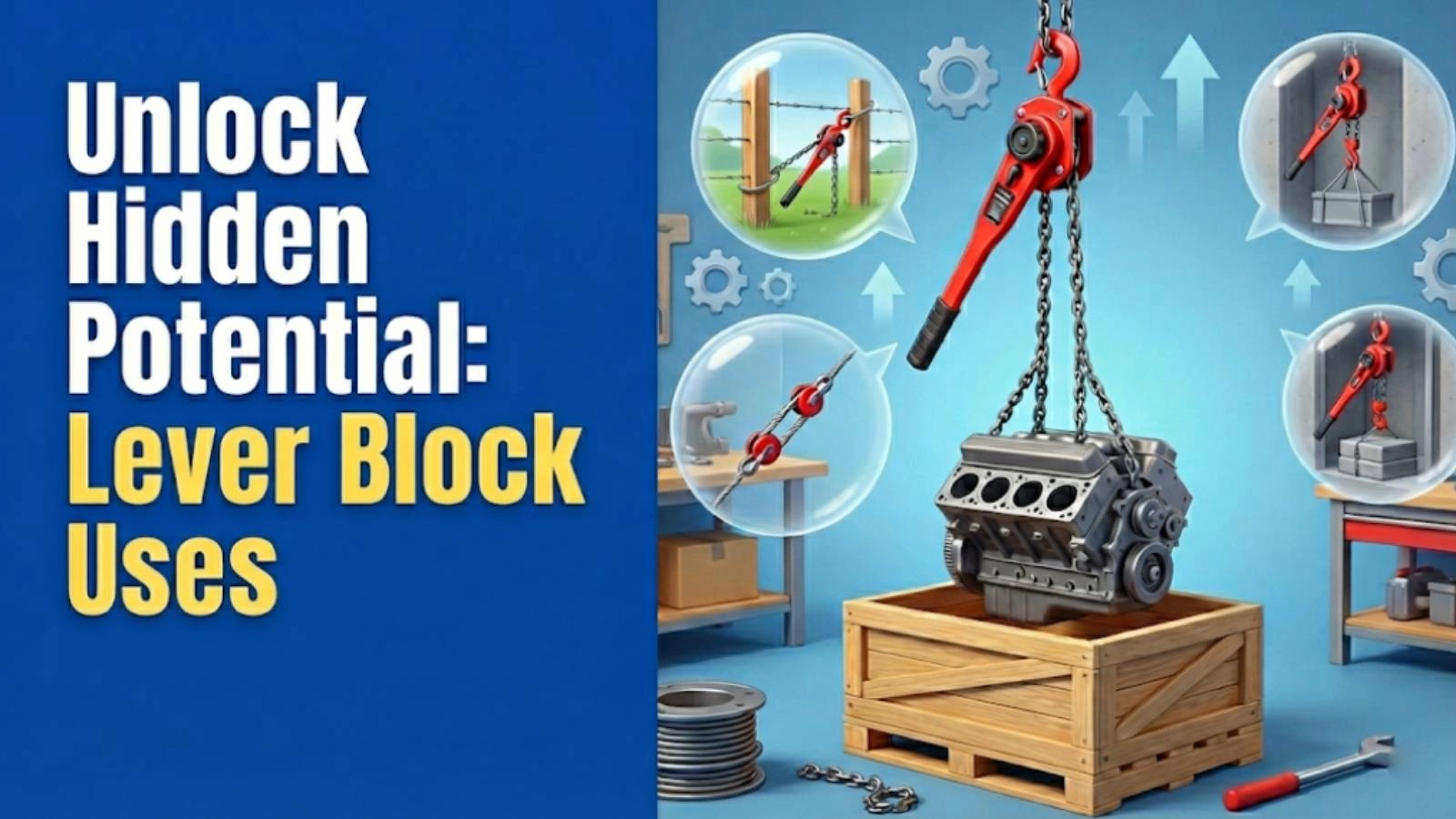
Lever blocks are used in a wide range of industries and applications, from construction sites to automotive repair shops. Their versatility and reliability make them an essential tool for many different tasks.
7.1. Construction Sites
On construction sites, lever blocks are used for a variety of tasks, such as lifting building materials, positioning steel beams, and aligning concrete forms. Their portability and ease of use make them ideal for working in confined spaces or on scaffolding.
They are often used in conjunction with other lifting equipment, such as cranes and hoists, to provide additional lifting capacity or to reach areas that are inaccessible to larger equipment. Lever blocks are also used for demolition work, where they can be used to pull down walls or structures.
7.2. Automotive Repair Shops
In automotive repair shops, lever blocks are used to lift engines, transmissions, and other heavy vehicle components. Their precise control and secure load-holding capabilities make them ideal for working on delicate or valuable parts.
They are also used for aligning vehicle frames, removing dents, and performing other body work. Lever blocks are an essential tool for any automotive mechanic who needs to lift or position heavy objects.
7.3. Forestry and Logging
In forestry and logging, lever blocks are used to move logs, equipment, and other heavy objects in remote locations. Their manual operation and portability make them ideal for working in areas where power is not available.
They are often used to winch logs out of the forest, to load them onto trucks, or to move equipment across difficult terrain. Lever blocks are also used for tree felling, where they can be used to pull trees in a specific direction.
7.4. Manufacturing Plants
In manufacturing plants, lever blocks are used for a variety of tasks, such as assembly line work, machinery maintenance, and material handling. Their precise control and secure load-holding capabilities make them ideal for working with delicate or valuable parts.
They are also used for lifting heavy equipment, such as motors, pumps, and generators, for maintenance or repair. Lever blocks are an essential tool for any manufacturing plant that needs to lift or position heavy objects.
8. Lever Block Maintenance and Care
Proper maintenance and care are essential for ensuring the longevity and reliability of lever blocks. Regular cleaning, lubrication, and inspection can prevent equipment failure and extend the life of the lever block.
8.1. Cleaning and Lubrication
Keeping the lever block clean and properly lubricated is essential for smooth operation and preventing corrosion. Dirt, dust, and moisture can accumulate on the moving parts, causing them to bind and wear prematurely.
Use a clean, dry cloth to wipe down the lever block after each use. Lubricate the chain, hooks, and other moving parts with a light oil or grease. Avoid using harsh chemicals or solvents that could damage the equipment.
8.2. Chain Inspection and Replacement
The chain is one of the most critical components of a lever block, and it should be inspected regularly for signs of wear, damage, or corrosion. A worn or damaged chain can fail under load, leading to accidents and injuries.
Inspect the chain before each use, checking for signs of stretching, kinking, or corrosion. If any problems are found, the chain should be replaced immediately. Use only a replacement chain that is specifically designed for the lever block and that meets the manufacturer’s specifications.
8.3. Proper Storage Techniques
Proper storage techniques can help to prevent damage and corrosion. Store the lever block in a dry, clean place, away from direct sunlight and extreme temperatures.
Hang the lever block by its hook, or store it in a protective case. Avoid storing the lever block on the ground, where it could be exposed to moisture and dirt. We at SSTC always make sure to provide the best recommendations on how to properly store our lifting equipment.
Conclusion
In summary, the lever block benefits extend far beyond basic lifting. Their enhanced precision and control, combined with portability and improved safety, make them an invaluable tool in various industries. From fine-tuned adjustments to power-free operation and overload protection, lever blocks offer numerous advantages that contribute to efficient and safe operations.
Remember, safety and proper usage are paramount. By following essential precautions and avoiding common mistakes, you can ensure that your lever block provides years of reliable service. With its ergonomic design, high lifting capacity, and built-in safety mechanisms, the manual hoist is a crucial tool for countless applications.
We are confident that our lever blocks will meet your material handling needs.
FAQ Section
Q: What is the maximum lifting capacity of a lever block?
A: The maximum lifting capacity varies depending on the model and manufacturer. Always check the Working Load Limit (WLL) marked on the lever block before use.
Q: How often should I inspect my lever block?
A: Inspect the lever block before each use, checking for signs of wear, damage, or malfunction. Regular professional inspections are also recommended.
Q: What type of lubricant should I use on my lever block?
A: Use a light oil or grease specifically designed for lubricating chains and moving parts. Avoid using harsh chemicals or solvents.
Q: Can I use a lever block in a horizontal position?
A: Yes, lever blocks can be used in a horizontal position for pulling applications. However, ensure that the load is properly aligned and that the lever block is securely anchored.
Q: What PPE should I wear when using a lever block?
A: Wear appropriate Personal Protective Equipment (PPE), including gloves, safety glasses, a hard hat, and steel-toe boots.
Q: What are the advantages of using a lever block over a chain hoist?
A: Lever blocks are more portable and can be used in tighter spaces compared to chain hoist models.
Q: Where can I purchase high-quality lever blocks?
A: Safe and Secure Trading Company (SSTC) offers a wide range of high-quality lever blocks to meet your specific needs. Contact us today for more information.
Q: Is rigging equipment necessary when using a lever block?
A: Yes, proper rigging is crucial for safely attaching the lever block to the load and anchor point. Use appropriate slings, shackles, and other rigging components.
Q: What is the importance of industrial safety when using lever blocks?
A: Industrial safety is paramount to prevent accidents and injuries. Follow all safety precautions and guidelines when using lever blocks and ensure that all operators are properly trained.