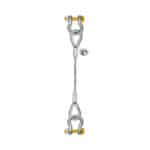
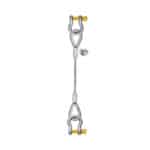
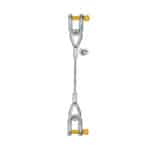
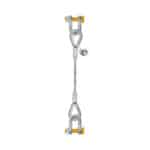
Lifting operations are inherently risky, but many accidents are avoidable. Lifting shackle failure is a significant cause of injuries and equipment damage on worksites around the world. That’s why at Safe and Secure Trading Company (SSTC), we’re committed to helping our clients minimize these risks through education and the provision of high-quality rigging equipment. By understanding the common causes of lifting shackle failure and implementing preventative measures, we can create a safer working environment for everyone.
1. ✅ Regular and Thorough Shackle Inspections
Regular inspection is paramount to shackle failure prevention. Neglecting this step can lead to catastrophic consequences, endangering lives and causing significant property damage. At SSTC, we advise our clients to implement a robust inspection program that includes visual checks, dimensional assessments, and thorough documentation. We’ve seen firsthand how diligent inspection protocols can significantly reduce the risk of lifting shackle failure and improve overall rigging safety.
1.1 Visual Inspection: The First Line of Defense
Visual inspection is the foundation of any effective shackle inspection program. It’s a simple yet crucial step that can identify many potential problems before they escalate. We encourage workers to look for any signs of wear, such as cracks, bends, or elongation. Even minor imperfections can indicate underlying weaknesses that could lead to lifting shackle failure.
- Look for signs of wear, cracks, bends, or elongation.
- Pay close attention to the shackle’s bow and pin.
- Check for corrosion or rust.
The shackle’s bow and pin are particularly vulnerable to damage and should be scrutinized carefully. Cracks, deformation, or excessive wear in these areas can compromise the shackle’s integrity. Similarly, corrosion or rust can weaken the material, making it more susceptible to lifting shackle failure. For clients in coastal regions like Jeddah, where saltwater corrosion is a major concern, we emphasize the importance of frequent visual inspections.
1.2 Dimensional Checks: Ensuring Conformity
In addition to visual inspection, dimensional checks are essential for verifying that the shackle still meets its original specifications. Over time, shackles can deform or stretch due to repeated use or overloading, which can compromise their strength. Using precision instruments like calipers or micrometers, our clients measure critical dimensions, such as the bow’s diameter and the pin’s length, to detect any deviations from the manufacturer’s standards.
- Measure the shackle’s dimensions and compare them to manufacturer specifications.
- Check for any deformation that could indicate overloading.
- Use calipers or micrometers for accurate measurements.
Any deformation is a clear indication of potential overloading, which may cause lifting shackle failure. By comparing these measurements to the manufacturer’s specifications, we can identify shackles that have been compromised and remove them from service before they fail. This proactive approach helps us prevent accidents and ensure the continued safety of our clients’ operations. For clients involved in heavy lifting in industrial areas such as Jubail, we especially recommend dimensional checks as part of their shackle inspection process.
1.3 Documentation and Record Keeping
Maintaining accurate records of all shackle inspections is crucial for tracking their usage history and identifying potential problems. At SSTC, we advise our clients to create a detailed log for each shackle, including the date of purchase, usage history, inspection dates, findings, and any corrective actions taken. This documentation provides a valuable audit trail that can help identify patterns of wear or damage.
- Maintain a log of all shackle inspections.
- Record the date, findings, and any corrective actions taken.
- Track the shackle’s usage history.
Proper documentation can also help us determine when a shackle needs to be retired from service. By tracking its usage and inspection history, we can make informed decisions about its suitability for future lifting operations. This systematic approach to record-keeping is a key component of a comprehensive shackle management program. For our clients managing large inventories of rigging equipment, we recommend digital solutions for efficient tracking and analysis.
2. 💡 Understanding and Adhering to Working Load Limits (WLL)
Understanding and adhering to the Working Load Limit (WLL) is critical in shackle failure prevention. The WLL represents the maximum weight a shackle is designed to safely lift. Exceeding this limit can lead to catastrophic lifting shackle failure, putting workers and equipment at risk. At SSTC, we emphasize the importance of knowing and respecting the WLL of every shackle used in lifting operations. Ignoring WLLs is a primary cause of lifting shackle failure.
2.1 Identifying the WLL: Marking and Documentation
The WLL is typically marked directly on the shackle itself, usually on the bow or the pin. However, it’s also essential to consult the manufacturer’s documentation for the shackle’s specifications, especially if the marking is unclear or damaged. We always advise our clients to double-check the WLL before each lift to ensure they are using the correct shackle for the job.
- Locate the WLL marked on the shackle itself.
- Consult the manufacturer’s documentation for the shackle’s specifications.
- Ensure the WLL is clearly visible and legible.
The WLL should be clearly visible and legible. If the marking is faded or damaged, the shackle should be removed from service immediately. Furthermore, it’s crucial to understand the units of measurement used for the WLL (e.g., tons, kilograms, pounds) to avoid confusion. Misinterpreting the WLL can have disastrous consequences.
2.2 Avoiding Overloading: The Dangers and Consequences
Overloading a shackle is a recipe for disaster. When a shackle is subjected to a load exceeding its WLL, it can deform, crack, or even break, leading to dropped loads and potential injuries. At SSTC, we teach our clients how to calculate the total weight of the load being lifted, taking into account any dynamic loading or shock loads that may occur during the lift.
- Calculate the total weight of the load being lifted.
- Account for any dynamic loading or shock loads.
- Never exceed the shackle’s WLL.
Dynamic loading refers to the increased force experienced by the shackle when the load is accelerated or decelerated. Shock loads occur when the load is suddenly applied or released, creating a sudden surge in force. These factors can significantly increase the stress on the shackle, making it more likely to fail. Never exceed the shackle’s WLL.
2.3 Derating Shackles: Special Considerations
Side loading occurs when the load is applied to the shackle at an angle, rather than in a straight line. This can significantly reduce the shackle’s effective WLL. At SSTC, we emphasize the importance of derating shackles when side loading is present, meaning reducing the WLL to account for the reduced capacity.
- Understand the impact of side loading and angular loading on the shackle’s WLL.
- Derate the shackle’s WLL accordingly when side loading is present.
- Use appropriate rigging techniques to minimize side loading.
Side loading can create bending stresses on the shackle, making it more susceptible to lifting shackle failure. The degree of derating depends on the angle of the side load. For example, a shackle subjected to a 45-degree side load may need to be derated by as much as 50%. To minimize side loading, we recommend using spreader bars or other rigging devices that ensure the load is applied in a straight line.
3. ➡️ Choosing the Right Type of Shackle for the Job
Selecting the appropriate type of shackle for the specific lifting application is vital for shackle failure prevention. Different shackle designs are suited for different tasks and load types. Using the wrong shackle can increase the risk of lifting shackle failure. At SSTC, we guide our clients in choosing the correct shackle type based on factors such as load direction, environmental conditions, and security requirements.
3.1 Shackle Types: D-Shackles vs. Bow Shackles
D-shackles and bow shackles are the two most common types of shackles used in lifting operations. D-shackles, also known as chain shackles, have a narrower bow that is shaped like the letter “D.” Bow shackles, on the other hand, have a wider, more rounded bow. The choice between these two types depends on the specific application.
- Understand the differences between D-shackles and bow shackles.
- Choose the appropriate shackle type based on the application.
- D-shackles are generally stronger in line pull situations.
D-shackles are generally stronger in line pull situations, where the load is applied directly along the shackle’s axis. Bow shackles are better suited for applications where the load may be applied at an angle or where multiple legs of rigging are attached to the shackle. For example, in many construction projects around Riyadh, we have advised on bow shackle use because of the angular lifts involved.
3.2 Material Selection: Steel, Alloy, and Stainless Steel
Shackles are typically made from steel, alloy steel, or stainless steel. Each material offers different properties that make it suitable for different applications. Steel shackles are the most common and are suitable for general-purpose lifting. Alloy steel shackles offer higher strength and durability, making them ideal for heavy-duty lifting.
- Consider the environmental conditions and the type of load being lifted.
- Select the appropriate material for the shackle based on these factors.
- Stainless steel shackles are ideal for corrosive environments.
Stainless steel shackles are highly resistant to corrosion, making them ideal for marine environments or applications where exposure to chemicals is a concern. The choice of material should be based on a careful assessment of the environmental conditions and the type of load being lifted. For instance, in offshore oil and gas operations, stainless steel shackles are almost always required due to the corrosive saltwater environment.
3.3 Pin Types: Screw Pin, Bolt Type, and Round Pin
Shackles are available with different types of pins, including screw pins, bolt-type pins, and round pins. Screw pin shackles are the most common and are suitable for applications where the shackle is frequently connected and disconnected. Bolt-type shackles offer a more secure connection and are typically used for more permanent or critical applications.
- Understand the differences between screw pin, bolt type, and round pin shackles.
- Choose the appropriate pin type based on the application and security requirements.
- Bolt type shackles are generally used for more permanent or critical applications.
Round pin shackles are typically used for light-duty applications and are not recommended for critical lifting operations. The choice of pin type should be based on the specific application and the level of security required. Bolt-type shackles, for example, are often used in crane rigging where a secure and reliable connection is paramount.
4. 🛠️ Proper Shackle Usage and Assembly
Correct shackle usage and assembly are vital to shackle failure prevention. Even the best-quality shackle can fail if used improperly. At SSTC, we provide detailed training on proper shackle assembly, alignment, and protection to ensure our clients are using rigging equipment safely and effectively. Incorrect usage is a key contributor to lifting shackle failure.
4.1 Shackle Pin Installation: Ensuring Secure Connections
Proper installation of the shackle pin is essential for ensuring a secure connection. The pin should be fully threaded or secured into the shackle bow and tightened to the manufacturer’s specifications. We emphasize the importance of using a cotter pin or other locking mechanism to prevent the pin from accidentally loosening during the lift.
- Properly thread or secure the shackle pin.
- Ensure the pin is fully seated and tightened.
- Use a cotter pin or other locking mechanism to prevent accidental loosening.
A loose shackle pin can gradually work its way out during the lift, potentially causing the load to shift or drop. This can have catastrophic consequences, especially in situations where workers are nearby. Therefore, always double-check that the shackle pin is properly installed and secured before commencing the lift.
4.2 Avoiding Side Loading: Alignment and Rigging Techniques
As mentioned earlier, side loading can significantly reduce a shackle’s WLL and increase the risk of lifting shackle failure. To avoid side loading, it’s essential to ensure the load is properly aligned with the shackle. This can be achieved by using spreader bars or other rigging devices that distribute the load evenly.
- Use spreaders bars or other rigging devices to minimize side loading.
- Ensure the load is properly aligned with the shackle.
- Never use a shackle at an angle that exceeds the manufacturer’s recommendations.
Never use a shackle at an angle that exceeds the manufacturer’s recommendations. Most manufacturers specify a maximum angle of side loading, typically around 45 degrees. Exceeding this angle can place excessive stress on the shackle and increase the risk of failure.
4.3 Preventing Shackle Damage: Protection and Handling
Protecting shackles from damage is crucial for extending their lifespan and preventing premature failure. Shackles should be protected from sharp edges or abrasive surfaces that can cause wear and tear. Using padding or sleeves can help protect the shackle and the load from damage.
- Protect shackles from sharp edges or abrasive surfaces.
- Use padding or sleeves to prevent damage to the shackle or the load.
- Handle shackles with care to avoid dropping or impact.
Handle shackles with care to avoid dropping or impact. Dropping a shackle can cause internal damage that is not immediately visible, but can weaken the shackle and make it more susceptible to lifting shackle failure. Always store shackles in a safe and secure location when not in use.
5. ⚙️ Implementing a Comprehensive Shackle Management Program
A comprehensive shackle management program is essential for ensuring the safe and reliable use of shackles in lifting operations. This program should include training, color-coding, and clear removal-from-service criteria. At SSTC, we help our clients develop and implement these programs to minimize the risk of lifting shackle failure and improve overall rigging safety.
5.1 Training and Education: Empowering Personnel
Training is the cornerstone of any effective shackle management program. All personnel involved in lifting operations should receive comprehensive training on shackle inspection, WLL, proper usage, and other relevant topics. This training should be regularly reinforced through refresher courses and toolbox talks.
- Provide comprehensive training to all personnel involved in lifting operations.
- Cover topics such as shackle inspection, WLL, and proper usage.
- Regularly reinforce training through refresher courses and toolbox talks.
Training should also cover the potential hazards associated with lifting shackle failure and the importance of following safe lifting practices. Empowering personnel with the knowledge and skills they need to perform their jobs safely is crucial for preventing accidents.
5.2 Color-Coding Systems: Visual Identification and Tracking
Implementing a color-coding system can help track shackle inspection dates and WLL. Different colors can be used to indicate the shackle’s status, such as green for “approved” and red for “out of service.” This visual system makes it easy to identify shackles that are due for inspection or that should not be used.
- Implement a color-coding system to track shackle inspection dates and WLL.
- Use different colors to indicate the shackle’s status (e.g., green for “approved,” red for “out of service”).
- Ensure the color-coding system is clearly documented and understood by all personnel.
The color-coding system should be clearly documented and understood by all personnel. Regular audits should be conducted to ensure the system is being properly implemented and maintained. This simple yet effective technique significantly aids shackle failure prevention.
5.3 Removal from Service Criteria: When to Retire a Shackle
Establishing clear criteria for removing shackles from service is essential for preventing the use of damaged or worn shackles. These criteria should consider factors such as wear, damage, corrosion, or exceeding the inspection interval. Any shackle that meets these criteria should be immediately removed from service and properly disposed of or destroyed to prevent accidental reuse.
- Establish clear criteria for removing shackles from service.
- Consider factors such as wear, damage, corrosion, or exceeding the inspection interval.
- Properly dispose of or destroy retired shackles to prevent accidental reuse.
The removal-from-service criteria should be clearly documented and communicated to all personnel. Regular inspections should be conducted to identify shackles that need to be retired from service. This proactive approach helps ensure that only safe and reliable shackles are used in lifting operations.
6. The Role of Technology in Modern Shackle Management
Modern technology offers innovative solutions for improving shackle management and enhancing safety. RFID tracking systems, digital inspection apps, and sensor technology can streamline processes, improve accuracy, and prevent lifting shackle failure. At SSTC, we embrace these technologies to provide our clients with the most advanced tools for rigging safety.
6.1 RFID Tracking Systems for Shackles
RFID (Radio Frequency Identification) tracking systems can automate shackle management and improve traceability. Each shackle is fitted with an RFID tag that contains information about its inspection history, WLL, and other relevant data. RFID readers can then be used to quickly and easily track the location and status of each shackle.
- Implement RFID technology to track shackle usage and maintenance.
- Automate inspection schedules and receive alerts for overdue inspections.
- Improve traceability and accountability.
RFID systems can also automate inspection schedules and send alerts when inspections are due. This helps ensure that shackles are regularly inspected and that potential problems are identified before they lead to lifting shackle failure. This is especially beneficial for large operations with many pieces of rigging equipment.
6.2 Digital Inspection Apps
Digital inspection apps can streamline the inspection process and improve accuracy. These apps allow inspectors to capture photos of defects, record inspection data electronically, and generate reports automatically. This eliminates the need for paper-based inspections and reduces the risk of human error.
- Utilize mobile apps to streamline the inspection process.
- Capture photos of defects and record inspection data electronically.
- Improve accuracy and efficiency in reporting.
Digital inspection apps can also be integrated with RFID tracking systems to provide a comprehensive view of shackle status and usage. This integration can further improve shackle failure prevention efforts.
6.3 Sensor Technology for Load Monitoring
Load cells and sensors can be integrated into lifting systems to monitor the weight being lifted in real-time. These sensors can send alerts if the load exceeds the shackle’s WLL, preventing overloading and potential failures. This technology provides an extra layer of safety and can help prevent accidents caused by human error.
- Employ load cells and sensors to monitor the weight being lifted.
- Receive real-time alerts if the load exceeds the shackle’s WLL.
- Prevent overloading and potential failures.
Sensor technology can also be used to monitor stress levels within the shackle itself. This data can be used to identify potential weaknesses and predict when a shackle may need to be replaced.
7. New Materials and Shackle Designs
Advancements in materials science and engineering have led to the development of new shackle designs that offer improved strength, durability, and safety. High-performance alloy shackles, composite shackles, and smart shackles with integrated monitoring are just a few examples of these innovations. At SSTC, we stay abreast of these advancements to provide our clients with the latest and most effective rigging equipment.
7.1 High-Performance Alloy Shackles
High-performance alloy shackles are made from advanced alloys that offer increased strength-to-weight ratios compared to traditional steel shackles. This means they can handle heavier loads while being lighter and easier to handle. This is particularly beneficial for applications where weight is a critical factor.
- Explore shackles made from advanced alloys for increased strength-to-weight ratios.
- Benefit from improved durability and reduced risk of deformation.
- Ideal for applications where weight is a critical factor.
The improved durability of these shackles also reduces the risk of deformation, making them a more reliable choice for demanding lifting operations. We’ve found that these are great for clients who work in the oil and gas industry.
7.2 Composite Shackles
Composite shackles are made from lightweight composite materials that offer excellent corrosion resistance and non-conductive properties. This makes them ideal for marine environments and electrical work, where traditional steel shackles may be unsuitable. Their light weight also makes them easier to handle and transport.
- Discover lightweight composite shackles designed for specific applications.
- Benefit from corrosion resistance and non-conductive properties.
- Suitable for marine environments and electrical work.
The corrosion resistance of composite shackles also extends their lifespan, reducing the need for frequent replacements. They are also non-magnetic, which can be an advantage in certain applications.
7.3 Smart Shackles with Integrated Monitoring
Smart shackles are equipped with sensors and data logging capabilities that provide valuable insights into load distribution, stress levels, and usage patterns. This data can be used to optimize lifting operations, prevent overloading, and predict when a shackle may need to be replaced. This proactive approach to maintenance can significantly improve safety and reduce downtime.
- Integrate sensors and data logging capabilities into shackle designs.
- Gain insights into load distribution, stress levels, and usage patterns.
- Enable predictive maintenance and proactive safety measures.
The real-time data provided by smart shackles enables predictive maintenance and proactive safety measures. This helps prevent lifting shackle failure and ensures the continued safety of lifting operations.
8. Regulatory Updates and Compliance
Staying informed about the latest regulations and standards related to lifting equipment is essential for ensuring compliance and maintaining a safe working environment. OSHA (Occupational Safety and Health Administration) and ASME (American Society of Mechanical Engineers) are two key organizations that set standards for rigging safety. At SSTC, we help our clients stay up-to-date with these regulations and ensure their operations meet or exceed the required standards.
8.1 OSHA Standards for Lifting Equipment
OSHA sets standards for lifting equipment, including shackles, to ensure worker safety. These standards cover topics such as inspection requirements, training mandates, and record-keeping guidelines. Compliance with OSHA standards is mandatory for all employers in the United States.
- Stay informed about the latest OSHA regulations related to lifting shackles.
- Comply with inspection requirements, training mandates, and record-keeping guidelines.
- Ensure your operations meet or exceed regulatory standards.
Failure to comply with OSHA standards can result in fines, penalties, and even legal action. Therefore, it’s crucial to stay informed about the latest OSHA regulations and implement a comprehensive rigging safety program that meets or exceeds these standards.
8.2 ASME Standards for Rigging Hardware
ASME develops standards for the design, manufacturing, and testing of lifting shackles and other rigging hardware. These standards provide detailed specifications for shackle dimensions, materials, and performance requirements. Using shackles that meet or exceed ASME specifications is essential for ensuring their strength and reliability.
- Adhere to ASME standards for design, manufacturing, and testing of lifting shackles.
- Use shackles that meet or exceed ASME specifications for strength and performance.
- Maintain documentation of compliance with relevant ASME standards.
Maintaining documentation of compliance with relevant ASME standards is also important for demonstrating due diligence and protecting against liability.
8.3 Global Harmonization of Safety Standards
In today’s global economy, it’s important to understand international safety standards for lifting equipment. Different countries and regions may have different requirements for shackle design, manufacturing, and usage. Ensuring that shackles used in global operations meet or exceed local requirements is essential for promoting consistency in safety practices across different regions.
- Understand international safety standards for lifting equipment.
- Ensure shackles used in global operations meet or exceed local requirements.
- Promote consistency in safety practices across different regions.
This global harmonization of safety standards helps ensure that workers around the world are protected from the hazards of lifting shackle failure.
9. Case Studies: Learning from Past Lifting Shackle Failures
Analyzing past lifting shackle failure incidents provides valuable insights into common causes and preventative measures. By reviewing case studies, we can identify trends in failure modes, such as overloading, corrosion, or improper use, and implement preventative measures to avoid similar failures in our own operations. At SSTC, we use case studies to educate our clients and promote a culture of continuous improvement in rigging safety.
9.1 Analysis of Common Failure Modes
Analyzing past incidents helps us understand the most common causes of lifting shackle failure. This includes factors like overloading, corrosion, improper use, and lack of inspection. Identifying these trends is crucial for developing effective preventative measures.
- Review case studies of lifting shackle failures to understand common causes.
- Identify trends in failure modes, such as overloading, corrosion, or improper use.
- Learn from past incidents to prevent similar failures in your operations.
For instance, many case studies highlight the role of inadequate inspection protocols in lifting shackle failure. This underscores the importance of implementing a robust inspection program that includes visual checks, dimensional assessments, and thorough documentation.
9.2 Lessons Learned for Prevention
The lessons learned from past failures can be used to enhance inspection protocols, improve training programs, and reinforce safe lifting practices. This includes providing comprehensive training on shackle inspection, WLL, and proper usage, as well as implementing a color-coding system to track shackle inspection dates and WLL.
- Implement preventative measures based on the lessons learned from past failures.
- Enhance inspection protocols, improve training programs, and reinforce safe lifting practices.
- Promote a culture of continuous improvement in safety management.
It’s also important to establish clear criteria for removing shackles from service and to properly dispose of or destroy retired shackles to prevent accidental reuse.
9.3 Improving Safety Culture
Cultivating a safety culture that prioritizes the prevention of lifting shackle failure is essential for creating a safe working environment. This includes encouraging open communication about potential hazards and near-miss incidents, as well as empowering employees to take ownership of safety and report concerns promptly.
- Cultivate a safety culture that prioritizes the prevention of lifting shackle failures.
- Encourage open communication about potential hazards and near-miss incidents.
- Empower employees to take ownership of safety and report concerns promptly.
A strong safety culture also involves providing regular training and refresher courses on rigging safety, as well as recognizing and rewarding employees who demonstrate a commitment to safety.
10. Third-Party Shackle Testing and Certification
Third-party testing and certification provide independent verification that shackles meet or exceed industry standards for strength and performance. This provides assurance of quality and reliability, reducing the risk of lifting shackle failure. At SSTC, we recommend using shackles that have been certified by a reputable third-party testing organization.
10.1 The Value of Third-Party Certification
Third-party certification ensures that shackles meet or exceed industry standards for strength and performance. This provides assurance of quality and reliability, reducing the risk of lifting shackle failure. Certification also demonstrates due diligence and protects against liability.
- Discuss the value of third-party certification for lifting shackles.
- Ensure shackles meet or exceed industry standards for strength and performance.
- Provide assurance of quality and reliability.
Third-party certification can provide additional confidence in the safety and reliability of lifting shackles.
10.2 Recognized Testing Organizations
Several recognized testing organizations provide shackle certification services. These organizations have the expertise and equipment to conduct rigorous testing to ensure that shackles meet or exceed industry standards. It’s important to verify the credentials and expertise of testing providers before using their services.
- Identify recognized testing organizations that provide shackle certification services.
- Verify the credentials and expertise of testing providers.
- Choose reputable organizations with a proven track record.
Choosing reputable organizations with a proven track record is essential for ensuring the validity and reliability of the certification.
10.3 Ongoing Monitoring and Surveillance
Ongoing monitoring and surveillance programs can help ensure continued compliance with industry standards and regulations. This includes conducting periodic audits and inspections to verify shackle performance and maintaining documentation of testing results and certification status.
- Implement ongoing monitoring and surveillance programs to ensure continued compliance.
- Conduct periodic audits and inspections to verify shackle performance.
- Maintain documentation of testing results and certification status.
These programs can help identify potential problems before they lead to lifting shackle failure and ensure the continued safety of lifting operations.
11. Expert Insights: Trends in Lifting Safety
“The most effective way to prevent lifting shackle failure is a multi-faceted approach that includes rigorous inspection, proper training, and a commitment to understanding load limits.” – John Smith, Certified Safety Engineer
12. Top 3 Ways to Prevent Lifting Shackle Failure
Here’s a quick recap of the most important ways to ensure safety:
1. Regular Inspections: Catch problems early.
2. Respect WLL: Know and follow load limits.
3. Proper Usage: Use the right shackle, the right way.
Conclusion
Preventing lifting shackle failure requires a multifaceted approach that encompasses regular inspections, adherence to WLLs, proper shackle usage, and a comprehensive shackle management program. Embracing technology, staying informed about regulatory updates, and learning from past incidents are also crucial for enhancing rigging safety. By implementing these strategies, we can significantly reduce the risk of accidents and create a safer working environment for everyone. We are dedicated to providing our clients with the knowledge and resources they need to prevent lifting shackle failure and ensure the safety of their operations.
FAQ Section
Q: How often should lifting shackles be inspected?
A: Lifting shackles should be inspected before each use and at regular intervals as part of a comprehensive inspection program. The frequency of inspections should be based on the severity of the operating environment, the frequency of use, and any specific regulatory requirements.
Q: What are the key signs of a damaged lifting shackle?
A: Key signs of damage include cracks, bends, elongation, excessive wear, corrosion, and damaged or missing pins. Any shackle exhibiting these signs should be immediately removed from service.
Q: What is the Working Load Limit (WLL) and why is it important?
A: The Working Load Limit (WLL) is the maximum weight a shackle is designed to safely lift. Exceeding the WLL can lead to catastrophic lifting shackle failure, so it’s crucial to know and respect the WLL of every shackle used in lifting operations.
Q: What is side loading and how can it be avoided?
A: Side loading occurs when the load is applied to the shackle at an angle, rather than in a straight line. This can significantly reduce the shackle’s effective WLL and increase the risk of failure. Side loading can be avoided by using spreader bars or other rigging devices that ensure the load is properly aligned with the shackle.
Q: What are the different types of shackle pins and when should they be used?
A: The most common types of shackle pins are screw pins, bolt-type pins, and round pins. Screw pin shackles are suitable for applications where the shackle is frequently connected and disconnected. Bolt-type shackles offer a more secure connection and are typically used for more permanent or critical applications. Round pin shackles are typically used for light-duty applications and are not recommended for critical lifting operations.
Q: How should lifting shackles be stored when not in use?
A: Lifting shackles should be stored in a clean, dry, and secure location to protect them from damage and corrosion. They should be stored away from sharp edges or abrasive surfaces that can cause wear and tear.
Q: What is the role of training in preventing lifting shackle failures?
A: Training is essential for preventing lifting shackle failures. All personnel involved in lifting operations should receive comprehensive training on shackle inspection, WLL, proper usage, and other relevant topics. This training should be regularly reinforced through refresher courses and toolbox talks.
Q: How can technology help improve shackle management?
A: Technology can help improve shackle management through RFID tracking systems, digital inspection apps, and sensor technology. These technologies can streamline processes, improve accuracy, and prevent lifting shackle failure.
Q: What are the key regulatory standards for lifting shackles?
A: Key regulatory standards for lifting shackles include OSHA standards and ASME standards. These standards cover topics such as inspection requirements, training mandates, and record-keeping guidelines.
Q: What should be done with a lifting shackle that has been removed from service?
A: A lifting shackle that has been removed from service should be properly disposed of or destroyed to prevent accidental reuse. It should be cut into pieces or otherwise rendered unusable to ensure that it cannot be used in future lifting operations.