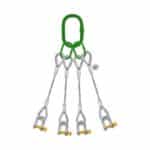
Lifting shackle mistakes can lead to catastrophic accidents, injuries, and costly damages. These seemingly simple pieces of rigging equipment are critical components in countless lifting and load securement operations across industries. A thorough understanding of safe shackle practices is not just a recommendation; it’s a necessity. In this comprehensive guide, we, Safe and Secure Trading Company (SSTC), will walk you through the most common lifting shackle mistakes and how to avoid them, ensuring safer and more efficient operations.
1. Introduction to Lifting Shackle Safety: An Overview
Lifting shackles are used in a wide array of industries, from construction and manufacturing to marine and transportation. They serve as the primary connection point between lifting devices, such as cranes or hoists, and the load being lifted. The integrity of this connection is paramount, as any failure can have devastating consequences. With our experience in the safe lifting equipment industry, we know the critical need for adhering to stringent safety protocols when using lifting shackles.
1.1. The Importance of Proper Shackle Use
Proper shackle use extends beyond simply attaching a load. It involves selecting the correct type of shackle for the application, understanding its load capacity, and performing regular inspections to identify potential issues. By adhering to these best practices, we can significantly reduce the risk of accidents and ensure the safety of personnel and equipment. At SSTC, we firmly believe that comprehensive knowledge and rigorous adherence to safety standards are key to preventing incidents related to lifting shackle mistakes.
1.2. Potential Consequences of Shackle Failure
The consequences of shackle failure can be severe, ranging from property damage and operational delays to serious injuries or even fatalities. A shackle failure can cause a load to drop unexpectedly, damaging equipment, structures, and potentially harming individuals in the vicinity. Understanding these potential consequences underscores the importance of proper shackle usage, regular inspection, and adherence to safety guidelines. For our clients here in Jubail, we’ve always stressed the catastrophic risks associated with lifting shackle mistakes.
1.3. Scope of This Guide: Common Mistakes and Prevention
This guide aims to provide a comprehensive overview of the most common lifting shackle mistakes and how to prevent them. We will cover topics such as exceeding the working load limit (WLL), improper pin engagement, inadequate inspection and maintenance, and selecting the wrong type of shackle for the job. By addressing these issues, we hope to equip our readers with the knowledge and tools necessary to improve lifting safety in their operations. We believe that by understanding these potential pitfalls, our clients can create a safer work environment.
2. Mistake #1: Exceeding the Working Load Limit (WLL)
✅ One of the most critical lifting shackle mistakes is exceeding the Working Load Limit (WLL). The WLL is the maximum weight a shackle is designed to safely support. Exceeding this limit can lead to deformation, fracture, and ultimately, failure of the shackle. This is why it’s crucial to know and respect the WLL of every shackle used.
2.1. Understanding WLL, SWL, and Safety Factors
The Working Load Limit (WLL), Safe Working Load (SWL), and safety factors are crucial concepts in lifting safety. WLL is the maximum load that a shackle is designed to carry, while SWL is sometimes used interchangeably but can also refer to the WLL divided by a safety factor. The safety factor is a ratio that indicates how much stronger a shackle is than its WLL. For example, a shackle with a WLL of 2 tons and a safety factor of 5:1 can theoretically withstand 10 tons before failure, but it should never be loaded beyond 2 tons in normal operation. Understanding these terms helps ensure that all lifting operations remain within safe parameters. For many of our clients, we’ve explained that the WLL is the only number that matters in operation.
2.2. How to Identify the WLL on a Shackle
Identifying the WLL on a shackle is essential for safe operation. The WLL is typically stamped or marked directly on the shackle body. It is usually expressed in tons (T), kilograms (kg), or pounds (lbs). In addition to the WLL, the shackle may also display the manufacturer’s name or logo, the size of the shackle, and a traceability code. Always check for this information before using a shackle, and ensure that the markings are legible and not damaged. If the WLL is not clearly marked, the shackle should not be used until positive identification can be made.
2.3. Calculating Total Load Weight Accurately
Accurately calculating the total load weight is crucial for preventing overloading. This involves not only knowing the weight of the primary load but also accounting for any additional rigging equipment, such as slings, chains, or spreader bars. These components add to the overall weight being lifted and must be included in the total load calculation. Using calibrated weighing devices and consulting equipment specifications are essential steps in ensuring accurate load assessment. We often remind our clients that underestimating the total load can lead to catastrophic failure.
2.4. Dangers of Overloading: Deformation and Fracture
Overloading a shackle can have catastrophic consequences. When a shackle is subjected to a load exceeding its WLL, it can undergo deformation, which is a permanent change in shape. This deformation weakens the shackle and makes it more susceptible to failure. In more extreme cases, overloading can lead to fracture, where the shackle breaks completely, causing the load to drop. Both deformation and fracture pose significant safety risks, potentially resulting in property damage, injuries, or fatalities. We’ve witnessed firsthand the devastating effects of overloading on lifting equipment.
2.5. Case Studies: Accidents Caused by Overloading
Numerous case studies highlight the dangers of overloading shackles. For example, a construction site accident occurred when a shackle used to lift a precast concrete panel was overloaded. The shackle fractured, causing the panel to fall and crush a worker. Another incident involved a crane operation where the combined weight of the load and rigging exceeded the shackle’s WLL, resulting in the load dropping and damaging nearby equipment. These real-world examples underscore the critical importance of adhering to WLLs and properly calculating total load weights.
2.6. Practical Examples for Load Calculation
Let’s consider a practical example for load calculation. Suppose you are lifting a machine that weighs 5,000 kg using two slings and a shackle. Each sling weighs 50 kg, and the spreader bar weighs 100 kg. The total load weight would be 5,000 kg (machine) + 50 kg (sling 1) + 50 kg (sling 2) + 100 kg (spreader bar) = 5,200 kg. The shackle used must have a WLL that exceeds 5,200 kg. Additionally, consider the angle of the slings, as steeper angles increase the load on the shackle. Always consult rigging charts and use appropriate safety factors to ensure safe lifting operations.
3. Mistake #2: Incorrect Shackle Pin Engagement and Orientation
💡 Another frequent lifting shackle mistake is incorrect shackle pin engagement and orientation. The pin must be fully and correctly engaged in the shackle body to ensure the load is evenly distributed. Improper engagement can lead to uneven stress and premature failure. The correct orientation of the shackle is also crucial to prevent side loading and other hazardous conditions.
3.1. Proper Thread Engagement for Shackle Pins
Proper thread engagement for shackle pins is vital for ensuring the integrity of the lifting operation. The pin must be fully threaded into the shackle body, with no visible threads remaining. This ensures that the load is evenly distributed across the entire pin, minimizing stress concentrations. Before each lift, verify that the pin is properly seated and tightened according to the manufacturer’s recommendations. Using a calibrated torque wrench can help ensure consistent and accurate tightening.
3.2. Dangers of Cross-Threading or Partially Engaged Pins
Cross-threading or partially engaged pins can significantly compromise the strength and safety of a shackle. Cross-threading occurs when the threads of the pin and the shackle body do not align correctly, causing damage to the threads and reducing the pin’s holding capacity. A partially engaged pin similarly reduces the effective cross-sectional area of the pin, making it more susceptible to bending or shear failure. Both conditions can lead to sudden and catastrophic failure of the shackle under load.
3.3. Correct Orientation of Shackles in Lifting Applications
The correct orientation of shackles in lifting applications is crucial for preventing side loading and ensuring proper load distribution. Shackles should be oriented so that the load is applied along the centerline of the shackle body. Avoid situations where the load is applied at an angle or where the shackle is forced to twist or bend. Using swivel hoist rings or other specialized rigging hardware can help maintain proper alignment and prevent side loading.
3.4. Avoiding Side Loading: Techniques and Equipment
Side loading occurs when the force is applied to the shackle at an angle to its primary axis. This can significantly reduce the shackle’s WLL and increase the risk of failure. To avoid side loading, ensure that the load is centered on the shackle bow. Use spreaders bars or other rigging equipment to maintain proper alignment. If side loading is unavoidable, consult the shackle manufacturer’s specifications to determine the allowable side loading capacity and adjust the WLL accordingly. In our experience, many accidents are directly caused by side loading.
3.5. Angle Correction: Calculating Load Increase From Angular Lifting
When lifting at an angle, the load on the shackle increases due to the vector components of the force. To accurately calculate this increase, use trigonometric principles. The load increase is proportional to the inverse cosine of the angle between the sling legs. For example, at a 60-degree angle, the load on each sling leg is equal to the total load divided by the square root of 3. Always consult rigging charts and engineering tables to determine the appropriate angle correction factors and ensure that the shackle’s WLL is not exceeded.
3.6. Examples of Correct and Incorrect Shackle Pin Use
Consider a scenario where a shackle is used to connect a sling to a load. In the correct application, the shackle bow should bear the load, with the pin securely threaded and tightened. In an incorrect application, the shackle might be side-loaded, or the pin might be only partially engaged. Another common mistake is using a shackle with a bent or damaged pin. Always inspect shackles before use and ensure they are in proper working condition.
3.7. Impact of D/d Ratio on Shackle Performance
The D/d ratio, where D is the diameter of the object the shackle is connected to and d is the diameter of the shackle wire, significantly impacts shackle performance. A lower D/d ratio (smaller object diameter relative to the shackle wire diameter) can cause increased bending stress on the shackle and reduce its effective WLL. For optimal performance, the D/d ratio should be as high as possible. Consult shackle manufacturer guidelines for recommended D/d ratios in specific applications.
4. Mistake #3: Neglecting Shackle Inspection and Maintenance
➡️ Neglecting shackle inspection and maintenance is a significant lifting shackle mistake that can lead to unforeseen failures. Regular inspections can identify signs of wear, damage, or corrosion that may compromise the shackle’s integrity. Proper maintenance, including cleaning and lubrication, helps to prevent corrosion and ensures smooth operation. A consistent inspection and maintenance program is crucial for maintaining the safety and reliability of lifting operations.
4.1. Establishing a Regular Inspection Schedule
Establishing a regular inspection schedule is a cornerstone of shackle safety. Inspections should be conducted before each use, as well as periodically based on the frequency of use and the severity of the operating environment. Shackles used in harsh conditions, such as marine environments or high-temperature settings, may require more frequent inspections. Documenting the inspection schedule and findings is essential for tracking the condition of the shackles and ensuring compliance with safety regulations. We encourage all our clients to implement and maintain a detailed inspection log.
4.2. Identifying Common Signs of Wear and Damage
Identifying common signs of wear and damage is a critical skill for anyone involved in lifting operations. This includes visual inspection for bending, cracks, and corrosion, as well as measuring wear on the pin and bow thickness. Early detection of these issues can prevent catastrophic failures and ensure the safety of personnel and equipment. Proper training and awareness are essential for effectively identifying these warning signs.
4.2.1. Visual Inspection: Bending, Cracks, Corrosion
Visual inspection is the first line of defense in identifying potential shackle issues. Look for signs of bending, which can indicate overloading or side loading. Cracks, especially in the load-bearing areas, are a clear indication of damage and require immediate removal from service. Corrosion can weaken the shackle material and make it more susceptible to failure. Pay close attention to areas where corrosion is likely to occur, such as threads, pin holes, and areas exposed to moisture or chemicals.
4.2.2. Measuring Wear: Pin and Bow Thickness
Measuring wear on the pin and bow thickness provides a more quantitative assessment of shackle condition. Use calipers or micrometers to measure the diameter of the pin and the thickness of the bow at various points. Compare these measurements to the manufacturer’s specifications to determine if the wear exceeds allowable limits. Excessive wear indicates that the shackle has been subjected to significant stress and may be nearing the end of its service life.
4.3. Proper Cleaning and Lubrication Procedures
Proper cleaning and lubrication are essential for maintaining the performance and longevity of shackles. Cleaning removes dirt, debris, and corrosive substances that can accelerate wear and degradation. Lubrication reduces friction between moving parts, such as the pin and the shackle body, ensuring smooth operation and preventing seizing. Use lubricants recommended by the shackle manufacturer and apply them according to their instructions.
4.4. Removal Criteria: When to Retire a Shackle
Establishing clear removal criteria is essential for ensuring that damaged or worn shackles are taken out of service before they fail. Any shackle that exhibits signs of bending, cracking, excessive corrosion, or wear beyond allowable limits should be immediately retired. Other reasons for removal include damaged threads, non-matching parts, or evidence of unauthorized repairs. Clearly communicate these removal criteria to all personnel involved in lifting operations.
4.5. Documentation: Maintaining Inspection Records
Maintaining accurate inspection records is crucial for tracking the condition of shackles and ensuring compliance with safety regulations. Records should include the date of inspection, the inspector’s name, the shackle’s identification number, and a detailed description of any findings. These records can help identify trends in wear and damage, allowing for proactive maintenance and replacement strategies. Furthermore, inspection records provide evidence of due diligence in the event of an accident or incident.
4.6. The Role of NDT (Non-Destructive Testing) in Shackle Inspection
Non-destructive testing (NDT) methods, such as ultrasonic testing, magnetic particle inspection, and dye penetrant testing, can be used to detect internal flaws and hidden damage in shackles that may not be visible during visual inspection. NDT can provide a more comprehensive assessment of shackle integrity and help identify potential issues before they lead to failure. NDT should be performed by qualified technicians and in accordance with industry standards and manufacturer’s recommendations.
4.7. Legal and Compliance Requirements for Inspection
Legal and compliance requirements for shackle inspection vary depending on the jurisdiction and the industry. However, most regulations require regular inspections, documentation, and adherence to manufacturer’s specifications. Compliance with these requirements is not only a legal obligation but also a critical component of a comprehensive safety program. Stay informed about the relevant regulations and standards in your area and ensure that your shackle inspection program meets or exceeds these requirements.
5. Shackle Types and Their Applications
✨ There are various types of shackles, each designed for specific applications. Using the wrong shackle type is a critical lifting shackle mistake. Anchor shackles (bow shackles) are commonly used for connecting slings and other rigging hardware, while chain shackles (D-shackles) are often used for straight-line pulls. Speciality shackles are designed for unique applications, such as offshore lifting or high-capacity lifts. Selecting the right shackle for the job is essential for ensuring safety and efficiency.
5.1. Understanding Different Shackle Designs
Different shackle designs cater to varying lifting needs. Anchor shackles, with their larger bow, allow for wider sling angles and multiple attachments. Chain shackles, with their narrower D-shape, are ideal for direct connections and straight-line pulls. Specialty shackles, such as swivel shackles or wide-body shackles, offer specific advantages in complex or demanding applications.
5.1.1. Anchor Shackles (Bow Shackles)
Anchor shackles, also known as bow shackles, are characterized by their large, rounded bow shape. This design allows for greater sling angles and the ability to connect multiple slings or other rigging hardware to the shackle. Anchor shackles are commonly used in a variety of lifting applications, including construction, manufacturing, and marine operations. Their versatility makes them a popular choice for general-purpose lifting tasks.
5.1.2. Chain Shackles (D-Shackles)
Chain shackles, also known as D-shackles, have a narrower, D-shaped bow. This design is well-suited for straight-line pulls and direct connections. Chain shackles are often used to connect chains, wires, or other hardware directly to a load or lifting device. Their compact size makes them ideal for applications where space is limited.
5.1.3. Speciality Shackles
Speciality shackles are designed for specific or unique lifting applications. Examples include swivel shackles, which allow for rotation under load, wide-body shackles, which provide increased load distribution, and long reach shackles, which can access hard-to-reach connection points. Selecting the appropriate speciality shackle can enhance safety and efficiency in specialized lifting operations.
5.2. Selecting the Right Shackle for the Job
Selecting the right shackle for the job involves considering several factors, including the load weight, the lifting configuration, the environmental conditions, and the type of load being lifted. Ensure that the shackle’s WLL exceeds the total load weight, including any additional rigging hardware. Choose a shackle type that is appropriate for the lifting configuration and that can accommodate the required sling angles. Consider the environmental conditions and select a shackle material that is resistant to corrosion, temperature extremes, or chemical exposure.
5.3. Considerations for Material Type (e.g., Alloy Steel, Stainless Steel)
The material type of a shackle plays a crucial role in its performance and suitability for different applications. Alloy steel shackles are known for their high strength and durability, making them a popular choice for heavy-duty lifting tasks. Stainless steel shackles offer excellent corrosion resistance, making them ideal for marine environments or applications where exposure to chemicals is a concern. Other materials, such as carbon steel or aluminum, may be used in specific applications based on their unique properties.
| Shackle Type |
Material |
Typical Applications |
Advantages |
Disadvantages |
| Anchor (Bow) Shackle |
Alloy Steel, Stainless Steel |
General lifting, connecting slings |
Versatile, accommodates wider sling angles |
Can be bulky |
| Chain (D) Shackle |
Alloy Steel, Stainless Steel |
Straight-line pulls, direct connections |
Compact, strong in-line |
Limited sling angle |
| Stainless Steel Shackle |
Stainless Steel |
Marine, chemical environments |
Excellent corrosion resistance |
Lower strength compared to alloy steel |
| Alloy Steel Shackle |
Alloy Steel |
Heavy lifting, construction |
High strength and durability |
Susceptible to corrosion if not protected |
| Swivel Shackle |
Alloy Steel |
Lifting with rotation |
Allows rotation under load |
More complex, requires careful inspection |
6. The Role of Training and Competency
➡️ The lack of proper training and competency is a major contributor to lifting shackle mistakes. Implementing comprehensive training programs can equip personnel with the knowledge and skills necessary to safely operate lifting equipment. Emphasizing practical skills and knowledge, assessing and certifying competency, and providing refresher courses can help ensure that all personnel involved in lifting operations are adequately trained and qualified.
6.1. Implementing Comprehensive Training Programs
Implementing comprehensive training programs is essential for promoting a culture of safety and preventing accidents. Training programs should cover topics such as shackle types, WLLs, inspection procedures, proper usage techniques, and relevant safety regulations. The training should be tailored to the specific needs of the industry and the types of lifting operations being performed. Hands-on training and practical exercises are crucial for reinforcing theoretical concepts and developing practical skills. We provide customized training programs for our clients to address their specific needs.
6.2. Emphasizing Practical Skills and Knowledge
While theoretical knowledge is important, practical skills are equally crucial for safe shackle usage. Training programs should include hands-on exercises that allow personnel to practice proper shackle inspection, rigging techniques, and load handling procedures. These exercises should simulate real-world scenarios and provide opportunities for personnel to develop the skills and confidence necessary to perform lifting operations safely.
6.3. Assessing and Certifying Competency
Assessing and certifying competency ensures that personnel have the required knowledge and skills to perform lifting operations safely. Competency assessments can include written exams, practical demonstrations, and on-the-job evaluations. Certification should be based on objective criteria and should be renewed periodically to ensure that personnel maintain their skills and knowledge.
6.4. Refresher Courses and Continuous Improvement
Refresher courses and continuous improvement programs are essential for keeping personnel up-to-date on the latest safety practices and technologies. Refresher courses should be conducted periodically to reinforce key concepts and address any areas where performance may have declined. Continuous improvement programs should encourage feedback from personnel and incorporate lessons learned from incidents and near misses.
7. Impact of Environmental Factors on Shackle Performance
✅ Environmental factors can significantly impact shackle performance and longevity. Corrosion in marine environments, temperature effects on material strength, and chemical exposure can all degrade shackle materials and compromise their integrity. Implementing mitigation strategies, such as using corrosion-resistant materials or protective coatings, can help minimize the impact of these environmental factors.
7.1. Corrosion in Marine Environments
Marine environments pose a significant challenge to shackle performance due to the corrosive effects of saltwater. Saltwater can accelerate the degradation of shackle materials, leading to rust, pitting, and ultimately, failure. Using stainless steel shackles or applying protective coatings can help mitigate the effects of corrosion and extend the service life of shackles in marine environments. Regular inspection and maintenance are also crucial for identifying and addressing corrosion issues.
7.2. Temperature Effects on Material Strength
Temperature can significantly affect the strength and ductility of shackle materials. High temperatures can reduce the yield strength and tensile strength of steel, making shackles more susceptible to deformation and failure. Low temperatures can cause steel to become brittle, increasing the risk of fracture. Consult shackle manufacturer’s specifications for temperature derating factors and select shackle materials that are suitable for the expected operating temperature range.
7.3. Chemical Exposure and Degradation
Exposure to certain chemicals can degrade shackle materials and compromise their integrity. Acids, alkalis, and solvents can attack the metal, leading to corrosion, embrittlement, and reduced strength. Select shackle materials that are resistant to the specific chemicals present in the operating environment. Apply protective coatings or use chemical-resistant lubricants to further mitigate the effects of chemical exposure.
7.4. Mitigation Strategies for Harsh Environments
Mitigation strategies for harsh environments include selecting appropriate shackle materials, applying protective coatings, implementing regular inspection and maintenance programs, and using specialized rigging hardware. Stainless steel shackles offer excellent corrosion resistance in marine environments. Protective coatings, such as galvanizing or epoxy coatings, can provide a barrier against corrosion and chemical attack. Regular inspection and maintenance can help identify and address potential issues before they lead to failure.
> “Proper shackle selection and maintenance are crucial for ensuring the safety and efficiency of lifting operations in harsh environments.” – John Smith, Lead Safety Inspector
8. Standards and Regulations Governing Shackle Use
➡️ Standards and regulations play a vital role in ensuring safe shackle use. Organizations such as ANSI/ASME and OSHA have established standards and requirements for lifting equipment, including shackles. Staying updated on these regulatory changes and adhering to best practices is essential for maintaining compliance and preventing accidents.
8.1. Overview of Relevant ANSI/ASME Standards
ANSI/ASME standards provide detailed specifications for the design, manufacturing, testing, and use of lifting equipment, including shackles. These standards cover topics such as material requirements, load ratings, inspection procedures, and maintenance practices. Compliance with ANSI/ASME standards is widely recognized as a benchmark for safety and quality in the lifting industry.
8.2. OSHA Requirements for Lifting Equipment
OSHA (Occupational Safety and Health Administration) has established requirements for the safe use of lifting equipment in the workplace. These requirements cover topics such as inspection, maintenance, training, and load rating. Employers are responsible for ensuring that their lifting equipment meets OSHA standards and that their employees are properly trained to use it safely.
8.3. International Standards and Best Practices
In addition to ANSI/ASME standards and OSHA requirements, there are numerous international standards and best practices that govern shackle use. These include standards from organizations such as the International Organization for Standardization (ISO) and industry-specific guidelines from organizations such as the Lifting Equipment Engineers Association (LEEA). Adhering to these international standards and best practices can help ensure a consistent level of safety across different regions and industries.
8.4. Staying Updated on Regulatory Changes
Staying updated on regulatory changes is essential for maintaining compliance and ensuring the safety of lifting operations. Regulations and standards are constantly evolving to reflect new technologies, best practices, and lessons learned from accidents and incidents. Subscribe to industry publications, attend training courses, and participate in industry associations to stay informed about the latest regulatory changes and ensure that your shackle usage practices are up-to-date.
9. Advanced Shackle Applications and Techniques
✨ Advanced shackle applications and techniques require a deeper understanding of rigging principles and load distribution. Using shackles in complex lifting configurations, employing multiple leg slings, and implementing specialized rigging techniques can enhance safety and efficiency in challenging lifting scenarios.
9.1. Using Shackles in Complex Lifting Configurations
Complex lifting configurations, such as those involving multiple cranes or нестандартные loading arrangements, require careful planning and execution. Shackles play a critical role in connecting the various components of the lifting system and ensuring that the load is safely and evenly distributed. Use appropriate rigging hardware, such as spreader bars and equalizer beams, to maintain proper load distribution and prevent overloading of individual shackles.
9.2. Multiple Leg Slings and Load Distribution
Multiple leg slings are commonly used to distribute the load across multiple lifting points. When using multiple leg slings, it is important to consider the angle between the sling legs and the effect on the load on each shackle. Steeper sling angles increase the load on the shackles, while shallower angles reduce the load. Use trigonometric principles and rigging charts to calculate the load distribution and select shackles with appropriate WLLs.
9.3. Specialized Rigging Techniques
Specialized rigging techniques, such as basket hitches, choker hitches, and bridle hitches, can be used to enhance the stability and control of the load. Each of these techniques has its own unique advantages and limitations, and the selection of the appropriate technique depends on the specific lifting scenario. Ensure that all personnel involved in rigging operations are properly trained in these specialized techniques and understand the potential risks involved.
10. Case Studies: Real-World Shackle Failures and Lessons Learned
💡 Examining real-world shackle failures provides valuable insights into the causes of accidents and the steps that can be taken to prevent them. Analyzing accidents involving shackle misuse, identifying root causes and contributing factors, and implementing corrective actions and preventive measures can help improve lifting safety and reduce the risk of future incidents.
10.1. Analyzing Accidents Involving Shackle Misuse
Analyzing accidents involving shackle misuse involves examining the circumstances surrounding the accident, identifying the specific shackle-related factors that contributed to the failure, and determining the root causes of the incident. This analysis should include a review of inspection records, training records, and operating procedures to identify any deficiencies or areas for improvement.
10.2. Identifying Root Causes and Contributing Factors
Identifying the root causes and contributing factors of shackle failures is essential for developing effective corrective actions and preventive measures. Root causes may include factors such as inadequate inspection, improper usage, overloading, material defects, or environmental degradation. Contributing factors may include factors such as inadequate training, poor communication, or lack of supervision.
10.3. Implementing Corrective Actions and Preventive Measures
Implementing corrective actions and preventive measures is the final step in the accident analysis process. Corrective actions should address the specific root causes of the incident and may include measures such as retraining personnel, revising operating procedures, replacing damaged equipment, or implementing more frequent inspections. Preventive measures should focus on preventing similar incidents from occurring in the future and may include measures such as improving training programs, enhancing communication, or implementing stricter safety protocols.
11. Emerging Technologies in Shackle Design and Monitoring
➡️ Emerging technologies are transforming shackle design and monitoring, offering new opportunities to enhance safety and efficiency. Smart shackles with load monitoring capabilities, advances in material science for increased strength, and predictive maintenance using sensor technology are just a few examples of the innovations that are shaping the future of shackle technology.
11.1. Smart Shackles with Load Monitoring Capabilities
Smart shackles are equipped with sensors that can measure and transmit load data in real-time. This data can be used to monitor load distribution, detect overloads, and prevent accidents. Smart shackles can also provide alerts when load limits are approached or exceeded, allowing operators to take corrective action before a failure occurs. The integration of smart technology into shackles represents a significant advancement in lifting safety.
11.2. Advances in Material Science for Increased Strength
Advances in material science are leading to the development of new shackle materials with increased strength, durability, and corrosion resistance. These materials, such as high-strength alloys and composite materials, can withstand higher loads and operate in more extreme environments. The use of these advanced materials can improve the safety and reliability of lifting operations.
11.3. Predictive Maintenance Using Sensor Technology
Predictive maintenance involves using sensor technology to monitor the condition of shackles and predict when maintenance or replacement is required. Sensors can measure parameters such as stress, strain, temperature, and corrosion, providing early warnings of potential problems. This allows for proactive maintenance, reducing the risk of unexpected failures and extending the service life of shackles.
12. Conclusion: Reinforcing Best Practices for Shackle Safety
In conclusion, avoiding lifting shackle mistakes requires a comprehensive approach that encompasses proper training, regular inspection, adherence to standards, and the use of appropriate equipment. By understanding the common mistakes and implementing best practices, we can significantly reduce the risk of accidents and ensure the safety of personnel and equipment.
12.1. Summarizing Key Mistakes to Avoid
The key mistakes to avoid include exceeding the WLL, incorrect pin engagement and orientation, neglecting inspection and maintenance, using the wrong shackle type, and failing to provide adequate training. Addressing these issues requires a commitment to safety at all levels of the organization.
12.2. Emphasizing the Importance of Continuous Improvement
Continuous improvement is essential for maintaining a high level of safety and preventing accidents. Regularly review safety practices, solicit feedback from personnel, and incorporate lessons learned from incidents and near misses. Embrace new technologies and best practices to enhance safety and efficiency.
12.3. Call to Action: Promoting a Culture of Safety
We at SSTC are committed to providing the highest quality lifting equipment and safety training.
FAQ Section
Q: How often should I inspect my shackles?
A: Shackles should be inspected before each use, as well as periodically based on the frequency of use and the severity of the operating environment. Shackles used in harsh conditions may require more frequent inspections.
Q: What should I look for during a shackle inspection?
A: During a shackle inspection, look for signs of bending, cracking, corrosion, wear, and damaged threads. Measure the pin and bow thickness and compare these measurements to the manufacturer’s specifications.
Q: When should I retire a shackle?
A: A shackle should be retired if it exhibits signs of bending, cracking, excessive corrosion, wear beyond allowable limits, damaged threads, non-matching parts, or evidence of unauthorized repairs.
Q: What is the difference between WLL and SWL?
A: WLL (Working Load Limit) is the maximum load that a shackle is designed to carry. SWL (Safe Working Load) is sometimes used interchangeably but can also refer to the WLL divided by a safety factor.
Q: How do I calculate the total load weight for a lifting operation?
A: Calculate the total load weight by adding the weight of the primary load to the weight of any additional rigging equipment, such as slings, chains, or spreader bars. Consider the angle of the slings, as steeper angles increase the load on the shackle.
Q: What is side loading and how can I prevent it?
A: Side loading occurs when the force is applied to the shackle at an angle to its primary axis. To prevent side loading, ensure that the load is centered on the shackle bow. Use spreaders bars or other rigging equipment to maintain proper alignment.
Q: What type of shackle is best for marine environments?
A: Stainless steel shackles offer excellent corrosion resistance and are ideal for marine environments.
Q: Where can I find more information on shackle safety standards and regulations?
A: You can find more information on shackle safety standards and regulations from organizations such as ANSI/ASME, OSHA, and ISO. You can also consult with industry experts and attend training courses to stay informed about the latest requirements.