Introduction to Rigging Screw Maintenance
The Importance of Rigging Screw Maintenance
Rigging screws, also known as turnbuckles, are essential components in various applications, from securing loads in construction and shipping to adjusting tension in cable systems and marine rigging. Proper rigging screw maintenance is not just about extending the lifespan of these components; it’s fundamentally about safety. Neglecting rigging screw maintenance can lead to unexpected failures, resulting in property damage, injuries, or even fatalities. Regular rigging screw maintenance ensures that these critical elements remain reliable and perform as intended under demanding conditions.
What are Rigging Screws and How They Work
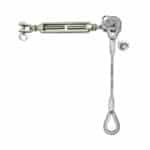
Rigging screws are mechanical devices used to adjust the tension or length of ropes, cables, and tie rods. They typically consist of a metal frame or body and two threaded ends, which can be hooks, eyes, jaws, or other fittings. By rotating the frame, the threaded ends move in or out, effectively tightening or loosening the connection. The simple yet effective design allows for precise adjustments, making them indispensable in applications where tension control is crucial. Rigging screws are available in various sizes and configurations to suit different load requirements and environmental conditions.
Scope of This Guide: A Textbook Approach
This comprehensive guide aims to provide a thorough understanding of rigging screw maintenance, covering everything from basic inspection to advanced repair techniques. We will delve into the materials used, the types of stresses rigging screws endure, and the environmental factors that can affect their performance. Our goal is to equip you with the knowledge and skills necessary to implement an effective rigging screw maintenance program, ensuring the safety and longevity of your rigging systems. We will also explore the importance of following a screw maintenance schedule to keep these vital components in optimal condition.
Understanding Rigging Screw Components and Materials
Common Types of Rigging Screws (Jaw, Eye, Swage)
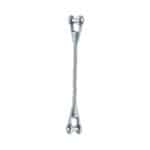
Rigging screws come in a variety of end fitting configurations, each designed for specific applications. Jaw end fittings, with their clevis pin design, are ideal for quick and secure connections to other hardware. Eye end fittings provide a closed loop for attaching ropes or cables. Swage fittings are permanently attached to wire rope, creating a strong and reliable connection. Understanding the strengths and limitations of each type is crucial for selecting the appropriate rigging screw for the job.
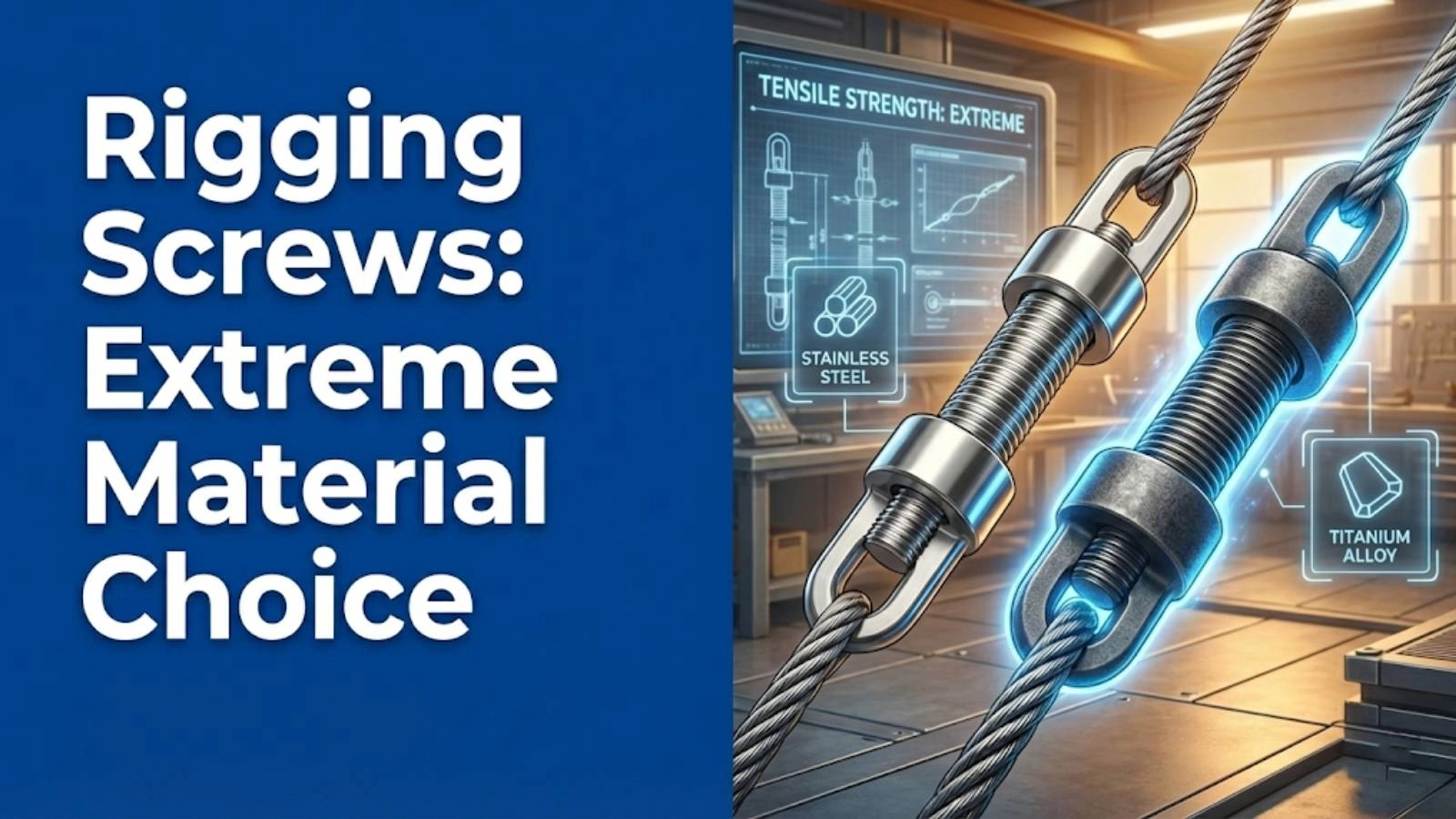
Materials Used in Rigging Screws (Stainless Steel, Galvanized Steel)
The most common materials used in rigging screws are stainless steel and galvanized steel. Stainless steel offers excellent corrosion resistance, making it ideal for marine environments and other harsh conditions. Galvanized steel provides a protective zinc coating that helps prevent rust and corrosion, making it a cost-effective option for many applications. The choice of material depends on the specific application and the level of corrosion resistance required. Stainless steel rigging is often preferred for its durability and longevity in corrosive settings.
Material Properties and Their Impact on Lifespan
The material properties of rigging screws, such as tensile strength, yield strength, and corrosion resistance, play a significant role in their lifespan and performance. High tensile strength materials can withstand greater loads without deforming or breaking. Good corrosion resistance is essential for preventing rust and degradation, especially in marine or industrial environments. Understanding these properties helps in selecting the right rigging screw for the intended application and in implementing appropriate corrosion prevention measures.
The Critical Role of Regular Inspection
Visual Inspection: What to Look For
Regular visual inspection is the cornerstone of effective rigging screw maintenance. Start by examining the entire rigging screw for any signs of damage, such as cracks, bends, or deformations. Pay close attention to the threads, looking for wear, corrosion, or stripping. Check the end fittings for proper alignment and secure attachment. Also, inspect the body of the rigging screw for any signs of rust or other forms of corrosion. A thorough visual inspection can help identify potential problems before they escalate into serious issues.
Identifying Signs of Wear and Tear (Cracks, Corrosion, Deformation)
Identifying signs of wear and tear early on is crucial for preventing rigging screw failure. Cracks can propagate rapidly under load, leading to catastrophic failure. Corrosion weakens the material, reducing its load-bearing capacity. Deformation indicates that the rigging screw has been overloaded or subjected to excessive stress. Any of these signs should be cause for concern and warrant further investigation. We once had a client in our Dubai office who overlooked a small crack in a rigging screw; luckily, it was caught during a subsequent inspection, preventing a potentially dangerous situation.
Setting Inspection Frequency Based on Usage and Environment
The frequency of rigging screw inspections should be based on usage and environmental factors. Rigging screws used in heavy-duty applications or exposed to harsh environments, such as saltwater or corrosive chemicals, should be inspected more frequently. A screw maintenance schedule can help ensure that inspections are performed regularly and consistently. For example, rigging screws used in marine environments may require monthly inspections, while those used in less demanding applications may only need quarterly inspections.
Detailed Lubrication Procedures
Selecting the Right Lubricant for Rigging Screws
Choosing the right lubricant is essential for maintaining the smooth operation of rigging screws and preventing corrosion. Marine-grade lubricants are specifically formulated to withstand saltwater exposure and prevent rust. Other suitable lubricants include those containing Teflon or silicone, which provide excellent water resistance and lubricity. Avoid using lubricants that can attract dirt or debris, as these can accelerate wear and corrosion.
Application Techniques for Effective Lubrication
Proper application of lubricant is just as important as selecting the right lubricant. Start by cleaning the rigging screw thoroughly to remove any dirt, grease, or corrosion. Apply the lubricant liberally to the threads, ensuring that it penetrates all areas. Rotate the rigging screw to distribute the lubricant evenly. For best results, use a brush or spray nozzle to apply the lubricant to hard-to-reach areas. Remember that the goal is to create a protective barrier between the metal surfaces, reducing friction and preventing corrosion.
Frequency of Lubrication Based on Environmental Factors
The frequency of lubrication should be based on environmental factors and usage. Rigging screws exposed to saltwater or other corrosive environments may require more frequent lubrication. Similarly, rigging screws that are used frequently or subjected to heavy loads may also need more frequent lubrication. A good rule of thumb is to lubricate rigging screws at least every three months, or more often if conditions warrant. The thread lubrication process is essential to the longevity of the rigging screw.
Preventing Corrosion: A Comprehensive Strategy
Understanding Different Types of Corrosion (Galvanic, Crevice)
Corrosion is a major threat to the lifespan of rigging screws, especially in marine environments. Galvanic corrosion occurs when two dissimilar metals are in contact in the presence of an electrolyte, such as saltwater. Crevice corrosion occurs in tight spaces where oxygen is limited, such as under washers or in threaded connections. Understanding these different types of corrosion is essential for implementing effective prevention strategies.
Protective Coatings and Their Application
Protective coatings can provide an effective barrier against corrosion. Galvanizing is a common coating for steel rigging screws, providing a layer of zinc that protects the underlying metal from rust. Other coatings, such as epoxy or polyurethane, can provide even greater protection, especially in harsh environments. The key is to apply the coating properly, ensuring that it covers all surfaces and adheres tightly to the metal.
Best Practices for Minimizing Corrosion in Marine Environments
In marine environments, minimizing corrosion requires a comprehensive approach. Use stainless steel rigging screws whenever possible, as stainless steel offers excellent corrosion resistance. Apply protective coatings to other metal components to prevent rust. Regularly clean and lubricate rigging screws to remove salt and other contaminants. Avoid mixing dissimilar metals, which can lead to galvanic corrosion. By following these best practices, you can significantly extend the lifespan of your rigging screws in marine environments.
Load Rating and Safety Considerations
Understanding Rigging Screw Load Ratings (SWL, Breaking Strength)
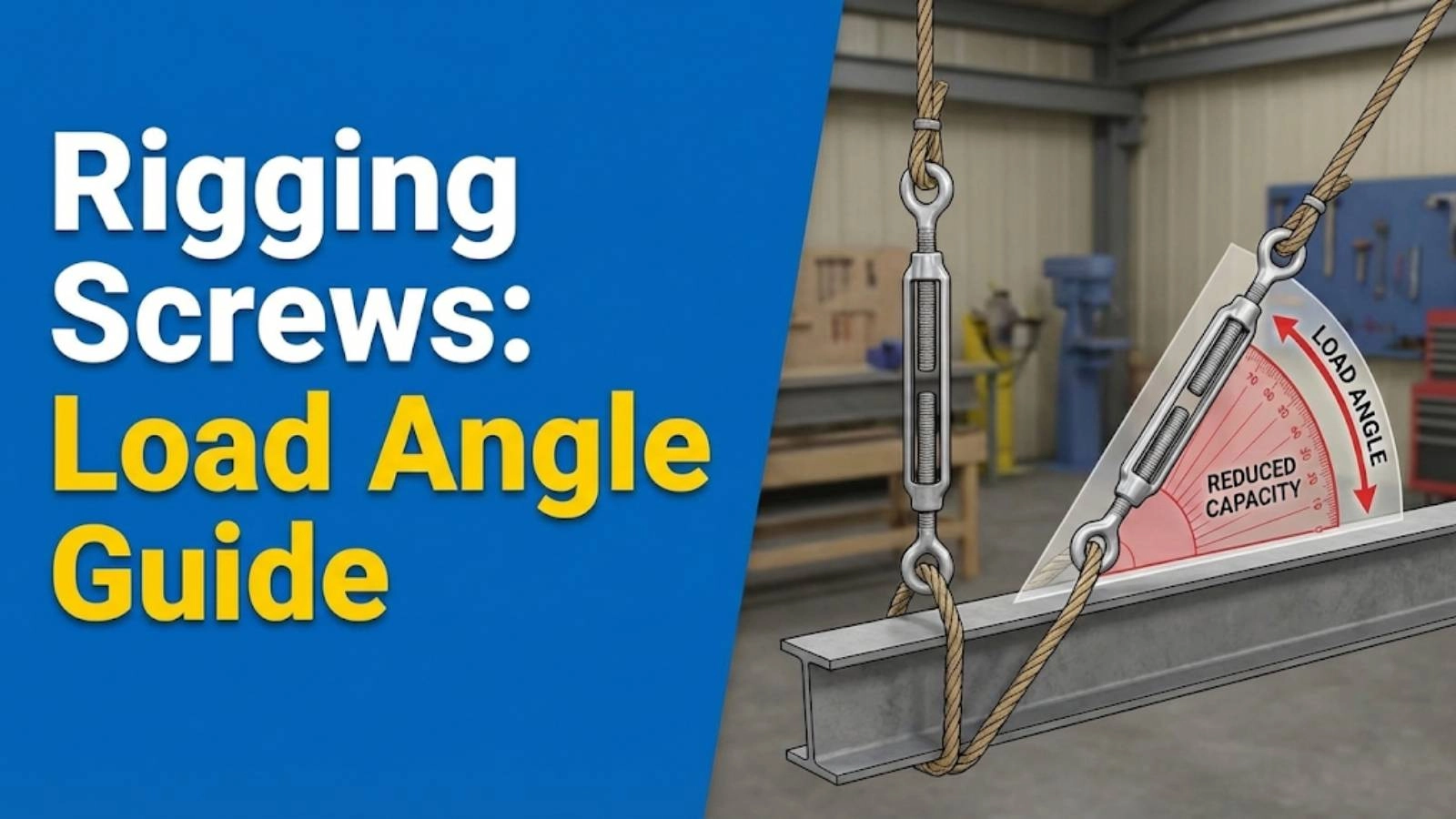
Rigging screws are designed with specific load ratings, including the Safe Working Load (SWL) and the Breaking Strength. The SWL is the maximum load that the rigging screw is designed to carry safely under normal operating conditions. The Breaking Strength is the load at which the rigging screw is expected to fail. It is crucial to understand these ratings and to never exceed the SWL. Doing so can lead to rigging screw failure and potentially dangerous consequences.
Avoiding Overloading and Exceeding Safety Limits
Overloading rigging screws is a common cause of failure. Always ensure that the load being applied is within the SWL of the rigging screw. Use a load cell or other measuring device to verify the load if necessary. Avoid shock loading, which can create sudden and excessive stress on the rigging screw. Regularly inspect rigging screws for signs of deformation, which may indicate that they have been overloaded in the past.
The Consequences of Rigging Screw Failure
The consequences of rigging screw failure can be severe. A failed rigging screw can cause a load to drop unexpectedly, resulting in property damage, injuries, or even fatalities. In marine applications, rigging screw failure can lead to loss of equipment or even capsizing. That’s why following all load limits is crucial and must be a part of rigging hardware maintenance. Proper rigging screw maintenance is essential for preventing these catastrophic events.
Advanced Maintenance Techniques
Thread Cleaning and Repair
Over time, the threads of rigging screws can become clogged with dirt, grease, or corrosion, making them difficult to turn. Thread cleaning is an essential part of rigging screw maintenance. Use a wire brush or thread chaser to remove any debris from the threads. If the threads are damaged, they may need to be repaired using a thread file or die. In severe cases, the rigging screw may need to be replaced.
Addressing Seized or Frozen Rigging Screws
Seized or frozen rigging screws can be a frustrating problem. Often, this is caused by corrosion or lack of lubrication. Start by applying a penetrating oil to the threads and allowing it to soak for several hours. Use a wrench or other tool to try to loosen the rigging screw. If it is still stuck, apply heat to the body of the rigging screw to help loosen the corrosion. Be careful not to overheat the rigging screw, as this can weaken the metal.
Specialized Tools for Rigging Screw Maintenance
Several specialized tools can make rigging screw maintenance easier and more effective. Thread chasers are designed to clean and repair damaged threads. Load cells can be used to measure the load being applied to the rigging screw. Torque wrenches can be used to ensure that the rigging screw is tightened to the proper torque. Having these tools on hand can help you perform maintenance tasks more efficiently and accurately.
Environmental Factors and Their Impact
Saltwater Exposure and Its Effects
Saltwater exposure is one of the most significant environmental factors affecting the lifespan of rigging screws. Saltwater is highly corrosive and can accelerate rust and degradation. Rigging screws used in marine environments should be made of stainless steel or other corrosion-resistant materials. Regular cleaning and lubrication are also essential for preventing saltwater damage.
UV Radiation and Material Degradation
UV radiation from the sun can also degrade the materials used in rigging screws. UV radiation can cause plastics and other synthetic materials to become brittle and crack. It can also fade the color of painted surfaces. To protect rigging screws from UV radiation, store them in a shaded area when not in use. Apply protective coatings to prevent UV damage.
Temperature Fluctuations and Their Influence
Temperature fluctuations can also affect the performance of rigging screws. Extreme temperatures can cause materials to expand and contract, which can loosen threaded connections. Cold temperatures can make materials more brittle, increasing the risk of cracking. To mitigate the effects of temperature fluctuations, use materials that are resistant to temperature changes. Regularly inspect rigging screws for signs of loosening or cracking.
Replacement vs. Repair: Making the Right Decision
Evaluating the Cost-Effectiveness of Repair
When a rigging screw is damaged, the decision must be made whether to repair or replace it. Repairing a rigging screw can be a cost-effective option if the damage is minor and the rigging screw is still in good overall condition. However, if the damage is severe or the rigging screw is nearing the end of its lifespan, replacement may be the better option. Consider the cost of the repair, the potential lifespan of the repaired rigging screw, and the risk of failure when making your decision.
Determining When Replacement is Necessary
Replacement is necessary when the rigging screw is severely damaged or corroded, when it has been overloaded or subjected to excessive stress, or when it is nearing the end of its lifespan. Any cracks, bends, or deformations should be cause for immediate replacement. If you are unsure whether to repair or replace a rigging screw, consult with a qualified rigging inspector.
Proper Disposal of Old Rigging Screws
Old rigging screws should be disposed of properly to prevent environmental contamination. Metal rigging screws can be recycled at a metal recycling facility. Plastic or synthetic rigging screws should be disposed of in accordance with local regulations. Avoid disposing of rigging screws in landfills, as this can contribute to pollution.
Rigging Screw Maintenance Schedule: A Practical Guide
Creating a Customized Maintenance Schedule
Creating a customized maintenance schedule is essential for ensuring the longevity and safety of your rigging screws. Start by assessing the usage and environmental factors to which the rigging screws are exposed. Determine the appropriate inspection and lubrication frequencies based on these factors. Create a written schedule that outlines the specific maintenance tasks to be performed and the intervals at which they should be performed.
Logging Maintenance Activities for Tracking and Analysis
Logging maintenance activities is crucial for tracking and analyzing the effectiveness of your rigging screw maintenance program. Keep a detailed record of all inspections, lubrication, repairs, and replacements. Note the date, time, and specific tasks performed. This information can help you identify trends, such as recurring problems or premature failures. It can also help you refine your maintenance schedule to optimize its effectiveness.
Sample Maintenance Schedule Template
Here’s a sample maintenance schedule template. This can be a part of your greater screw maintenance schedule, or stand alone:
| Task |
Frequency |
Procedure |
Notes |
| Visual Inspection |
Monthly |
Inspect for cracks, corrosion, deformation. |
Pay close attention to threads and end fittings. |
| Lubrication |
Quarterly |
Apply marine-grade lubricant to threads. |
Clean threads before lubricating. |
| Thread Cleaning |
Annually |
Clean threads with wire brush or thread chaser. |
Inspect for thread damage. |
| Load Testing |
Every 5 Years |
Test load capacity. |
Document results. |
Case Studies: Real-World Examples of Rigging Screw Failure
Analyzing Common Failure Scenarios
Analyzing common failure scenarios can provide valuable insights into the causes of rigging screw failure. Overloading, corrosion, and improper maintenance are among the most common causes. By studying these scenarios, we can learn how to prevent similar failures in the future. Always make sure to review the load rating before starting any job.
Learning from Past Mistakes
Learning from past mistakes is essential for improving rigging screw maintenance practices. Investigate any rigging screw failures thoroughly to determine the root cause. Implement corrective actions to prevent similar failures from occurring in the future. Share your findings with others to help them avoid making the same mistakes.
Implementing Preventative Measures Based on Case Studies
Based on the analysis of case studies, implement preventative measures to reduce the risk of rigging screw failure. This may include increasing inspection frequency, improving lubrication practices, using more corrosion-resistant materials, or providing additional training to personnel. By taking proactive steps to prevent failures, you can significantly improve the safety and reliability of your rigging systems.
“Regular inspection and proper lubrication are the cornerstones of rigging screw maintenance. Neglecting these critical tasks can lead to catastrophic failures.” – John Smith, Lead Safety Inspector
Conclusion: Ensuring Longevity and Safety
Recap of Key Maintenance Practices
In summary, effective rigging screw maintenance involves regular visual inspections, proper lubrication, corrosion prevention, and adherence to load ratings. A customized maintenance schedule, coupled with meticulous record-keeping, ensures that these practices are consistently applied. Understanding the environmental factors and material properties affecting rigging screws allows for informed decisions regarding repair and replacement.
The Long-Term Benefits of Rigging Screw Maintenance
The long-term benefits of diligent rigging screw maintenance extend beyond just the lifespan of the components themselves. By preventing failures and ensuring the reliable performance of rigging systems, you enhance safety, reduce downtime, and minimize the risk of costly repairs or replacements. Investing in proper maintenance is an investment in the overall safety and efficiency of your operations.
FAQ Section
Q: How often should I lubricate my rigging screws?
A: The frequency of lubrication depends on environmental factors and usage. As a general rule, lubricate rigging screws at least every three months, or more often if they are exposed to saltwater or heavy loads.
Q: What type of lubricant should I use for rigging screws?
A: Use a marine-grade lubricant specifically formulated to withstand saltwater exposure and prevent rust. Lubricants containing Teflon or silicone are also good choices.
Q: How can I prevent corrosion on my rigging screws?
A: Use stainless steel rigging screws whenever possible, as stainless steel offers excellent corrosion resistance. Apply protective coatings to other metal components to prevent rust. Regularly clean and lubricate rigging screws to remove salt and other contaminants.
Q: What should I do if my rigging screw is seized or frozen?
A: Apply a penetrating oil to the threads and allow it to soak for several hours. Use a wrench or other tool to try to loosen the rigging screw. If it is still stuck, apply heat to the body of the rigging screw to help loosen the corrosion.
Q: How do I know when to replace a rigging screw?
A: Replace a rigging screw if it is severely damaged or corroded, if it has been overloaded or subjected to excessive stress, or if it is nearing the end of its lifespan. Any cracks, bends, or deformations should be cause for immediate replacement.
Q: What is the Safe Working Load (SWL) of a rigging screw?
A: The Safe Working Load (SWL) is the maximum load that the rigging screw is designed to carry safely under normal operating conditions. Never exceed the SWL.