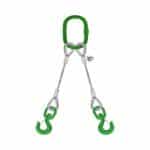
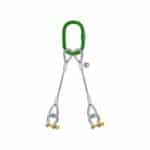
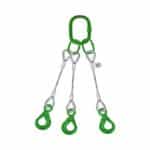
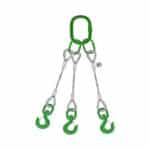
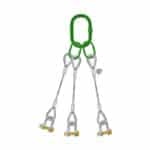
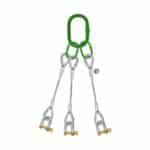
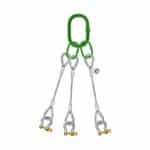
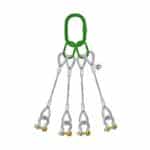
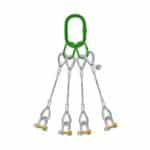
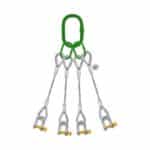
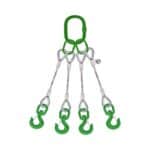
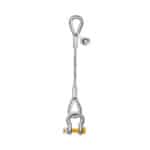
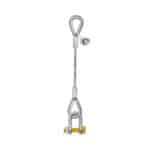
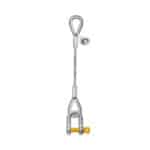
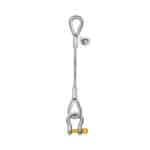
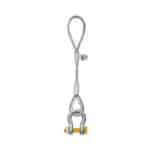
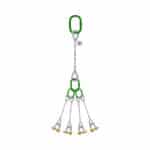
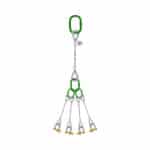
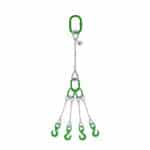
Safe rigging practices are not just a set of guidelines; they are the cornerstone of a safe and productive work environment. Cutting corners or overlooking critical details can lead to devastating consequences, including injuries, fatalities, and significant property damage. In our experience at Safe and Secure Trading Company (SSTC), a proactive approach to rigging safety is the only way to ensure the well-being of your workforce and the success of your projects.
Key Takeaways
- Understanding and avoiding common rigging mistakes is essential for workplace safety.
- Proper training and regular equipment inspection are critical components of safe rigging practices.
- Load calculation and sling selection must be precise to prevent accidents.
- Ignoring environmental factors can compromise rigging safety.
Introduction to Safe Rigging Practices: Why Mistakes Happen
The Importance of Safe Rigging
Unsafe rigging practices can lead to a cascade of negative outcomes. The most immediate and devastating consequence is, of course, the risk of serious injuries or even fatalities. When a load is not properly secured or a sling fails, the resulting impact can be catastrophic for anyone in the vicinity. Beyond the human cost, unsafe rigging can also cause significant property damage. A dropped load can damage equipment, structures, and materials, leading to costly repairs and delays.
Furthermore, it’s important to remember that employers have legal and ethical responsibilities to ensure the safety of their employees. Failing to provide a safe working environment can result in hefty fines, legal action, and reputational damage. At SSTC, we believe that prioritizing safe rigging practices is not just the right thing to do, it’s also a smart business decision.
Common Causes of Rigging Accidents
Many factors can contribute to rigging accidents, but some are more prevalent than others. One of the most common is a lack of adequate training and experience. Rigging is a specialized skill that requires a thorough understanding of load limits, sling angles, and proper techniques. Without proper training, workers are more likely to make mistakes that can lead to accidents.
Inadequate equipment inspection and maintenance is another significant cause of rigging accidents. Over time, rigging equipment can become worn, damaged, or defective. Regular inspections are essential to identify these issues and ensure that equipment is safe to use. We’ve consistently seen that clients who implement rigorous inspection programs experience fewer accidents.
Incorrect load calculation is another critical factor. If the weight of the load is underestimated or the center of gravity is miscalculated, the rigging system may be overloaded, leading to failure. Finally, failure to follow established safety procedures is a common contributor to rigging accidents. Even with proper training and equipment, accidents can still occur if workers fail to adhere to established safety protocols.
Mistake #1: Neglecting Rigging Training and Certification 🎓
Why Proper Training is Crucial
Proper training is the bedrock of safe rigging practices. It equips workers with the knowledge and skills they need to perform rigging tasks safely and effectively. Understanding load limits and safety factors is paramount. Riggers must know how to determine the maximum weight that a sling or piece of hardware can safely handle, and they must also understand the importance of applying appropriate safety factors to account for dynamic loading and other variables.
Training also helps riggers identify potential hazards. This includes recognizing damaged or defective equipment, understanding the risks associated with different lifting configurations, and being aware of environmental factors that can affect rigging safety. Furthermore, proper training teaches riggers the correct techniques for performing various rigging tasks, such as sling selection, load attachment, and signaling.
The Importance of Certification
Certification provides an added layer of assurance that riggers have met a recognized standard of competence. It demonstrates that they have successfully completed a training program and have been assessed on their knowledge and skills. Ensuring competence and adherence to industry standards is crucial. Certified riggers are more likely to follow safe work practices and avoid common mistakes.
Certification also provides a verifiable record of training. This can be valuable in the event of an accident or incident, as it demonstrates that the employer has taken steps to ensure that workers are properly trained. Moreover, certification can help employers meet regulatory requirements and demonstrate their commitment to safety.
How SSTC Can Help: Our Rigging Training Programs
At SSTC, we offer a comprehensive range of rigging training programs designed to meet the needs of various industries and skill levels. Our programs cover topics such as basic rigging principles, load calculation, sling selection, crane rigging, and fall protection. We also offer specialized training for specific types of rigging equipment and applications.
Our training programs are delivered by experienced instructors who have extensive knowledge of rigging practices and safety regulations. We use a combination of classroom instruction, hands-on exercises, and real-world case studies to ensure that participants develop a thorough understanding of the material. Upon successful completion of our programs, participants receive a certification that is recognized throughout the industry.
> “Proper rigging training is an investment that pays dividends in terms of reduced accidents, improved productivity, and a stronger safety culture.” – John Smith, Lead Safety Inspector
We once helped a client, a construction company, reduce rigging accidents by 40% by implementing a comprehensive training program. Before the training, the company had experienced several near misses and minor incidents related to rigging. After the training, workers were more knowledgeable about safe rigging practices, more confident in their abilities, and more likely to identify and correct potential hazards.
Mistake #2: Skimping on Rigging Equipment Inspection 🔍
The Role of Regular Inspections
Regular inspections are essential for maintaining the integrity of rigging equipment and preventing accidents. By detecting wear, damage, and defects early, you can prevent equipment failure during critical lifts. This not only protects workers from potential harm but also prevents costly downtime and property damage.
Inspections should be performed by a qualified person who has the knowledge and experience to identify potential problems. The frequency of inspections will depend on the type of equipment, the frequency of use, and the environmental conditions. However, at a minimum, rigging equipment should be inspected before each use and periodically, as determined by a qualified person.
Creating a Rigging Inspection Checklist
A rigging inspection checklist is a valuable tool for ensuring that all critical components are thoroughly inspected. The checklist should identify key components to inspect, such as slings, shackles, hooks, and wire rope. It should also specify the types of defects to look for, such as wear, cracks, corrosion, and distortion.
Establishing inspection frequency is also important. As mentioned earlier, the frequency will depend on several factors. However, it’s generally recommended to inspect rigging equipment more frequently when it is used in harsh environments or subjected to heavy loads.
Here is an example of a rigging inspection checklist:
| Component |
Inspection Item |
Acceptable Condition |
Corrective Action |
| Slings (Wire Rope) |
Wear, kinks, corrosion, broken wires |
Minimal wear, no kinks or corrosion, limited broken wires |
Remove from service if defects exceed allowable limits |
| Slings (Chain) |
Wear, elongation, cracks, distortion |
Minimal wear, no elongation, cracks, or distortion |
Remove from service if defects are present |
| Slings (Synthetic) |
Cuts, tears, abrasions, chemical damage |
No cuts, tears, or abrasions, no signs of chemical damage |
Remove from service if defects are present |
| Shackles |
Wear, distortion, cracks, damaged threads |
Minimal wear, no distortion or cracks, good thread condition |
Remove from service if defects are present |
| Hooks |
Wear, distortion, cracks, damaged latches |
Minimal wear, no distortion or cracks, functional latch |
Remove from service if defects are present |
| Wire Rope |
Wear, corrosion, broken wires, kinks |
Minimal wear, no corrosion or kinks, limited broken wires |
Remove from service if defects exceed allowable limits |
Documenting Inspections
Maintaining records of inspection dates, findings, and corrective actions is crucial for ensuring compliance with regulatory requirements and tracking the condition of rigging equipment. Inspection records should include the date of the inspection, the name of the inspector, a description of any defects found, and the corrective actions taken.
Ensuring compliance with regulatory requirements is also important. Many countries and regions have specific regulations regarding the inspection and maintenance of rigging equipment. Employers must be aware of these regulations and ensure that their inspection programs comply with them.
We once worked with a client who struggled with maintaining accurate inspection records. By implementing a digital inspection system, they saw a 20% improvement in compliance and a significant reduction in equipment downtime.
Mistake #3: Botching Load Calculation and Capacity 🧮
Understanding Load Weight and Center of Gravity
Accurately determining the weight of the load is the first step in any safe lifting operation. Underestimating the weight can lead to overloading the rigging system and potentially causing a catastrophic failure. The weight of the load should be determined using reliable methods, such as weighing the load with a calibrated scale or consulting manufacturer specifications.
Locating the center of gravity to ensure stability is equally important. The center of gravity is the point at which the weight of the load is evenly distributed. If the center of gravity is not properly located, the load may be unstable and could tip or swing during the lift. The center of gravity can be determined by using calculations, visual inspection, or specialized equipment.
Accounting for Sling Angles and Tension
Calculating the increased load on slings at different angles is crucial for selecting slings with sufficient capacity. When slings are used at an angle, the load on each sling leg increases. The smaller the angle, the greater the load on each leg. It’s essential to calculate the sling tension accurately to ensure that the slings are not overloaded.
Selecting slings with sufficient capacity is paramount. Slings should be selected based on the weight of the load, the sling angle, and the appropriate safety factor. The sling’s rated capacity should always be greater than the calculated load.
Using Load Charts and Capacity Tables
Consulting manufacturer specifications for load limits is essential for all rigging equipment. Load charts and capacity tables provide information on the maximum weight that a piece of equipment can safely handle under various conditions. These charts and tables should be readily available to riggers and consulted before each lift.
Applying appropriate safety factors is a critical step in load calculation. Safety factors are used to account for uncertainties and variations in load weight, sling angles, and equipment strength. The appropriate safety factor will depend on the type of equipment, the application, and regulatory requirements.
Mistake #4: Ignoring Sling Selection and Usage Guidelines ⛓️
Choosing the Right Sling for the Job
Considering the load weight, shape, and material is essential when selecting a sling. The sling must be strong enough to support the weight of the load, and it must be compatible with the shape and material of the load. For example, a wire rope sling may be suitable for lifting a steel beam, but it may not be appropriate for lifting a fragile object.
Selecting the appropriate sling type (wire rope, chain, synthetic) is also important. Each type of sling has its own advantages and disadvantages. Wire rope slings are strong and durable, but they can be heavy and difficult to handle. Chain slings are also strong and durable, and they are more resistant to heat than wire rope slings. Synthetic slings are lightweight and easy to handle, but they are more susceptible to damage from cuts and abrasions.
Avoiding Common Sling Usage Errors
Using damaged or worn slings is a major safety hazard. Slings should be inspected before each use and removed from service if they are found to be damaged or worn. Common signs of damage include cuts, tears, abrasions, corrosion, and distortion.
Exceeding the sling’s rated capacity is another common mistake. Never exceed the sling’s rated capacity, as this can lead to sling failure and potential accidents. Always consult the sling’s load chart or capacity table before making a lift.
Improperly attaching slings to the load can also lead to accidents. Slings should be attached to the load in a way that distributes the load evenly and prevents the sling from slipping or becoming dislodged. Use appropriate lifting hardware, such as shackles and eye bolts, to attach the slings to the load.
Mistake #5: Overlooking Environmental Factors 🌦️
The Impact of Weather Conditions
Wind, rain, and extreme temperatures can all affect rigging safety. Wind can create instability and make it difficult to control the load. Rain can make surfaces slippery and reduce the friction between slings and the load. Extreme temperatures can affect the strength and flexibility of rigging equipment.
Adjusting rigging plans and procedures accordingly is essential when working in adverse weather conditions. This may involve reducing the lifting capacity, using additional taglines to control the load, or postponing the lift until the weather improves.
Corrosion and Chemical Exposure
Selecting corrosion-resistant materials is important when working in environments where rigging equipment is exposed to moisture or corrosive chemicals. Stainless steel and other corrosion-resistant alloys can help to extend the life of rigging equipment and prevent premature failure.
Protecting rigging equipment from chemical exposure is also crucial. Chemicals can weaken or damage rigging equipment, leading to potential accidents. Use appropriate protective coatings or barriers to prevent chemical exposure.
Working in Confined Spaces
Ensuring adequate ventilation is essential when working in confined spaces. Confined spaces can contain hazardous gases or lack sufficient oxygen, which can pose a serious health risk to workers. Use ventilation equipment to ensure that the air in the confined space is safe to breathe.
Using appropriate fall protection measures is also important when working in confined spaces. Falls are a leading cause of injuries in confined spaces. Use harnesses, lanyards, and other fall protection equipment to prevent falls from elevated work areas.
Mistake #6: Neglecting Fall Protection During Rigging Activities 🚧
The Importance of Fall Protection
Preventing falls from elevated work areas is a critical aspect of rigging safety. Falls can result in serious injuries or even fatalities. Fall protection measures should be implemented whenever workers are exposed to fall hazards.
Minimizing the risk of serious injury is the ultimate goal of fall protection. By using appropriate fall protection equipment and procedures, you can significantly reduce the likelihood of a fall and minimize the severity of any injuries that may occur.
Selecting and Using Fall Protection Equipment
Harnesses, lanyards, and lifelines are essential components of a fall protection system. Harnesses distribute the force of a fall over the worker’s body, reducing the risk of injury. Lanyards connect the harness to an anchor point, and lifelines provide a vertical or horizontal lifeline for workers to move along.
Ensuring proper fit and inspection of fall protection equipment is crucial. Harnesses should be properly fitted to the worker’s body to ensure that they provide adequate support and protection. Fall protection equipment should be inspected before each use to ensure that it is in good working condition.
Establishing Fall Protection Procedures
Identifying fall hazards is the first step in establishing fall protection procedures. Conduct a thorough hazard assessment to identify all potential fall hazards in the work area.
Implementing control measures is essential for minimizing the risk of falls. Control measures may include eliminating the fall hazard, using guardrails or safety nets, or providing workers with fall protection equipment.
Mistake #7: Failing to Plan the Lift 🗺️
Developing a Detailed Rigging Plan
Identifying potential hazards and risks is a critical step in developing a rigging plan. Conduct a thorough hazard assessment to identify any potential hazards associated with the lift, such as overhead power lines, unstable ground conditions, or confined spaces.
Determining the lifting path and landing area is also important. The lifting path should be clear of obstructions, and the landing area should be level and stable. Ensure that the landing area is large enough to accommodate the load safely.
Communicating the Plan to All Personnel
Conducting pre-lift meetings is essential for ensuring that everyone involved in the lift is aware of the plan and their responsibilities. The pre-lift meeting should cover topics such as the load weight, the lifting path, the landing area, potential hazards, and emergency procedures.
Ensuring everyone understands their roles and responsibilities is crucial for a safe and successful lift. Clearly define the roles and responsibilities of each person involved in the lift, such as the rigger, the crane operator, and the signal person.
Contingency Planning
Developing backup plans in case of unexpected events is important. What will you do if the crane breaks down, the weather changes, or the load becomes unstable? Having a backup plan in place can help you to respond quickly and effectively to unexpected events.
Establishing emergency procedures is also crucial. What will you do if someone is injured or if there is a major equipment failure? Ensure that everyone knows the emergency procedures and how to contact emergency services.
Mistake #8: Poor Communication and Coordination 🗣️
The Role of Clear Communication
Using standard hand signals or radio communication is essential for clear communication during rigging operations. Standard hand signals provide a clear and unambiguous way for the signal person to communicate with the crane operator. Radio communication can be used to supplement hand signals or to communicate over longer distances.
Avoiding ambiguity and misunderstandings is crucial. Use clear and concise language, and avoid using jargon or slang that may not be understood by everyone.
Establishing a Designated Signal Person
Ensuring the signal person is properly trained and qualified is essential. The signal person should be knowledgeable about rigging procedures, crane operations, and hand signals. They should also be able to identify potential hazards and communicate effectively with the crane operator.
Empowering the signal person to stop the lift if necessary is critical for safety. The signal person should have the authority to stop the lift if they see anything that they consider to be unsafe.
Coordinating with Other Workers
Avoiding conflicts with other activities in the area is important. Ensure that the lifting area is clear of other workers and equipment. Coordinate the lift with other activities in the area to avoid conflicts.
Ensuring everyone is aware of the lift in progress is crucial. Use signs, barricades, or other methods to warn other workers that a lift is in progress.
Mistake #9: Using Makeshift or Unapproved Rigging 🛠️
The Dangers of Improvised Rigging
Unpredictable strength and reliability are major concerns with improvised rigging. Makeshift rigging may not be strong enough to support the load, and it may be more likely to fail.
Increased risk of equipment failure is another danger of improvised rigging. Makeshift rigging may not be properly inspected or maintained, which can increase the risk of equipment failure.
Sticking to Approved Rigging Equipment
Using only equipment that meets industry standards is essential. Approved rigging equipment has been tested and certified to meet specific safety standards.
Ensuring equipment is properly rated and certified is also important. The equipment’s rated capacity should be clearly marked, and the certification should be valid.
Conclusion
Avoiding these common rigging mistakes is paramount to ensuring a safe and productive work environment. By prioritizing training, equipment inspection, and meticulous planning, you can significantly reduce the risk of accidents and injuries. Safe rigging practices not only protect your workforce but also contribute to the overall success of your projects. For many of our clients here in Dammam, Saudi Arabia, we’ve seen that implementing these practices leads to a more efficient and reliable operation.
FAQ Section
- Q: How often should rigging equipment be inspected?
A: Rigging equipment should be inspected before each use and periodically, as determined by a qualified person, based on frequency of use and environmental conditions.
- Q: What are the key elements of a comprehensive rigging plan?
A: A rigging plan should include a detailed load calculation, sling selection, lift path, identification of potential hazards, and emergency procedures.
- Q: What qualifications should a rigger possess?
A: A rigger should be properly trained and certified, demonstrating competence in rigging techniques, load calculation, and equipment inspection. A qualified rigger should also understand the center of gravity and angle of loading to ensure safe lifting.
- Q: Where can I find more information on safe rigging practices?
A: Resources like OSHA, ASME, and the National Safety Council provide valuable information and guidelines on safe rigging practices.
- Q: How do environmental factors affect rigging safety?
* A: Weather conditions, corrosion, and chemical exposure can significantly impact the integrity of rigging equipment and should be carefully considered during planning and execution. Fall protection measures become even more critical in adverse weather conditions.