Scaffold fall prevention is a critical concern in the construction industry, given the serious and often fatal consequences of scaffold accidents. Every year, numerous workers are injured or killed due to falls from scaffolds, highlighting the urgent need for strict adherence to safety protocols. This article will focus on identifying and avoiding common mistakes that lead to scaffold falls, providing practical guidance for construction professionals committed to workplace safety. By understanding these errors and implementing effective scaffold fall prevention measures, we can significantly reduce the risk of accidents and protect the lives of workers.
Mistake #1: Insufficient Training and Certification
A common and often deadly error in scaffold safety is assuming that on-the-job experience trumps formal training and certification. While experience can be valuable, it doesn’t always equip workers with a comprehensive understanding of scaffold safety principles, proper erection techniques, and hazard identification. Insufficient training can lead to mistakes in scaffold assembly, usage, and inspection, dramatically increasing the risk of scaffold accidents.
Proper training is vital for anyone involved in scaffold erection, modification, or use. Training programs provide workers with the knowledge and skills necessary to identify potential hazards, understand load capacities, use fall protection equipment correctly, and follow safe work practices. Without this foundation, workers may unknowingly compromise the structural integrity of the scaffold or expose themselves and others to unnecessary risks.
To ensure that workers are adequately trained and certified, it’s essential to find accredited training programs that meet or exceed OSHA scaffold requirements. These programs should cover topics such as scaffold types, erection and dismantling procedures, hazard recognition, fall protection systems, and inspection protocols. Employers should verify the credentials of training providers and ensure that the curriculum is up-to-date and relevant to the specific types of scaffolds used on their construction sites.
“Proper training isn’t just a formality; it’s the bedrock of scaffold safety. Workers who understand the ‘why’ behind safety protocols are far more likely to follow them diligently, preventing accidents before they happen.” – John Smith, Certified Safety Professional
Regular refresher courses are also crucial for reinforcing safety practices and keeping workers informed of any changes in regulations or best practices. These courses provide an opportunity to review key concepts, address common misconceptions, and practice hands-on skills. Refresher training should be conducted at least annually or whenever there are significant changes in scaffold design, equipment, or procedures. We at SkySol Media believe that investing in ongoing training is a proactive step towards creating a safer work environment and preventing scaffold accidents.
Mistake #2: Ignoring Pre-Erection Site Inspection
Another prevalent mistake that contributes to scaffold falls is overlooking the importance of a thorough pre-erection site inspection. Many accidents occur because of unstable ground conditions, overhead power lines, or other obstructions that were not identified and addressed before the scaffold was erected. Ignoring these potential hazards can compromise the scaffold’s stability and create unsafe working conditions.
Pre-erection inspection is essential for ensuring that the site is suitable for scaffold erection and that any potential hazards are identified and mitigated. This inspection should be conducted by a competent person who is knowledgeable about scaffold safety requirements and site conditions. The competent person should carefully assess the ground conditions, overhead obstructions, proximity to power lines, and any other factors that could affect scaffold stability or worker safety.
Here’s a detailed checklist for conducting a comprehensive pre-erection site inspection:
- Ground Stability: Check the ground for firmness and stability. Ensure that the soil is compacted and capable of supporting the scaffold’s weight. If necessary, use mud sills or other supports to distribute the load evenly.
- Overhead Power Lines: Identify any overhead power lines and maintain a safe distance. OSHA scaffold requirements specify minimum clearance distances from power lines, which must be strictly observed.
- Obstructions: Look for any obstructions, such as trees, buildings, or equipment, that could interfere with scaffold erection or use. Remove or relocate obstructions as necessary to provide a clear and safe working area.
- Weather Conditions: Assess the weather forecast and consider the potential impact of wind, rain, or ice on scaffold stability. Postpone erection if adverse weather conditions are expected.
- Access and Egress: Plan for safe access and egress to the scaffold platform. Ensure that there are adequate ladders, stair towers, or ramps available and that they are properly positioned and secured.
Mitigation strategies for identified hazards should be implemented before erection begins. For example, if the ground is unstable, mud sills or base plates should be used to provide a stable foundation. If there are overhead power lines, the scaffold should be erected at a safe distance or the power lines should be de-energized. Our team in Dubai often finds that carefully documenting these inspections can save significant time and resources in the long run. By taking these precautions, we can minimize the risk of scaffold falls and create a safer work environment.
Mistake #3: Improper Scaffold Erection Techniques
Cutting corners during scaffold assembly is a dangerous mistake that can have catastrophic consequences. Scaffold accidents often occur when workers fail to follow the manufacturer’s instructions, use damaged or incompatible components, or neglect proper leveling, bracing, and tying-in procedures. These shortcuts can compromise the structural integrity of the scaffold and increase the risk of collapse.
Following the manufacturer’s instructions is a non-negotiable requirement for safe scaffold erection. The manufacturer’s instructions provide detailed guidance on how to assemble the scaffold correctly, including the proper sequence of steps, the correct use of components, and the required spacing and dimensions. Deviating from these instructions can weaken the scaffold’s structure and make it more susceptible to failure.
Using damaged or incompatible components is another common error that can compromise scaffold safety. Damaged components, such as bent frames, cracked planks, or corroded connectors, may not be able to support the intended load and can fail under stress. Incompatible components, such as mixing parts from different manufacturers or using components that are not designed for the specific scaffold type, can also create instability and increase the risk of collapse.
Ensuring proper leveling, bracing, and tying-in is crucial for maintaining the structural integrity of the scaffold. Leveling ensures that the scaffold is evenly supported and prevents it from tipping or swaying. Bracing provides lateral stability and prevents the scaffold from buckling or collapsing. Tying-in anchors the scaffold to a stable structure, such as a building, to prevent it from overturning.
HTML Table for Scaffold Erection Checks:
| Checklist Item |
Description |
Action |
| Manufacturer’s Instructions |
Verify availability and adherence to the manufacturer’s guidelines. |
Ensure all workers have access to the instructions and understand them. |
| Component Condition |
Inspect all components for damage before use. |
Replace any damaged components immediately. |
| Leveling |
Ensure the scaffold is level on all sides. |
Adjust leveling screws or use base plates to achieve levelness. |
| Bracing |
Install bracing according to the manufacturer’s instructions. |
Check that all braces are securely fastened. |
| Tying-In |
Tie the scaffold to a stable structure at appropriate intervals. |
Use appropriate tie-in methods and hardware. |
[IMAGE: A diagram showing proper scaffold leveling and bracing techniques.]
Mistake #4: Neglecting Load Capacity Limits
Overloading a scaffold beyond its designed capacity is a dangerous mistake that can lead to structural failure and potentially fatal falls. Many scaffold accidents occur because workers are unaware of the scaffold’s load capacity limits or fail to distribute the load evenly. Understanding and respecting load capacity limits is essential for preventing scaffold collapses.
Understanding load capacity ratings and weight distribution principles is crucial for ensuring scaffold safety. Load capacity ratings specify the maximum weight that the scaffold can safely support, taking into account factors such as the scaffold’s design, materials, and construction. Weight distribution principles dictate how the load should be distributed across the scaffold to prevent overloading specific areas.
Clearly posting load capacity limits on the scaffold itself is a simple but effective way to remind workers of the weight restrictions. The load capacity limits should be prominently displayed in a location where they are easily visible to all workers using the scaffold. The posting should include both the total load capacity and the maximum load per platform.
Regularly monitoring and controlling the load on the scaffold is essential for preventing overloading. Workers should be trained to estimate the weight of materials and equipment and to avoid exceeding the load capacity limits. Supervisors should also monitor the load on the scaffold and take corrective action if necessary. We have found that implementing a system for tracking the weight of materials placed on the scaffold can help prevent overloading.
Mistake #5: Lack of Proper Fall Protection Systems
One of the most critical aspects of scaffold fall prevention is the consistent and correct use of fall protection systems. A common mistake is workers not using or improperly using fall protection equipment such as guardrails, safety nets, and personal fall arrest systems (PFAS). This negligence significantly increases the risk of serious injury or death in the event of a fall.
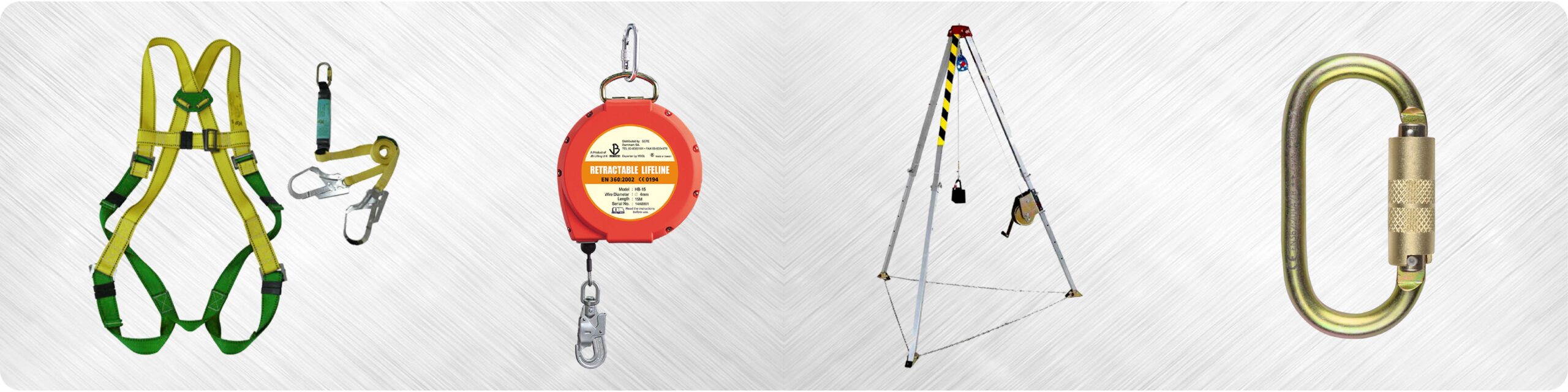
The importance of guardrails, safety nets, and personal fall arrest systems (PFAS) cannot be overstated. Guardrails provide a physical barrier that prevents workers from falling off the scaffold platform. Safety nets catch workers who fall from the scaffold, reducing the severity of injuries. PFAS consist of a harness, lanyard, and anchorage point that work together to arrest a fall and prevent the worker from hitting the ground.
Ensuring PFAS are correctly fitted, anchored, and inspected is crucial for their effectiveness. Workers should be properly trained on how to inspect, don, and use PFAS. The harness should fit snugly but not too tightly, and the lanyard should be the correct length to prevent the worker from hitting the ground in the event of a fall. The anchorage point should be capable of supporting at least 5,000 pounds per worker.
Creating a “fall zone” plan is an important step in minimizing the consequences of a fall. The fall zone is the area around the scaffold where a worker could potentially fall. The fall zone plan should identify potential hazards in the fall zone, such as sharp objects or electrical equipment, and outline measures to mitigate those hazards. The plan should also specify procedures for rescuing a worker who has fallen from the scaffold.
Mistake #6: Failing to Maintain a Safe Access Point
Ignoring safe access and egress to the scaffold platform is a common error that can lead to serious falls and injuries. Workers need a secure and stable way to get onto and off of the scaffold, and failing to provide this can result in preventable accidents. This includes ensuring that access points are not obstructed and that they meet all relevant safety standards.
The necessity of ladders, stair towers, or ramps for safe access cannot be overstated. Ladders should be used for accessing scaffolds that are less than 20 feet high, while stair towers or ramps should be used for accessing higher scaffolds. All access points should be designed and constructed to provide a safe and stable means of entry and exit.
Ensuring ladders are properly secured and extend beyond the landing point is crucial for preventing falls. Ladders should be secured at the top and bottom to prevent them from slipping or moving. They should also extend at least 3 feet beyond the landing point to provide a handhold for workers as they transition onto and off of the scaffold. It is essential to inspect ladders regularly for any signs of damage or wear.
Maintaining clear and unobstructed access routes at all times is also essential for scaffold safety. Access routes should be free of debris, tools, and materials that could create a tripping hazard. They should also be well-lit to ensure that workers can see where they are going. By keeping access routes clear and unobstructed, we can reduce the risk of falls and injuries.
Mistake #7: Overlooking Regular Scaffold Inspections
Neglecting regular inspections for damage and defects is a significant oversight that can lead to scaffold failures and accidents. Scaffolds are subject to wear and tear, environmental factors, and potential misuse, all of which can compromise their structural integrity. Routine inspections are essential for identifying potential problems before they escalate into dangerous situations.
Why routine inspections are crucial for identifying potential problems: Regular inspections allow for the early detection of issues such as loose connections, damaged planks, corroded components, and improper bracing. Addressing these problems promptly can prevent them from worsening and potentially causing a scaffold collapse. Inspections should be conducted by a competent person who is trained to identify scaffold hazards.
Implementing a scaffold inspection checklist and schedule is a proactive way to ensure that inspections are conducted regularly and consistently. The checklist should include all critical components of the scaffold, such as frames, planks, braces, and connections. The schedule should specify how often inspections should be conducted, taking into account factors such as the type of scaffold, the frequency of use, and the environmental conditions.
Taking immediate action to repair or replace damaged components is essential for maintaining scaffold safety. Any damaged or defective components should be immediately removed from service and either repaired or replaced. Repairs should be performed by qualified personnel using approved methods and materials. It’s been our experience that a detailed, photographic record of each inspection can be invaluable for tracking wear and tear over time.
Mistake #8: Ignoring Weather Conditions
Working on scaffolds during inclement weather is a dangerous mistake that can significantly increase the risk of accidents. Wind, rain, and ice can all affect scaffold safety and stability, making it difficult for workers to maintain their balance and control. Ignoring these weather conditions can lead to serious falls and injuries.
The impact of wind, rain, and ice on scaffold safety and stability should not be underestimated. Wind can create instability and cause the scaffold to sway or overturn. Rain can make the scaffold platform slippery, increasing the risk of slips and falls. Ice can accumulate on the scaffold, making it even more dangerous to work on.
Establishing protocols for suspending scaffold work during adverse weather is essential for protecting workers. These protocols should specify the wind speeds, rainfall amounts, and ice accumulation levels that warrant suspending scaffold work. The protocols should also outline procedures for securing the scaffold during high winds or storms. We recommend consulting with a meteorologist or using a weather monitoring system to track weather conditions in real-time.
Securing scaffolds properly during high winds or storms is crucial for preventing them from being damaged or overturned. This may involve tying the scaffold to a stable structure, removing loose materials and equipment, and lowering the scaffold to the ground. Workers should be trained on how to secure scaffolds properly and should follow these procedures whenever adverse weather is expected.
Mistake #9: Poor Housekeeping Practices
Allowing debris to accumulate on the scaffold platform is a common error that can create slip, trip, and fall hazards. Poor housekeeping practices can make it difficult for workers to move around safely and can increase the risk of accidents. Maintaining a clean and uncluttered work surface is essential for scaffold safety.
The importance of maintaining a clean and uncluttered work surface cannot be overstated. Debris, tools, and materials can create tripping hazards and make it difficult for workers to maintain their balance. A cluttered work surface can also obstruct access to safety equipment, such as guardrails and fall protection systems.
Regularly removing debris, tools, and materials from the scaffold is essential for preventing slip, trip, and fall hazards. Workers should be trained to clean up after themselves and to dispose of waste properly. Supervisors should also monitor the scaffold platform and ensure that it is kept clean and uncluttered. We’ve seen firsthand how a simple, daily clean-up routine can drastically reduce the risk of accidents.
Preventing slip, trip, and fall hazards on the platform requires a proactive approach. This may involve using non-slip surfaces, providing adequate lighting, and implementing a system for managing tools and materials. Workers should also be trained to recognize and avoid potential hazards on the scaffold platform.
Troubleshooting Common Scaffold Problems
Addressing issues like unstable footing, loose connections, and damaged planks is critical for maintaining scaffold safety. Unstable footing can cause the scaffold to shift or collapse, while loose connections and damaged planks can compromise its structural integrity. Promptly identifying and resolving these problems is essential for preventing accidents.
Step-by-step solutions for common scaffold-related problems:
- Unstable Footing: If the scaffold is on unstable ground, use mud sills or base plates to distribute the load evenly. Ensure that the ground is compacted and capable of supporting the scaffold’s weight.
- Loose Connections: Tighten any loose connections immediately. Replace any damaged or missing fasteners.
- Damaged Planks: Replace any damaged or cracked planks with new ones that meet the scaffold’s load capacity requirements.
- Missing Bracing: Install any missing bracing according to the manufacturer’s instructions. Ensure that all braces are securely fastened.
[IMAGE: A visual guide to identifying and addressing common scaffold problems, such as loose connections and damaged planks.]
When to call a qualified professional for repairs or modifications: If you encounter any problems that you are not qualified to repair or modify, it’s essential to call a qualified professional. This includes problems such as structural damage, electrical hazards, or any modifications that require engineering expertise. Attempting to repair or modify a scaffold without the necessary knowledge and skills can be dangerous and may void the manufacturer’s warranty. Remember that the OSHA scaffold requirements are there for a reason!
Conclusion: Prioritizing Scaffold Safety
In conclusion, scaffold fall prevention hinges on consistently avoiding common mistakes such as insufficient training, neglecting site inspections, improper erection techniques, and ignoring load capacity. By adhering to proper safety protocols, maintaining equipment, and fostering a culture of awareness, we can significantly reduce the risk of scaffold-related accidents. Continuous education and diligent practices remain the cornerstone of scaffold safety, protecting workers and ensuring a safer construction environment for all.
We at SkySol Media are dedicated to promoting these best practices within the industry.
FAQ Section
Q: How often should scaffolds be inspected?
A: Scaffolds should be inspected by a competent person before each work shift and after any event that could affect its structural integrity, such as high winds or heavy rain.
Q: What are the minimum requirements for scaffold fall protection?
A: OSHA requires fall protection for workers on scaffolds more than 10 feet above a lower level. Acceptable fall protection measures include guardrails, safety nets, or personal fall arrest systems (PFAS).
Q: What should I do if I see a potential hazard on a scaffold?
A: If you see a potential hazard on a scaffold, report it to your supervisor immediately. Do not use the scaffold until the hazard has been corrected.
Q: What are the OSHA scaffold requirements for training?
A: OSHA scaffold requirements mandate that workers involved in erecting, dismantling, moving, operating, repairing, maintaining, or inspecting scaffolds must be trained by a qualified person to recognize the hazards associated with the type of scaffold being used and to understand the procedures for controlling or minimizing those hazards.
Q: How can I ensure that our workers are adequately trained in scaffold safety?
A: Partner with accredited training providers to offer comprehensive scaffold safety programs. Ensure that training covers all relevant aspects of scaffold erection, inspection, and safe use, and schedule regular refresher courses to reinforce safety practices.
Q: What are some common signs of scaffold instability?
A: Common signs of scaffold instability include swaying, tilting, loose connections, damaged components, and unstable footing. If you observe any of these signs, stop work immediately and report the issue to your supervisor.
Q: What is the safe distance from power lines when working on scaffolds?
A: The safe distance from power lines depends on the voltage of the power line. OSHA specifies minimum clearance distances that must be observed. As a general rule, maintain a distance of at least 10 feet from power lines with voltages up to 50 kV.
Q: What should be included in a scaffold inspection checklist?
A: A scaffold inspection checklist should include all critical components of the scaffold, such as frames, planks, braces, connections, guardrails, and access points. The checklist should also include items related to site conditions, such as ground stability and proximity to power lines.
Q: How can we improve housekeeping practices on scaffolds?
A: Implement a system for managing tools and materials on the scaffold. Provide containers for waste and debris, and train workers to clean up after themselves regularly. Conduct regular inspections to ensure that the scaffold platform is kept clean and uncluttered.
Q: What should we do if a worker falls from a scaffold?
A: If a worker falls from a scaffold, provide immediate medical attention. Investigate the incident to determine the cause and take corrective action to prevent future incidents. Report the incident to OSHA as required by law.