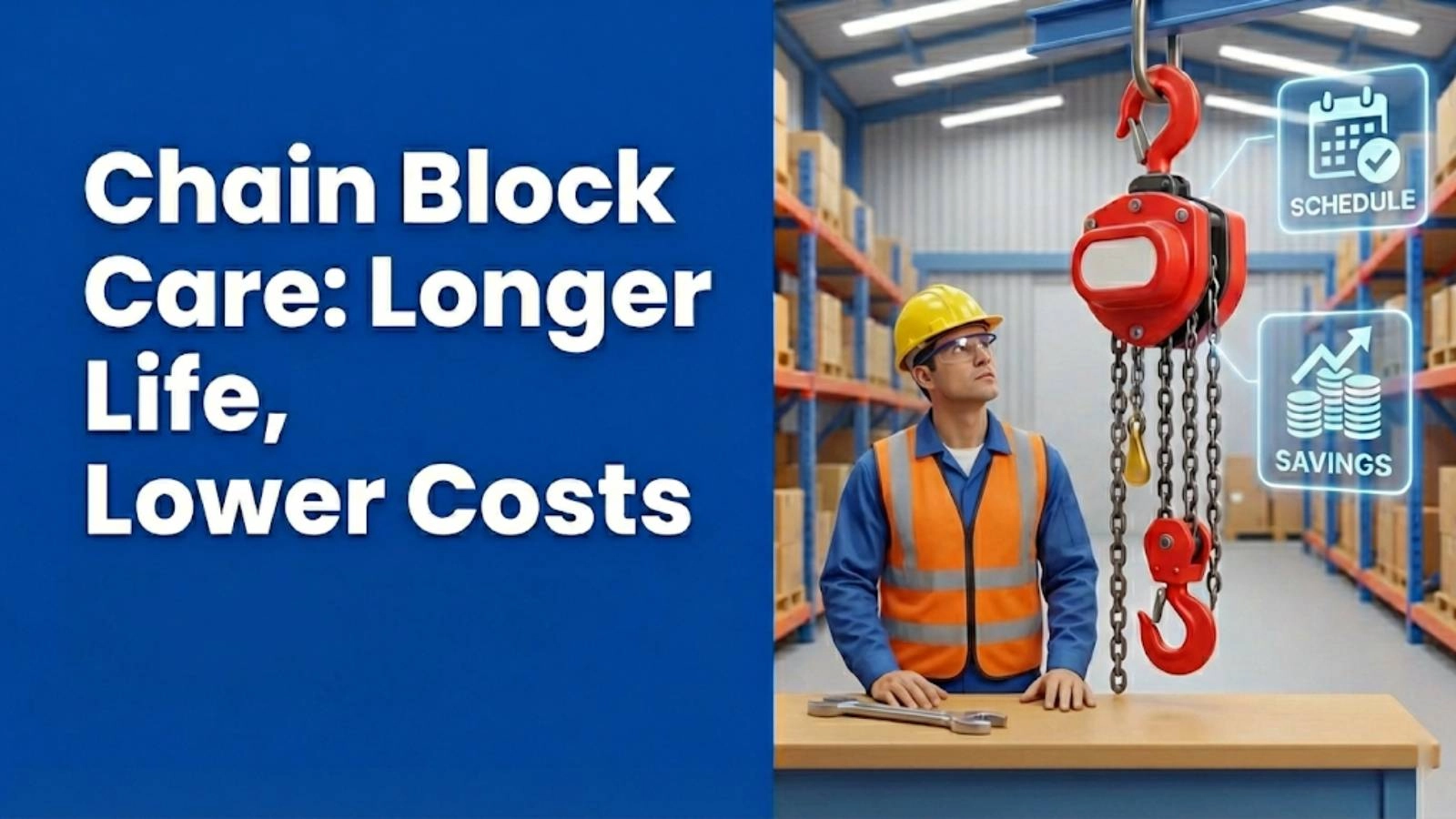
Chain Block Stuck? Quick Fix Guide
Key Takeaways
- Understanding the root causes of a stuck chain block is essential for effective troubleshooting.
- Proper lubrication and regular maintenance are key to preventing future issues.
- Safety should always be the top priority when inspecting and repairing a chain block.
Introduction to Chain Block Troubleshooting
A stuck chain block can halt operations and pose serious safety risks. These robust tools are vital in various industries for lifting heavy loads, but their reliability hinges on proper maintenance and timely troubleshooting. Ignoring a stuck chain block can lead to equipment damage, project delays, and, most importantly, potential injuries to personnel.
Importance of Chain Block Maintenance
- Ensuring safe and efficient lifting operations.
- Extending the lifespan of the equipment.
- Reducing downtime and repair costs.
Regular lifting equipment maintenance is paramount to ensuring the safe and efficient operation of chain blocks. A well-maintained chain block will not only perform optimally but also have a significantly longer lifespan. In our experience with clients, we’ve seen that those who prioritize maintenance have fewer unexpected breakdowns and lower overall repair costs. Consistent chain block lubrication is a simple yet effective way to prevent many common issues.
Neglecting maintenance can lead to a cascade of problems, from minor inconveniences to major equipment failures. A common mistake we help businesses fix is overlooking the importance of regular chain block inspection. This can lead to undetected wear and tear, which can ultimately result in a stuck chain block or even a catastrophic failure during a lift.
Common Signs of a Chain Block Malfunction
- Chain jamming or binding.
- Difficulty lifting or lowering loads.
- Unusual noises during operation.
- Visible damage to the chain or components.
Identifying the early warning signs of a chain block malfunction is crucial for preventing further damage and ensuring safety. Chain jamming or binding is a telltale sign that something is amiss, indicating potential issues with lubrication, contamination, or internal wear. Difficulty lifting or lowering loads, even when the weight is within the safe working load (SWL), can also point to a problem with the mechanism. Unusual noises during operation, such as grinding, clicking, or squealing, should always be investigated promptly. Visible damage to the chain or components, such as kinks, cracks, or corrosion, is a clear indication that the chain block needs immediate attention.
Common Causes of a Stuck Chain Block ✨
Understanding the common causes behind a stuck chain block is the first step in effective troubleshooting. Several factors can contribute to this issue, ranging from simple oversights to more complex mechanical problems. By identifying the root cause, you can implement the appropriate repair or preventive measures.
Overloading the Chain Block
- Exceeding the Safe Working Load (SWL) limit.
- Understanding the consequences of overloading.
- How to identify if overloading has occurred.
Overloading a chain block is a serious safety hazard and a common cause of malfunctions. Exceeding the Safe Working Load (SWL) limit puts excessive stress on the chain, gears, and other components, potentially leading to permanent damage or even catastrophic failure. It is crucial to understand and adhere to the SWL specified by the manufacturer.
The consequences of overloading can be severe, including chain stretching, component deformation, and brake failure. In our experience with clients here in Dammam, Saudi Arabia, we’ve seen that overloading often leads to a stuck chain block due to the internal mechanisms being unable to handle the excessive force. A client we once worked with consistently overloaded their chain blocks, resulting in frequent breakdowns and costly repairs. By implementing proper training and load monitoring procedures, they were able to significantly reduce these incidents.
Identifying whether overloading has occurred involves carefully inspecting the chain and components for signs of stress or deformation. Check for stretched links, bent hooks, or any other visible damage. If you suspect overloading, the chain block should be taken out of service immediately and inspected by a qualified technician.
Lack of Lubrication ⚙️
- The importance of regular lubrication.
- Choosing the correct lubricant for chain blocks.
- Step-by-step guide to lubricating a chain block.
Lack of chain block lubrication is a frequent culprit behind stuck chain blocks. Lubrication reduces friction between moving parts, preventing wear and ensuring smooth operation. Without adequate lubrication, the chain, gears, and bearings can become stiff and difficult to move, eventually leading to jamming.
The importance of regular lubrication cannot be overstated. It not only prevents wear and tear but also helps to protect against corrosion. Choosing the correct lubricant is also crucial. Use a high-quality lubricant specifically designed for chain blocks, ensuring it is compatible with the materials and operating conditions. We’ve consistently seen that using the wrong type of lubricant can actually exacerbate problems by attracting dirt and grime.
Here’s a step-by-step guide to lubricating a chain block:
1. Clean the chain block thoroughly to remove any existing dirt or debris.
2. Apply lubricant to the chain, gears, bearings, and other moving parts.
3. Work the lubricant into the components by manually operating the chain block.
4. Wipe off any excess lubricant to prevent it from attracting dirt.
5. Repeat this process regularly, following the manufacturer’s recommendations.
Contamination and Debris Buildup 🚧
- How dust, dirt, and grime affect chain block performance.
- Cleaning procedures for removing contaminants.
- Preventing contamination in harsh environments.
Contamination from dust, dirt, and grime can significantly impact chain block performance and lead to a stuck chain block. These contaminants can accumulate on the chain, gears, and other moving parts, increasing friction and causing the mechanism to bind. In harsh environments, such as construction sites or industrial facilities, contamination is a particularly prevalent issue.
Regular cleaning is essential for removing contaminants and maintaining optimal performance. Cleaning procedures should involve disassembling the chain block (if qualified), using appropriate cleaning solvents or degreasers to remove dirt and grime, and thoroughly drying all components before reassembling. When our team in KSA tackles this issue, they often find that a simple cleaning and lubrication can restore the chain block to its proper working condition.
Preventing contamination in harsh environments requires proactive measures, such as storing chain blocks in protective containers when not in use, using covers to shield them from dust and debris, and implementing regular cleaning schedules.
Chain Damage and Wear ⛓️
- Types of chain damage: stretching, kinking, corrosion.
- Inspecting the chain for wear and tear.
- Determining when a chain needs replacement.
The chain itself is a critical component of the chain block, and any damage or wear can significantly affect its performance. Common types of chain damage include stretching, kinking, and corrosion. Stretching occurs when the chain is subjected to excessive loads, causing the links to elongate and weaken. Kinking refers to bends or twists in the chain that can cause it to jam or bind. Corrosion, often caused by exposure to moisture or chemicals, can weaken the chain and make it more susceptible to breakage.
Inspecting the chain for wear and tear is a crucial part of chain block inspection. Look for signs of stretching, kinking, corrosion, or any other visible damage. Use a caliper or other measuring tool to check the chain’s link diameter against the manufacturer’s specifications. If the chain is worn beyond the allowable limits, it needs to be replaced immediately.
Determining when a chain needs replacement is essential for ensuring safety. As a general rule, if the chain shows any signs of significant damage or wear, it should be replaced without hesitation. Consulting the manufacturer’s guidelines and seeking the advice of a qualified technician can also help you make informed decisions about chain replacement.
Internal Mechanical Issues 🔩
- Pawl and ratchet mechanism problems.
- Gear wear and damage.
- Brake system malfunctions.
Internal mechanical issues can also contribute to a stuck chain block. These issues can range from problems with the pawl and ratchet mechanism to gear wear and damage, or brake system malfunctions.
The pawl and ratchet mechanism is responsible for engaging and disengaging the chain, allowing it to move up or down. If the pawls are worn, damaged, or improperly adjusted, they may not engage properly, causing the chain to slip or jam. Gear wear and damage can also cause the chain block to malfunction. If the gears are worn, broken, or misaligned, they may not mesh properly, resulting in difficulty lifting or lowering loads.
Brake system malfunctions are another potential cause of a stuck chain block. The brake system is designed to hold the load in place when the chain is not being actively operated. If the brake shoes are worn, the brake linkage is damaged, or the brake tension is improperly adjusted, the brake may not function correctly, causing the load to slip or the chain to lock up.
Step-by-Step Guide to Diagnosing a Stuck Chain Block
Diagnosing a stuck chain block requires a systematic approach to identify the root cause of the problem. By following a step-by-step guide, you can effectively troubleshoot the issue and implement the necessary repairs.
Initial Visual Inspection
- Checking for obvious damage or obstructions.
- Inspecting the chain for kinks or twists.
- Verifying the load is within the SWL.
The first step in diagnosing a stuck chain block is to perform a thorough visual inspection. Check for any obvious damage or obstructions that may be preventing the chain from moving freely. Inspect the chain for kinks, twists, or other visible damage. Verify that the load is within the Safe Working Load (SWL) specified by the manufacturer. Ensure that there are no obstructions in the load path.
Testing the Chain Movement
- Attempting to manually move the chain up and down.
- Identifying the point where the chain is stuck.
- Listening for unusual noises.
Attempt to manually move the chain up and down to see if you can identify the point where it is stuck. If the chain moves freely in one direction but not the other, this may indicate a problem with the pawl and ratchet mechanism. Listen for any unusual noises, such as grinding, clicking, or squealing, which can provide clues about the source of the problem.
Examining the Brake Mechanism ⚠️
- Checking the brake shoes for wear or damage.
- Ensuring the brake is properly disengaged during operation.
- Adjusting the brake tension if necessary.
The brake mechanism is a critical component of the chain block, and any problems with it can cause the chain to lock up or slip. Check the brake shoes for wear or damage. Ensure that the brake is properly disengaged during operation. If the brake tension is too tight, it may prevent the chain from moving freely. Adjust the brake tension if necessary, following the manufacturer’s instructions.
Investigating the Gear System
- Inspecting the gears for broken teeth or excessive wear.
- Checking for proper alignment of the gears.
- Lubricating the gears to improve performance.
Inspect the gears for broken teeth or excessive wear. Check for proper alignment of the gears. If the gears are misaligned, they may not mesh properly, causing the chain to jam. Lubricate the gears to improve performance. In many of our manual hoist repair projects, gear issues are a common find.
Essential Tools for Chain Block Repair 🛠️
Having the right tools on hand is essential for effectively repairing a stuck chain block. These tools will enable you to disassemble the chain block, diagnose the problem, and perform the necessary repairs safely and efficiently.
Basic Hand Tools
- Wrenches, screwdrivers, pliers, and sockets.
- Importance of using the correct tool for each task.
- Maintaining tools in good condition.
A basic set of hand tools, including wrenches, screwdrivers, pliers, and sockets, is essential for any chain block repair. Use the correct tool for each task to avoid damaging the components. Maintain your tools in good condition by cleaning them regularly and storing them properly. A common mistake we see is using the wrong size wrench, which can strip bolts and nuts, making the repair process much more difficult.
Lubrication Equipment
- Grease guns, oil cans, and spray lubricants.
- Applying lubricant effectively to different components.
Lubrication equipment, such as grease guns, oil cans, and spray lubricants, is necessary for lubricating the chain, gears, and other moving parts. Apply lubricant effectively to different components, ensuring that all surfaces are properly coated. Choose the correct type of lubricant for each application.
Measuring Tools
- Calipers, rulers, and measuring tapes.
- Accurately assessing wear and damage.
Measuring tools, such as calipers, rulers, and measuring tapes, are essential for accurately assessing wear and damage to the chain, gears, and other components. Use these tools to check the chain’s link diameter, gear tooth thickness, and other critical dimensions. Accurate measurements are crucial for determining whether parts need to be replaced.
Safety Equipment
- Gloves, safety glasses, and work boots.
- Protecting yourself from potential hazards.
Safety equipment, including gloves, safety glasses, and work boots, is essential for protecting yourself from potential hazards during chain block repair. Wear gloves to protect your hands from cuts and abrasions. Wear safety glasses to protect your eyes from flying debris. Wear work boots to protect your feet from falling objects. Prioritizing safety will help you avoid injuries and ensure a smooth repair process.
Detailed Repair Procedures for Common Issues
Once you have diagnosed the problem and have the necessary tools, you can proceed with the repair. Here are detailed repair procedures for some common issues that cause a stuck chain block.
Unjamming a Kinked Chain
- Techniques for safely removing kinks and twists.
- Avoiding further damage to the chain.
- Inspecting the chain after unjamming.
Unjamming a kinked chain requires careful techniques to avoid further damage. First, identify the location of the kink or twist. Gently try to straighten the chain by hand. If the kink is too tight to straighten by hand, use pliers or a wrench to carefully manipulate the links. Avoid using excessive force, which can damage the chain. After unjamming the chain, inspect it for any signs of damage, such as stretched links or cracks. If the chain is damaged, it should be replaced.
Cleaning and Lubricating the Chain Block 🧼
- Disassembling the chain block for thorough cleaning.
- Using appropriate cleaning solvents and degreasers.
- Applying lubricant to all moving parts.
Cleaning and lubricating the chain block is a crucial step in preventing future problems. Disassemble the chain block carefully, following the manufacturer’s instructions. Use appropriate cleaning solvents or degreasers to remove dirt, grime, and old lubricant from all components. Rinse the components thoroughly with water and allow them to dry completely. Apply lubricant to all moving parts, ensuring that all surfaces are properly coated. Reassemble the chain block, following the manufacturer’s instructions.
Replacing a Worn or Damaged Chain
- Selecting the correct replacement chain.
- Installing the new chain properly.
- Testing the chain block after replacement.
Replacing a worn or damaged chain requires selecting the correct replacement chain. Ensure that the replacement chain is the same size, grade, and length as the original chain. Install the new chain properly, following the manufacturer’s instructions. Ensure that the chain is properly seated in the sprockets and that the connecting link is securely fastened. After replacing the chain, test the chain block to ensure that it is functioning properly.
Addressing Brake System Problems
- Replacing worn brake shoes or pads.
- Adjusting the brake tension for optimal performance.
- Inspecting the brake linkage for damage.
Addressing brake system problems may involve replacing worn brake shoes or pads, adjusting the brake tension for optimal performance, or inspecting the brake linkage for damage. If the brake shoes or pads are worn, replace them with new ones. Adjust the brake tension according to the manufacturer’s instructions. Inspect the brake linkage for any signs of damage, such as bent or broken parts. Replace any damaged parts.
Preventing Future Chain Block Problems 🛡️
Preventing future chain block problems is essential for ensuring long-term reliability and safety. By implementing a regular maintenance schedule, following proper storage and handling practices, and providing training and education for operators, you can minimize the risk of future malfunctions.
Implementing a Regular Maintenance Schedule
- Daily, weekly, and monthly inspection checklists.
- Record-keeping for maintenance activities.
Implementing a regular lifting equipment maintenance schedule is crucial for preventing future problems. Develop daily, weekly, and monthly inspection checklists to ensure that all critical components are regularly inspected. Keep detailed records of all maintenance activities, including inspections, lubrication, and repairs. This will help you track the condition of your chain blocks and identify any potential problems early on. As a part of chain block maintenance, you should also include chain block repair as necessary to minimize downtime.
Here’s an example of what a regular maintenance schedule could look like:
| Task |
Frequency |
Description |
| Visual Inspection |
Daily |
Check for obvious damage, kinks, or obstructions. |
| Chain Lubrication |
Weekly |
Apply lubricant to the chain and other moving parts. |
| Brake Inspection |
Monthly |
Check brake shoes, linkage, and tension. |
| Gear Inspection |
Monthly |
Inspect gears for wear, damage, and alignment. |
Proper Storage and Handling Practices
- Storing chain blocks in a clean and dry environment.
- Avoiding exposure to harsh chemicals or extreme temperatures.
- Handling chain blocks carefully to prevent damage.
Proper storage and handling practices can significantly extend the lifespan of your chain blocks. Store chain blocks in a clean and dry environment to prevent corrosion and contamination. Avoid exposing chain blocks to harsh chemicals or extreme temperatures, which can damage the components. Handle chain blocks carefully to prevent damage from impacts or drops.
Training and Education for Operators
- Ensuring operators are properly trained on safe usage.
- Educating operators on the importance of maintenance.
- Providing refresher courses on a regular basis.
Training and education for operators are essential for ensuring safe usage and preventing future problems. Ensure that operators are properly trained on the safe operation of chain blocks, including how to inspect the chain block before each use, how to properly attach and lift loads, and how to avoid overloading. Educate operators on the importance of lifting equipment maintenance, including regular lubrication and cleaning. Provide refresher courses on a regular basis to reinforce safe practices and keep operators up-to-date on the latest procedures.
Advanced Troubleshooting Techniques for Complex Issues
While many stuck chain block issues can be resolved with basic troubleshooting and repair, some complex issues may require advanced techniques and expertise. In such cases, it’s essential to know when to seek professional assistance.
Using a Load Tester to Verify Capacity
- Understanding the purpose of load testing.
- Operating a load tester safely and effectively.
- Interpreting the results of a load test.
Using a load tester to verify capacity is an advanced technique for ensuring that the chain block is functioning properly and can safely handle its rated load. Load testing involves applying a known load to the chain block and measuring its performance. This can help identify hidden problems that may not be apparent during a visual inspection.
Operating a load tester requires specialized training and expertise. It is essential to follow all safety precautions and manufacturer’s instructions. Interpreting the results of a load test requires a thorough understanding of chain block mechanics and performance characteristics.
Non-Destructive Testing Methods
- Visual inspection, magnetic particle testing, and dye penetrant testing.
- Identifying hidden cracks and defects.
Non-destructive testing (NDT) methods can be used to identify hidden cracks and defects in chain blocks without damaging the components. Common NDT methods include visual inspection, magnetic particle testing, and dye penetrant testing. Visual inspection involves carefully examining the chain block for any signs of cracks, corrosion, or other defects. Magnetic particle testing involves applying a magnetic field to the chain block and then applying magnetic particles to the surface. The particles will accumulate at any cracks or defects, making them visible. Dye penetrant testing involves applying a dye to the surface of the chain block and then removing the excess dye. The dye will penetrate any cracks or defects, making them visible.
Consulting with a Qualified Technician
- When to seek professional assistance.
- Finding a reputable chain block repair service.
Knowing when to seek professional assistance is crucial for ensuring safety and preventing further damage. If you are not comfortable performing repairs yourself, or if you encounter complex issues that you cannot resolve, it is best to consult with a qualified technician. When choosing a chain block repair service, look for a reputable company with experienced technicians and a proven track record. Be sure to check references and read reviews before hiring a repair service.
Safety Precautions During Chain Block Maintenance and Repair ⚠️
Safety should always be the top priority during chain block maintenance and repair. By following proper safety precautions, you can minimize the risk of accidents and injuries.
Lockout/Tagout Procedures
- Isolating the chain block from power sources.
- Preventing accidental startup during maintenance.
Lockout/tagout procedures are essential for preventing accidental startup during maintenance. Before beginning any maintenance or repair work, isolate the chain block from all power sources. This may involve disconnecting electrical power, shutting off air pressure, or blocking hydraulic lines. Apply lockout devices to prevent the power sources from being turned on accidentally. Attach tags to the lockout devices to warn others that maintenance is in progress.
Using Proper Lifting Techniques
- Avoiding back injuries when lifting heavy components.
- Using lifting aids when necessary.
Use proper lifting techniques to avoid back injuries when lifting heavy components. Lift with your legs, not your back. Keep your back straight and your core engaged. Avoid twisting or bending while lifting. Use lifting aids, such as hoists or forklifts, when necessary.
Wearing Appropriate Personal Protective Equipment (PPE)
- Gloves, safety glasses, and work boots.
- Protecting yourself from potential hazards.
Wear appropriate Personal Protective Equipment (PPE) to protect yourself from potential hazards. Wear gloves to protect your hands from cuts and abrasions. Wear safety glasses to protect your eyes from flying debris. Wear work boots to protect your feet from falling objects. Other PPE may be required depending on the specific task.
“Regular inspection and maintenance are crucial for ensuring the safe and reliable operation of chain blocks. Neglecting these practices can lead to equipment failure, posing significant risks to personnel and property.” – John Doe, Senior Mechanical Engineer
Conclusion
In conclusion, dealing with a stuck chain block requires a blend of understanding, careful diagnosis, and proactive prevention. By recognizing the common causes, from overloading and lack of chain block lubrication to internal mechanical issues, you are better equipped to tackle these problems effectively. Implementing a regular lifting equipment maintenance schedule, along with proper storage, handling, and operator training, significantly minimizes future issues. Remember, advanced troubleshooting techniques and professional help are available for complex problems, ensuring every repair is performed safely and correctly. This comprehensive approach not only enhances the longevity and efficiency of your equipment but also significantly improves workplace safety. At SSTC, we understand that every minute of downtime can impact your bottom line, and safety is non-negotiable. That’s why we are committed to providing you with the expertise and solutions needed to keep your operations running smoothly and safely.
FAQ Section
What is the most common cause of a stuck chain block?
The most common cause is a lack of lubrication, leading to increased friction and eventual jamming. Regular lubrication is key to preventing this.
How often should I lubricate my chain block?
We recommend lubricating your chain block at least weekly, or more frequently in harsh environments. Always use a lubricant specifically designed for chain blocks.
Can I repair a damaged chain myself?
While minor repairs like unkinking a chain might be manageable, replacing a damaged chain should be done by a qualified technician to ensure safety and proper installation.
What should I do if I suspect my chain block is overloaded?
Immediately stop the lifting operation and carefully lower the load. Inspect the chain block for any signs of damage. Do not attempt to continue lifting if you suspect overloading.
Where can I find replacement parts for my chain block?
Replacement parts can often be found through the manufacturer or authorized dealers. Ensure that you are using genuine parts that meet the specifications of your chain block.