Unlock your business’s full potential by understanding the myriad lever block benefits. These versatile tools are indispensable in various industries, offering solutions for lifting, pulling, and positioning heavy loads with precision and safety. At Safe and Secure Trading Company (SSTC), we’ve seen firsthand how the strategic implementation of lever blocks can revolutionize operational efficiency and workplace safety. Let’s delve into the transformative advantages lever block benefits bring to businesses.
1. Enhanced Lifting Capacity and Mechanical Advantage
✅ One of the most significant lever block benefits is their ability to amplify lifting capacity through mechanical advantage. This fundamental principle allows operators to lift incredibly heavy loads with minimal effort, which is crucial in settings where manpower is limited or the loads are exceptionally heavy. SSTC prioritizes understanding and implementing this advantage for client success.
1.1 Understanding Mechanical Advantage
Lever blocks utilize a system of gears and levers to multiply the force applied by the operator. This mechanical advantage significantly reduces the amount of force needed to lift a load compared to directly lifting it. This is achieved by increasing the distance over which the force is applied, making it possible for one person to lift loads that would otherwise require multiple people or more complex machinery. The mechanical advantage makes lever block benefits clear.
1.2 Calculating Lifting Capacity
The lifting capacity of a lever block is determined by its design and the materials used in its construction. Always refer to the manufacturer’s specifications to understand the load capacity. Ensure that you factor in a safety margin when determining the appropriate lever block for your lifting needs. Our experts at SSTC can assist you in accurately calculating the necessary lifting capacity and safety factors to ensure a safe and efficient operation. It’s essential to consider not only the weight of the load but also factors like sling angles and potential dynamic forces.
1.3 Case Study: Improved Efficiency
We worked with a construction company in Jubail that was struggling with the manual lifting of concrete beams, resulting in significant delays and worker fatigue. By implementing lever blocks with appropriate load capacities, the company saw a remarkable improvement in efficiency. The workers were able to lift and position the beams with ease, reducing the time required for each task. As a result, project completion rates increased by 25%, showcasing how lever block benefits can dramatically impact productivity.
2. Increased Operational Efficiency and Productivity
💡 Beyond mere lifting capacity, lever block benefits include dramatically boosting operational efficiency and productivity. By streamlining lifting processes and reducing reliance on extensive manpower, lever blocks pave the way for quicker project turnarounds and more effective resource allocation. Their precision and ease of use contribute significantly to a smoother workflow, thus amplifying overall productivity.
2.1 Streamlining Lifting Processes
Lever blocks simplify and accelerate lifting operations, eliminating the need for cumbersome setups and extensive manual labor. This streamlined process allows workers to quickly and efficiently lift and position heavy objects, reducing downtime and improving overall workflow. This enhanced efficiency translates directly into increased productivity and cost savings for businesses. For our clients in Yanbu, we’ve seen firsthand how optimizing these lifting processes makes lever block benefits obvious.
2.2 Reducing Labor Costs
By reducing the need for multiple workers to perform lifting tasks, lever blocks can significantly lower labor costs. A single operator can often handle loads that would otherwise require a team, freeing up personnel for other critical tasks. This optimization of labor resources not only cuts expenses but also enhances the overall efficiency of the workforce. From our experience, companies frequently underestimate how much lever block benefits can contribute to direct cost savings.
2.3 Boosting Project Completion Rates
The combined effect of streamlined lifting processes and reduced labor requirements directly impacts project completion rates. Tasks are completed more quickly, allowing projects to move forward on schedule and within budget. This increased efficiency can provide a competitive edge, enabling businesses to take on more projects and grow their operations. We’ve observed that integrating lever block benefits into project planning from the outset leads to the most substantial improvements in completion rates.
3. Improved Workplace Safety and Reduced Risk
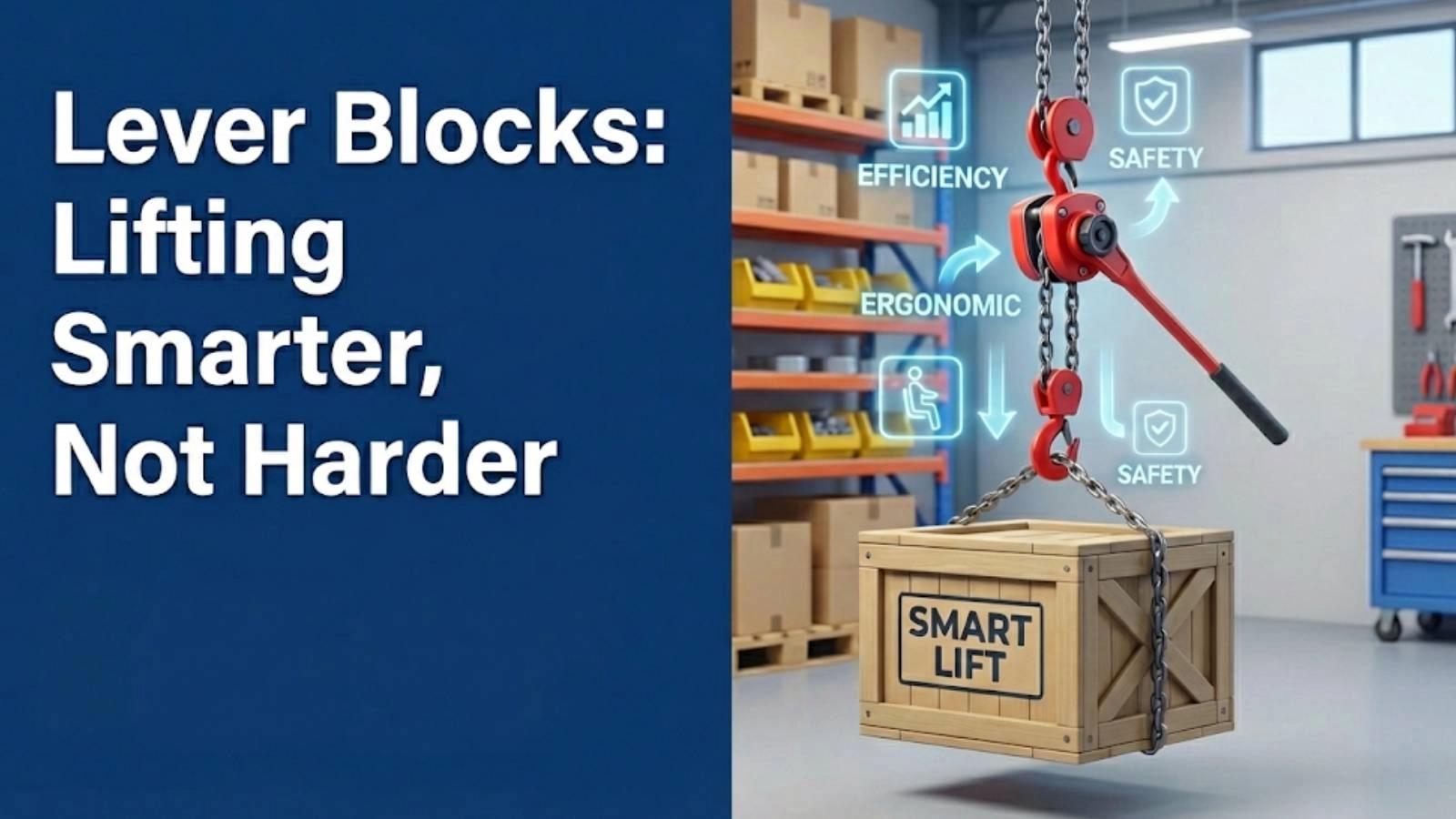
➡️ Safety in the workplace is paramount, and lever block benefits extend to significantly reducing risks associated with heavy lifting. These devices are designed to minimize strain on workers and prevent accidents, ensuring a safer working environment. This not only protects employees but also reduces the potential for costly downtime and legal liabilities.
3.1 Minimizing Strain and Injury
Lever blocks reduce the physical strain on workers by allowing them to lift heavy loads with minimal effort. The mechanical advantage provided by the lever system minimizes the risk of muscle strains, back injuries, and other common workplace injuries associated with manual lifting. This makes the workplace safer and healthier for employees. We advise clients to prioritize this aspect of lever block benefits.
3.2 Ergonomic Design Considerations
Many lever blocks are designed with ergonomic features that enhance user comfort and safety. These features include comfortable handles, smooth lever action, and lightweight construction. These ergonomic considerations reduce operator fatigue and improve control over the lifting process, further minimizing the risk of accidents and injuries. We’ve found that investing in ergonomically designed equipment pays dividends in terms of reduced absenteeism and improved morale.
3.3 Compliance with Safety Standards
Using lever blocks that comply with industry safety standards and regulations is crucial for ensuring workplace safety. Compliance with standards such as OSHA and ASME ensures that the equipment has been rigorously tested and meets specific safety requirements. This provides peace of mind and reduces the risk of accidents and liabilities.
4. Versatility and Adaptability to Diverse Environments
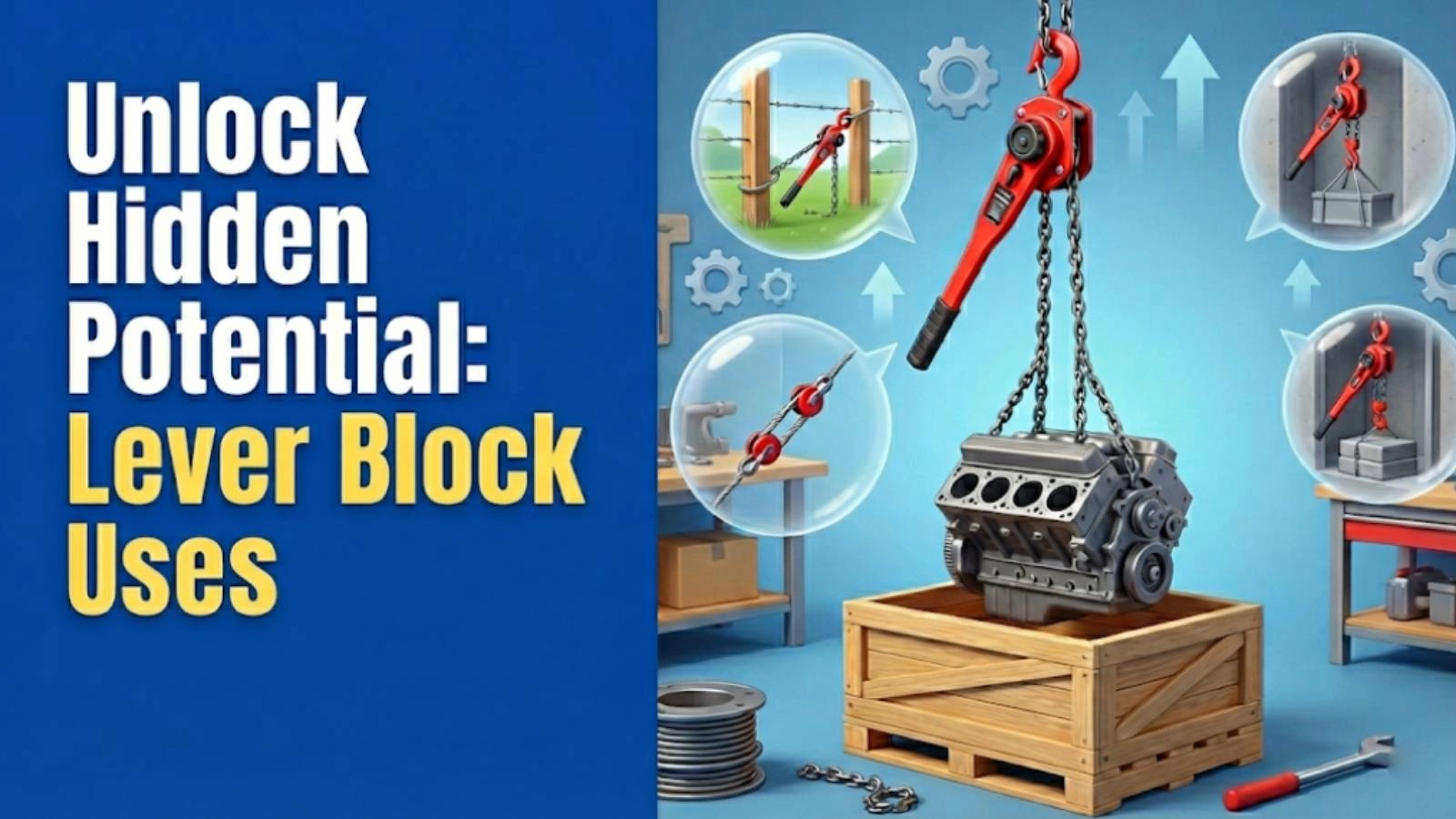
✨ Lever block benefits are further highlighted by their versatility and adaptability to various work environments. Whether it’s a construction site, a manufacturing plant, or a warehouse, lever blocks can be used in a wide range of applications. Their compact design and portability make them ideal for use in confined spaces and remote locations.
4.1 Applications in Construction
In construction, lever blocks are invaluable for lifting and positioning materials such as steel beams, concrete panels, and heavy equipment. Their versatility allows them to be used in a variety of construction tasks, from erecting scaffolding to installing HVAC systems. The ability to precisely control the lifting and lowering of materials is particularly beneficial in construction, where accuracy is critical.
4.2 Use in Manufacturing and Warehousing
Lever blocks are widely used in manufacturing and warehousing for material handling tasks. They can be used to lift and move heavy components, load and unload trucks, and position materials on assembly lines. Their portability and ease of use make them ideal for these applications, where efficiency and safety are paramount. For many of our clients here in Dammam, we’ve seen that lever block benefits significantly improve their material handling processes.
4.3 Adaptability to Confined Spaces
One of the unique lever block benefits is their ability to operate effectively in confined spaces where other lifting equipment is impractical. Their compact design and manual operation allow them to be used in areas with limited headroom or access, such as tunnels, basements, and small workshops. This adaptability makes them an essential tool for a wide range of industries and applications.
5. Cost-Effectiveness and Long-Term Investment
✅ Investing in lever blocks is a cost-effective decision that yields long-term benefits. Compared to other lifting equipment, lever blocks have a lower initial investment and require minimal maintenance, reducing overall operating costs. Their durability and long lifespan make them a sustainable and reliable investment for businesses of all sizes.
5.1 Lower Initial Investment
Lever blocks generally have a lower initial cost compared to other types of lifting equipment, such as cranes or forklifts. This makes them an accessible option for small businesses and organizations with limited budgets. The relatively low initial investment allows businesses to acquire the lifting capabilities they need without incurring significant capital expenditures.
5.2 Reduced Maintenance Costs
Lever block benefits also extend to their minimal maintenance requirements. Unlike more complex lifting equipment, lever blocks require only basic maintenance, such as lubrication and visual inspections. This reduces the need for costly repairs and downtime, resulting in significant cost savings over the lifespan of the equipment. Regular maintenance also extends the lifespan of the lever block, maximizing the return on investment.
5.3 Increased Lifespan and Durability
Lever blocks are built to withstand demanding work environments and heavy use. Their robust construction and high-quality materials ensure a long lifespan, making them a durable and reliable investment. With proper care and maintenance, lever blocks can provide years of reliable service, delivering consistent performance and value.
6. Detailed Look at Lever Block Components
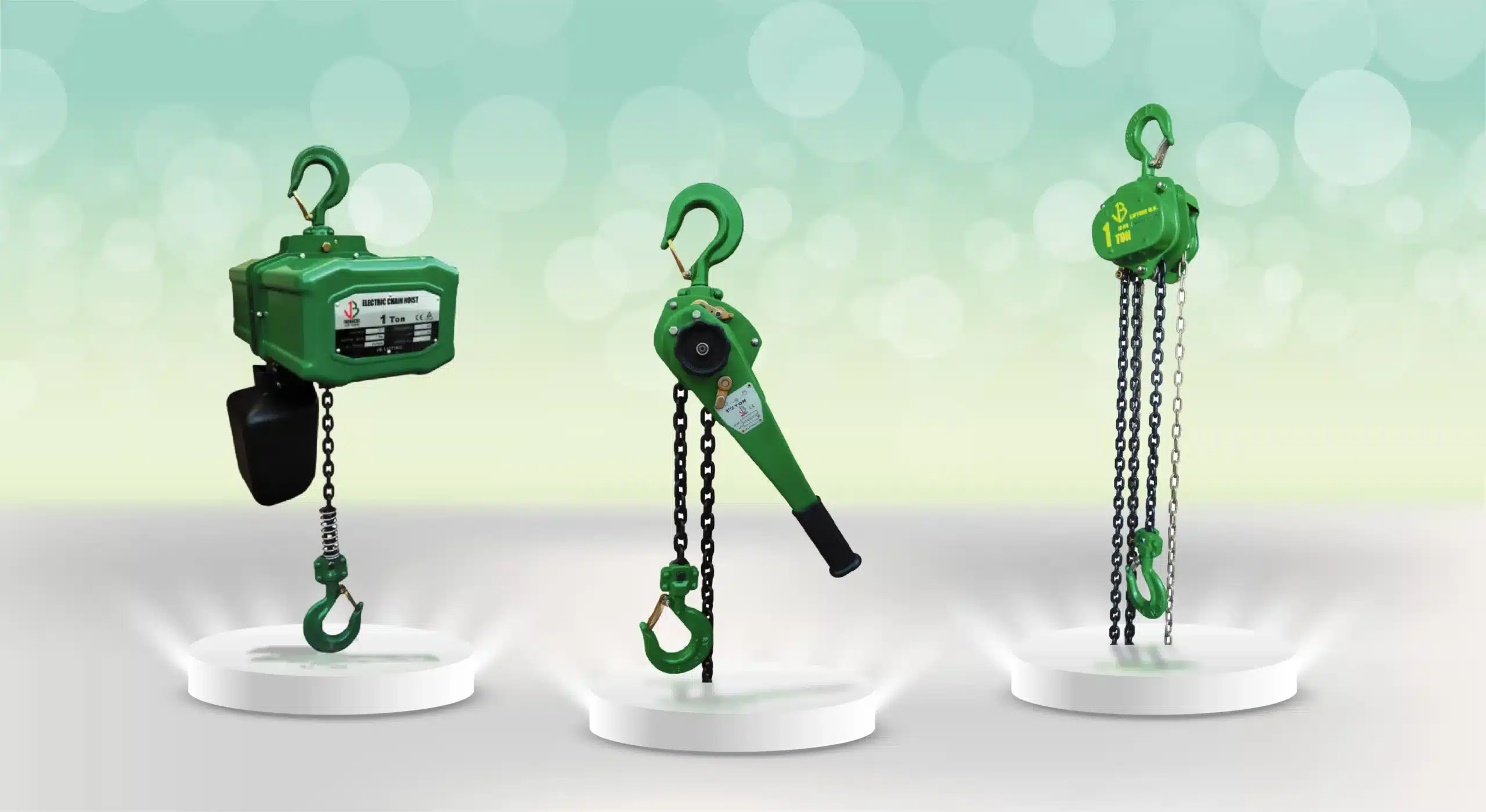
✨ Understanding the components of a lever block is crucial for ensuring safe and effective operation. The load chain, lever and gear system, and hooks and safety latches all play critical roles in the lifting process. Each component must be of high quality and properly maintained to ensure the lever block functions safely and reliably.
6.1 The Load Chain
The load chain is a critical component of the lever block, responsible for bearing the weight of the load. It is typically made of high-strength alloy steel and undergoes rigorous testing to ensure its safety and reliability. The load chain must be regularly inspected for wear, corrosion, and damage to ensure it can safely handle the intended load. The materials used in the chain’s construction are crucial for achieving the necessary safety ratings.
6.2 The Lever and Gear System
The lever and gear system is what provides the mechanical advantage that allows the operator to lift heavy loads with minimal effort. The lever arm is connected to a series of gears that multiply the force applied by the operator. This system must be precisely engineered and manufactured to ensure smooth and efficient operation. Proper lubrication is essential for maintaining the performance of the lever and gear system.
6.3 The Hooks and Safety Latches
The hooks and safety latches are essential for securely attaching the lever block to the load and preventing accidental disengagement. The hooks must be made of high-strength steel and designed to withstand the intended load. The safety latches prevent the load from slipping off the hook during lifting operations. Regular inspection and maintenance of the hooks and safety latches are critical for preventing accidents and ensuring workplace safety.
7. Choosing the Right Lever Block: A Comprehensive Guide
➡️ Selecting the right lever block for your specific needs requires careful consideration of several factors. Assessing load requirements, evaluating environmental factors, and comparing brands and specifications are all essential steps in the selection process. Consulting with experts at SSTC can provide valuable guidance and ensure you choose the optimal lever block for your application.
7.1 Assessing Load Requirements
The first step in choosing the right lever block is to accurately assess the load requirements for your lifting tasks. This includes determining the weight of the heaviest load you will be lifting, as well as any potential dynamic forces that may be applied during the lifting process. It’s essential to choose a lever block with a load capacity that exceeds your maximum load requirements to ensure a safe and reliable operation.
7.2 Evaluating Environmental Factors
Environmental factors such as temperature, humidity, and corrosive substances can affect the performance and lifespan of a lever block. In harsh environments, it may be necessary to choose a lever block with specialized coatings or materials that are resistant to corrosion and wear. Considering these factors will help you select a lever block that is suitable for your specific work environment.
7.3 Comparing Brands and Specifications
Comparing different brands and specifications is essential for finding the optimal lever block for your needs. Consider factors such as load capacity, lift height, weight, and ergonomic features. Read reviews and seek recommendations from other users to gain insights into the performance and reliability of different brands and models.
8. Best Practices for Lever Block Maintenance and Inspection
✅ Regular maintenance and inspection are crucial for ensuring the safe and reliable operation of lever blocks. Implementing a comprehensive maintenance program that includes visual inspections, lubrication, and professional servicing can extend the lifespan of your lever blocks and prevent costly downtime. Consistent attention to these practices amplifies lever block benefits.
8.1 Regular Visual Inspections
Regular visual inspections are essential for identifying potential issues before they lead to accidents or equipment failure. Check the load chain for wear, corrosion, and damage. Inspect the hooks and safety latches for cracks, bends, and proper operation. Look for any signs of damage to the lever, gears, and other components. Documenting these inspections is critical for ensuring compliance.
8.2 Lubrication and Cleaning
Proper lubrication is essential for maintaining the smooth operation of the lever and gear system. Use a high-quality lubricant that is specifically designed for lever blocks. Clean the lever block regularly to remove dirt, grime, and debris that can interfere with its operation. Avoid using harsh chemicals or solvents that could damage the components.
8.3 Professional Servicing and Repairs
In addition to regular maintenance, it’s important to seek professional servicing and repairs for lever blocks on a periodic basis. A qualified technician can perform a thorough inspection of the equipment and identify any hidden issues that may not be apparent during a visual inspection. Professional servicing can also include replacing worn parts and performing necessary repairs to ensure the lever block is operating safely and efficiently.
9. Advanced Techniques for Using Lever Blocks
💡 Mastering advanced techniques for using lever blocks can significantly enhance safety and efficiency in complex lifting operations. These techniques include using multiple lever blocks for coordinated lifts, calculating sling angles and tension, and implementing specialized rigging considerations for handling unique loads.
9.1 Using Multiple Lever Blocks for Complex Lifts
Coordinating multiple lever blocks for complex lifting operations requires careful planning and execution. Ensure that all lever blocks have the same load capacity and are properly synchronized. Use a qualified rigger to oversee the lifting operation and ensure that the load is evenly distributed among the lever blocks. Clear communication and coordination are essential for preventing accidents and ensuring a safe lift.
9.2 Calculating Sling Angles and Tension
Calculating sling angles and tension is crucial for ensuring safe and balanced lifts. Sling angles affect the amount of tension on each sling leg, and excessive tension can lead to sling failure or instability. Use appropriate formulas and charts to calculate the sling tension based on the sling angle and the weight of the load. Ensure that the sling tension does not exceed the rated capacity of the slings.
9.3 Rigging Considerations for Specialized Loads
Handling fragile, oversized, or oddly shaped loads requires special rigging considerations. Use appropriate slings, spreaders, and other rigging hardware to ensure that the load is properly supported and balanced. Protect the load from damage by using padding or other protective materials. Consult with a qualified rigger to develop a safe and effective rigging plan for handling specialized loads.
10. Safety Regulations and Compliance Standards
➡️ Adhering to safety regulations and compliance standards is paramount for ensuring a safe working environment and preventing accidents. Understanding OSHA guidelines, ASME standards, and training and certification requirements is essential for anyone involved in the operation of lever blocks.
10.1 OSHA Guidelines for Lever Block Usage
OSHA provides guidelines and regulations related to the safe use of lever blocks in the workplace. These guidelines cover topics such as inspection, maintenance, training, and load capacity. Familiarize yourself with the relevant OSHA regulations and ensure that your operations comply with these requirements. Regular training and audits can help ensure compliance with OSHA guidelines.
10.2 ASME Standards for Lifting Devices
ASME standards provide detailed specifications for the design, construction, and testing of lifting devices, including lever blocks. These standards cover topics such as materials, dimensions, load ratings, and safety factors. Complying with ASME standards ensures that your lever blocks meet industry-recognized safety and performance requirements.
10.3 Training and Certification Requirements
Proper training and certification are essential for lever block operators. Training should cover topics such as inspection, maintenance, safe operating procedures, and rigging techniques. Certification demonstrates that the operator has the knowledge and skills necessary to operate lever blocks safely and effectively. Ensure that all lever block operators receive appropriate training and certification.
11. Troubleshooting Common Lever Block Problems
✅ Addressing common lever block problems promptly and effectively is crucial for maintaining productivity and ensuring safety. Understanding the causes of chain jamming, lever resistance, and hook damage can help you diagnose and resolve these issues quickly.
11.1 Chain Jamming and Slippage
Chain jamming and slippage are common problems that can occur with lever blocks. These issues can be caused by dirt, debris, lack of lubrication, or worn components. To address chain jamming, clean and lubricate the chain and inspect it for damage. If the chain is slipping, check the pawls and ratchets for wear and replace them if necessary.
11.2 Lever Resistance and Binding
Lever resistance and binding can make it difficult to operate the lever block and can increase the risk of accidents. These issues can be caused by lack of lubrication, worn gears, or bent components. To address lever resistance, lubricate the lever and gear system and inspect the components for damage. If the lever is binding, disassemble the lever block and inspect the gears and levers for wear or damage.
11.3 Hook Damage and Replacement
Hook damage can compromise the safety of the lever block and increase the risk of load slippage or failure. Inspect the hooks regularly for cracks, bends, and wear. If the hooks are damaged, replace them immediately with high-quality replacement hooks that meet the manufacturer’s specifications. Ensure that the new hooks are properly installed and secured.
12. Future Trends in Lever Block Technology
💡 The future of lever block technology is likely to be shaped by advancements in materials, design, and smart technology integration. These trends aim to enhance safety, improve efficiency, and reduce environmental impact.
12.1 Integration of Smart Technology
The integration of sensors and data analytics into lever blocks has the potential to revolutionize safety and efficiency. Sensors can monitor load weight, chain tension, and other critical parameters in real-time. Data analytics can be used to identify potential issues before they lead to accidents or equipment failure. This smart technology can provide valuable insights into the performance and condition of lever blocks, enabling proactive maintenance and improved safety.
12.2 Advancements in Materials and Design
Ongoing research and development efforts are focused on improving lever block materials and design. New materials such as high-strength composites and advanced alloys can reduce weight, increase durability, and improve corrosion resistance. Innovative designs can enhance ergonomic features, improve ease of use, and increase lifting capacity. These advancements will lead to lighter, stronger, and more efficient lever blocks.
12.3 Sustainable and Eco-Friendly Options
There is a growing demand for sustainable and eco-friendly lever block options that minimize environmental impact. Manufacturers are exploring the use of recycled materials, biodegradable lubricants, and energy-efficient designs to reduce the environmental footprint of lever blocks. These sustainable options can help businesses meet their environmental goals and reduce their overall impact on the planet.
Conclusion
In summary, lever block benefits extend far beyond simple lifting capabilities. They enhance operational efficiency, improve workplace safety, and offer a cost-effective solution for a wide range of industries. From construction sites to manufacturing plants, lever blocks provide the versatility and reliability needed to tackle challenging lifting tasks with confidence. By understanding the components, best practices, and future trends in lever block technology, businesses can unlock their full potential and achieve sustainable growth. We, at Safe and Secure Trading Company, are committed to providing you with the best solutions for your lifting needs.
FAQ Section
Q: What is the main advantage of using a lever block?
A: The main advantage is the significant mechanical advantage they provide, allowing heavy loads to be lifted with minimal effort.
Q: How do I choose the right lever block for my needs?
A: Consider the load requirements, environmental factors, and compare different brands and specifications.
Q: How often should I inspect my lever block?
A: Regular visual inspections should be performed before each use, and professional servicing should be sought periodically.
Q: What safety standards should lever blocks comply with?
A: Lever blocks should comply with OSHA guidelines and ASME standards.
Q: What are some common problems with lever blocks and how can I fix them?
A: Common problems include chain jamming, lever resistance, and hook damage. These can often be resolved through cleaning, lubrication, or component replacement.