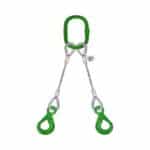
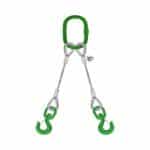
Understanding lever block capacity is crucial for ensuring safe and efficient lifting operations in various industries. Overloading a lever block can lead to catastrophic failures, causing damage to equipment, injuries to personnel, and costly downtime. As experts at Safe and Secure Trading Company (SSTC), we are dedicated to providing you with the knowledge and resources needed to prevent such incidents.
Understanding Lever Block Capacity: Why It Matters
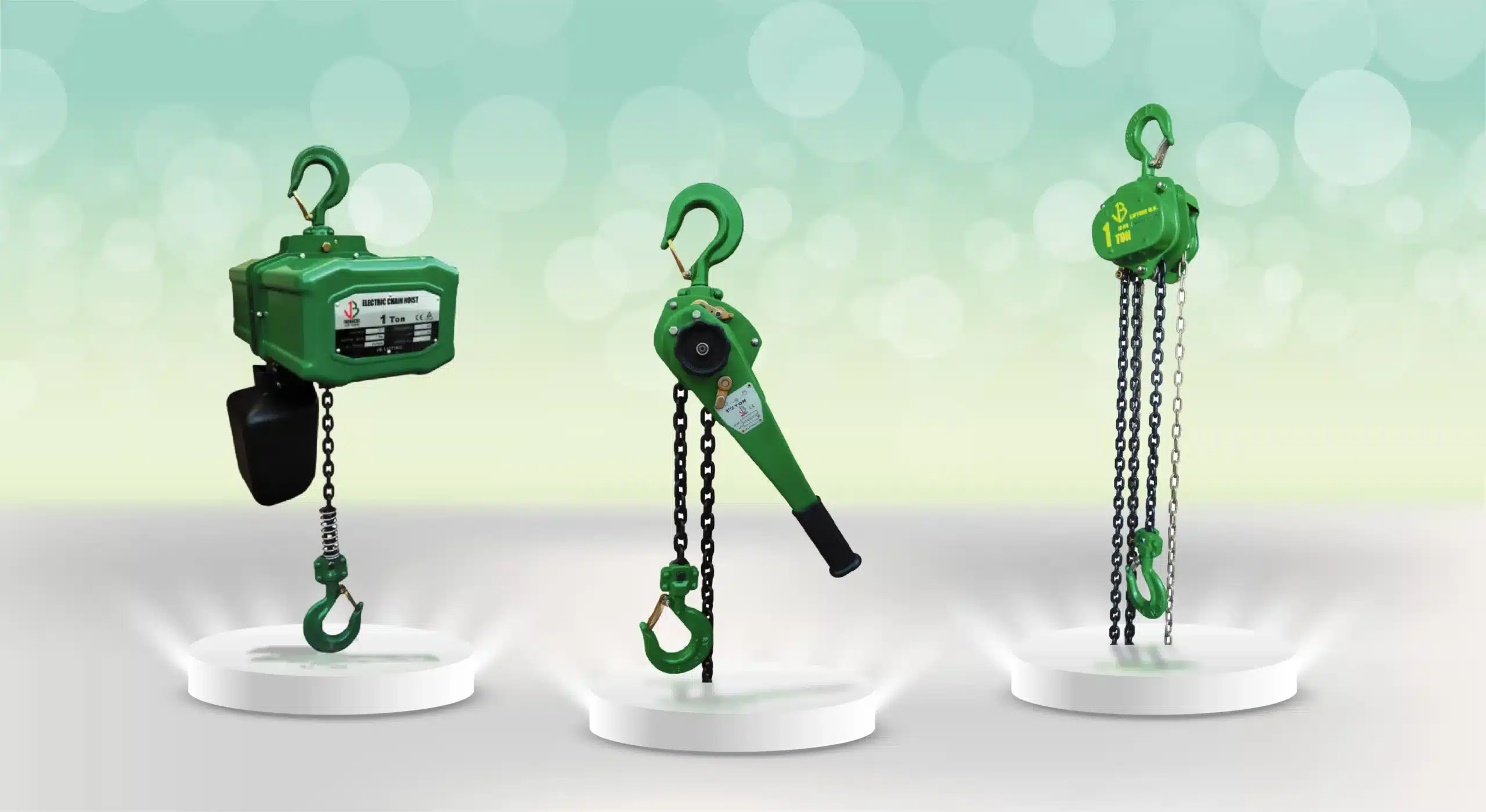
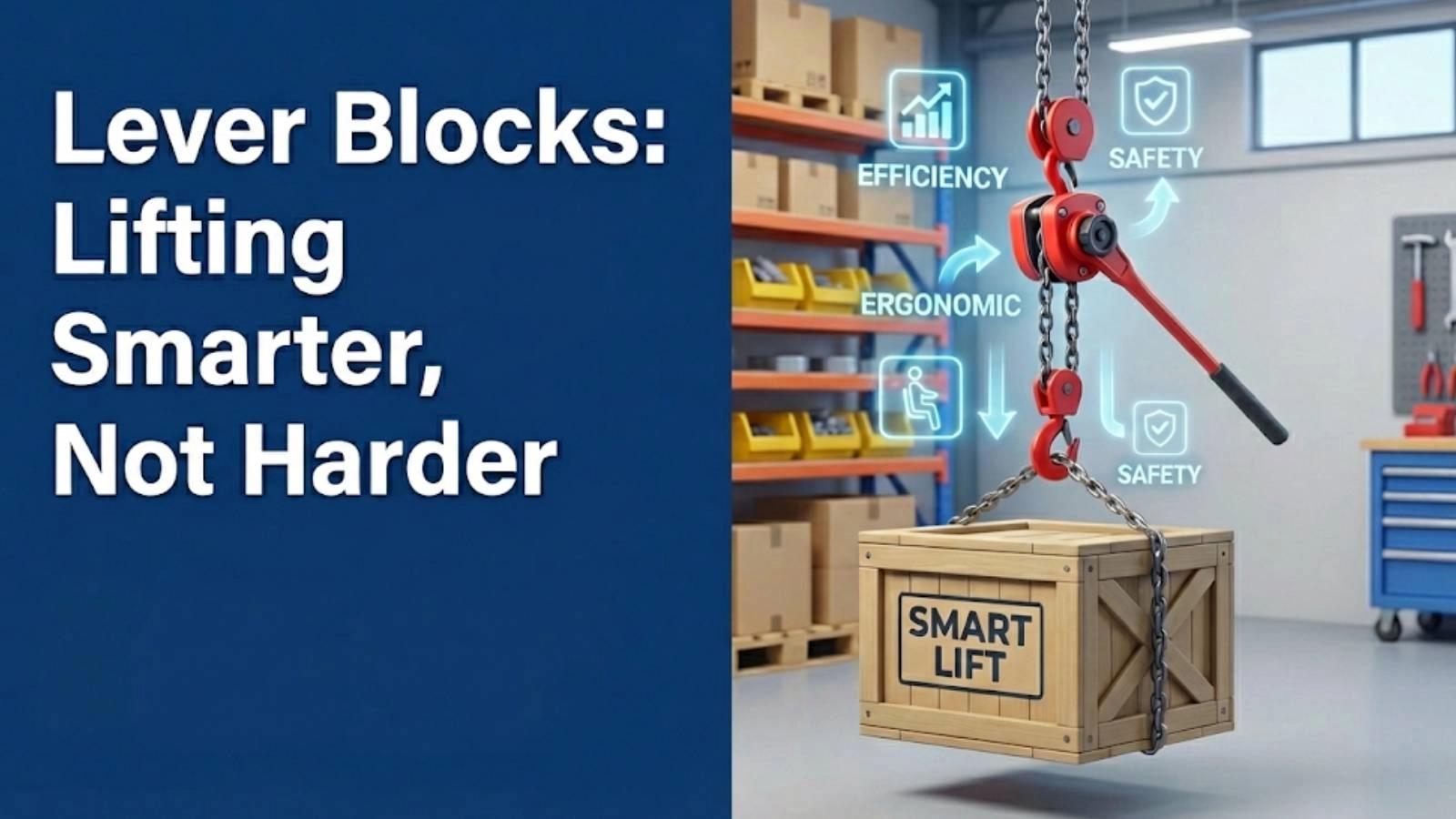
The lever block capacity, also known as the safe working load (WLL), is the maximum weight a lever block is designed to lift safely. Exceeding this limit puts excessive stress on the components of the block, potentially leading to failure. A lever block is a manual hoist used for lifting, pulling, and positioning heavy loads using a lever mechanism and a chain. These tools are commonly used in construction, manufacturing, and other industries where heavy materials need to be moved. Knowing the lever block capacity is the first step in ensuring a safe lift.
The High Cost of Overloading
Overloading a lever block can have severe consequences. The most immediate risk is the potential for the block to fail, causing the load to drop unexpectedly. This can result in significant damage to the load itself, as well as the surrounding environment. Moreover, a falling load poses a serious threat to the safety of workers in the area, potentially leading to severe injuries or even fatalities. In addition to the immediate physical risks, overloading can also lead to costly downtime and repairs. When a lever block fails due to overloading, it needs to be taken out of service for inspection and repair, which can disrupt operations and delay project timelines. Furthermore, overloading can shorten the lifespan of the lever block, requiring more frequent replacements and increasing overall costs.
We once had a client who ignored the lever block capacity and attempted to lift a load that was significantly heavier than the block’s WLL. The block failed catastrophically, causing the load to drop and nearly injuring a nearby worker. The incident resulted in extensive damage to the load, as well as a significant delay in the project timeline. This incident underscored the importance of understanding and respecting the lever block capacity to prevent accidents and ensure worker safety.
Understanding WLL (Working Load Limit) vs. Breaking Strength
The Working Load Limit (WLL) is the maximum load that a lever block is designed to lift safely under normal operating conditions. This value is typically marked on the lever block itself and should never be exceeded. The breaking strength, on the other hand, is the load at which the lever block is expected to fail. The WLL is typically much lower than the breaking strength to provide a margin of safety.
It’s vital to understand that the breaking strength is not an indication of the safe lifting capacity. It is simply the point at which the block is expected to fail. Using a lever block at its breaking strength is extremely dangerous and can lead to catastrophic failure. The WLL is the only value that should be considered when determining the safe lifting capacity of a lever block.
Common Misconception: “A Little Extra Won’t Hurt”
One of the most dangerous misconceptions about lever block capacity is the belief that “a little extra won’t hurt.” This mindset can lead to complacency and a willingness to exceed the WLL, even if only by a small amount. However, even a small overload can significantly increase the stress on the components of the lever block, increasing the risk of failure.
> “Always respect the WLL of your lifting equipment. Even a slight overload can compromise the integrity of the equipment and lead to a dangerous situation.” – John Smith, Lead Safety Inspector
It’s essential to remember that the WLL is not an arbitrary number. It is carefully calculated by engineers based on the design and materials used in the lever block. Exceeding the WLL, even by a small amount, can compromise the integrity of the block and increase the risk of failure. When our team in Dubai tackles this issue, they often find that user education is the best defense against this kind of assumption.
Mistake 1: Neglecting to Account for Load Weight Accurately
One of the most common mistakes leading to overloading is failing to accurately determine the weight of the load. Estimating or guessing the weight can result in choosing a lever block with insufficient lever hoist capacity, leading to dangerous situations.
The Danger of Estimation: Why Guessing is a Gamble
Estimating the weight of a load is never a good idea. Visual estimations can be wildly inaccurate, especially when dealing with irregularly shaped or densely packed materials. Guessing can lead to selecting a lever block with insufficient lifting capacity, putting both the equipment and personnel at risk.
We once encountered a situation where a construction crew estimated the weight of a concrete block and selected a lever block they thought would be sufficient. However, their estimation was significantly off, and the block was actually much heavier than they anticipated. When they attempted to lift the block, the lever block strained under the load, and the chain began to stretch. Fortunately, they recognized the problem before the block failed completely and were able to lower the load safely. This near-miss served as a stark reminder of the importance of accurately weighing loads before lifting.
How to Properly Weigh Your Load: Best Practices and Tools
The best way to ensure you are not exceeding the lever block capacity is to accurately weigh the load before lifting it. Here are some best practices and tools for properly weighing your load:
- Use a calibrated scale: Use a scale that is appropriate for the weight and size of the load. Ensure the scale is properly calibrated to provide accurate readings.
- Consider the weight of rigging: Remember to include the weight of any rigging equipment, such as slings, shackles, and chains, in the total load weight.
- Consult shipping documents: If the load is being shipped, consult the shipping documents for the actual weight of the item.
- Use a load cell: A load cell is a device that can be attached to the lifting equipment to measure the weight of the load in real-time. This can be particularly useful for complex or irregular loads.
Using the right tools and following best practices will help you accurately determine the weight of the load and select a lever block with the appropriate lifting capacity.
Case Study: Preventing Equipment Damage
A manufacturing plant implemented a strict policy of weighing all loads before lifting them with lever blocks. They invested in calibrated scales and trained their employees on how to properly weigh loads and select the appropriate lever blocks. As a result, they significantly reduced the number of overloading incidents and prevented costly equipment damage. They also saw an improvement in worker safety, as employees felt more confident in their ability to handle heavy loads safely. This case study demonstrates the effectiveness of implementing a comprehensive weight management program to prevent overloading and ensure safe lifting operations.
Mistake 2: Ignoring the Angle of Lift
The angle of lift is another crucial factor that is often overlooked when determining the appropriate lever block capacity. When a load is lifted at an angle, the force on the lever block increases, reducing its effective lifting capacity.
Understanding How Angles Increase Load
When a load is lifted vertically, the entire weight of the load is supported by the lever block. However, when the load is lifted at an angle, the force is distributed between the lever block and the horizontal supports. This means that the lever block must support more than just the weight of the load. The greater the angle, the greater the force on the lever block.
For example, if a load is lifted at a 45-degree angle using two slings, the force on each sling is equal to 71% of the load weight. This means that the total force on the lever block is 142% of the load weight. As the angle increases, the force on the lever block increases exponentially.
Calculating Effective Load with Angled Lifts
To accurately determine the effective load on a lever block when lifting at an angle, you can use the following formula:
Effective Load = Load Weight / (Number of Slings x Cosine(Angle))
Where:
- Load Weight is the actual weight of the load.
- Number of Slings is the number of slings used to lift the load.
- Angle is the angle between the sling and the vertical.
For example, if you are lifting a 1000 kg load at a 30-degree angle using two slings, the effective load on the lever block would be:
Effective Load = 1000 kg / (2 x Cosine(30)) = 577.35 kg per sling, so the total effective load is 1154.7 kg.
This calculation demonstrates how the angle of lift can significantly increase the effective load on the lever block, requiring a block with a higher lever hoist capacity than the actual load weight.
Using Load Charts: A Critical Tool for Safe Lifting
Load charts are essential tools for safe lifting operations. They provide information on the maximum load that can be lifted at various angles using specific rigging configurations. These charts take into account the increased force on the lever block due to the angle of lift and provide guidance on selecting the appropriate lever block capacity for the specific application.
Always consult the load chart for the specific rigging configuration you are using before lifting a load at an angle. The load chart will provide you with the maximum load that can be lifted safely at the given angle.
Mistake 3: Failing to Consider Shock Loads
Shock loads are sudden, unexpected forces that can significantly increase the stress on a lever block, potentially exceeding its lifting capacity. Failing to consider shock loads can lead to catastrophic failures and dangerous situations.
What are Shock Loads and Why are They Dangerous?
Shock loads are dynamic forces that occur when a load is suddenly applied to a lever block. These forces can be caused by a variety of factors, such as:
- Sudden jerking or stopping of the load
- Impact from other objects
- Snagging of the load on an obstruction
Shock loads can significantly increase the stress on the components of the lever block, potentially exceeding its safe working load. This can lead to deformation, cracking, or even complete failure of the block.
Identifying Potential Shock Load Scenarios
It is crucial to identify potential shock load scenarios before lifting a load. Here are some common situations where shock loads may occur:
- Lifting loads in windy conditions
- Lifting loads over uneven terrain
- Lifting loads with loose or shifting contents
- Lifting loads near obstructions
By identifying these potential scenarios, you can take steps to minimize or eliminate the risk of shock loads.
Strategies for Minimizing or Eliminating Shock Loads
There are several strategies you can use to minimize or eliminate shock loads:
- Lift loads smoothly and slowly: Avoid sudden jerking or stopping of the load.
- Use taglines: Use taglines to control the movement of the load and prevent it from swinging or snagging on obstructions.
- Pad sharp edges: Pad any sharp edges that the load may come into contact with to prevent snagging.
- Use a soft start: When starting the lift, apply the load gradually to avoid sudden jerking.
- Consider using specialized lifting equipment: In some cases, specialized lifting equipment, such as soft starters or shock absorbers, may be necessary to minimize the risk of shock loads.
By implementing these strategies, you can significantly reduce the risk of shock loads and ensure safer lifting operations.
Mistake 4: Choosing a Block That’s Too Close to the Load Weight
Selecting a lever block with a lever hoist capacity that is too close to the actual load weight leaves little to no margin for error and increases the risk of overloading. It’s crucial to factor in a safety margin to account for unforeseen circumstances and ensure safe lifting operations.
The Importance of a Safety Margin
A safety margin is the difference between the lever block capacity and the actual load weight. This margin provides a buffer to account for:
- Inaccuracies in weight estimations
- Unexpected increases in load weight
- Dynamic forces, such as shock loads
- Wear and tear on the equipment
A sufficient safety margin ensures that the lever block is not operating at its maximum lifting capacity, reducing the risk of failure and extending its lifespan.
Recommended Safety Factors for Different Lifting Applications
The appropriate safety factor depends on the specific lifting application and the potential risks involved. Here are some general guidelines:
- General lifting: A safety factor of at least 2:1 is recommended. This means that the lever block capacity should be at least twice the actual load weight.
- Critical lifting: For critical lifting applications, such as lifting personnel or valuable equipment, a higher safety factor of 5:1 or even 10:1 may be required.
- Dynamic loads: When lifting dynamic loads, such as those subject to shock loads, a higher safety factor is also recommended.
It’s essential to consult with a qualified engineer or safety professional to determine the appropriate safety factor for your specific lifting application.
Expert Quote: “Always Overestimate, Never Underestimate – Your Safety Depends on It.”
“Always overestimate the load weight and select a lever block with a lifting capacity that is significantly higher than your estimation. It’s always better to be safe than sorry.” – David Lee, Crane Operator
This quote emphasizes the importance of erring on the side of caution when selecting a lever block. Underestimating the load weight can have serious consequences, while overestimating it will simply result in using a slightly larger, more robust block.
Mistake 5: Using Damaged or Poorly Maintained Lever Blocks
Using damaged or poorly maintained lever blocks is a recipe for disaster. Regular inspections and maintenance are crucial for identifying and addressing potential problems before they lead to catastrophic failures.
Inspecting Your Lever Block: A Step-by-Step Guide
Regularly inspecting your lever block is essential for identifying potential problems and ensuring safe operation. Here is a step-by-step guide for inspecting your lever block:
1. Clean the block: Remove any dirt, grease, or debris from the block to allow for a thorough inspection.
2. Inspect the chain: Check the chain for any signs of wear, corrosion, or damage, such as stretched links, cracks, or gouges.
3. Inspect the hooks: Check the hooks for any signs of bending, twisting, cracking, or wear. Ensure that the safety latches are functioning properly.
4. Inspect the body: Check the body of the block for any signs of cracks, dents, or distortion.
5. Inspect the lever: Check the lever for any signs of bending, cracking, or damage. Ensure that it moves smoothly and engages properly.
6. Inspect the gears: If possible, inspect the internal gears for any signs of wear, damage, or excessive play.
7. Test the block: Perform a test lift with a load that is slightly less than the lever block capacity to ensure that it operates smoothly and safely.
Identifying Signs of Wear and Tear: What to Look For
Here are some common signs of wear and tear to look for when inspecting your lever block:
- Stretched chain links: This indicates that the chain has been overloaded or subjected to excessive wear.
- Cracked or bent hooks: This indicates that the hooks have been overloaded or subjected to impact.
- Corrosion: This can weaken the components of the block and increase the risk of failure.
- Excessive play: This indicates that the internal gears are worn or damaged.
- Difficulty operating the lever: This can indicate a problem with the lever mechanism or internal gears.
If you notice any of these signs of wear and tear, take the lever block out of service immediately and have it inspected and repaired by a qualified technician.
The Importance of Regular Maintenance and Certification
Regular maintenance is essential for keeping your lever blocks in good working condition and extending their lifespan. Maintenance should include:
- Lubrication: Lubricate the chain and other moving parts regularly to reduce friction and wear.
- Cleaning: Clean the block regularly to remove dirt, grease, and debris.
- Inspection: Perform regular inspections to identify potential problems early on.
- Repair: Repair any damaged or worn components promptly.
In addition to regular maintenance, it’s also important to have your lever blocks certified by a qualified third-party inspector on a regular basis. Certification ensures that the block meets all applicable safety standards and is safe to use.
Mistake 6: Mismatching the Lever Block to the Task
Using a lever block that is not suited for the specific task at hand can lead to overloading and other safety hazards. It’s crucial to consider the duty cycle, environmental factors, and other requirements of the task when selecting a lever block.
Duty Cycle Considerations: Light, Medium, and Heavy-Duty
Lever blocks are typically classified as light-duty, medium-duty, or heavy-duty, depending on their intended use.
- Light-duty: Light-duty lever blocks are designed for occasional use in light-duty applications.
- Medium-duty: Medium-duty lever blocks are designed for more frequent use in medium-duty applications.
- Heavy-duty: Heavy-duty lever blocks are designed for continuous use in demanding applications.
Selecting a lever block with an appropriate duty cycle is crucial for ensuring that it can withstand the demands of the task. Using a light-duty block in a heavy-duty application can lead to premature wear and failure.
Environmental Factors: Corrosion, Extreme Temperatures
Environmental factors, such as corrosion and extreme temperatures, can also affect the lever block capacity and lifespan.
- Corrosion: Exposure to corrosive environments, such as saltwater or chemical fumes, can weaken the components of the lever block and increase the risk of failure. Use stainless steel lever blocks in corrosive environments.
- Extreme temperatures: Extreme temperatures can also affect the strength and durability of the lever block. High temperatures can cause the metal to weaken, while low temperatures can make it brittle.
Select a lever block that is designed to withstand the specific environmental conditions in which it will be used.
Selecting the Right Block for the Specific Environment
When selecting a lever block, consider the following factors:
- Load weight: Select a block with a lifting capacity that is sufficient for the load weight, plus a safety margin.
- Duty cycle: Select a block with an appropriate duty cycle for the intended use.
- Environmental factors: Select a block that is designed to withstand the specific environmental conditions.
- Lift height: Select a block with a chain length that is sufficient for the required lift height.
- Headroom: Consider the available headroom when selecting a block. Some blocks require more headroom than others.
By carefully considering these factors, you can select a lever block that is well-suited for the specific task at hand and ensure safe and efficient lifting operations.
Mistake 7: Improper Training and Operation
Even with the right equipment, improper training and operation can lead to accidents and injuries. Ensuring that all users are properly trained on the safe operation of lever blocks is crucial for preventing accidents.
Ensuring Proper Training for All Users
Proper training should cover the following topics:
- Understanding lever block capacity
- Inspecting lever blocks for damage
- Selecting the right lever block for the task
- Operating lever blocks safely
- Identifying potential hazards
- Emergency procedures
Training should be conducted by a qualified instructor and should include both classroom instruction and hands-on practice.
The Correct Way to Operate a Lever Block: Step-by-Step
Here’s a step-by-step guide for operating a lever block safely:
1. Inspect the block: Before each use, inspect the lever block for any signs of damage or wear.
2. Attach the block: Attach the block to a secure anchor point that is capable of supporting the load weight.
3. Attach the load: Attach the load to the hook of the lever block using appropriate rigging hardware.
4. Take up slack: Take up any slack in the chain before applying the load.
5. Lift the load: Lift the load smoothly and slowly, avoiding sudden jerking or stopping.
6. Control the load: Use taglines to control the movement of the load and prevent it from swinging or snagging on obstructions.
7. Lower the load: Lower the load smoothly and slowly, avoiding sudden jerking or stopping.
8. Detach the load: Detach the load from the hook of the lever block.
9. Store the block: Store the lever block in a safe and dry place.
Common Operational Errors and How to Avoid Them
Here are some common operational errors and how to avoid them:
- Overloading: Always ensure that you are not exceeding the lever block capacity.
- Lifting at an angle: Avoid lifting loads at an angle, as this can increase the force on the block.
- Using damaged equipment: Never use damaged or poorly maintained lever blocks.
- Operating the block improperly: Always follow the manufacturer’s instructions for operating the block.
- Failing to use taglines: Use taglines to control the movement of the load and prevent it from swinging or snagging on obstructions.
By avoiding these common operational errors, you can significantly reduce the risk of accidents and injuries.
Mistake 8: Overlooking the Rigging Hardware
The rigging hardware used with a lever block is just as important as the block itself. Mismatching the rigging hardware to the lever block capacity can lead to failures and accidents.
The Importance of Matching Rigging Hardware to the Lever Block Capacity
All rigging hardware, such as slings, shackles, and chains, must have a lifting capacity that is equal to or greater than the lever block capacity. Using rigging hardware with a lower lifting capacity than the lever block can lead to the hardware failing under the load.
Common Rigging Mistakes and How to Prevent Them
Here are some common rigging mistakes and how to prevent them:
- Using damaged rigging: Never use damaged or worn rigging hardware.
- Mismatched rigging: Always ensure that the rigging hardware is properly matched to the lever block capacity.
- Improper rigging techniques: Use proper rigging techniques to ensure that the load is safely supported.
- Overloading rigging: Never exceed the lifting capacity of the rigging hardware.
The Role of Rigging Inspections in Maintaining Safety
Regular rigging inspections are essential for identifying potential problems and ensuring safe lifting operations. Rigging inspections should be performed by a qualified inspector and should include:
- Visual inspection: Inspect the rigging hardware for any signs of damage or wear.
- Dimensional inspection: Measure the dimensions of the rigging hardware to ensure that it meets the manufacturer’s specifications.
- Load testing: Perform load testing to verify the lifting capacity of the rigging hardware.
Rigging inspections should be performed on a regular basis, as well as after any incident that may have damaged the rigging hardware.
Correct Selection Process: A Step-by-Step Guide
Choosing the right lever block involves a few critical steps to ensure safety and efficiency. Here’s a guide to help you make the right choice.
Step 1: Accurately Determine the Load Weight.
As discussed earlier, accurately determining the load weight is paramount. Use calibrated scales and factor in the weight of any rigging equipment.
Step 2: Account for the Angle of Lift.
Calculate the effective load based on the angle of lift using the formula: Effective Load = Load Weight / (Number of Slings x Cosine(Angle)). Remember that angles significantly increase the force on the lever block.
Step 3: Consider Potential Shock Loads.
Assess the potential for shock loads based on the lifting environment and the nature of the load. Factor in a higher safety margin if shock loads are likely.
Step 4: Factor in Environmental Conditions.
Determine if the lever block will be exposed to corrosive environments, extreme temperatures, or other harsh conditions. Select a block that is designed to withstand these conditions.
Step 5: Select a Lever Block with Adequate Capacity + Safety Factor
Choose a lever block with a lever hoist capacity that exceeds the effective load weight, including a safety factor of at least 2:1 for general lifting and higher for critical or dynamic loads. The lever block selection is the most important thing to consider. Remember lever block safety starts with the correct equipment.
Recap: Ensuring Safe Lifting Operations
Avoiding common mistakes related to lever block capacity is essential for ensuring safe and efficient lifting operations. By accurately determining the load weight, accounting for the angle of lift, considering potential shock loads, selecting a lever block with an adequate lifting capacity and safety margin, using properly maintained equipment, and ensuring proper training, you can significantly reduce the risk of accidents and injuries.
Key Takeaways: Avoiding Common Mistakes
- Accurately determine the load weight using calibrated scales.
- Account for the angle of lift when calculating the effective load.
- Consider potential shock loads and factor in a higher safety margin.
- Select a lever block with an adequate lifting capacity and safety margin.
- Use properly maintained lever blocks and rigging hardware.
- Ensure that all users are properly trained on the safe operation of lever blocks.
- Never exceed the safe working load of the lever block.
- Always err on the side of caution.
Checklist for Selecting the Right Lever Block Capacity
Here’s a quick checklist to help you select the right lever block capacity:
- [ ] Determine the load weight accurately.
- [ ] Account for the angle of lift.
- [ ] Consider potential shock loads.
- [ ] Factor in environmental conditions.
- [ ] Select a lever block with adequate capacity and a safety factor.
- [ ] Inspect the lever block and rigging hardware for damage.
- [ ] Ensure that all users are properly trained.
Remember, understanding lever block capacity is not just about compliance; it’s about creating a safer working environment for everyone. We at Safe and Secure Trading Company are committed to providing you with the tools and knowledge you need to achieve this goal. By following these guidelines and implementing best practices, you can significantly reduce the risk of accidents and injuries associated with lifting operations.
Conclusion
In conclusion, understanding and respecting lever block capacity is paramount for ensuring safety and preventing costly accidents. By avoiding the common mistakes outlined in this tutorial and following the recommended best practices, you can significantly improve the safety and efficiency of your lifting operations. At Safe and Secure Trading Company, we’re dedicated to empowering you with the knowledge and resources needed to make informed decisions. We’re confident that by implementing these strategies, you can create a safer and more productive work environment.
FAQ Section
Q: What is the difference between WLL and breaking strength?
A: WLL (Working Load Limit) is the maximum load that a lever block is designed to lift safely under normal operating conditions. Breaking strength, on the other hand, is the load at which the lever block is expected to fail. The WLL is typically much lower than the breaking strength to provide a margin of safety.
Q: How do I calculate the effective load when lifting at an angle?
A: Use the formula: Effective Load = Load Weight / (Number of Slings x Cosine(Angle)), where Load Weight is the actual weight of the load, Number of Slings is the number of slings used, and Angle is the angle between the sling and the vertical.
Q: How often should I inspect my lever blocks?
A: Lever blocks should be inspected before each use, as well as on a regular basis by a qualified inspector. The frequency of regular inspections will depend on the severity of the operating environment and the frequency of use.
Q: What are some common signs of wear and tear to look for when inspecting my lever block?
A: Common signs of wear and tear include stretched chain links, cracked or bent hooks, corrosion, excessive play, and difficulty operating the lever.
Q: What should I do if I notice damage to my lever block?
A: If you notice any damage to your lever block, take it out of service immediately and have it inspected and repaired by a qualified technician.
Q: How do I select the right lever block for my specific application?
A: Consider the load weight, duty cycle, environmental factors, lift height, and headroom when selecting a lever block. Choose a block with a lifting capacity that is sufficient for the load weight, plus a safety margin.