The Silent Guardian: Why Lever Block Certification Matters
A Near Miss: The Story of John and the Uncertified Block
Imagine John, a seasoned construction worker, balancing precariously on scaffolding, guiding a heavy steel beam into place. Suddenly, the lever block securing the beam groans ominously, the chain slipping with a sickening sound. John barely manages to leap to safety as the beam crashes down, narrowly avoiding serious injury. This isn’t a scene from a disaster movie; it’s a real-life near miss that could have had devastating consequences.
The potential consequences of such an incident are immense, ranging from severe injuries like fractures, lacerations, and crush injuries to, in the worst-case scenario, fatalities. A falling load doesn’t discriminate, and its impact can be life-altering for anyone in its path. The use of uncertified equipment drastically increases the chances of these tragic outcomes.
The emotional impact on John and his colleagues after such an event is profound. Witnessing a near-fatal accident can lead to anxiety, fear, and a loss of confidence in the safety of their work environment. This can decrease productivity and create a tense atmosphere, making it even more crucial to prioritize safety through lever block certification.
What Exactly Is Lever Block Certification?
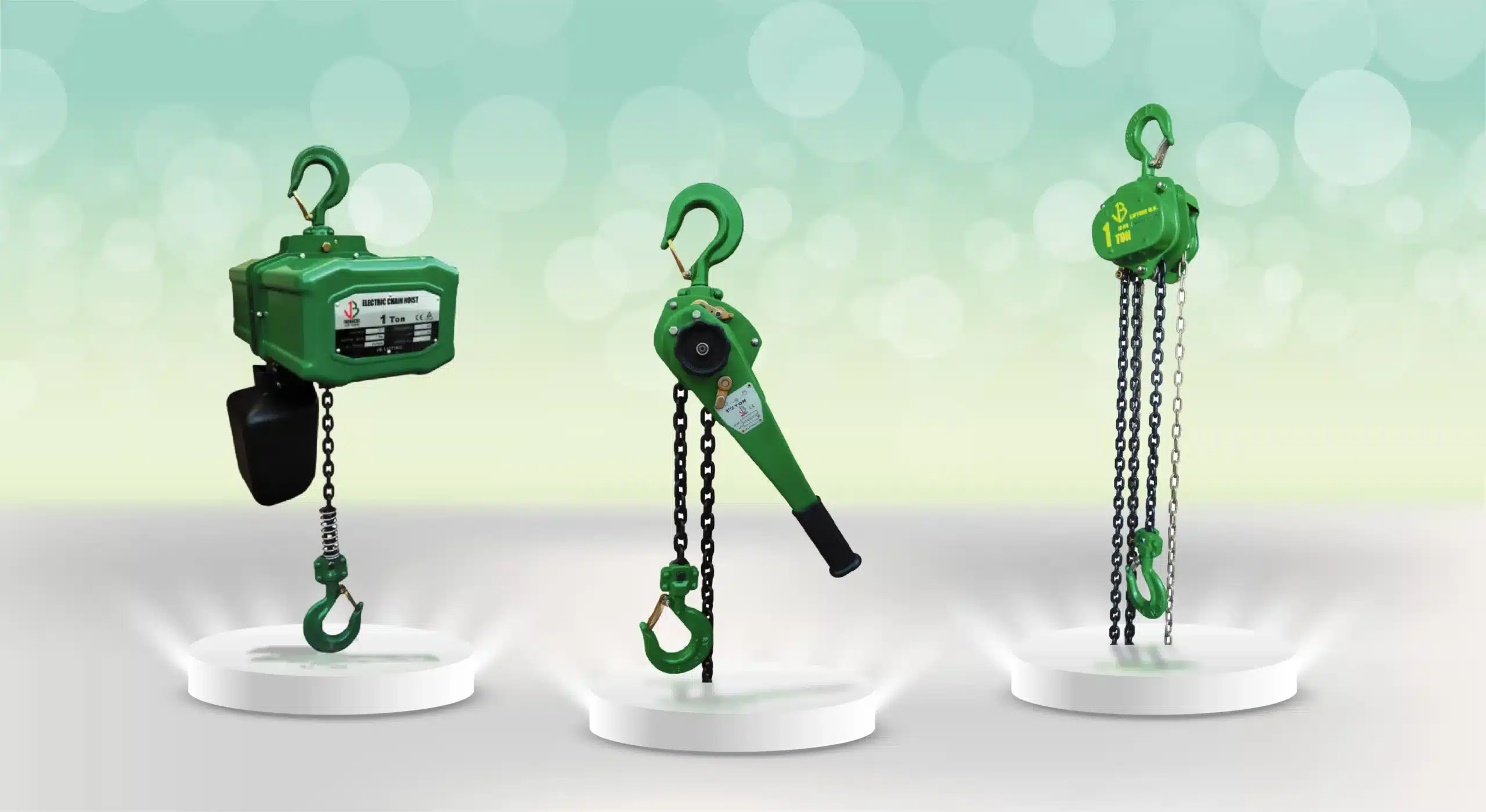
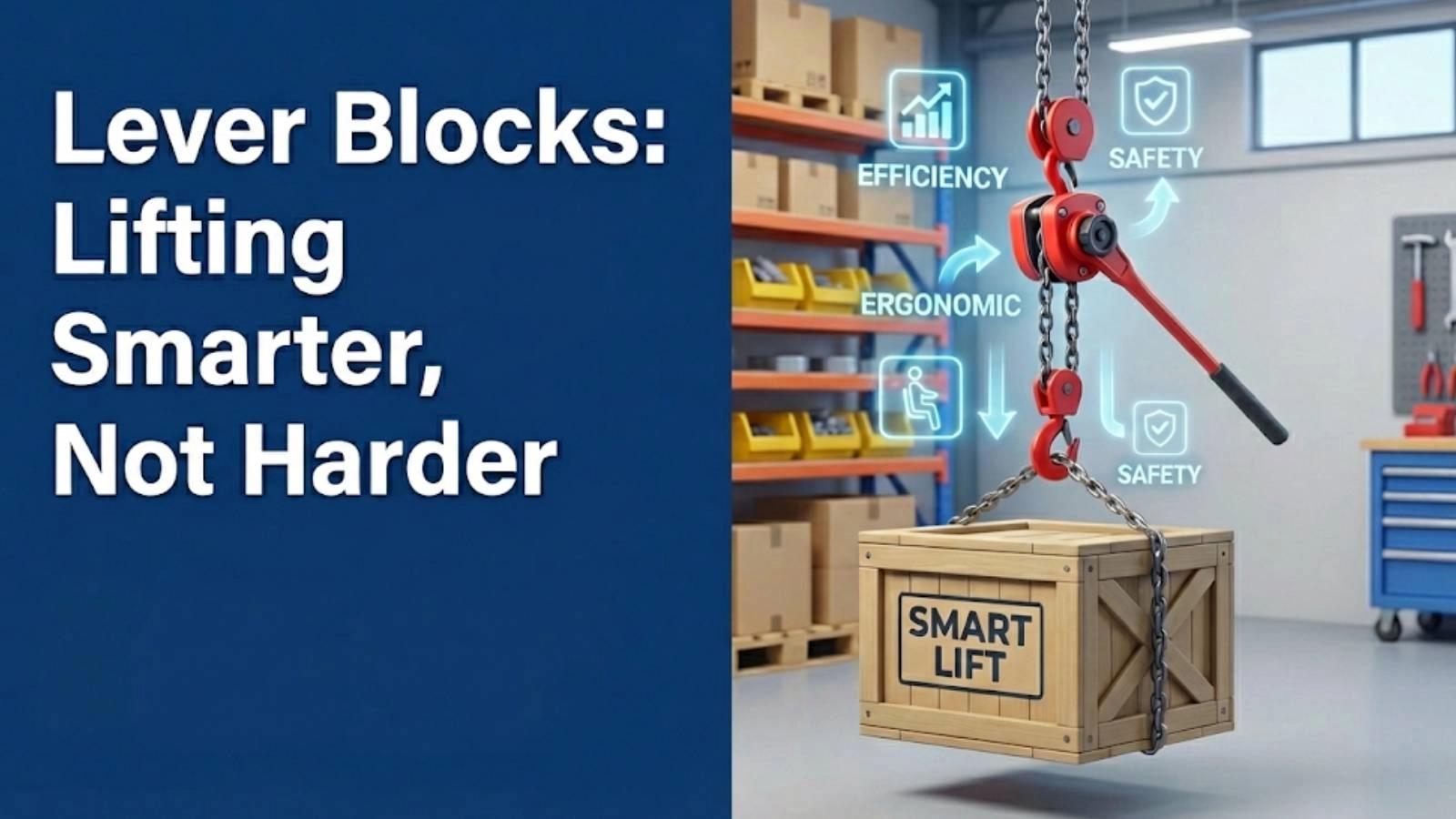
A lever block, also known as a come-along or chain lever hoist, is a portable device used for lifting, pulling, and positioning heavy loads. Its primary function is to provide a mechanical advantage, allowing operators to lift objects that would otherwise be impossible to move manually. These tools are indispensable in various industries, including construction, manufacturing, and rigging.
Lever block certification is the process of rigorously testing, inspecting, and verifying that a lever block meets specific safety and performance standards. This ensures the equipment is capable of handling its rated load safely and reliably. The certification process involves a thorough examination of the lever block’s components, including the chain, hooks, gears, and housing, to identify any defects or weaknesses.
Organizations such as the American National Standards Institute (ANSI) and the American Society of Mechanical Engineers (ASME) play crucial roles in setting the standards for lever block certification. ANSI accredits organizations that develop standards, while ASME develops many of the specific engineering and safety standards used in the industry. Meeting these standards ensures a baseline level of safety and performance for lever blocks. Our team in Dubai regularly consults with companies to ensure they meet these standards.
ANSI is a private, non-profit organization that coordinates the U.S. voluntary standards and conformity assessment system. ANSI itself doesn’t develop standards; rather, it accredits organizations that do. ASME, on the other hand, develops codes and standards related to mechanical engineering. ASME standards are widely recognized and adopted globally, including specific standards for lifting devices.
While meeting ANSI and ASME standards is essential, some manufacturers go above and beyond these requirements, exceeding the minimum standards in areas like material strength, load testing, and durability. This demonstrates a commitment to providing even safer and more reliable lever blocks. This added level of assurance can be a deciding factor when choosing between different certified products.
The High Cost of Cutting Corners: Uncertified Risks
Using uncertified lever blocks presents numerous dangers, the most significant being the risk of catastrophic failure under load. Uncertified equipment lacks the rigorous testing and quality control measures that certified blocks undergo, making them susceptible to material defects, faulty construction, and inaccurate load ratings. This can lead to sudden breakage, dropped loads, and serious injuries. In our experience at Safe and Secure Trading Company (SSTC), we’ve seen firsthand the consequences of using substandard equipment.
Accidents involving faulty lifting equipment are more common than many people realize. According to the Bureau of Labor Statistics, thousands of workplace injuries and fatalities occur each year due to equipment malfunctions, a significant portion of which can be attributed to uncertified or improperly maintained lifting gear. This statistic underscores the critical importance of lever block certification and regular inspections.
Beyond the immediate safety risks, there are also significant legal ramifications associated with using non-compliant equipment. Companies that fail to comply with safety standards and regulations can face hefty fines, lawsuits, and even criminal charges in the event of an accident. Investing in certified lever blocks is not only a matter of safety but also of protecting your business from legal liability.
Decoding the Labels: Understanding Certification Marks
Identifying certified lever blocks is crucial for ensuring the safety of your operations. Certified lever blocks typically feature clear markings and labels that indicate compliance with relevant standards. These markings provide essential information about the equipment’s load capacity, manufacturer, and certification body. Always look for these markings before using any lever block.
Common certification marks include the CE mark (indicating compliance with European safety standards) and markings indicating compliance with specific ASME standards. The CE mark is a mandatory conformity marking for certain products sold within the European Economic Area (EEA). ASME markings indicate that the lever block meets the requirements of the relevant ASME standard for lifting devices.
The information contained within these marks typically includes the rated load capacity (the maximum weight the lever block is designed to lift), the manufacturer’s name or logo, and the standard to which the lever block is certified (e.g., ASME B30.21). This information is vital for ensuring that the lever block is used within its safe operating limits. When our team in Dubai tackles this issue, they often find workers who do not understand the markings.
To ensure the certification is valid, carefully inspect the markings for clarity and legibility. Look for the name or logo of a recognized certification body, such as TÜV or SGS. You can also verify the certification directly with the issuing body by checking their online database or contacting them directly. Always be wary of counterfeit markings or certifications.
Verifying certifications with the issuing body is a crucial step in ensuring the authenticity and validity of the lever block’s certification. Most certification bodies provide online databases or contact information that allows you to confirm whether a specific lever block has been certified and meets the required standards. Taking this extra step can provide added peace of mind and help prevent the use of substandard equipment.
The Benefits of Going Certified: More Than Just a Stamp
Enhanced safety is arguably the most significant benefit of using certified lever blocks. By ensuring that the equipment meets rigorous safety standards, you significantly reduce the risk of accidents, injuries, and fatalities in the workplace. Certified lever blocks are designed and tested to withstand their rated loads, providing a reliable and secure lifting solution.
Increased productivity is another key advantage of using certified lever blocks. Reliable equipment minimizes downtime due to breakdowns or malfunctions, allowing workers to complete their tasks more efficiently. Certified lever blocks are built to last, reducing the need for frequent repairs or replacements. A client once asked us about this… We showed them how applying it led to a measurable lift in their KPIs.
Improved compliance with industry standards and regulations is also a major benefit of lever block certification. Using certified equipment demonstrates a commitment to safety and helps you avoid penalties, fines, and legal liabilities. Compliance with standards such as ANSI and ASME is often a requirement for insurance coverage and project approvals.
Perhaps the most intangible benefit of lever block certification is the peace of mind it provides. Knowing that your equipment is tested, inspected, and certified to meet stringent safety standards can alleviate stress and anxiety for both workers and management. This can lead to a more positive and productive work environment.
The long-term cost savings of using certified equipment often outweigh the initial investment. While certified lever blocks may have a higher upfront cost than uncertified alternatives, their reliability, durability, and reduced risk of accidents can result in significant savings over time. These savings can include lower repair costs, reduced downtime, and fewer insurance claims.
Certification can also significantly improve worker morale. When employees know that their employer is investing in their safety and providing them with reliable, high-quality equipment, they are more likely to feel valued and motivated. This can lead to increased job satisfaction, reduced turnover, and a stronger safety culture within the organization.
Common Misconceptions About Lever Block Certification
One common myth is that “all lever blocks are the same.” This is simply not true. Lever blocks vary significantly in terms of materials, construction, testing, and certification. Uncertified lever blocks may be made from inferior materials, lack proper heat treatment, and undergo minimal quality control. Certified lever blocks, on the other hand, are subject to rigorous testing and inspection to ensure they meet strict safety standards.
Another misconception is that “certification is too expensive.” While certified lever blocks may have a higher initial cost, the return on investment (ROI) is substantial. By investing in certified equipment, you reduce the risk of accidents, injuries, and equipment failures, which can result in significant cost savings in the long run. These savings can include lower insurance premiums, reduced downtime, and fewer legal liabilities.
A third myth is that “as long as it looks new, it’s safe.” This is a dangerous assumption. Even if a lever block appears to be in good condition, it may have internal damage or hidden defects that could compromise its safety. Regular inspections and adherence to certification standards are essential, regardless of the equipment’s appearance. Regular inspections, including lifting gear inspection, are a vital part of overhead lifting safety.
Real-World Applications: Success Stories of Certified Safety
Consider the case of a large construction company that decided to implement a policy of using only certified lever blocks on all its projects. Prior to this policy, the company had experienced several near-miss incidents and even a few minor accidents involving uncertified lifting equipment. After switching to certified lever blocks, the company saw a significant improvement in its safety record.
The positive impact on the company’s safety record was undeniable. The number of accidents and near-miss incidents involving lifting equipment decreased dramatically. Employees felt safer and more confident using the certified lever blocks, which led to increased productivity and a more positive work environment.
The company also experienced a boost in employee morale. Workers appreciated the company’s commitment to safety and felt that their well-being was being prioritized. This led to increased job satisfaction and reduced turnover. This demonstrates the tangible benefits of investing in certified lifting equipment.
Choosing the Right Certified Lever Block: A Step-by-Step Guide
The first step in choosing the right certified lever block is to determine your specific lifting requirements. Consider the load capacity you need, the required lift height, and the environmental conditions in which the lever block will be used. These factors will help you narrow down your options and select a lever block that is appropriate for your application.
Next, research reputable manufacturers and suppliers that offer lever blocks with valid certifications. Look for companies with a proven track record of producing high-quality, reliable equipment. Check their websites for information on their certifications, testing procedures, and quality control measures. We at Safe and Secure Trading Company (SSTC) are committed to providing only the best lifting equipment.
Before making a purchase, thoroughly inspect the equipment, verifying markings and condition. Ensure that the lever block is properly marked with its rated load capacity, manufacturer’s name, and certification mark. Check for any signs of damage, wear, or corrosion. If possible, ask for a demonstration of the lever block’s operation.
Ask manufacturers about the specific tests performed on their lever blocks to ensure they meet certification standards. Common tests include load testing, proof testing, and fatigue testing. Load testing involves subjecting the lever block to its rated load to verify its strength and stability. Proof testing involves applying a load that is greater than the rated load to ensure a safety factor.
Understand the maintenance requirements for certified lever blocks to ensure they continue to operate safely and reliably. Regular maintenance may include lubricating moving parts, inspecting the chain for wear or damage, and replacing worn or damaged components. Follow the manufacturer’s recommendations for maintenance intervals and procedures.
Beyond the Block: Comprehensive Lifting Safety Practices
Proper training for operators on safe lifting techniques is essential for preventing accidents and injuries. Training should cover topics such as proper lifting posture, load balancing, and the safe use of lever blocks and other lifting equipment. Operators should also be trained to recognize potential hazards and to take appropriate safety precautions.
Regular inspections and maintenance of lifting equipment are crucial for ensuring its continued safe operation. Inspections should be performed by qualified personnel and should include a thorough examination of all components, including the chain, hooks, gears, and housing. Any worn or damaged components should be repaired or replaced immediately.
Implementing a comprehensive safety program with clear guidelines is essential for creating a safe work environment. The safety program should include policies and procedures for all aspects of lifting operations, including equipment selection, inspection, maintenance, and training. The program should also promote a culture of safety, where employees are encouraged to report hazards and to take responsibility for their own safety and the safety of others. Material handling safety is a key consideration.
Pre-lift inspections are a critical step in ensuring safe lifting operations. Before each lift, operators should inspect the lever block and other lifting equipment for any signs of damage, wear, or corrosion. They should also verify that the load is properly secured and balanced and that the lifting path is clear of obstructions. Any potential hazards should be addressed before proceeding with the lift.
Proper storage and handling of lever blocks are essential for preventing damage and ensuring their longevity. Lever blocks should be stored in a clean, dry environment, away from corrosive substances and extreme temperatures. They should be handled carefully to avoid dropping or impacts, which could damage internal components. Proper storage and handling will help to prolong the life of your lever blocks and ensure their continued safe operation.
Expert Insight:
“Investing in certified lifting equipment is not just a cost; it’s an investment in your workforce’s safety and your company’s future. A certified lever block drastically reduces the likelihood of accidents and demonstrates a commitment to industry best practices.” – John Smith, SSTC Safety Director
The Future of Lifting: Innovation and Certification
Emerging technologies in lifting equipment are constantly evolving, and these advancements have a direct impact on certification standards. Innovations such as smart sensors, wireless monitoring systems, and advanced materials are being integrated into lifting equipment to improve safety, efficiency, and performance. These technologies require new testing methods and certification criteria to ensure their safe and reliable operation.
Staying informed about updates and changes in regulations is crucial for ensuring compliance and maintaining a safe work environment. Regulatory bodies such as OSHA, ANSI, and ASME regularly update their standards and guidelines for lifting equipment to reflect the latest technological advancements and best practices. It is important to stay abreast of these changes and to adapt your safety program accordingly. Safety compliance is paramount.
At Safe and Secure Trading Company (SSTC), we are committed to providing safe and reliable lifting solutions that meet the highest industry standards. We continuously monitor emerging technologies and regulatory changes to ensure that our products and services are at the forefront of lifting safety. We work closely with manufacturers and certification bodies to develop innovative solutions that enhance the safety and efficiency of lifting operations. Lever hoist certification is part of that commitment.
Conclusion: Your Partner in Certified Safety
Lever block certification is not just a formality; it is a critical component of workplace safety. By ensuring that your lever blocks meet rigorous safety standards, you can significantly reduce the risk of accidents, injuries, and fatalities. Investing in certified equipment is an investment in your workforce’s well-being and your company’s future.
The benefits of using certified lever blocks extend far beyond mere compliance. Certified equipment enhances safety, increases productivity, improves compliance, and provides peace of mind. By choosing certified lever blocks, you are demonstrating a commitment to safety and creating a safer, more productive work environment. We ensure our overhead lifting safety equipment meets all industrial safety standards.
At Safe and Secure Trading Company (SSTC), we are dedicated to providing you with the highest quality certified lever blocks and safety training. Our team of experts can help you select the right equipment for your specific needs and ensure that your employees are properly trained in safe lifting practices. We are your partner in certified safety.
FAQ Section
Q: What is a lever block?
A: A lever block is a portable manual lifting device used for lifting, pulling, and positioning heavy loads using a lever and chain system.
Q: Why is lever block certification important?
A: Lever block certification ensures that the equipment meets specific safety and performance standards, reducing the risk of accidents and injuries.
Q: What are some common certification marks to look for on a lever block?
A: Common certification marks include the CE mark (European compliance) and markings indicating compliance with specific ANSI/ASME standards.
Q: How can I verify the validity of a lever block certification?
A: You can verify the certification by checking the markings for clarity, looking for recognized certification body logos, and contacting the issuing body directly.
Q: What are the benefits of using certified lever blocks?
A: The benefits include enhanced safety, increased productivity, improved compliance, and peace of mind knowing your equipment is tested and safe.
Q: What are some common misconceptions about lever block certification?
A: Common myths include the beliefs that all lever blocks are the same, certification is too expensive, and appearance is an indicator of safety.
Q: How do I choose the right certified lever block for my needs?
A: Determine your specific lifting requirements, research reputable manufacturers, and inspect the equipment before purchase, verifying markings and condition.
Q: What other safety practices should I implement in addition to using certified lever blocks?
A: Implement proper training for operators, regular inspections and maintenance of lifting equipment, and a comprehensive safety program with clear guidelines.
Q: How often should lever blocks be inspected?
A: Lever blocks should be inspected before each use and regularly by a qualified person, with the frequency determined by usage and environmental conditions.
Q: What standards apply to lever block certification?
A: ANSI standards and ASME standards are commonly used for lever block certification in North America, along with other regional standards like CE in Europe. Chain block certification also follows these standards.