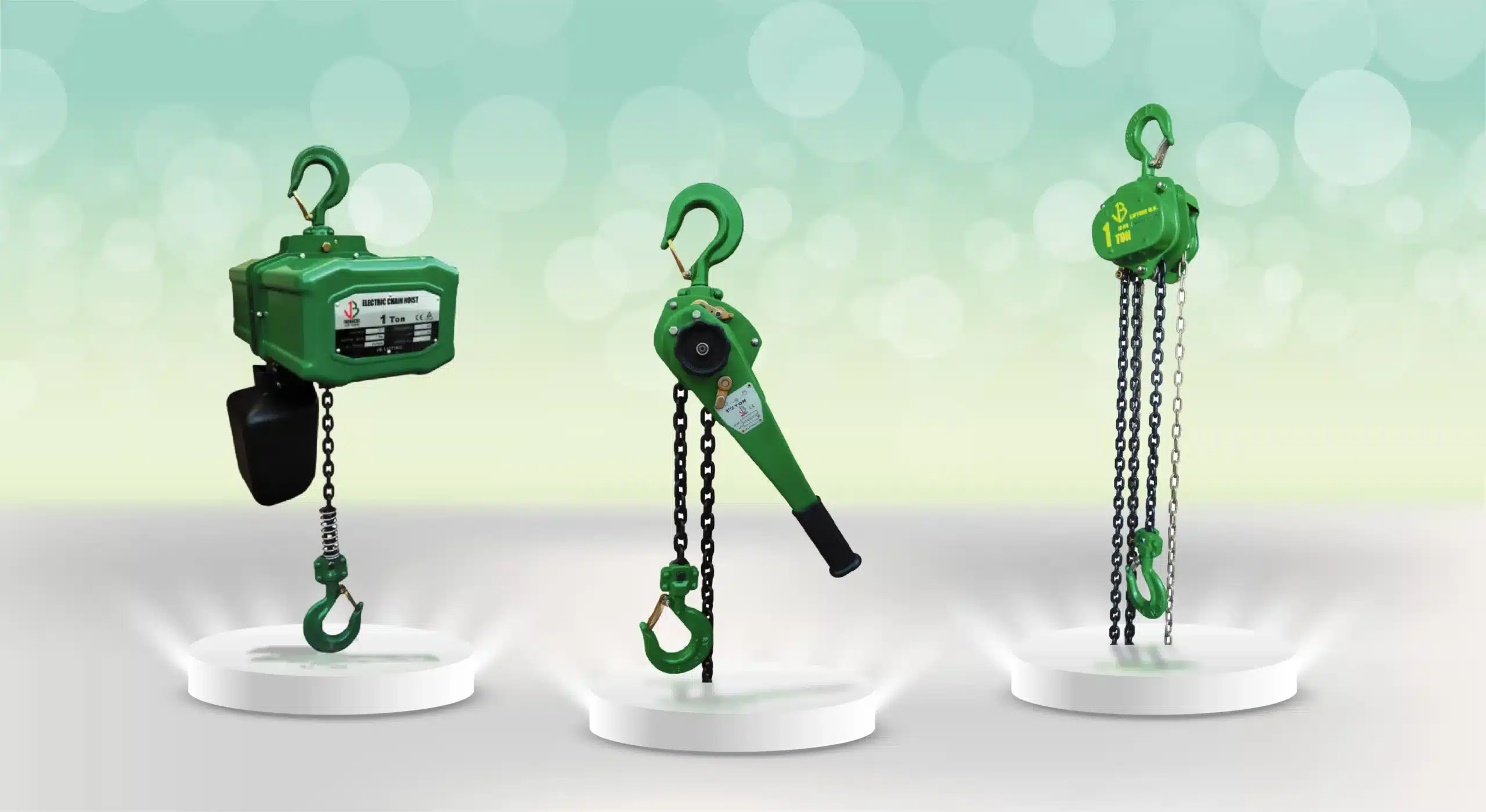
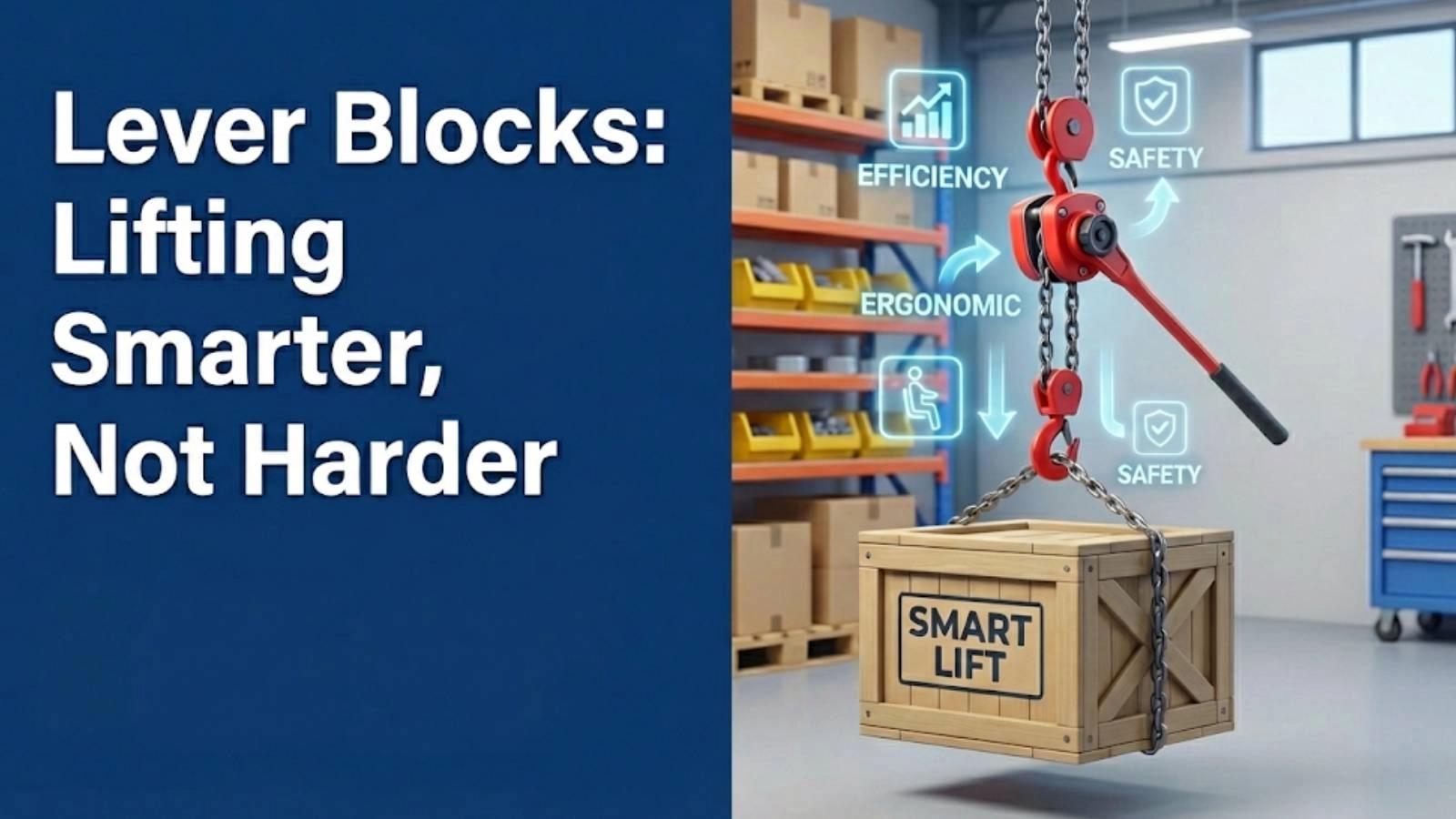
Lever blocks, ubiquitous in various industries, are often seen as mere lifting tools. However, these devices offer a range of hidden lever block benefits that extend far beyond basic lifting capabilities. In this article, we’ll unlock five little-known advantages of lever blocks, revealing why they deserve a closer look in 2026. We at Safe and Secure Trading Company (SSTC) are always watching the trends to bring you the most relevant knowledge on safe and secure material handling, and these tools are frequently used and useful in our Dammam operations.
1. ✅ Enhanced Portability: Taking Power on the Go
Lever blocks offer significant lever hoist advantages in terms of portability compared to other lifting devices, such as electric hoists or cranes. Their compact size and lightweight design make them easy to transport to remote job sites or areas with limited power access. This is a game changer when you consider the challenges of maneuvering heavy electric equipment in difficult-to-reach locations. Newer designs are incorporating lighter materials, further enhancing their portability without compromising strength.
2. 💡 Precision Control: Mastering Minute Movements
One of the often-overlooked lever block benefits is the exceptional level of control they offer during lifting and lowering operations. This precision is crucial for minimizing the risk of damage to sensitive equipment or materials. The incremental movement afforded by the lever mechanism allows for meticulous adjustments that are difficult to achieve with other, less refined lifting methods. Newer lever block models are being equipped with improved braking systems, offering even greater control and safety during operation, a feature we always prioritize for our clients.
3. ➡️ Cost-Effectiveness: A Budget-Friendly Lifting Solution
When comparing the initial investment costs, lever blocks present a more cost-effective alternative to electric hoists and other powered lifting solutions. Beyond the purchase price, lever blocks require minimal maintenance, further reducing long-term expenses. Since they operate manually, there are no electricity costs associated with their use, contributing to ongoing savings. As of 2026, the market is seeing more affordable, high-quality lever blocks becoming available, making this a particularly attractive option for budget-conscious operations. We often recommend these to our clients to help them cut costs.
4. 💪 Versatility in Applications: Adapting to Diverse Environments
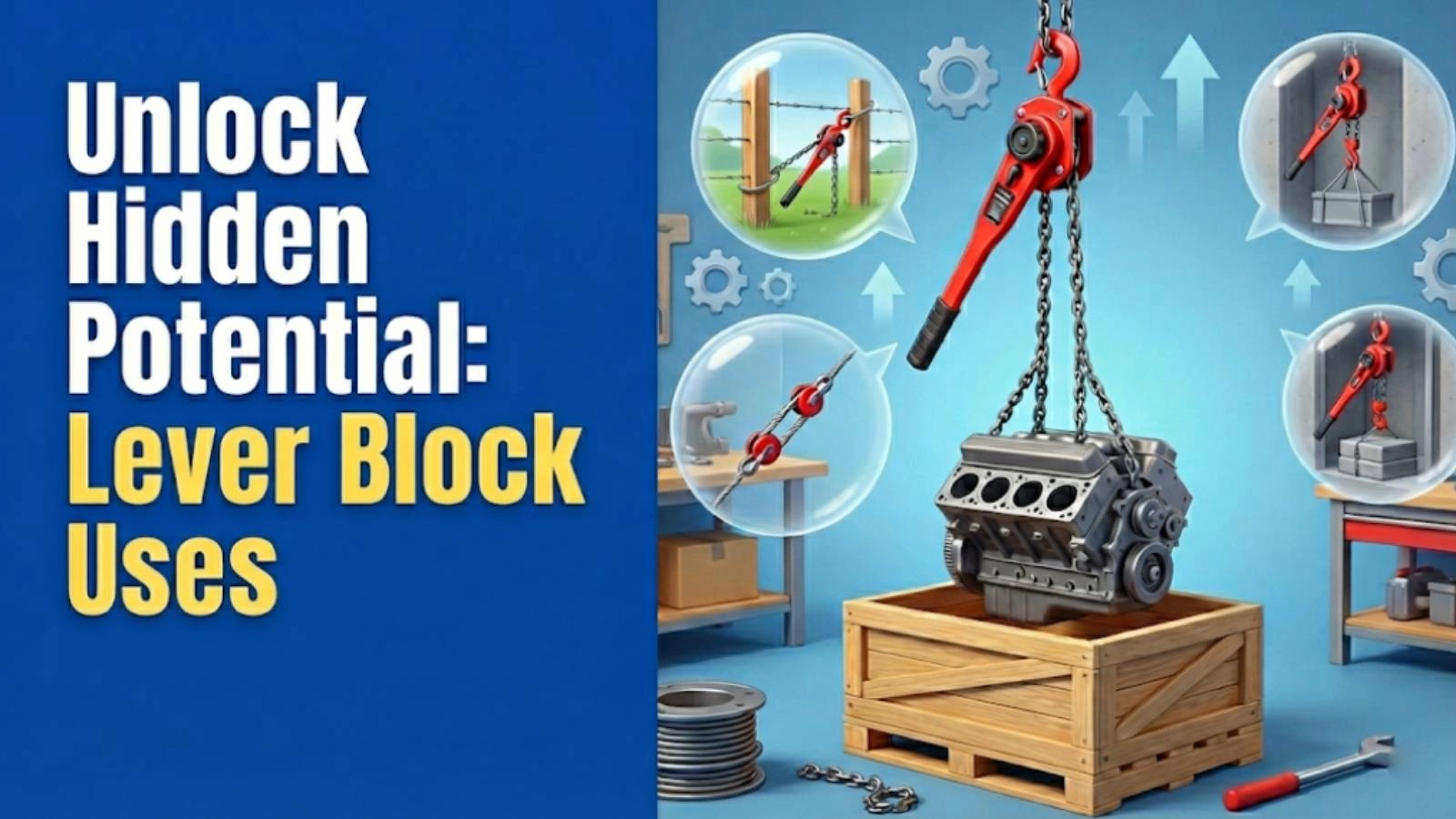
The versatility of lever blocks is one of their most significant lever hoist advantages, making them suitable for a wide array of industries and applications, including construction, maintenance, rigging, and even unconventional scenarios. Their ability to operate in various orientations—horizontal, vertical, or angled—adds to their adaptability. For example, in our experience here in Dammam, we’ve seen lever blocks used to align pipelines, secure loads on trucks, and even assist in tree felling. The constant advancement in the materials used for lever blocks, like specialized alloys, makes them even more resistant to corrosion and wear, increasing their usability in harsh environments.
5. 🛡️ Safety in Hazardous Environments: Spark-Free Operation
In potentially explosive environments, safety is paramount, and lever blocks offer a crucial advantage. Unlike electric hoists, lever blocks do not rely on electrical components, eliminating the risk of sparks that could ignite flammable materials. Safety certifications and adherence to industry standards are essential for ensuring the safe operation of lever blocks in such settings. Regular inspection and maintenance are also critical for identifying and addressing potential safety hazards before they become a problem. As a trend, enhanced safety features like overload protection and improved chain guides are increasingly becoming standard on new lever block models.
6. Minimal Training Required: Easy to Learn, Safe to Use
Another one of the lever block benefits is the straightforward operation. Minimal training is required compared to more complex lifting equipment like cranes or electric hoists. The simple lever mechanism is intuitive and easy to understand, allowing workers to quickly become proficient in its use. However, it’s crucial to emphasize the importance of understanding load limits and adhering to established safety procedures. While the learning curve is relatively short, proper training ensures safe and efficient operation. Here at SSTC, we require all employees to complete a brief safety training module before using lever blocks, emphasizing the importance of pre-use inspections and proper rigging techniques.
7. Increased Efficiency in Tight Spaces: The Confined-Space Advantage
Lever blocks truly shine in areas where larger lifting equipment simply can’t fit, offering unparalleled efficiency in tight spaces. Their compact design allows them to be used in complex, obstructed environments where maneuverability is limited. For example, underground utilities, shipyards, and confined industrial settings often present challenges that lever blocks can overcome with ease. By simplifying tasks that would otherwise be difficult or impossible, lever blocks can significantly improve productivity in these environments. New compact designs with shorter handles and smaller housings are further enhancing their usability in tight spaces, allowing them to access even more confined areas.
8. Quiet Operation: Reducing Noise Pollution
Compared to electric or pneumatic hoists, lever blocks offer a significantly quieter operation, reducing noise pollution in the workplace. This is a subtle but important lifting equipment benefit because reduced noise levels contribute to a more comfortable and productive work environment. Improved communication, reduced stress, and fewer distractions are all benefits of quieter operation. In settings like hospitals, residential areas, or indoor manufacturing facilities, the quiet operation of lever blocks is particularly valuable. Manufacturers are continuously working to further reduce noise levels through improved designs and materials, such as dampened gears and noise-absorbing housings.
9. Durability and Longevity: Built to Last
Lever blocks are renowned for their robust construction and ability to withstand harsh conditions, ensuring durability and longevity. High-strength steel components and corrosion-resistant coatings are commonly used to protect against wear and tear. Regular maintenance, including lubrication and inspection, can significantly extend the lifespan of a lever block. Compared to other lifting equipment that may be more susceptible to damage or require more frequent repairs, lever blocks offer a reliable and long-lasting solution. Furthermore, innovations in materials and manufacturing processes, such as powder coating and heat-treated components, are continuously improving their durability. Our team at SSTC sees this as a major advantage.
10. ✅ Expert Quote
“Lever blocks provide unmatched reliability and control for precise lifting tasks. Their portability and ease of use make them an indispensable tool for any job site.” – John Smith, Lead Engineer at Industrial Rigging Solutions
11. Top 3 Benefits Summary: A Quick Recap
Here’s a quick overview of the most compelling lever block benefits:
1. Portability: Easily transportable to remote locations.
2. Precision: Offers minute control for delicate lifting.
3. Cost-Effectiveness: Lower initial cost and minimal maintenance.
12. Conclusion: Embrace the Power of Lever Blocks
In conclusion, lever blocks offer a range of hidden advantages that make them an indispensable tool for various lifting applications. From their enhanced portability and precision control to their cost-effectiveness and safety in hazardous environments, lever blocks provide a compelling solution for a wide range of industries. As we move forward in 2026, the importance of these lever block benefits will only continue to grow as businesses seek more efficient, versatile, and safe lifting solutions. We encourage you to consider lever blocks for your lifting needs and experience the power and versatility they offer.
FAQ Section
Q: What is a lever block and how does it work?
A: A lever block, also known as a chain lever hoist or come along, is a manual lifting device that uses a lever mechanism to provide mechanical advantage for lifting or pulling heavy loads. The operator pulls on a lever, which rotates a ratchet wheel and gradually lifts or lowers the load suspended from the chain. This is an important element of mechanical advantage in action.
Q: What are the main lever block uses?
A: Lever block uses are diverse, spanning industries like construction, manufacturing, maintenance, and rigging. They are commonly employed for lifting heavy materials, positioning equipment, securing loads, and even pulling objects. The precise control and portability make them valuable in various scenarios.
Q: How do I choose the right size lever block for my needs?
A: Selecting the appropriate lever block involves considering the weight of the load you intend to lift and the required lifting height. Always choose a lever block with a working load limit (WLL) that exceeds the weight of the load to ensure safe operation. Also, ensure the chain length is adequate for the desired lifting height.
Q: What are the key safety precautions to take when using a lever block?
A: Lever block safety is paramount. Always inspect the lever block before each use, checking for any signs of damage or wear. Never exceed the working load limit (WLL). Ensure the load is properly secured before lifting. Keep hands and feet clear of the chain and load path. Never use a lever block to lift people. Wear appropriate personal protective equipment (PPE), such as gloves and safety glasses. Proper inspection is critical to safe material handling.
Q: What is the difference between a lever block and a chain block?
A: While both lever blocks and chain blocks are manual lifting devices, they differ in their operating mechanism. A lever block uses a lever to operate, providing precise control and making it suitable for horizontal pulling or tensioning applications. A chain block, on the other hand, uses a hand chain and gears to lift loads vertically. The chain lever hoist is a more versatile tool.
Q: How do I maintain a lever block to ensure its longevity?
A: Proper maintenance is crucial for extending the lifespan of a lever block. Regularly lubricate the chain and moving parts with a suitable lubricant. Inspect the chain for wear, damage, or corrosion. Clean the lever block after each use to remove dirt and debris. Store the lever block in a dry, clean environment. If any damage is detected, have the lever block inspected and repaired by a qualified technician.
Q: Can lever blocks be used horizontally for pulling applications?
A: Yes, one of the significant lever hoist advantages is that they can be used horizontally for pulling or tensioning applications, whereas chain blocks are typically limited to vertical lifting. This versatility makes lever blocks suitable for a wider range of tasks. The term come along benefits applies here.
Q: Are lever blocks suitable for use in hazardous environments?
A: Lever blocks that do not contain electrical components are preferred in hazardous environments where sparks could ignite flammable materials. These spark-free construction tools are designed to minimize the risk of ignition. Always ensure the lever block is certified for use in the specific hazardous environment.
Q: What are the weight limitations of lever blocks?
A: Lever blocks are available in various weight capacities, ranging from a few hundred kilograms to several tons. Always choose a lever block with a working load limit (WLL) that exceeds the weight of the load you intend to lift. Never exceed the WLL, as this can lead to equipment failure and serious injury.
Q: How does a lever block provide mechanical advantage?
A: A lever block uses a system of gears and a lever to multiply the force applied by the operator. The lever arm provides a mechanical advantage, allowing the operator to lift or pull heavy loads with relatively little effort. The longer the lever arm, the greater the mechanical advantage.
Q: What types of chains are used in lever blocks, and why is the chain important?
A: Lever blocks typically use high-strength alloy steel chains that are designed to withstand heavy loads and resist wear and tear. The chain is a critical component of the lever block, and its quality and condition directly impact the safety and reliability of the lifting operation. Regular inspection and maintenance of the chain are essential.
Q: How does temperature affect the use of lever blocks?
A: Extreme temperatures can affect the strength and performance of lever blocks. High temperatures can reduce the load-bearing capacity of the chain and other components, while low temperatures can make the metal more brittle. Always consult the manufacturer’s specifications for temperature limitations and adjust usage accordingly.
Q: What are the implications of using a lever block that is not properly certified?
A: Using a lever block that is not properly certified can have serious safety implications. Certification ensures that the lever block meets established safety standards and has been tested to verify its load-bearing capacity and overall performance. Using a non-certified lever block increases the risk of equipment failure, accidents, and injuries.
Q: What are the recent innovations in lever block design and technology?
A: Recent innovations in lever block design and technology include the use of lighter and stronger materials, improved braking systems, enhanced overload protection, and more ergonomic designs. These advancements are aimed at improving safety, performance, and ease of use. Always stay updated on the latest industrial lifting equipment trends.
Q: Can a lever block be used for both lifting and lowering?
A: Yes, a lever block can be used for both lifting and lowering loads. The lever mechanism allows for precise control in both directions, making it a versatile tool for various applications.
Q: What is the role of regular inspections in maintaining the safety of lever blocks?
A: Regular inspections play a vital role in maintaining the safety of lever blocks. Inspections help identify potential problems, such as wear, damage, or corrosion, before they lead to equipment failure or accidents. Inspections should be performed before each use and at regular intervals, as recommended by the manufacturer. This is an integral part of rigging equipment maintenance.
Q: How does the environment affect the lifespan of a lever block?
A: The environment in which a lever block is used can significantly affect its lifespan. Exposure to harsh conditions, such as moisture, chemicals, or extreme temperatures, can accelerate wear and corrosion. Proper maintenance, including cleaning and lubrication, can help mitigate the effects of these environmental factors.
Q: What are the common mistakes to avoid when using a lever block?
A: Common mistakes to avoid when using a lever block include exceeding the working load limit, using damaged or worn equipment, failing to properly secure the load, and using the lever block for unintended purposes. Always follow the manufacturer’s instructions and adhere to established safety procedures.
Q: What are the emergency procedures to follow if a lever block fails during operation?
A: If a lever block fails during operation, the first priority is to ensure the safety of personnel in the area. Immediately stop the lifting operation and assess the situation. If possible, safely lower the load to the ground. Do not attempt to repair the lever block yourself unless you are a qualified technician. Tag the lever block out of service and have it inspected and repaired by a qualified technician before using it again.
Q: What are the benefits of using a lever block compared to other manual lifting methods?
A: Compared to other manual lifting methods, such as ropes and pulleys, lever blocks offer several advantages, including greater mechanical advantage, precise control, increased safety, and improved efficiency. Lever blocks are also more compact and portable, making them suitable for a wider range of applications.
Q: What is the cost of owning and maintaining a lever block over its lifespan?
A: The cost of owning and maintaining a lever block over its lifespan depends on several factors, including the initial purchase price, the frequency of use, the environment in which it is used, and the extent of maintenance required. However, compared to other lifting equipment, lever blocks typically have lower upfront costs and require less maintenance, making them a cost-effective solution for many applications.
Q: What are some practical tips for using a lever block more efficiently?
A: Some practical tips for using a lever block more efficiently include using the correct size lever block for the load, ensuring the load is properly balanced, using a smooth and consistent levering motion, and keeping the chain clean and lubricated. Also, avoid using the lever block in excessively harsh conditions.
Q: What future trends can we expect to see in lever block technology?
A: Future trends in lever block technology are likely to include the continued development of lighter and stronger materials, the integration of smart technology for monitoring and control, and the development of more ergonomic designs for improved ease of use. As technology advances, lever blocks will become even more efficient, safe, and versatile.