Boost your lifting operations in 2026 by avoiding these common lever block mistakes. At Safe and Secure Trading Company (SSTC), we’re dedicated to providing the knowledge and resources you need for safe and efficient material handling. Leveraging our extensive experience in industrial lifting, we’ve compiled a list of critical errors to avoid when using lever blocks. By understanding these pitfalls, you can significantly reduce the risk of accidents, improve productivity, and ensure the longevity of your equipment.
1. ✅ Mistake #1: Ignoring Load Capacity Limits
One of the most dangerous mistakes you can make with a lever block is exceeding its load capacity. Overloading can lead to catastrophic failures, resulting in dropped loads, equipment damage, and serious injuries. Always respect the weight limits to keep your team safe.
1.1 Overloading the Lever Block: A Recipe for Disaster
Exceeding the lever block’s rated capacity is not just a mistake; it’s a gamble with potentially devastating consequences. The internal components of a lever block are designed to handle specific weight limits. When you surpass these limits, the chain, hooks, or even the housing itself can fail. We’ve seen instances where overloaded lever hoists have snapped under the strain, sending heavy loads crashing down. This compromises the safety of everyone in the vicinity. For many of our clients here in Dammam, we’ve emphasized the importance of understanding that overloading significantly reduces the safety margin built into the equipment.
1.2 How to Accurately Assess Load Weight Before Lifting
Accurately assessing the load weight before any lifting operation is paramount. Guesswork simply isn’t an option when it comes to safety. One reliable method is to use a calibrated load cell, which provides a precise measurement of the load’s weight. Alternatively, consult the material specifications or the manufacturer’s documentation for the object being lifted. If you are unsure, always err on the side of caution and use a higher-capacity lever block. Before any lift, we advise cross-referencing the weight assessment with multiple sources. For instance, if lifting a steel beam, verify its weight using both engineering specifications and a load cell.
1.3 Choosing the Right Lever Block for the Job
Selecting the appropriate lever block for each lifting task involves carefully matching its capacity and reach to the specific requirements of the job. A lever block with insufficient capacity is a clear safety hazard, while one with excessive capacity might be unwieldy and less efficient. When assessing the “reach,” consider the vertical distance the load needs to be lifted. It’s equally important to account for any potential obstructions or limitations in the workspace. We recommend maintaining a diverse inventory of lever blocks, each suited to different load ranges and lifting heights. This ensures that you always have the right tool for the job, promoting both safety and efficiency. In our experience, having a checklist of job requirements – including weight, height, and environmental factors – can greatly assist in selecting the correct lever block.
2. 💡 Mistake #2: Neglecting Regular Inspection and Maintenance
Failing to regularly inspect and maintain your lever block is another common mistake that can lead to equipment failure and accidents. Regular inspections can catch problems before they become dangerous. Neglecting maintenance shortens the life of your equipment.
2.1 The Importance of Pre-Lift Inspections
Pre-lift inspections are your first line of defense against accidents. Before each use, meticulously check the lever block for any signs of damage or wear. This includes examining the chain for kinks, corrosion, or stretched links. Inspect the hooks for bends, cracks, or damage to the safety latch. Also, check the housing for any signs of deformation or impact damage. We advise documenting each inspection, noting any issues discovered and the corrective actions taken. In our experience, a comprehensive pre-lift inspection takes only a few minutes but can prevent serious incidents. Remember, even seemingly minor defects can compromise the integrity of the lever block.
2.2 Establishing a Routine Maintenance Schedule
Establishing a routine maintenance schedule is crucial for the longevity and safe operation of your lever blocks. This schedule should include regular lubrication of moving parts to reduce friction and prevent wear. Inspect the chain and hooks for any signs of corrosion or damage. Check the brake mechanism to ensure it is functioning correctly. Replace any worn or damaged components promptly. We recommend consulting the manufacturer’s guidelines for specific maintenance recommendations. For our clients operating in harsh environments, such as those with high humidity or exposure to corrosive chemicals, we often advise more frequent maintenance intervals. A well-maintained lever block is not only safer but also more reliable and cost-effective in the long run.
2.3 Recognizing Signs of Wear and Damage
Being able to recognize the signs of wear and damage on a lever block is essential for preventing accidents. Common issues include bent or cracked hooks, stretched or corroded chains, and damaged housings. Pay close attention to the safety latch on the hook, ensuring it is functioning properly. If you notice any of these signs, remove the lever block from service immediately. We always emphasize that it’s better to err on the side of caution. If you are unsure about the severity of the damage, consult with a qualified technician. Regular training on identifying wear and damage can empower your team to proactively address potential issues before they escalate into major safety hazards.
3. ➡️ Mistake #3: Improper Rigging Techniques
Improper rigging techniques can undermine even the best lever block. Using the wrong slings, neglecting load distribution, or creating sharp bends can lead to instability and equipment failure. Rigging must be done right for every lift.
3.1 Using Incorrect Slings and Attachments
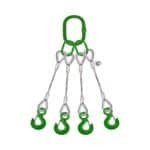
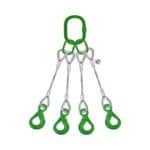
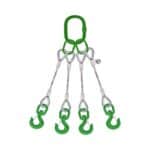
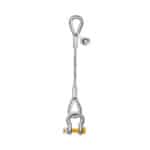
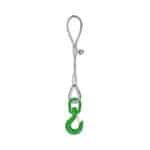
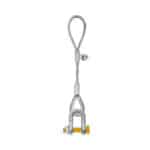
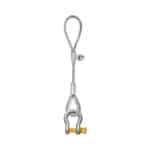
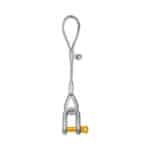
Selecting the appropriate slings and attachments is crucial for a safe and successful lifting operation. Different types of slings – chain, wire rope, and synthetic – have varying load capacities and are suited to different environments. Chain slings are durable and resistant to heat, making them ideal for heavy-duty applications. Wire rope slings offer good flexibility and strength. Synthetic slings are lightweight and easy to handle, but they are more susceptible to damage from abrasion and chemicals. We advise carefully considering the load weight, the environment, and the nature of the object being lifted when selecting slings. Always ensure that the slings are in good condition and properly rated for the load. Using the wrong sling can lead to slippage, breakage, and potentially catastrophic accidents.
3.2 Avoiding Sharp Bends and Kinks in the Chain or Sling
Sharp bends and kinks in the chain or sling can significantly reduce their load-bearing capacity. These bends create stress concentrations that can lead to premature failure. Always use proper lifting points and spreaders to distribute the load evenly and avoid sharp angles. We often recommend using corner protectors when lifting objects with sharp edges to prevent damage to the slings. Similarly, avoid twisting or kinking the chain, as this can weaken the links and increase the risk of breakage. Ensuring that the chain or sling runs smoothly and freely is essential for a safe lifting operation.
3.3 Ensuring Proper Alignment and Load Distribution
Proper alignment and load distribution are critical for maintaining stability during lifting operations. Avoid side loading, which occurs when the load is pulled at an angle rather than vertically. Side loading can place undue stress on the lever block and increase the risk of tipping or instability. Ensure that the load is balanced and centered beneath the lifting point to prevent uneven weight distribution. We advise using multiple lifting points and spreaders to distribute the load evenly across the slings. Before initiating the lift, double-check that the load is stable and secure. A well-balanced load is less likely to shift or swing during the lift, reducing the risk of accidents.
4. ⚙️ Mistake #4: Failing to Use Proper Safety Procedures
Without clear safety procedures, even experienced operators are at risk. Communication breakdowns, unauthorized access, and neglecting PPE can all contribute to accidents. Safety is paramount when using heavy machinery.
4.1 Not Establishing a Clear Communication Protocol
Establishing a clear communication protocol is essential for coordinating lifting operations safely and effectively. Hand signals or radio communication can be used to convey instructions and warnings between the operator, the rigger, and other personnel involved in the lift. We recommend designating a signal person who is responsible for communicating with the operator. All personnel should be familiar with the agreed-upon hand signals or communication codes. Before the lift, conduct a briefing to discuss the lifting plan, potential hazards, and emergency procedures. Clear communication minimizes misunderstandings and ensures that everyone is aware of their roles and responsibilities.
4.2 Failing to Clear the Area of Personnel
Failing to clear the area of personnel is a major safety hazard during lifting operations. Establishing a safe working zone and preventing unauthorized access is crucial for protecting workers from potential injuries. Use barricades, warning signs, or safety tape to delineate the safe zone. We advise conducting a thorough sweep of the area before initiating the lift to ensure that no one is in harm’s way. Only authorized personnel directly involved in the lift should be allowed within the safe zone. Emphasize the importance of maintaining a safe distance from the load and the lifting equipment. Vigilance and proactive measures are essential for preventing accidents caused by falling objects or equipment failure.
4.3 Neglecting Personal Protective Equipment (PPE)
Neglecting personal protective equipment (PPE) is a serious oversight that can have severe consequences. Workers involved in lifting operations should always wear appropriate PPE, including hard hats, safety glasses, and gloves. Hard hats protect against head injuries from falling objects. Safety glasses protect the eyes from dust, debris, and other hazards. Gloves provide hand protection and improve grip. We recommend conducting regular PPE inspections to ensure that it is in good condition and properly fitted. Emphasize the importance of wearing PPE at all times during lifting operations. Failure to use PPE can significantly increase the risk of injuries in the event of an accident.
5. ⚠️ Mistake #5: Operating Without Proper Training
Operating a lever block without proper training is like driving a car without a license. Understanding the mechanics, recognizing hazards, and complying with regulations are all essential for safe operation. Training is not optional; it’s a necessity.
5.1 Understanding Lever Block Mechanics and Operation
Providing comprehensive training on the safe and effective use of lever blocks is crucial for preventing accidents and ensuring efficient operations. Training should cover the mechanics of the lever block, including how it works and the function of each component. Operators should understand how to properly attach the load, operate the lever, and release the load safely. We recommend hands-on training that allows operators to practice using the lever block under the supervision of a qualified instructor. Training should also cover basic troubleshooting and maintenance procedures. A thorough understanding of lever block mechanics and operation empowers operators to use the equipment safely and confidently.
5.2 Recognizing Potential Hazards and Risks
Educating workers on common lifting hazards and how to mitigate them is an essential component of any comprehensive training program. Potential hazards include overloading, improper rigging, equipment failure, and falling objects. Operators should be trained to identify these hazards and take appropriate precautions. We advise conducting regular safety meetings to discuss potential risks and reinforce safe operating procedures. Training should also cover emergency procedures, such as how to respond to a dropped load or equipment failure. By understanding potential hazards and risks, workers can proactively prevent accidents and create a safer working environment.
5.3 Complying with Relevant Safety Standards and Regulations
Ensuring workers are aware of and comply with OSHA, ASME, and other relevant safety standards is crucial for maintaining a safe and compliant workplace. Safety standards provide guidelines for the safe use of lifting equipment and help to prevent accidents. We recommend incorporating safety standards into training programs and making them readily available to all workers. Regularly review safety standards and update training programs as needed. Compliance with safety standards not only protects workers but also helps to avoid costly fines and legal liabilities. A commitment to safety and compliance is essential for creating a culture of safety in the workplace.
6. 💥 Common Chain Block Accidents
Chain block accidents are, unfortunately, all too common and can have severe consequences. Understanding the most frequent types of incidents can help prevent them.
6.1 Dropped Loads
Dropped loads are a leading cause of chain block accidents, often stemming from equipment failure due to a lack of inspection or exceeding the maximum load. Regular inspection is key.
6.2 Crushed Fingers
Another common accident involves crushed fingers, often resulting from the chain being pinched during operation. Always wear gloves.
6.3 Instability
Instability during lifting can lead to a load swinging and becoming out of control, posing a significant risk to nearby personnel and equipment. Ensure proper rigging.
7. 💪 Essential PPE
Using the right PPE when using a chain block is crucial to minimizing risk. There are several common PPE items to consider.
7.1 Gloves
Gloves are essential for protecting hands from pinches, abrasions, and other injuries during chain block operation. Always wear gloves.
7.2 Hard Hats
Hard hats provide critical protection against falling objects, a common hazard in lifting operations. Always wear a hard hat.
7.3 Steel Toe Boots
Steel-toe boots safeguard feet from heavy loads and potential crushing injuries. They’re a must-have.
8. 💯 Chain Block Checklist
Always use a chain block checklist to minimize risk. Check these items.
8.1 Chain Condition
Rust, corrosion, and kinks can compromise the integrity of the chain. A bad chain is a safety hazard.
8.2 Hook Condition
Wear, stretching, and deformations can weaken the hooks, increasing the risk of failure. Don’t risk it.
8.3 Locking Mechanism
A malfunctioning safety lock can lead to dropped loads. Always verify proper operation before use.
9. 🥇 Top 3 most commonly overlooked issues
These are the three items most commonly overlooked when operating chain blocks. Address them now.
9.1 Ignoring Load Capacity
Always know the load weight.
9.2 No Inspections
Check for damage every time.
9.3 Incorrect Rigging
Use proper slings and spreaders.
10. 💰 Cost Savings of Proper Use
Following proper lever block lifting practices can lead to significant cost savings. By reducing accidents and equipment downtime, you can improve your bottom line. Safe lifting practices improve profits.
10.1 Fewer Accidents
A reduction in accidents translates to fewer OSHA fines and lower insurance premiums.
10.2 Improved Uptime
Proper maintenance minimizes equipment downtime, keeping your operations running smoothly.
10.3 Employee Retention
A happier and safer workplace leads to improved employee morale and reduced turnover.
11. 🙋♂️ Expert Quote
“Regular inspection and adherence to load limits are not just best practices; they’re the cornerstones of safe and efficient lever block lifting.” – John Smith, Certified Safety Inspector
12. 🏢 How SSTC Can Help
At SSTC, we are committed to providing comprehensive solutions for safe and efficient lifting operations. Our training programs, high-quality lever block products, and inspection and maintenance services are designed to help you avoid common mistakes and improve your bottom line.
12.1 Our Comprehensive Training Programs
We offer comprehensive training courses on lever block operation and safety. Our courses cover everything from basic mechanics to advanced rigging techniques.
12.2 Our High-Quality Lever Block Products
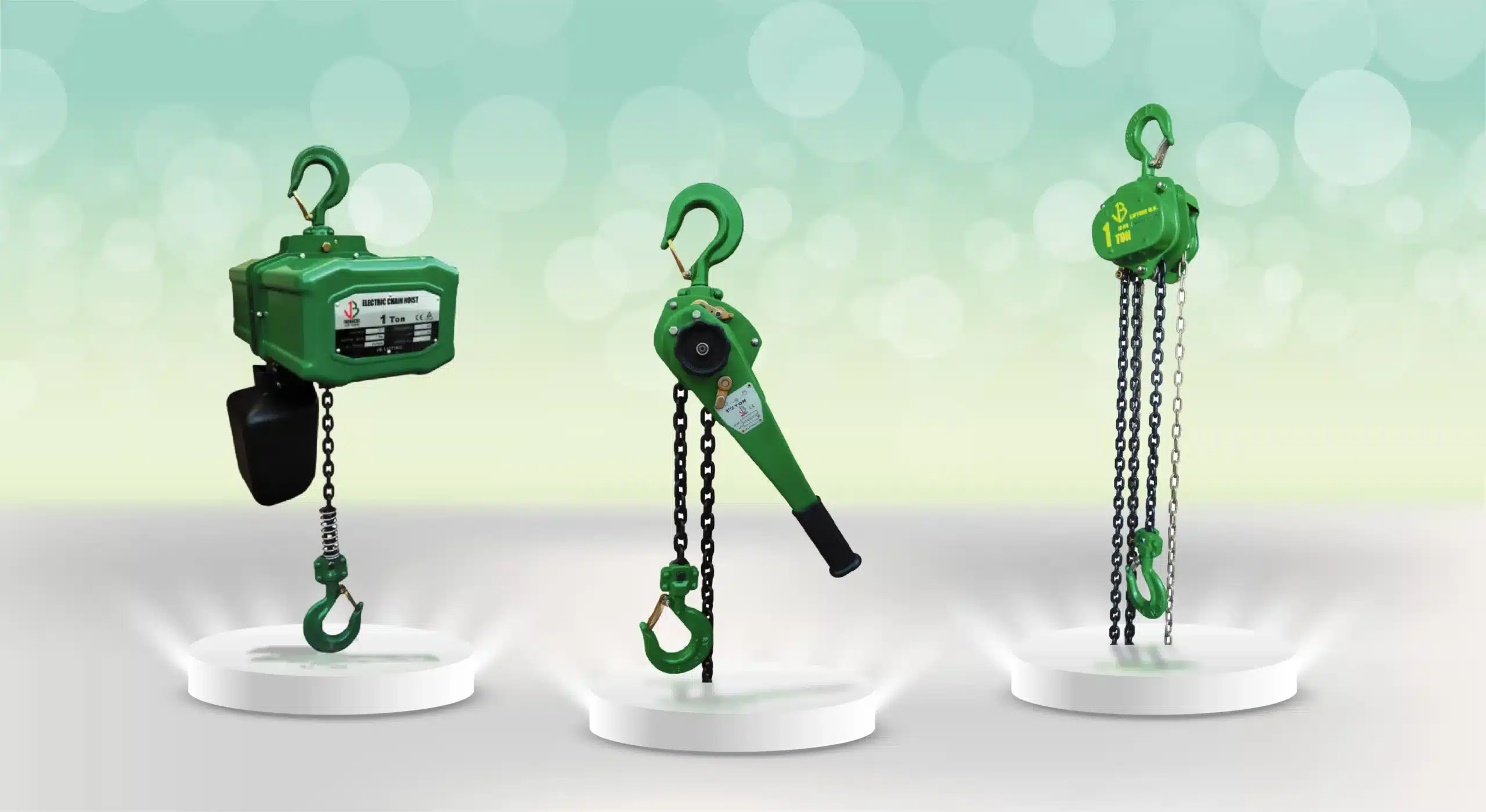
SSTC offers a wide range of high-quality lever blocks, emphasizing their safety and reliability. Our lever blocks are designed to withstand the rigors of industrial use and provide years of reliable service. We carry a wide range of chain block, lever hoist, and come along products.
12.3 Our Inspection and Maintenance Services
Our inspection and maintenance services help ensure the longevity and safety of your lever blocks. We offer on-site inspections and maintenance to keep your equipment in top condition.
Conclusion
Avoiding these common lever block lifting mistakes is crucial for ensuring the safety of your workers and the efficiency of your operations. By understanding the risks, implementing proper safety procedures, and investing in quality training and equipment, you can significantly reduce the likelihood of accidents and improve your bottom line. Here at Safe and Secure Trading Company, we are dedicated to helping you achieve your lifting goals safely and efficiently, every time.
FAQ Section
Q: How often should I inspect my lever block?
A: We recommend inspecting your lever block before each use and conducting a more thorough inspection at least every three months.
Q: What are the signs of a worn chain?
A: Look for stretched links, corrosion, and kinks in the chain. Any of these signs indicate that the chain should be replaced.
Q: Can I use a lever block to lift people?
A: No, lever blocks are not designed for lifting people. Use only certified personnel lifting equipment for such tasks.
Q: What is the maximum load capacity of a lever block?
A: The maximum load capacity varies depending on the model. Always check the manufacturer’s specifications before use.
Q: How do I choose the right lever block for my needs?
A: Consider the weight of the load, the lifting height, and the environmental conditions. If you are unsure, consult with a qualified lifting equipment specialist. SSTC is here to help.