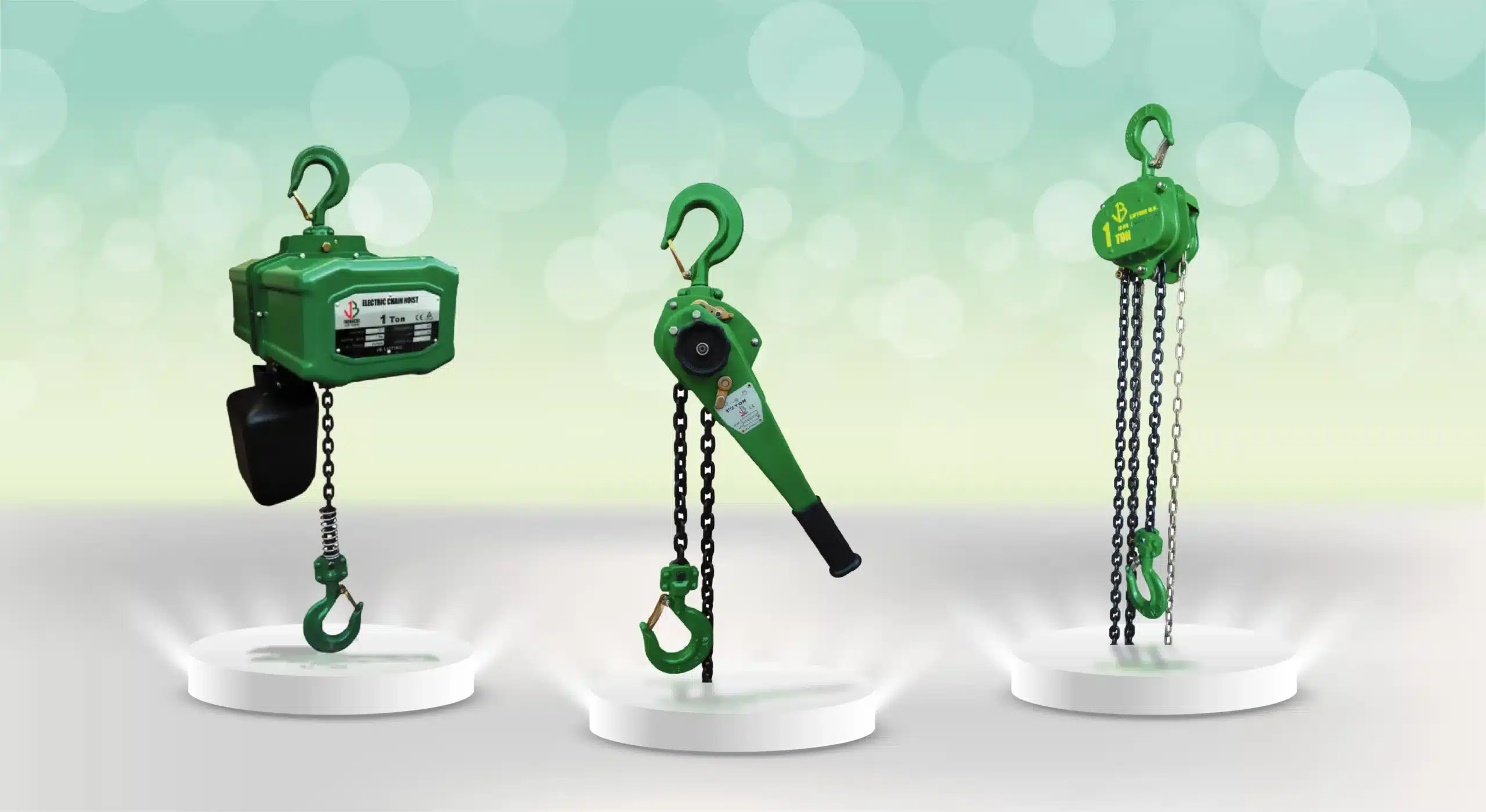
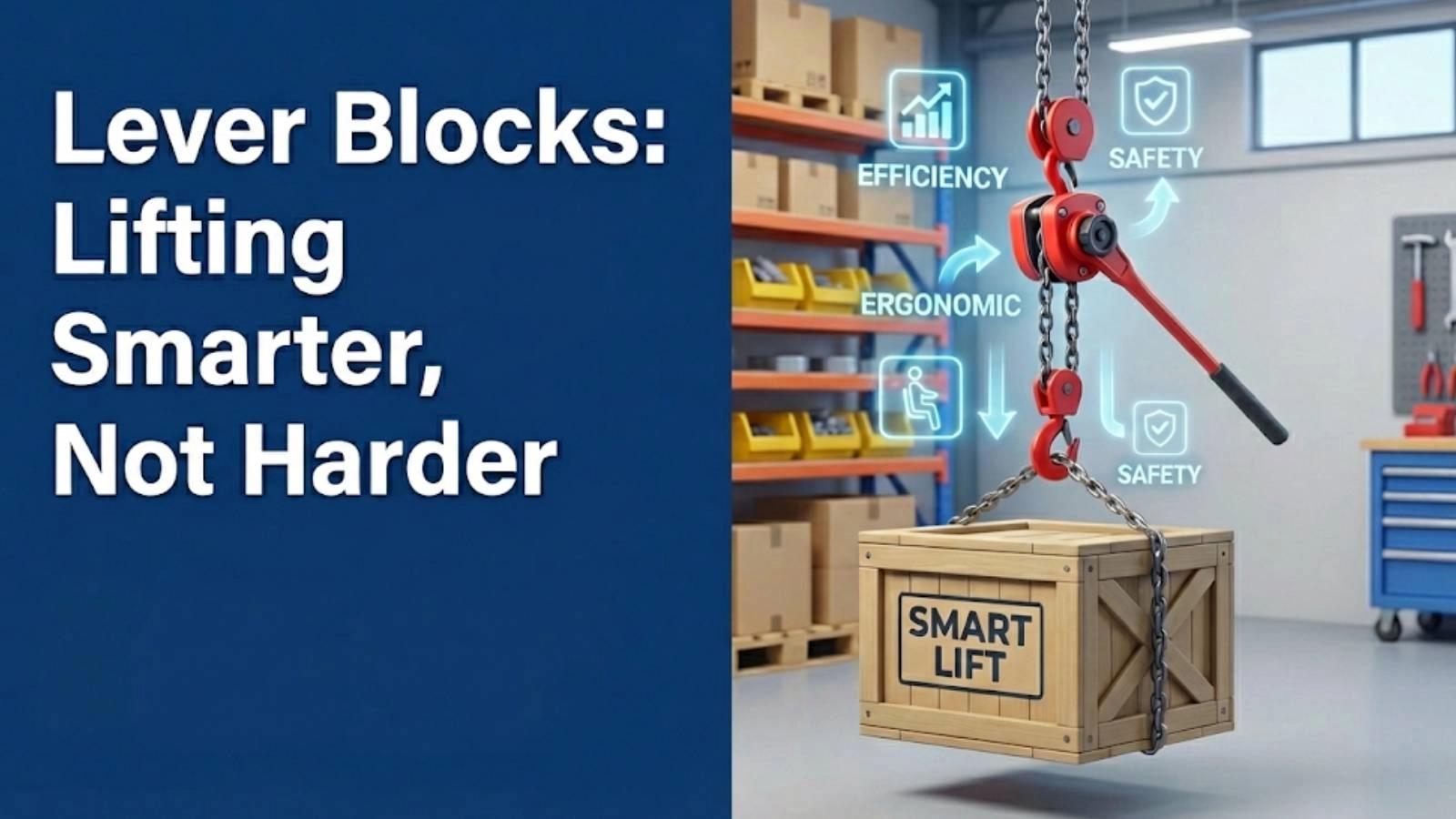
Lever blocks are the unsung heroes of many lifting operations, especially when working in tight spaces where cranes and other heavy machinery can’t maneuver. Their compact design and powerful mechanical advantage make them essential for achieving lever block precision in a wide range of applications. However, mastering their use requires understanding common pitfalls and implementing best practices.
Lever block precision is critical in various scenarios. Consider a construction site where a steel beam needs to be perfectly aligned for bolting. Or imagine a maintenance team inside a wind turbine nacelle, where a heavy gearbox component must be lifted and positioned with millimeter accuracy. In these situations, even a small error can lead to delays, damage, or, worse, accidents. Safe and Secure Trading Company understands these challenges.
This tutorial will guide you through common mistakes that compromise lever block precision and provide actionable strategies to maximize accuracy in your lifting operations. We’ll cover everything from pre-lift inspections to advanced lifting techniques, ensuring you can confidently and safely handle any lifting task.
Mistake #1: Neglecting Pre-Lift Inspection
A pre-lift inspection is the cornerstone of lever block precision and overall safety. Neglecting this crucial step can lead to equipment failure, inaccurate load positioning, and potentially dangerous situations. At Safe and Secure Trading Company, we emphasize that a thorough inspection is never a waste of time; it’s an investment in safety and efficiency.
Here’s a checklist of items to inspect:
- Chain: Look for signs of wear, corrosion, kinks, or damage to individual links. Measure the chain’s length to check for stretching, which indicates overload.
- Hooks: Inspect hooks for cracks, deformation, or wear at the load-bearing points. Ensure the safety latches are functioning correctly and securely engage the hook tip.
- Housing: Examine the lever block housing for any cracks, dents, or signs of damage that could compromise its structural integrity. Check that all bolts and fasteners are tight and secure.
- Lever and Operating Mechanism: Ensure the lever moves smoothly and engages the chain properly. Check for any signs of binding, slippage, or excessive wear.
- Load Limiter: If your lever block has a load limiter, verify that it is functioning correctly. This device is designed to prevent overloading and should be regularly tested.
The consequences of neglecting inspection can be severe. We once consulted on a case where a construction team, rushing to meet a deadline, skipped the pre-lift inspection. A crack in the hook, which would have been easily detected, went unnoticed. During the lift, the hook failed, causing the load to drop and narrowly missing a worker. This incident resulted in significant delays and could have had tragic consequences.
To implement a robust inspection protocol, we recommend:
- Training: Ensure all operators are thoroughly trained in lever block inspection procedures.
- Documentation: Use a checklist to document each inspection, noting any defects or issues.
- Frequency: Conduct inspections before each lift and periodically during extended operations.
- Replacement: Immediately remove any lever block from service if it fails inspection and replace any worn or damaged parts with manufacturer-approved components.
By prioritizing pre-lift inspections, you significantly reduce the risk of accidents and ensure lever block precision in all your lifting operations.
Mistake #2: Incorrectly Estimating Load Weight
Accurate load weight estimation is essential for lever block precision and safe lifting operations. Underestimating the weight can lead to overloading the lever block, causing it to fail. Overestimating, on the other hand, might lead to using unnecessarily large or complicated equipment, increasing setup time and complexity.
Several methods can be used to accurately determine load weight:
- Manufacturer’s Specifications: Check the manufacturer’s documentation for the item being lifted. This is often the most reliable source of weight information.
- Weighing: Use a calibrated scale or load cell to directly measure the weight of the load. This is particularly useful for irregularly shaped or unknown objects.
- Calculations: Calculate the weight based on the material and dimensions of the object. This method requires accurate knowledge of the material’s density.
- Experience: Experienced riggers and operators often develop a good sense of weight estimation based on their familiarity with different types of loads. However, this should always be verified with one of the more objective methods.
Load charts are crucial for safe lever block operation. These charts specify the maximum load capacity of the lever block at different lifting angles. Always refer to the load chart for your specific lever block model and ensure that the load weight does not exceed the rated capacity at the intended lifting configuration. Safety factors are incorporated into the load chart and represent the margin of safety built into the lever block’s design. Never exceed the load limit specified in the load chart.
Tools and technologies that aid in weight estimation include:
- Load Cells: These devices provide precise weight measurements and can be integrated into the lifting system for real-time load monitoring.
- Crane Scales: These scales are designed to be suspended from the lifting hook and provide an instant weight readout.
- Software Applications: Several software applications can assist in calculating the weight of objects based on their dimensions and material properties.
One of our clients in Dubai, a metal fabrication company, struggled with accurately estimating the weight of custom-built components. They often relied on rough estimates, leading to several near-miss incidents. After implementing a system that combined weighing with load cells and using manufacturer specifications whenever possible, they significantly improved safety and efficiency.
Mistake #3: Improper Sling Selection and Placement
Sling selection and placement play a critical role in achieving lever block precision. The wrong sling type or incorrect placement can lead to uneven load distribution, instability, and potential accidents. At Safe and Secure Trading Company, we emphasize choosing the right sling for the job and ensuring it is properly rigged.
The choice of sling material significantly impacts lever block precision. Common sling materials include:
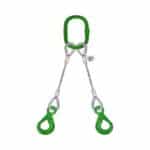
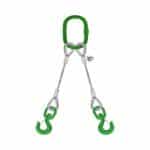
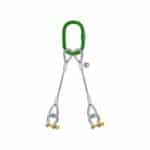
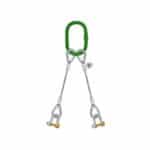
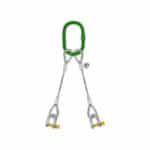
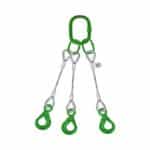
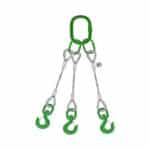
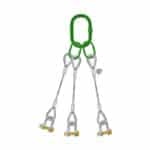
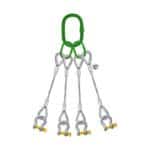
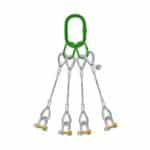
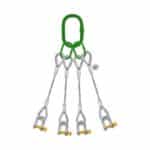
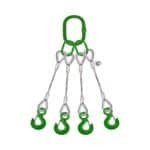
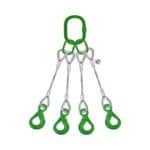
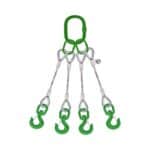
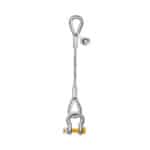
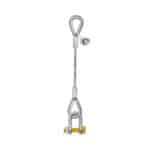
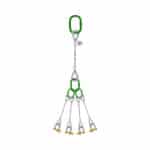
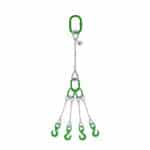
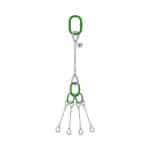
- Wire Rope Slings: These are strong and durable, suitable for heavy loads and abrasive environments. However, they can be less flexible than other options.
- Chain Slings: Chain slings are extremely strong and resistant to cutting and abrasion. They are ideal for high-temperature environments.
- Synthetic Slings: Synthetic slings (e.g., nylon or polyester) are lightweight, flexible, and easy to handle. They are suitable for delicate loads that need protection from scratches.
Sling angle considerations are critical for even load distribution. The angle between the sling legs and the horizontal affects the tension in each leg. As the angle increases, the tension in each sling leg also increases. This is because the vertical component of the tension must equal half of the load weight.
To demonstrate proper sling placement techniques:
1. Identify the Load’s Center of Gravity: Ensure the lifting point is directly above the center of gravity to prevent the load from tilting or swinging.
2. Use Equal Sling Lengths: When using multiple slings, ensure they are all the same length to distribute the load evenly.
3. Avoid Sharp Bends: Protect slings from sharp edges by using padding or edge protectors.
4. Secure the Load: Use appropriate rigging hardware (e.g., shackles, eye bolts) to securely attach the slings to the load and the lever block.
5. Double Check: Before lifting, double-check that all connections are secure and the slings are properly seated.
Improper sling use can have serious consequences. We encountered a situation where a team was lifting a large crate using two slings at a very wide angle. The increased tension on the slings exceeded their rated capacity, causing one sling to break. The crate shifted suddenly, nearly causing it to fall. This incident highlighted the importance of understanding sling angles and selecting slings with adequate capacity.
Mistake #4: Failing to Account for Chain Angle
Chain angle is a critical factor influencing lifting capacity and lever block precision. When the chain is not vertical, a portion of the lifting force is directed horizontally, reducing the effective lifting capacity and potentially causing instability. Safe and Secure Trading Company always reminds its clients to minimize chain angles for safe and efficient operations.
The “cosine effect” describes how chain angle affects the effective lifting capacity. The effective lifting capacity is equal to the rated capacity multiplied by the cosine of the angle between the chain and the vertical. As the angle increases, the cosine decreases, and the effective lifting capacity decreases.
Here’s how it works:
- At 0 degrees (vertical), the cosine is 1, so the effective lifting capacity is equal to the rated capacity.
- At 30 degrees, the cosine is approximately 0.866, so the effective lifting capacity is reduced to 86.6% of the rated capacity.
- At 45 degrees, the cosine is approximately 0.707, so the effective lifting capacity is reduced to 70.7% of the rated capacity.
- At 60 degrees, the cosine is 0.5, so the effective lifting capacity is reduced to 50% of the rated capacity.
To minimize chain angle:
- Position the Lever Block Directly Above the Load: This ensures the chain is vertical and minimizes the angle.
- Use a Spreader Bar: A spreader bar can be used to lift the load from multiple points, reducing the angle between the chain legs.
- Adjust the Lifting Points: If possible, adjust the lifting points on the load to minimize the chain angle.
Tools for measuring and correcting chain angles include:
- Inclinometers: These devices measure the angle of the chain relative to the vertical.
- Angle Finders: These tools can be used to quickly and accurately measure the chain angle.
- Laser Levels: Laser levels can be used to ensure the lever block is positioned directly above the load.
We once worked with a construction crew that was lifting a large steel plate using a lever block. They failed to account for the chain angle, which was approximately 45 degrees. As a result, the effective lifting capacity was significantly reduced, and the lever block was overloaded. Fortunately, the load limiter activated, preventing the lever block from failing. This incident highlighted the importance of understanding and accounting for chain angle.
Mistake #5: Overlooking Load Binding or Snagging
Load binding and snagging are common issues that can compromise lever block precision and safety. Recognizing and preventing these problems is essential for smooth and controlled lifting operations. Safe and Secure Trading Company emphasizes the importance of careful planning and execution to avoid these situations.
Load binding occurs when a load becomes আটকে(stuck) or jammed due to uneven weight distribution, friction, or interference with surrounding objects. Snagging occurs when the load becomes caught on an obstacle during lifting.
Techniques for freeing a bound load safely:
- Stop the Lift: Immediately stop the lift if you suspect the load is bound or snagged.
- Assess the Situation: Carefully assess the situation to determine the cause of the binding or snagging.
- Relieve the Tension: If possible, relieve the tension on the lever block by slightly lowering the load.
- Free the Load: Use appropriate tools or techniques to free the load. Avoid using excessive force, which could damage the load or the lifting equipment.
- Inspect the Equipment: After freeing the load, inspect the lever block and slings for any damage.
Tag lines are ropes attached to the load that are used to control its movement and prevent snags. They are particularly useful when lifting loads in confined spaces or around obstacles.
Best practices for maneuvering loads around obstacles:
- Plan the Lift: Carefully plan the lift route to avoid obstacles.
- Use Tag Lines: Use tag lines to guide the load around obstacles.
- Communicate: Maintain clear communication between the operator and the spotter.
- Slow and Steady: Lift the load slowly and steadily, making small adjustments as needed.
We worked with a demolition crew that was removing sections of a collapsed building. They were using a lever block to lift a large concrete slab when it became snagged on a piece of rebar. The operator, unaware of the snag, continued to apply tension to the lever block. The rebar suddenly snapped, causing the slab to swing violently. Fortunately, no one was injured, but the incident highlighted the importance of using tag lines and carefully maneuvering loads around obstacles.
Mistake #6: Jerky or Uncontrolled Movements
Jerky or uncontrolled movements during lever block operation can negatively impact lever block precision, potentially leading to load instability and safety hazards. Smooth, controlled movements are essential for accurate load positioning. Safe and Secure Trading Company advocates for proper training and technique to avoid these issues.
The negative impact of jerky movements on precision includes:
- Load Swing: Jerky movements can cause the load to swing, making it difficult to position accurately.
- Stress on Equipment: Sudden jolts can place excessive stress on the lever block and slings, increasing the risk of failure.
- Loss of Control: Uncontrolled movements can lead to a loss of control over the load, potentially causing it to collide with surrounding objects.
Techniques for smooth and controlled lever operation:
- Use a Steady Hand: Apply steady, even pressure to the lever. Avoid sudden or jerky movements.
- Maintain a Stable Stance: Maintain a stable stance to provide a solid base for operating the lever block.
- Focus on the Load: Keep your eyes on the load and anticipate its movements.
Incremental adjustments are crucial for precise positioning. Instead of trying to move the load to its final position in one large movement, use small, incremental adjustments to fine-tune its placement.
Communication between the operator and spotter is paramount. The spotter can provide valuable feedback to the operator, helping them to make accurate adjustments and avoid obstacles. Use clear and concise hand signals or radio communication.
We consulted on a project where a team was installing sensitive equipment in a cleanroom environment. The operator, lacking experience with lever blocks, made several jerky movements, causing the equipment to swing and nearly collide with a wall. The spotter quickly intervened, guiding the operator to make smoother adjustments and safely position the equipment. This incident underscored the importance of training and communication.
Mistake #7: Ignoring Environmental Factors
Environmental factors can significantly impact lever block precision and safety. Weather conditions such as wind, rain, and ice can affect the load, the operator, and the lifting equipment. Ignoring these factors can lead to accidents and damage. Safe and Secure Trading Company advises adjusting techniques and implementing appropriate safety measures for different environmental conditions.
The impact of weather conditions includes:
- Wind: Wind can cause the load to swing, making it difficult to control. Strong gusts can even overload the lever block.
- Rain: Rain can make surfaces slippery, increasing the risk of slips and falls. It can also corrode the lever block and slings.
- Ice: Ice can make surfaces even more slippery and can freeze the lever block’s moving parts.
Adjusting techniques for different environmental conditions:
- Wind: Reduce the lifting capacity in windy conditions. Use tag lines to control the load. Postpone the lift if the wind is too strong.
- Rain: Use non-slip footwear and gloves. Protect the lever block and slings from rain. Cover the load if necessary.
- Ice: Remove ice from surfaces before lifting. Use de-icing agents if necessary. Warm up the lever block before use.
Appropriate safety measures in harsh environments:
- Personal Protective Equipment (PPE): Use appropriate PPE, such as hard hats, safety glasses, gloves, and non-slip footwear.
- Fall Protection: Use fall protection equipment when working at heights.
- Communication: Maintain clear communication between the operator and the spotter.
- Lighting: Ensure adequate lighting, especially in dark or overcast conditions.
Specific considerations for marine or offshore environments:
- Corrosion Protection: Use lever blocks and slings that are specifically designed for marine environments and have corrosion-resistant coatings.
- Wave Action: Account for wave action when lifting loads from boats or platforms.
- Emergency Procedures: Establish clear emergency procedures in case of accidents.
We were involved in a project on an offshore oil platform where a team was using a lever block to lift equipment from a supply boat. The wind was strong, and the waves were high, making the lift extremely challenging. The operator, experienced in marine environments, used tag lines to control the load and made small, incremental adjustments to compensate for the wave action. The lift was completed safely and efficiently, thanks to careful planning and execution.
Mistake #8: Lack of Regular Maintenance
Regular maintenance is crucial for ensuring the long-term lever block precision and reliability. Neglecting maintenance can lead to premature wear, corrosion, and ultimately, equipment failure. Safe and Secure Trading Company strongly recommends establishing a regular maintenance program for all lever blocks.
Long-term precision depends on:
- Smooth Operation: Regular maintenance ensures that all moving parts are properly lubricated and free from corrosion, allowing for smooth and precise operation.
- Accurate Load Handling: Properly maintained lever blocks provide accurate load handling, reducing the risk of load swing and instability.
- Extended Lifespan: Regular maintenance extends the lifespan of the lever block, reducing the need for frequent replacements.
Lubrication guidelines for lever block components:
- Chains: Lubricate the chain regularly with a light oil or grease to prevent corrosion and reduce friction.
- Hooks: Lubricate the hook pivot points and safety latch mechanism.
- Lever Mechanism: Lubricate the lever pivot points and ratchet mechanism.
Inspection and replacement of worn parts:
- Chains: Inspect the chain for wear, corrosion, and damage. Replace the chain if any links are worn or damaged.
- Hooks: Inspect the hooks for cracks, deformation, and wear. Replace the hooks if they are damaged.
- Lever: Inspect the lever for cracks and deformation. Replace the lever if it is damaged.
- Load Limiter: Inspect the load limiter for proper functioning. Replace it if it is not working correctly.
Record-keeping practices for maintenance activities:
- Maintenance Log: Keep a detailed maintenance log for each lever block, recording all inspections, lubrication, and repairs.
- Inspection Dates: Record the dates of all inspections and the findings.
- Parts Replaced: Record the dates and details of all parts replaced.
- Service Provider: If using an external service provider, record their contact information and the services they performed.
We once visited a manufacturing plant where the lever blocks were used extensively but rarely maintained. The chains were rusty, the hooks were worn, and the lever mechanisms were stiff. As a result, the lever blocks were difficult to operate, and the lifts were often jerky and imprecise. After implementing a regular maintenance program, the plant significantly improved the reliability and precision of its lifting operations.
Mistake #9: Insufficient Training and Experience
Insufficient training and experience are significant contributors to accidents and errors when using lever blocks. Without proper knowledge and skills, operators may not be able to inspect the equipment correctly, operate it safely, or recognize potential hazards. Safe and Secure Trading Company believes that comprehensive training is essential for achieving lever block precision and ensuring safety.
Training plays a vital role in achieving lever block precision by:
- Providing Knowledge: Training provides operators with the knowledge they need to understand the principles of lever block operation, inspection, and maintenance.
- Developing Skills: Training helps operators develop the skills they need to operate the lever block safely and efficiently.
- Promoting Safety Awareness: Training promotes safety awareness and helps operators recognize and avoid potential hazards.
Essential training topics include:
- Inspection Procedures: How to inspect the lever block and slings for wear, corrosion, and damage.
- Operating Techniques: How to operate the lever block safely and efficiently, including techniques for smooth and controlled movements.
- Load Weight Estimation: How to accurately estimate the weight of the load.
- Sling Selection and Placement: How to select the correct slings and place them properly.
- Chain Angle Considerations: How to account for chain angle and its impact on lifting capacity.
- Load Binding and Snagging: How to recognize and prevent load binding and snagging.
- Environmental Factors: How to adjust techniques for different environmental conditions.
- Emergency Procedures: What to do in case of an accident.
Practical experience and supervision are crucial complements to formal training. Operators should be supervised by experienced personnel who can provide guidance and feedback.
Certification programs for lever block operators can demonstrate competency and commitment to safety. Several organizations offer certification programs that assess operators’ knowledge and skills.
We conducted a training program for a construction company that had experienced several near-miss incidents involving lever blocks. The training program covered all the essential topics and included hands-on practice. After the training, the company saw a significant reduction in accidents and errors, and the operators were able to operate the lever blocks with greater precision and confidence.
Advanced Techniques for Enhanced Precision
Beyond the basics, several advanced techniques can further enhance lever block precision for complex lifting operations. These techniques often involve combining lever blocks with other lifting equipment and implementing load monitoring systems. Safe and Secure Trading Company provides expert consultation on these advanced applications.
Using multiple lever blocks for complex lifts allows for:
- Load Distribution: Distributing the load evenly across multiple lifting points, reducing stress on individual lever blocks and slings.
- Increased Lifting Capacity: Increasing the overall lifting capacity by combining the capacity of multiple lever blocks.
- Precise Positioning: Achieving precise positioning by coordinating the movement of multiple lever blocks.
Implementing a load monitoring system for real-time feedback:
- Load Cells: Using load cells to measure the weight of the load and provide real-time feedback to the operator.
- Digital Displays: Displaying the load weight on a digital display for easy monitoring.
- Alarm Systems: Setting up alarm systems to alert the operator if the load exceeds the rated capacity.
Combining lever blocks with other lifting equipment:
- Cranes: Using lever blocks in conjunction with cranes to position loads in tight spaces.
- Hoists: Using lever blocks in conjunction with hoists to lift and lower loads vertically.
- Gantry Systems: Using lever blocks in conjunction with gantry systems to move loads horizontally.
Consider a case study where a team needed to install a large piece of equipment inside a confined space within a power plant. They used two lever blocks, each with a load cell, to lift and position the equipment. The load cells provided real-time feedback on the weight distribution, allowing the team to make precise adjustments and ensure the equipment was level. The project was completed safely and efficiently, thanks to the use of advanced techniques.
Here is an HTML table summarizing the best practices for achieving lever block precision:
| Best Practice |
Description |
Benefits |
| Pre-Lift Inspection |
Thoroughly inspect the lever block and slings before each lift. |
Reduces the risk of equipment failure and accidents. |
| Accurate Load Weight Estimation |
Use manufacturer’s specifications, weighing, or calculations to determine load weight. |
Prevents overloading and ensures safe lifting. |
| Proper Sling Selection and Placement |
Choose the right sling type and ensure it is properly rigged. |
Ensures even load distribution and stability. |
| Account for Chain Angle |
Minimize chain angle to maximize lifting capacity. |
Prevents overloading and ensures safe lifting. |
| Prevent Load Binding and Snagging |
Plan the lift carefully and use tag lines to control the load. |
Ensures smooth and controlled lifting. |
| Smooth and Controlled Movements |
Operate the lever block with smooth, even movements. |
Prevents load swing and instability. |
| Consider Environmental Factors |
Adjust techniques and implement safety measures for different weather conditions. |
Ensures safe lifting in all environments. |
| Regular Maintenance |
Establish a regular maintenance program for all lever blocks. |
Extends the lifespan of the equipment and ensures reliable operation. |
| Sufficient Training and Experience |
Provide operators with comprehensive training and supervision. |
Ensures safe and efficient operation. |
| Advanced Techniques |
Use multiple lever blocks, load monitoring systems, and other lifting equipment for complex lifts. |
Enhances precision and safety for challenging operations. |
> “Lever blocks, when used with precision, are invaluable tools for any rigger. They allow for controlled movement of heavy loads in situations where space is limited. Proper training and consistent maintenance are key to their safe and effective use.” – John Smith, Lead Safety Inspector
Conclusion: Mastering Lever Block Precision
We’ve covered the most common mistakes that compromise lever block precision, from neglecting pre-lift inspections to ignoring environmental factors. By avoiding these pitfalls and implementing the best practices we’ve outlined, you can significantly enhance the accuracy and safety of your lifting operations.
Remember, lever block precision is not just about lifting heavy objects; it’s about ensuring the safety of your team and the integrity of your equipment. By prioritizing training, maintenance, and careful planning, you can master the art of lever block operation and achieve consistently accurate results.
With this knowledge, you are well-equipped to tackle any lifting challenge with confidence. We at Safe and Secure Trading Company are committed to providing you with the highest quality equipment and expert guidance.
FAQ Section
Q: How often should I inspect my lever block?
A: You should inspect your lever block before each use and periodically during extended operations. More frequent inspections may be required in harsh environments or when lifting heavy loads.
Q: What are the signs of a worn or damaged chain?
A: Signs of a worn or damaged chain include:
- Wear or corrosion on individual links
- Stretching of the chain
- Kinks or bends in the chain
- Cracks or breaks in the links
Q: Can I use a lever block that has exceeded its rated capacity?
A: Never use a lever block that has exceeded its rated capacity. Overloading can cause the lever block to fail, leading to accidents and injuries.
Q: How do I lubricate my lever block?
A: Lubricate the chain, hooks, and lever mechanism with a light oil or grease. Consult the manufacturer’s instructions for specific lubrication recommendations.
Q: What type of sling should I use for a particular load?
A: The type of sling you should use depends on the weight, shape, and material of the load, as well as the environmental conditions. Common sling materials include wire rope, chain, and synthetic. Consult a rigging expert if you are unsure which type of sling to use.
Q: What is the maximum chain angle I should allow?
A: The chain angle should be minimized as much as possible. As a general rule, the chain angle should not exceed 45 degrees.
Q: How do I prevent load binding and snagging?
A: Plan the lift carefully, use tag lines to control the load, and communicate clearly between the operator and the spotter.
Q: What should I do if my lever block is exposed to rain or snow?
A: Protect the lever block from rain and snow as much as possible. If the lever block is exposed to moisture, dry it thoroughly and lubricate it to prevent corrosion.
Q: How do I store my lever block when it is not in use?
A: Store your lever block in a clean, dry place. Protect it from moisture, dust, and extreme temperatures.
Q: Where can I find more information on lever block safety and operation?
A: You can find more information on lever block safety and operation from several sources, including:
- The manufacturer’s instructions
- Industry associations
- Safety training programs
- Consulting with a rigging expert