Lever Block Safety: Spot Hazards Now!
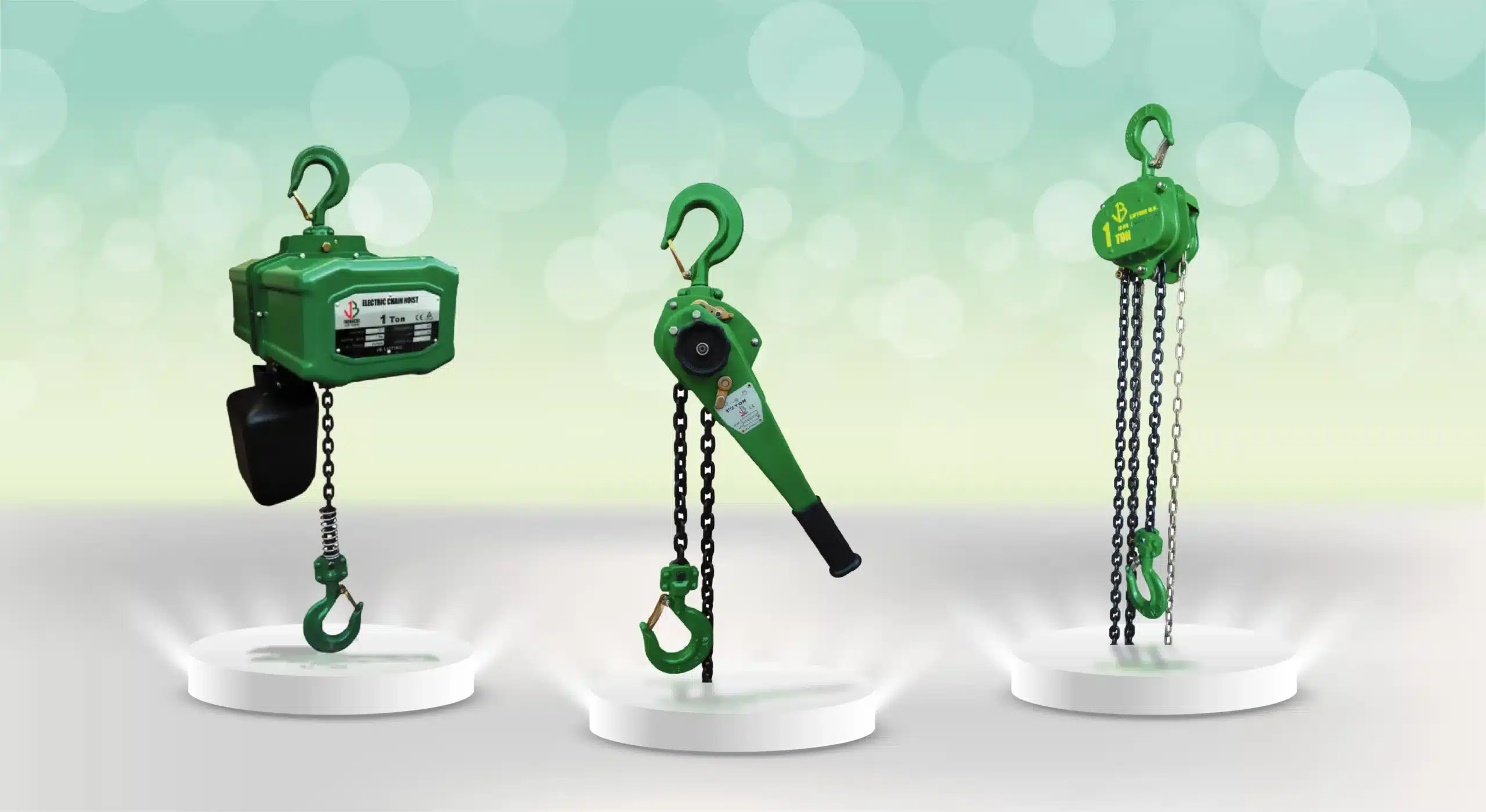
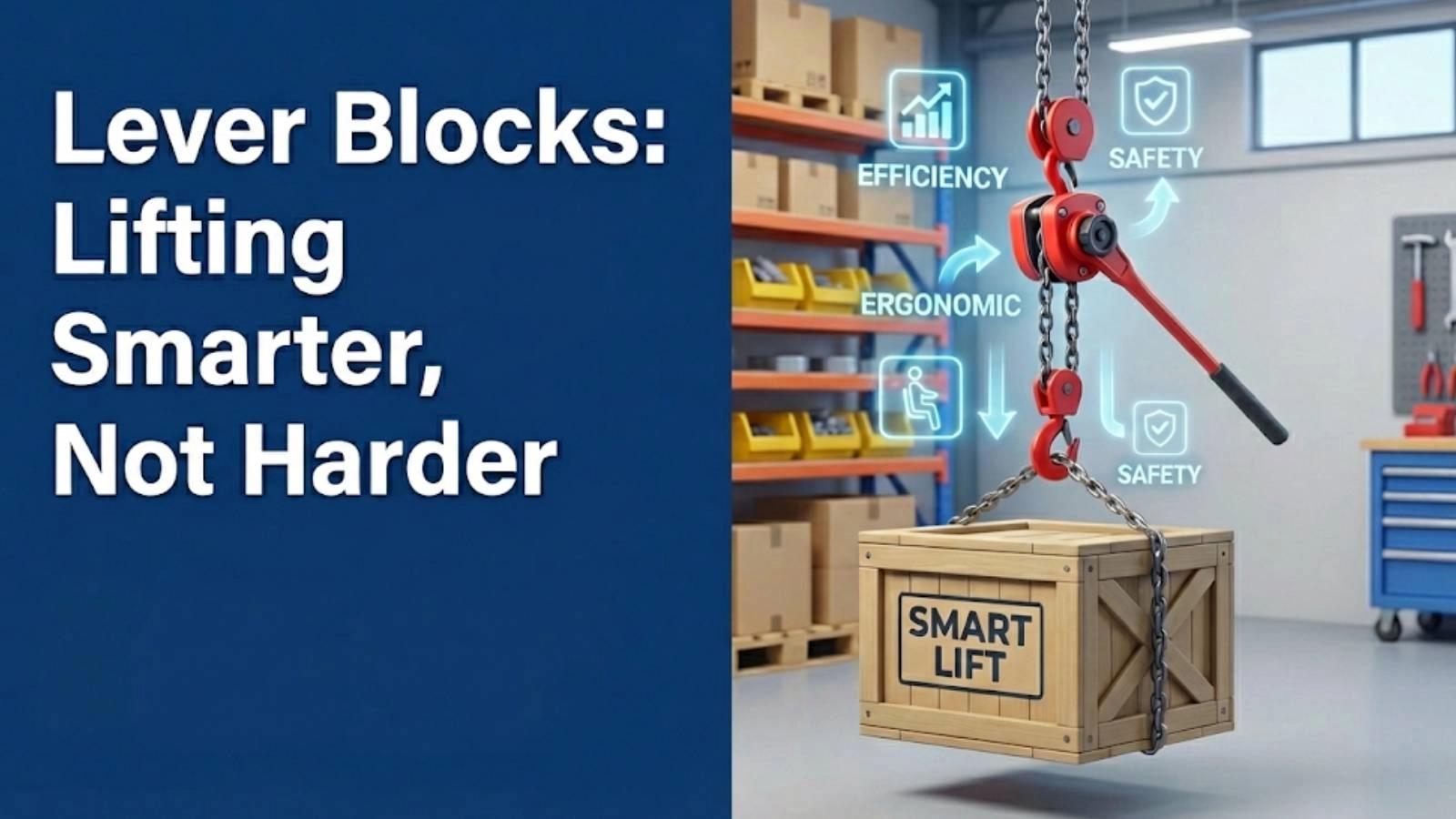
Lever blocks are essential tools in various industries, from construction to manufacturing, enabling the safe and efficient lifting of heavy loads. However, their power comes with inherent risks if not handled and maintained correctly. Understanding and implementing proper lever block safety procedures is paramount to prevent accidents, injuries, and costly equipment damage. This guide provides a comprehensive overview of lever block safety, covering everything from identifying potential hazards to implementing a robust inspection and maintenance schedule.
Understanding the Critical Importance of Lever Block Safety
The High Cost of Neglecting Lever Block Safety
Neglecting lever block safety can lead to severe consequences. Accidents involving lever blocks can result in significant injuries to workers, including fractures, lacerations, and even fatalities. Beyond the human cost, there are also substantial financial implications. Equipment damage, project delays, and potential legal liabilities can quickly escalate the cost of neglecting safety protocols. We once had a client who overlooked a frayed load chain; the resulting accident caused a worker a severe hand injury and a hefty fine for the company. A small investment in preventative measures can save a great deal of money, time and resources.
Defining a Safe Lifting Environment
A safe lifting environment goes beyond simply having the right equipment. It involves a holistic approach that encompasses proper training, clear communication, and adherence to established safety protocols. This includes ensuring that all personnel involved in lifting operations are adequately trained in the safe use of lever blocks, understand load limits, and know how to identify potential hazards. Clear communication channels are also essential to coordinate lifting operations effectively and prevent misunderstandings. Moreover, adhering to established safety protocols, such as regular inspections and proper rigging techniques, is crucial for maintaining a safe lifting environment. When our team in Dubai assesses job sites, they prioritize clear communication protocols for all lifting operations.
The Role of Regular Inspections in Preventing Accidents
Regular inspections are the cornerstone of lever block safety. These inspections help identify potential problems before they escalate into dangerous situations. By thoroughly examining lever blocks at regular intervals, you can detect signs of wear, damage, or malfunction that could compromise their integrity and lead to accidents. Inspections also provide an opportunity to ensure that lever blocks are being used correctly and that all safety devices are functioning properly. A detailed inspection process can help you spot hazards before they become accidents.
Identifying the Key Components of a Lever Block
Load Chain: The Lifeline of Your Lever Block
The load chain is arguably the most critical component of a lever block. It is responsible for bearing the entire weight of the load being lifted. Therefore, it is essential to inspect the load chain regularly for signs of wear, damage, or corrosion. Any weaknesses in the load chain can compromise its ability to safely support the load, leading to catastrophic failure. The load chain directly impacts material handling safety.
Hooks and Latches: Ensuring Secure Connections
Hooks and latches are another vital component of a lever block. They provide the connection point between the lever block and the load being lifted. It is crucial to ensure that the hooks are properly sized for the load and that the latches are functioning correctly to prevent the load from slipping or becoming disengaged. Hooks should be inspected for signs of bending, cracking, or deformation, and latches should be checked for proper alignment and secure closure.
Lever and Housing: The Control Center
The lever and housing provide the mechanical advantage necessary to lift heavy loads. The lever allows the operator to apply force to the lifting mechanism, while the housing protects the internal components from damage. The housing needs to be inspected for cracking or bending, and the lever needs to move freely.
Gears and Brakes: The Mechanics of Lifting
Gears and brakes are the internal mechanisms that enable the lever block to lift and hold loads safely. The gears provide the necessary mechanical advantage to lift heavy objects, while the brakes prevent the load from slipping or falling. These components must be in good working order. Damaged or worn gears can cause the lever block to malfunction, while faulty brakes can create a dangerous situation where the load is at risk of falling. Regular inspection and maintenance of the gears and brakes are critical for ensuring the safe operation of the lever block. These components are important for overhead lifting safety.
Common Hazards Associated with Lever Blocks: A Problem-Solution Approach
Overloading: Prevention and Solutions
Overloading is one of the most common and dangerous hazards associated with lever blocks. Exceeding the lever block’s rated capacity can lead to catastrophic failure, resulting in dropped loads, equipment damage, and serious injuries. To prevent overloading, always verify the weight of the load before lifting and ensure that it is within the lever block’s capacity. It is also important to consider the angle of the lift, as angled lifts can increase the effective weight on the lever block. If the load is close to the lever block’s capacity, it is advisable to use a larger lever block or implement alternative lifting methods. Always double-check the maximum load rating.
Chain Damage: Identification and Repair
Chain damage is another common hazard associated with lever blocks. The load chain is subjected to significant stress and wear during lifting operations, making it susceptible to damage such as stretching, kinking, corrosion, and cracking. Damaged chains can significantly weaken the lever block’s capacity and increase the risk of failure. Regular inspections are crucial for identifying chain damage early on. Look for signs of wear, such as elongated links, flattened areas, or rust. If any damage is detected, the lever block should be immediately removed from service and the chain repaired or replaced by a qualified technician. Ignoring chain damage can put your workplace safety at risk.
Hook Issues: Recognizing and Addressing Damage
Hook issues can arise from overloading, improper use, or environmental factors. Common hook problems include bending, cracking, and latch damage. Bent hooks can distort the load distribution, increasing the risk of slippage or failure. Cracks in the hook can weaken its structural integrity, making it more susceptible to breakage under load. Damaged latches can fail to secure the load, leading to accidental disengagement. Regular inspection of hooks is essential for identifying these issues. Replace hooks that are bent, cracked, or have damaged latches immediately.
Environmental Factors: Corrosion and Wear
Environmental factors such as moisture, chemicals, and abrasive materials can significantly contribute to the corrosion and wear of lever blocks. Exposure to these elements can weaken the lever block’s components, reducing its capacity and increasing the risk of failure. Corrosion can occur on the load chain, hooks, and other metal parts, compromising their structural integrity. Abrasive materials can wear down the gears, brakes, and other moving parts, leading to malfunction. To mitigate the effects of environmental factors, it is important to store lever blocks in a dry, clean environment when not in use. Regular cleaning and lubrication can also help prevent corrosion and wear. Consider using lever blocks made from corrosion-resistant materials in harsh environments.
Pre-Use Inspection Checklist: Your First Line of Defense
Visual Inspection: Spotting Obvious Damage
Before each use, a visual inspection should be conducted to identify any obvious signs of damage or malfunction. This includes checking the load chain for wear, damage, or corrosion; inspecting the hooks and latches for bending, cracking, or deformation; and examining the lever and housing for structural integrity. Any visible defects should be addressed before using the lever block. This is a core element of lifting equipment inspection.
Functionality Test: Ensuring Smooth Operation
In addition to a visual inspection, a functionality test should also be performed before each use. This involves operating the lever block to ensure that it functions smoothly and correctly. Check the lever for ease of operation, the brake mechanism for proper function, and the load chain for smooth movement. Any signs of difficulty or malfunction should be investigated and corrected before using the lever block.
Load Test: Verifying Capacity
Ideally, a load test should be performed periodically to verify the lever block’s capacity. This involves lifting a known weight that is equal to or slightly less than the lever block’s rated capacity and observing its performance. The load test should be performed under controlled conditions and by qualified personnel. If the lever block fails the load test, it should be removed from service and repaired or replaced.
Documentation: Maintaining Records
Maintaining records of inspections, maintenance, and repairs is crucial for ensuring the ongoing safety of lever blocks. These records provide a valuable history of the lever block’s condition and can help identify potential problems before they lead to accidents. Inspection records should include the date of the inspection, the name of the inspector, any findings, and any corrective actions taken. Maintenance records should include the date of the maintenance, the type of maintenance performed, and the name of the technician. Repair records should include the date of the repair, the nature of the repair, and the name of the technician.
Comprehensive Lever Block Inspection Procedure: A Step-by-Step Guide
Step 1: Inspecting the Load Chain for Wear and Damage
Begin by visually inspecting the entire length of the load chain. Look for signs of wear, such as elongated links, flattened areas, or rust. Check for damage, such as kinks, bends, or cracks. Use a chain gauge to measure the diameter of the chain links and compare it to the manufacturer’s specifications. If the chain is worn or damaged beyond acceptable limits, it should be replaced immediately.
Step 2: Checking Hooks and Latches for Cracks and Deformation
Carefully examine the hooks and latches for signs of cracks, bending, or deformation. Pay close attention to the areas around the hook’s throat and the latch’s pivot point. Use a measuring tool to check the hook’s opening and compare it to the manufacturer’s specifications. If the hook is bent, cracked, or deformed beyond acceptable limits, it should be replaced. Ensure that the latch is functioning properly and securely engages the hook.
Step 3: Examining the Lever and Housing for Structural Integrity
Inspect the lever and housing for signs of cracks, bending, or deformation. Check the lever for smooth operation and ensure that it is not binding or sticking. Examine the housing for any signs of damage that could compromise its structural integrity. If the lever or housing is damaged, the lever block should be removed from service and repaired or replaced.
Step 4: Testing the Brake Mechanism for Proper Function
Test the brake mechanism to ensure that it is functioning properly. With no load on the lever block, engage the brake and attempt to pull the load chain. The brake should hold the chain securely and prevent it from slipping. If the brake is not functioning properly, the lever block should be removed from service and repaired or replaced.
Step 5: Lubrication and Maintenance: Keeping Your Lever Block in Top Condition
Regular lubrication is essential for keeping your lever block in top condition. Apply a high-quality lubricant to the load chain, hooks, and other moving parts. This will help reduce friction, prevent corrosion, and extend the life of the lever block. Follow the manufacturer’s recommendations for lubrication frequency and type of lubricant.
Addressing Specific Inspection Points for Lever Block Safety
Load Chain Wear: Gauging Acceptable Limits
Load chain wear is a critical factor in lever hoist safety. Determining acceptable wear limits requires careful measurement and comparison to the manufacturer’s specifications. Typically, wear is measured by gauging the diameter of the chain links. If the diameter has decreased by a certain percentage (e.g., 10%) from the original size, the chain should be replaced. Additionally, look for signs of stretching or elongation, which can also indicate excessive wear. Chains that exhibit significant wear should be taken out of service immediately to prevent potential failure.
Hook Wear: Measuring Hook Opening and Twist
Hook wear is another important aspect of lever block inspection. The hook’s opening should be measured to ensure that it has not widened beyond the manufacturer’s specifications. An enlarged opening can indicate that the hook has been overloaded or subjected to excessive stress. Additionally, check for any twisting or bending of the hook. A twisted or bent hook can compromise its ability to properly engage the load and increase the risk of slippage. Hooks that exhibit excessive wear or deformation should be replaced promptly.
Housing Damage: Identifying Cracks and Deformations
The housing protects the internal components of the lever block and provides structural support. Inspect the housing carefully for any signs of cracks, dents, or deformations. Cracks can weaken the housing and make it more susceptible to failure under load. Dents and deformations can also indicate that the lever block has been subjected to impact or excessive stress. Any damage to the housing should be assessed by a qualified technician to determine if the lever block is safe to use.
Lever Operation: Ensuring Smooth and Controlled Movement
The lever is the primary control mechanism for operating the lever block. Ensure that the lever moves smoothly and freely throughout its range of motion. Check for any binding, sticking, or excessive play. The lever should provide a consistent and controlled movement, allowing the operator to precisely lift and lower the load. Any issues with lever operation should be addressed immediately to prevent potential accidents.
Implementing a Regular Maintenance Schedule for Lever Blocks
Daily Checks: Quick Visual Inspections
Daily checks are essential for maintaining lever block safety. Before each use, perform a quick visual inspection of the lever block. Check the load chain for obvious signs of wear or damage, inspect the hooks and latches for proper function, and examine the housing for any visible cracks or deformations. This daily routine helps identify potential problems early on and prevents the use of unsafe equipment.
Weekly Inspections: More Thorough Examinations
Weekly inspections provide a more thorough examination of the lever block’s components. In addition to the daily checks, weekly inspections should include a closer look at the load chain, hooks, latches, lever, and housing. Lubricate the moving parts as needed and ensure that all components are functioning properly. Document the findings of each weekly inspection to track the lever block’s condition over time.
Monthly Inspections: Detailed Assessments and Lubrication
Monthly inspections involve a detailed assessment of the lever block’s overall condition. This includes a comprehensive inspection of all components, as well as a thorough lubrication of all moving parts. Check the brake mechanism for proper function and adjust as needed. Examine the load chain for excessive wear or elongation and replace if necessary. Document the findings of each monthly inspection and keep records of any maintenance or repairs performed.
Annual Inspections: Professional Servicing and Certification
Annual inspections should be performed by a qualified technician. This involves a complete disassembly, cleaning, and inspection of the lever block. The technician will check all components for wear, damage, or malfunction and replace any parts that are not within acceptable limits. The lever block will then be reassembled, tested, and certified for safe operation. Annual inspections ensure that the lever block is in compliance with safety standards and regulations.
Troubleshooting Common Lever Block Problems
Chain Binding or Jerky Movement: Causes and Solutions
Chain binding or jerky movement can be caused by several factors, including lack of lubrication, dirt or debris in the chain, or damaged chain links. To resolve this issue, first, clean the chain thoroughly and apply a high-quality lubricant. Inspect the chain links for any signs of damage and replace any damaged links. If the problem persists, the lever block may need to be disassembled and inspected internally for more significant issues.
Slipping Load: Identifying Brake Issues
A slipping load is a sign of brake issues. The brake mechanism is responsible for holding the load in place when the lever is not being operated. If the load is slipping, the brake may be worn, damaged, or improperly adjusted. To troubleshoot this issue, first, inspect the brake mechanism for any signs of wear or damage. Adjust the brake according to the manufacturer’s specifications. If the problem persists, the brake may need to be replaced.
Lever Stuck or Difficult to Operate: Troubleshooting Steps
A lever that is stuck or difficult to operate can be caused by several factors, including lack of lubrication, corrosion, or damaged internal components. To troubleshoot this issue, first, lubricate the lever and surrounding components. Check for any signs of corrosion and clean as needed. If the problem persists, the lever block may need to be disassembled and inspected internally for damaged components.
Legal and Regulatory Compliance for Lever Block Safety
OSHA Requirements: Understanding Legal Obligations
OSHA (Occupational Safety and Health Administration) sets forth specific requirements for lever block safety to protect workers in various industries. Employers are responsible for ensuring that lever blocks are inspected regularly, maintained properly, and used safely. OSHA regulations also cover training requirements for operators and the documentation of inspections and maintenance activities. Understanding and complying with OSHA requirements is essential for maintaining a safe working environment and avoiding potential fines or penalties.
ANSI Standards: Following Industry Best Practices
ANSI (American National Standards Institute) develops and publishes voluntary consensus standards for a wide range of products and industries, including lever blocks. These standards provide guidelines for the design, manufacture, testing, and use of lever blocks. Following ANSI standards helps ensure that lever blocks are safe and reliable. Adhering to these standards is considered an industry best practice and can help employers meet their legal obligations.
Record Keeping: Documenting Inspections and Maintenance
Maintaining accurate and complete records of inspections and maintenance activities is crucial for demonstrating compliance with safety regulations. These records provide evidence that lever blocks are being inspected and maintained regularly, and that any issues are being addressed promptly. Records should include the date of the inspection, the name of the inspector, any findings, and any corrective actions taken. Proper record keeping can help employers avoid potential fines or penalties and demonstrate a commitment to safety.
Consequences of Non-Compliance: Fines and Penalties
Failure to comply with legal and regulatory requirements for lever block safety can result in significant fines and penalties. OSHA can issue citations for violations of its regulations, and these citations can carry substantial fines. In addition to fines, non-compliance can also lead to legal liabilities in the event of an accident or injury. Maintaining compliance with safety regulations is essential for protecting workers and avoiding financial and legal consequences.
The Future of Lever Block Safety: Innovations and Advancements
Smart Lever Blocks: Enhanced Monitoring and Control
Smart lever blocks are equipped with sensors and wireless communication capabilities that allow for enhanced monitoring and control. These smart devices can track load weight, usage patterns, and potential hazards, providing valuable data for improving safety and efficiency. They can also alert operators to potential problems, such as overloading or excessive wear, allowing for proactive maintenance and preventing accidents. The integration of smart technology into lever blocks represents a significant advancement in rigging safety.
Advanced Materials: Improved Strength and Durability
Advanced materials, such as high-strength alloys and composite materials, are being used to manufacture lever blocks with improved strength and durability. These materials can withstand higher loads and resist wear and corrosion, extending the life of the lever block and reducing the risk of failure. The use of advanced materials is a key factor in enhancing the safety and reliability of lever blocks.
Ergonomic Designs: Reducing User Strain
Ergonomic designs are being incorporated into lever blocks to reduce user strain and improve comfort. These designs include features such as lightweight construction, comfortable handles, and easy-to-use controls. By reducing user strain, ergonomic designs can help prevent fatigue and injuries, improving operator performance and safety.
Training and Education: Promoting a Culture of Safety
Training and education are essential for promoting a culture of safety in the workplace. Workers should be trained on the proper use of lever blocks, including inspection procedures, load limitations, and safe operating practices. Ongoing education can help reinforce safety principles and keep workers up-to-date on the latest advancements in lever block safety.
> “Prioritizing training and consistent equipment checks are crucial steps toward fostering a safe and productive work environment.” – John Smith, Lead Safety Inspector
Conclusion
By following this comprehensive guide, you’ve armed yourself with the knowledge to significantly enhance lever block safety in your operations. You now understand the importance of regular inspections, the key components to monitor, common hazards to avoid, and the legal and regulatory landscape surrounding lever block usage. By diligently implementing these practices, you contribute to a safer workplace, protect your team, and minimize potential liabilities. We are committed to providing you with the highest quality lifting equipment and the resources you need to operate safely and efficiently.
FAQ Section
Q: How often should I inspect my lever block?
A: A quick visual inspection should be performed daily before each use. More thorough inspections should be conducted weekly and monthly. Annual inspections should be performed by a qualified technician.
Q: What are the key signs of wear or damage to look for during an inspection?
A: Look for wear, damage, or corrosion on the load chain, hooks, latches, lever, and housing. Check for cracks, bending, or deformation of any components.
Q: What should I do if I find damage during an inspection?
A: If you find any damage, remove the lever block from service immediately and have it repaired or replaced by a qualified technician.
Q: What is the maximum load capacity of my lever block?
A: The maximum load capacity is clearly marked on the lever block. Never exceed this load limit.
Q: Can I repair my own lever block?
A: Repairs should only be performed by qualified technicians. Improper repairs can compromise the safety of the lever block.
Q: What type of lubricant should I use on my lever block?
A: Use a high-quality lubricant specifically designed for lifting equipment. Follow the manufacturer’s recommendations.
Q: Where can I find more information on lever block safety?
A: Consult OSHA regulations, ANSI standards, and the lever block manufacturer’s instructions.