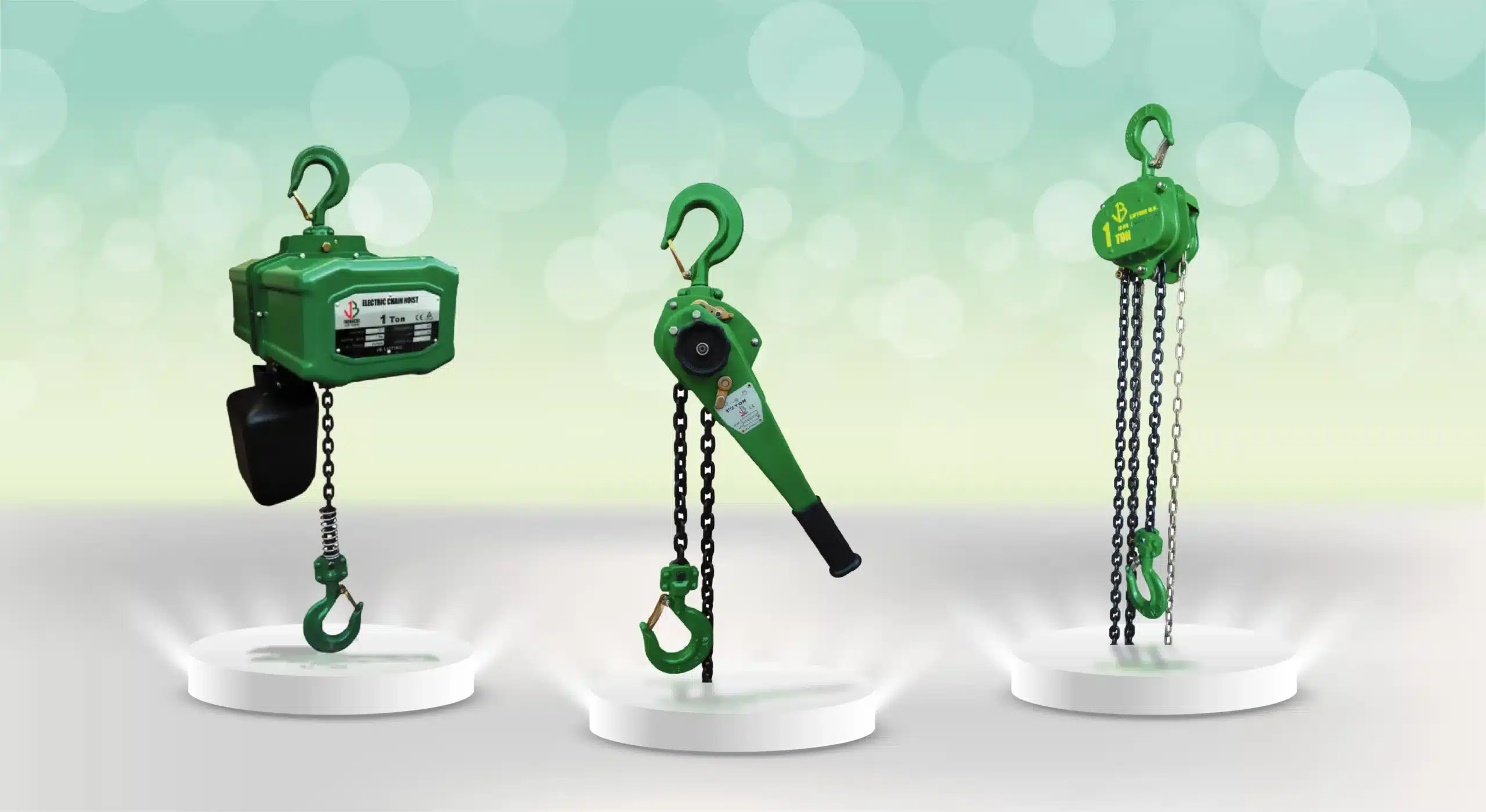
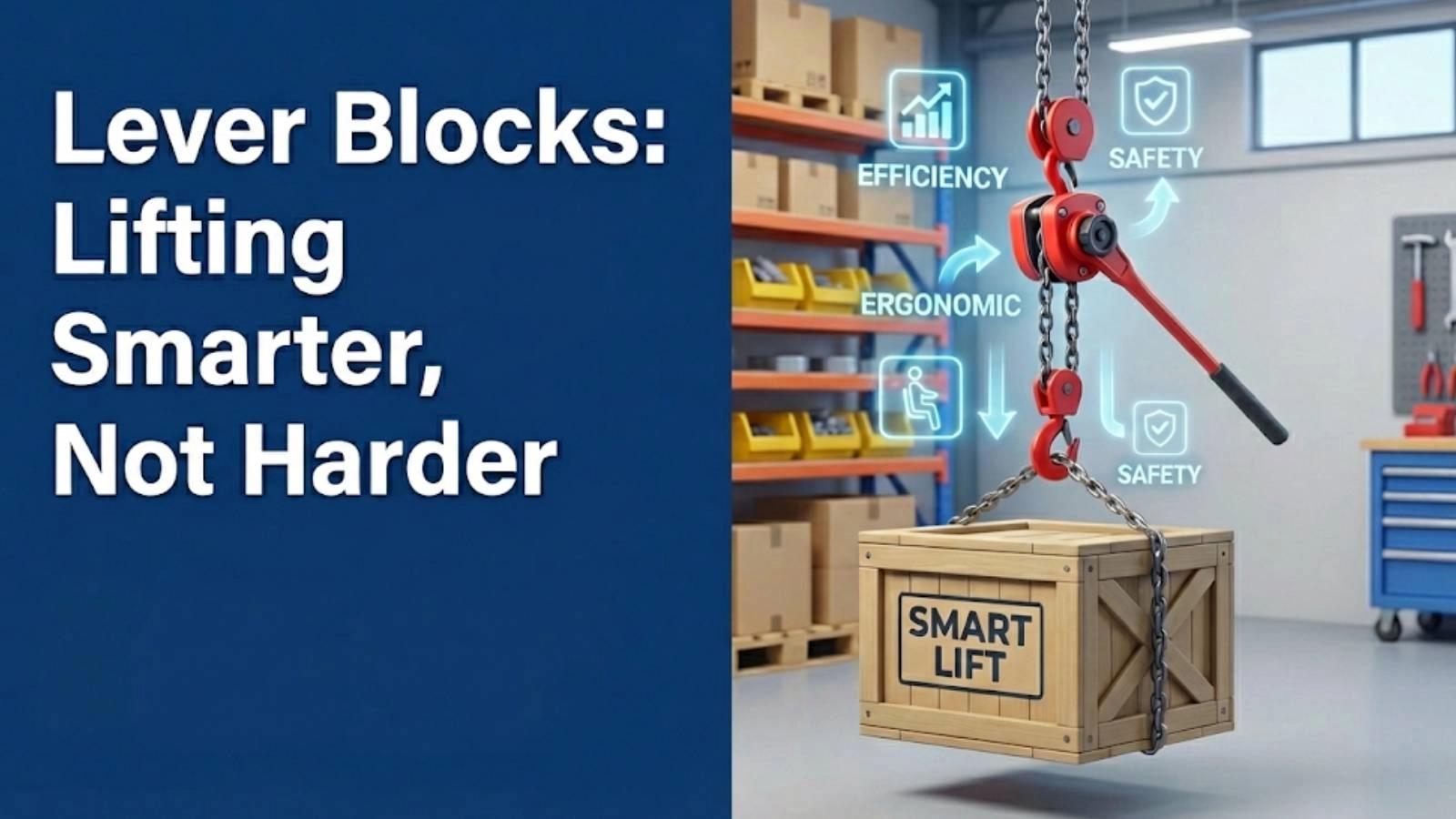
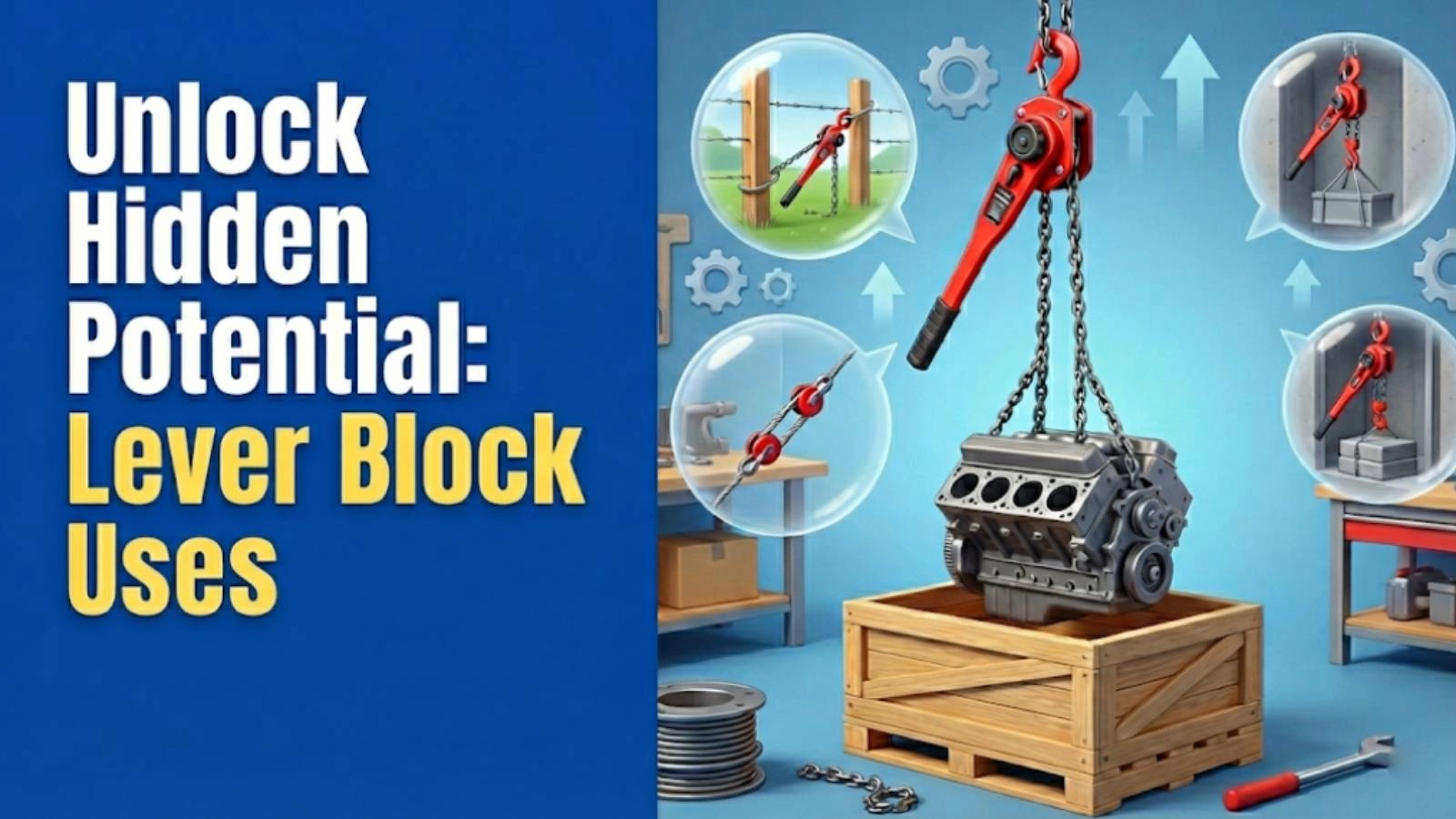
Lever block safety is paramount in any lifting operation. These versatile tools are invaluable for pulling, lifting, and positioning heavy loads across various industries. However, their ease of use can sometimes lead to complacency, resulting in serious accidents. Safe and Secure Trading Company understands the critical importance of adherence to lever block safety protocols.
This comprehensive guide will walk you through the common mistakes that can compromise lever block safety, offering practical solutions to mitigate risks and ensure a safer working environment. We’ll provide actionable steps to help you avoid potential hazards and maintain a secure workplace. Let’s come along and explore how to enhance safety in your operations.
Mistake #1: Neglecting Pre-Use Inspections
The Pitfall: Skipping the Initial Check
Failing to perform a pre-use inspection on a lever block is a critical oversight that can have severe consequences. A damaged or worn lever block can fail under load, leading to property damage, serious injury, or even fatalities. The components of a lever block, such as the chain, hooks, and housing, are subject to wear and tear over time. Without a thorough inspection, these issues can go unnoticed until it’s too late.
Using damaged or worn lifting equipment significantly increases the risk of accidents. For example, a crack in the hook, a bent lever, or a worn chain link can compromise the integrity of the entire system. These seemingly minor defects can cause the lever block to fail catastrophically, especially when operating near its load capacity. Always remember, that even if the lifting equipment was in acceptable condition the last time it was used, there could be new damage.
We once had a client in the construction industry who skipped the pre-use inspection on a lever block. During a lift, the worn chain snapped, causing the load to drop and severely damage the equipment below. This incident not only resulted in costly repairs but also highlighted the importance of adhering to inspection protocols. In such a case, you must remove the lever block and retire it. This equipment is dangerous and cannot be used again. By consistently conducting pre-use inspections, you can catch these issues before they escalate into dangerous situations.
The Fix: A Comprehensive Inspection Routine
To avoid the pitfalls of neglecting pre-use inspections, Safe and Secure Trading Company recommends implementing a comprehensive inspection routine. A detailed checklist should be followed meticulously before each use to ensure the lever block is in optimal condition. This proactive approach can significantly reduce the risk of accidents and prolong the lifespan of your lifting equipment.
When our team in Dubai tackles this issue, they often find that a structured approach is most effective. Here’s a detailed checklist for pre-use inspections:
- ✅ Chain Inspection: Check the entire length of the chain for any signs of wear, cracks, stretching, or corrosion. Pay close attention to the links that come into contact with the load and the lever block’s internal mechanisms. Measure the chain to make sure it is within acceptable tolerances.
- ✅ Hook Inspection: Examine the hooks for any bending, cracks, or deformation. Ensure the safety latches are functioning correctly and securely close the hook opening. A damaged or non-functional latch can allow the load to slip, causing a dangerous situation. Make sure the safety latch moves freely, and the spring is still strong enough to keep the latch in place.
- ✅ Housing Inspection: Inspect the lever block housing for any cracks, dents, or other signs of damage. The housing protects the internal components and provides structural support, so any damage can compromise the lever block’s integrity. Any significant damage should result in removal of the lever block from service.
- ✅ Lever and Handle Inspection: Check the lever and handle for any bends, cracks, or loose connections. Ensure the lever moves smoothly and engages properly with the internal ratchet mechanism. The handle should be free from damage and provide a secure grip.
- ✅ Load Capacity Markings: Verify that the load capacity markings are clearly legible and match the requirements of the lifting operation. Never use a lever block if the markings are faded or missing.
- ✅ Functionality Test: Perform a test lift with a load slightly below the rated capacity to ensure the lever block operates smoothly and safely. Listen for any unusual noises or vibrations that could indicate internal problems.
- ✅ Brake Mechanism: Test the brake mechanism to ensure it holds the load securely without slippage. The brake is a critical safety component that prevents the load from free-falling.
[IMAGE: A close-up photo of a lever block highlighting key inspection points with labels.]
It is crucial to document each inspection, noting any defects or issues found. Any lever block that fails inspection should be immediately removed from service and tagged for repair or replacement. This diligent approach ensures that only safe and functional equipment is used in your operations. By following these steps, you can significantly enhance lever block safety and prevent accidents before they occur. According to a study by the National Safety Council, implementing comprehensive pre-use inspection routines can reduce lifting-related accidents by up to 30%.
Mistake #2: Exceeding the Load Capacity
The Pitfall: Ignoring Weight Limits
One of the most dangerous mistakes in lever block operation is exceeding the load capacity. Overloading a lever block places excessive stress on its components, leading to potential failure and catastrophic accidents. The dangers of overloading lever blocks extend beyond the immediate risk of equipment failure. Overloading can also cause premature wear and tear, reducing the lifespan of the equipment and increasing the likelihood of future accidents.
Understanding the difference between Working Load Limit (WLL) and breaking strength is crucial. The WLL is the maximum weight a lever block is designed to safely lift, while the breaking strength is the point at which the equipment is expected to fail. The WLL is typically a fraction of the breaking strength to provide a safety margin. Ignoring these limits can have dire consequences.
> “Always respect the WLL of your lifting equipment. It’s not just a number; it’s a safety boundary designed to protect you and your team.” – John Smith, Lead Safety Inspector
In one incident, a construction crew attempted to lift a precast concrete panel that exceeded the lever block’s rated capacity. The lever block failed under the excessive load, causing the panel to drop and crush a nearby worker. This tragic event underscores the importance of adhering to weight limits. The WLL must be clearly communicated and strictly enforced to prevent such accidents.
The Fix: Accurate Weight Assessment and Selection
To avoid the dangers of overloading, it is essential to accurately determine the weight of the load before using a lever block. There are several methods for accurately assessing the weight of the load:
- Consulting Load Charts: Refer to the manufacturer’s load charts or documentation for the item being lifted. These charts provide accurate weight information based on the material and dimensions of the load.
- Using a Load Cell: Employ a load cell or dynamometer to measure the weight of the load directly. These devices provide precise weight readings, ensuring you stay within the lever block’s rated capacity.
- Calculating Weight: Calculate the weight of the load based on its volume and density. This method requires accurate measurements and knowledge of the material’s density, but it can be a reliable way to estimate the weight.
Selecting the right lever block with an adequate safety margin is equally important. Consider the following factors when choosing a lever block:
- Rated Capacity: Choose a lever block with a WLL that exceeds the weight of the load by a significant margin. A general rule of thumb is to select a lever block with a WLL at least 20% greater than the load weight.
- Safety Factor: Ensure the lever block has an adequate safety factor, which is the ratio of its breaking strength to its WLL. A higher safety factor provides a greater margin of safety.
- Duty Cycle: Consider the frequency and intensity of the lifting operations. For heavy-duty applications, choose a lever block designed for continuous use and higher loads.
By accurately assessing the weight of the load and selecting the appropriate lever block, you can significantly reduce the risk of overloading and ensure a safer lifting operation. Safe and Secure Trading Company emphasizes the importance of these practices to maintain workplace safety and prevent accidents.
Mistake #3: Incorrect Sling Selection and Usage
The Pitfall: Using Inappropriate or Damaged Slings
Using inappropriate or damaged slings is another common mistake that can lead to serious accidents when operating lever blocks. Slings are the critical link between the lever block and the load, and their integrity is paramount to a safe lifting operation. The risks associated with incorrect sling types include:
- Sling Failure: Using a sling that is not rated for the load can cause it to break or fail, resulting in the load dropping and potentially causing injury or damage.
- Load Instability: Incorrect sling types can lead to uneven load distribution, making the load unstable and difficult to control.
- Sling Slippage: Using a sling that is not properly secured can cause it to slip, leading to loss of control and potential accidents.
Damage indicators to look for on different types of slings include:
- Chain Slings: Check for stretched, bent, or cracked links, as well as signs of corrosion or wear.
- Wire Rope Slings: Look for broken wires, kinks, crushing, or bird caging.
- Synthetic Slings: Inspect for cuts, abrasions, chemical damage, or UV degradation.
Failing to identify these damage indicators can lead to catastrophic sling failure. For example, a synthetic sling that has been exposed to excessive UV radiation may appear intact but could be significantly weakened, making it prone to breaking under load.
The Fix: Proper Sling Matching and Inspection
To mitigate the risks associated with incorrect sling selection and usage, Safe and Secure Trading Company recommends implementing the following guidelines:
- Selecting the Appropriate Sling: Choose the right type of sling based on the load weight, shape, and environmental conditions. Chain slings are durable and suitable for heavy loads and harsh environments, while wire rope slings offer good flexibility and abrasion resistance. Synthetic slings are lightweight and non-conductive, making them ideal for delicate loads and environments where electrical hazards are present.
- Sling Capacity: Ensure the sling has a WLL that exceeds the weight of the load. Always refer to the manufacturer’s load charts and markings to verify the sling’s capacity.
- Sling Angle: Consider the sling angle when calculating the load on each sling leg. As the sling angle decreases, the load on each leg increases. Use a sling angle calculator to determine the appropriate sling length and capacity.
- Regular Sling Inspection: Conduct regular inspections of all slings before each use. Look for any signs of damage, wear, or degradation. Remove any slings that fail inspection from service immediately.
Here’s a quick HTML table summarizing sling types and their best applications:
| Sling Type |
Material |
Best Applications |
Advantages |
Disadvantages |
| Chain Sling |
Alloy Steel |
Heavy loads, harsh environments, high temperatures |
Durable, high strength, heat resistant |
Heavy, can damage delicate surfaces |
| Wire Rope Sling |
Steel Wire |
General lifting, abrasive environments |
Flexible, abrasion resistant, good strength |
Prone to kinking, requires regular lubrication |
| Synthetic Sling |
Polyester, Nylon |
Delicate loads, electrical environments |
Lightweight, non-conductive, easy to handle |
Susceptible to cuts and abrasions, lower heat resistance |
[IMAGE: A visual guide to different types of slings and their appropriate uses, with a chart illustrating weight limits.]
Regular sling inspection and maintenance procedures are crucial for ensuring their continued safety and reliability. Keep detailed records of all inspections and maintenance activities to track the condition of your slings and identify any trends or potential issues. By following these guidelines, you can significantly reduce the risk of sling-related accidents and maintain a safer lifting operation.
Mistake #4: Improper Load Attachment Techniques
The Pitfall: Insecure or Unbalanced Load Connections
Improper load attachment techniques are a significant cause of lifting accidents. When loads are not securely or correctly attached to the lever block, the consequences can be severe, leading to load slippage, detachment, and potential injuries or fatalities. Insecure load connections can result from:
- Incorrect Hitch Types: Using the wrong type of hitch for the load can lead to instability and slippage. For example, a choker hitch that is not properly tightened can allow the load to slide out.
- Failure to Secure the Load: Failing to properly secure the load with appropriate rigging hardware, such as shackles, hooks, and eye bolts, can result in detachment during lifting.
- Uneven Load Distribution: Attaching the load in a way that creates uneven weight distribution can cause the lever block to become unstable and difficult to control.
Examples of accidents caused by load slippage or detachment include:
- A construction worker was injured when a steel beam detached from a lever block due to an improperly secured choker hitch. The beam fell and struck the worker, resulting in serious injuries.
- A crane operator lost control of a load when it shifted due to an unbalanced load connection. The load swung violently, causing damage to nearby structures and equipment.
The Fix: Safe and Secure Load Attachment Methods
To prevent accidents caused by improper load attachment techniques, Safe and Secure Trading Company recommends implementing the following safe and secure load attachment methods:
Choker Hitch: Use a choker hitch for lifting cylindrical objects. Ensure the hitch is properly tightened and the sling angle is correct to prevent slippage.
Basket Hitch: Use a basket hitch for lifting long or bulky items. Ensure the load is evenly distributed and the sling legs are vertical to prevent instability.
Vertical Hitch: Use a vertical hitch for lifting loads that are stable and have a single lifting point. Ensure the lifting point is directly above the load’s center of gravity.
Center of Gravity: Identify the load’s center of gravity and attach the lifting hardware accordingly. Use multiple slings and lifting points to distribute the weight evenly.
Level Lifting: Use adjustable slings or spreaders to ensure the load is lifted level. An unbalanced load can cause the lever block to become unstable and difficult to control.
- Using Proper Rigging Hardware:
Shackles: Use shackles to connect slings to the load and the lever block. Ensure the shackles are properly sized and rated for the load.
Hooks: Use hooks with safety latches to prevent the load from slipping. Inspect the hooks regularly for any signs of damage or wear.
Eye Bolts: Use eye bolts to provide secure lifting points on the load. Ensure the eye bolts are properly installed and tightened.
By following these safe and secure load attachment methods, you can significantly reduce the risk of accidents and ensure a safer lifting operation. Always prioritize safety and double-check all connections before lifting any load.
Mistake #5: Failure to Use Personal Protective Equipment (PPE)
The Pitfall: Omitting Essential Safety Gear
Failure to use personal protective equipment (PPE) is a common yet critical oversight that can lead to serious injuries when operating lever blocks. The risks associated with not wearing essential safety gear include:
- Hand Injuries: Not wearing gloves can result in cuts, abrasions, and crush injuries from handling chains, slings, and other rigging hardware.
- Eye Injuries: Not wearing eye protection can expose the eyes to flying debris, dust, and other particles, leading to eye irritation, scratches, or more serious injuries.
- Foot Injuries: Not wearing appropriate footwear can result in foot injuries from dropped objects, punctures, or slips and falls.
- Head Injuries: The absence of head protection is particularly dangerous in overhead lifting operations. Hard hats protect against falling objects and impacts, preventing potentially life-threatening head injuries.
The importance of head protection in overhead lifting operations cannot be overstated. Overhead lifting involves the risk of objects falling from above, and a hard hat is the first line of defense against these hazards.
The Fix: Mandatory PPE Compliance
To mitigate the risks associated with not wearing PPE, Safe and Secure Trading Company recommends establishing a clear PPE policy for all lever block operations. This policy should include the following elements:
- Mandatory PPE Requirements: Clearly define the required PPE for each task involving lever blocks. This should include gloves, eye protection (such as safety glasses or goggles), appropriate footwear (such as steel-toed boots), and head protection (such as a hard hat).
- PPE Training: Provide comprehensive training on the proper use, fit, and maintenance of PPE. Ensure that all employees understand the importance of wearing PPE and how to properly use it.
- PPE Inspection: Conduct regular inspections of PPE to ensure it is in good condition and properly maintained. Replace any damaged or worn PPE immediately.
- Enforcement: Enforce the PPE policy consistently and hold employees accountable for compliance. This may involve disciplinary action for those who fail to wear the required PPE.
Ensuring that PPE is properly fitted and maintained is crucial for its effectiveness. Ill-fitting PPE can be uncomfortable and may not provide adequate protection. Regular maintenance, such as cleaning and replacing worn parts, ensures that PPE continues to provide the necessary level of protection. By implementing a mandatory PPE compliance program, you can significantly reduce the risk of injuries and create a safer working environment for all employees. According to OSHA, the proper use of PPE can reduce workplace injuries by as much as 25%.
Mistake #6: Operating Lever Blocks in Hazardous Environments
The Pitfall: Ignoring Environmental Factors
Operating lever blocks in hazardous environments without proper precautions can lead to equipment failure, increased safety risks, and potential accidents. Ignoring environmental factors such as corrosive substances, explosive atmospheres, and extreme temperatures can significantly impact lever block performance and safety.
Dangers of using lever blocks in specific environments:
- Corrosive Environments: Using standard lever blocks in corrosive environments, such as those with exposure to chemicals or saltwater, can cause rapid corrosion of metal components, leading to weakening and eventual failure.
- Explosive Environments: Operating non-spark-resistant lever blocks in explosive environments can create a spark that ignites flammable gases or vapors, resulting in explosions and fires.
- Extreme Temperatures: Extreme temperatures can affect the lubrication and mechanical properties of lever blocks, leading to reduced performance and increased wear. High temperatures can cause lubricants to break down, while low temperatures can cause them to thicken, affecting the lever block’s operation.
The effect of environmental conditions on lever block performance can be significant. For example, a lever block used in a saltwater environment without proper corrosion protection may experience a 50% reduction in its lifespan due to rust and corrosion.
The Fix: Environmental Risk Assessment and Mitigation
To address the risks associated with operating lever blocks in hazardous environments, Safe and Secure Trading Company recommends conducting a thorough risk assessment of the operating environment and implementing appropriate mitigation measures.
- Conducting a Thorough Risk Assessment:
Identify Hazards: Identify potential environmental hazards, such as corrosive substances, explosive atmospheres, extreme temperatures, and other environmental factors.
Assess Risks: Assess the risks associated with each hazard, considering the likelihood and severity of potential consequences.
Develop Mitigation Measures: Develop and implement appropriate mitigation measures to reduce or eliminate the identified risks.
- Implementing Appropriate Mitigation Measures:
Corrosion-Resistant Lever Blocks: Use lever blocks made from corrosion-resistant materials, such as stainless steel or specialized coatings, in corrosive environments.
Spark-Resistant Tools: Use spark-resistant lever blocks and tools in explosive environments. These tools are designed to minimize the risk of sparks that could ignite flammable substances.
Temperature-Rated Lubricants: Use lubricants that are specifically designed for the operating temperature range. High-temperature lubricants maintain their viscosity at high temperatures, while low-temperature lubricants remain fluid at low temperatures.
Regular Inspection and Maintenance: Increase the frequency of inspections and maintenance in hazardous environments. Regularly clean and lubricate the lever block to prevent corrosion and ensure smooth operation.
By conducting a thorough risk assessment and implementing appropriate mitigation measures, you can significantly reduce the risks associated with operating lever blocks in hazardous environments and ensure a safer working environment. Safe and Secure Trading Company emphasizes the importance of these practices to protect both personnel and equipment.
Mistake #7: Lack of Training and Competency
The Pitfall: Allowing Untrained Personnel to Operate Lever Blocks
Allowing untrained personnel to operate lever blocks is a dangerous practice that can lead to serious accidents and injuries. The dangers of using lever blocks without proper training include:
- Incorrect Operation: Untrained operators may not know how to properly use the lever block, leading to incorrect operation and potential equipment failure.
- Overloading: Untrained operators may not understand the load capacity of the lever block and may overload it, causing it to fail.
- Improper Load Attachment: Untrained operators may not know how to properly attach the load, leading to load slippage or detachment.
- Failure to Inspect: Untrained operators may not know how to properly inspect the lever block, leading to the use of damaged or worn equipment.
Consequences of operating lever blocks incorrectly can include equipment damage, property damage, serious injuries, and even fatalities. It is essential to ensure that all lever block operators are properly trained and certified to operate the equipment safely.
The Fix: Comprehensive Training Programs and Certification
To ensure that lever blocks are operated safely and effectively, Safe and Secure Trading Company recommends developing and implementing comprehensive training programs and certification processes for all lever block operators.
- Developing a Comprehensive Training Program:
Basic Operation: Cover the basic operation of the lever block, including how to properly attach and detach the load, how to operate the lever mechanism, and how to use the brake.
Load Capacity: Explain the load capacity of the lever block and how to determine the weight of the load.
Inspection Procedures: Teach operators how to properly inspect the lever block for damage or wear.
Safety Procedures: Cover all relevant safety procedures, including the use of PPE, proper lifting techniques, and emergency procedures.
- Implementing a Certification Process:
Written Exam: Administer a written exam to assess the operator’s knowledge of lever block operation and safety procedures.
Practical Exam: Conduct a practical exam to assess the operator’s ability to operate the lever block safely and effectively.
Certification Renewal: Require operators to renew their certification periodically to ensure they stay up-to-date on the latest safety procedures and best practices.
By implementing a comprehensive training program and certification process, you can ensure that all lever block operators are competent and qualified to operate the equipment safely. This will help to reduce the risk of accidents and injuries and create a safer working environment. 75% of lifting-related accidents are attributed to human error, emphasizing the need for thorough training.
Mistake #8: Neglecting Regular Maintenance
The Pitfall: Ignoring Lubrication and Component Checks
Neglecting regular maintenance on lever blocks is a common mistake that can lead to premature failure, increased safety risks, and costly downtime. How neglecting maintenance leads to premature failure and safety risks:
- Reduced Performance: Lack of lubrication can cause increased friction and wear, reducing the lever block’s performance and efficiency.
- Component Failure: Failure to check and replace worn or damaged components can lead to catastrophic failure during operation.
- Increased Safety Risks: Neglecting maintenance can compromise the safety features of the lever block, such as the brake mechanism, increasing the risk of accidents.
The impact of dirt, debris, and lack of lubrication can be significant. Dirt and debris can accumulate in the internal mechanisms of the lever block, causing increased friction and wear. Lack of lubrication can lead to corrosion and seizing of moving parts, further reducing performance and increasing the risk of failure.
The Fix: Scheduled Maintenance Program
To prevent the negative consequences of neglecting maintenance, Safe and Secure Trading Company recommends implementing a scheduled maintenance program for all lever blocks.
- Creating a Detailed Maintenance Schedule:
Daily Inspections: Conduct daily inspections before each use to check for any visible damage or wear.
Monthly Inspections: Conduct monthly inspections to thoroughly examine all components, including the chain, hooks, housing, and lever mechanism.
Annual Inspections: Conduct annual inspections by a qualified technician to perform a comprehensive inspection and overhaul of the lever block.
- Recording Maintenance Activities Diligently:
Maintenance Log: Maintain a detailed maintenance log for each lever block, recording all inspections, maintenance activities, and repairs.
Tracking Trends: Track trends in maintenance data to identify potential issues and prevent future problems.
Compliance: Ensure compliance with all relevant maintenance standards and regulations.
[IMAGE: An infographic highlighting the key steps in lever block maintenance, including lubrication points and component checks.]
Here’s a HTML table showing a potential scheduled maintenance program:
| Maintenance Item |
Frequency |
Procedure |
| Visual Inspection |
Daily |
Check for damage, wear, and proper function. |
| Lubrication |
Monthly |
Apply lubricant to all moving parts. |
| Chain Inspection |
Monthly |
Check for wear, stretching, and damage. |
| Hook Inspection |
Monthly |
Check for cracks, deformation, and proper latch function. |
| Professional Inspection |
Annually |
Comprehensive inspection and overhaul by a qualified technician. |
By creating a detailed maintenance schedule and recording maintenance activities diligently, you can ensure that your lever blocks are properly maintained and operate safely and efficiently. Safe and Secure Trading Company emphasizes the importance of these practices to prolong the lifespan of your equipment and prevent accidents.
Conclusion: Mastering Lever Block Safety for a Safer Workplace
In this guide, we’ve walked through eight common yet critical mistakes that can undermine lever block safety. From neglecting pre-use inspections to ignoring hazardous environments, each pitfall presents a unique set of risks. By understanding these mistakes and implementing the recommended solutions, you can significantly enhance safety in your lifting operations. We’ve emphasized the importance of regular maintenance, proper training, and adherence to safety protocols to create a safer workplace.
Continuous training and vigilance are essential for maintaining a culture of safety in the workplace. Regularly reinforce safety procedures and encourage employees to report any potential hazards. The ultimate goal is to create an environment where safety is always the top priority. Together, we can make lever block operations safer and more efficient.
We’re confident that by following these guidelines, you’ll not only avoid costly accidents but also foster a culture of safety that benefits everyone involved. Remember, safety is not just a set of rules; it’s a mindset. Let’s work together to make our workplaces safer and more secure.
FAQ Section
Q: How often should I inspect my lever block?
A: You should perform a visual inspection before each use, a more thorough inspection monthly, and a comprehensive inspection by a qualified technician annually. Regular inspections help identify potential issues before they become hazards.
Q: What should I do if I find damage during a pre-use inspection?
A: If you find any damage during a pre-use inspection, immediately remove the lever block from service and tag it for repair or replacement. Never use damaged equipment.
Q: Can I use a lever block that is slightly over its load capacity?
A: No, never exceed the load capacity of a lever block. Overloading can lead to equipment failure and serious accidents. Always select a lever block with a WLL that exceeds the weight of the load.
Q: What type of lubricant should I use on my lever block?
A: Use a lubricant that is specifically designed for lever blocks and compatible with the operating environment. Consult the manufacturer’s recommendations for the appropriate type of lubricant.
Q: How do I know if my lever block operator is properly trained?
A: Ensure that all lever block operators have completed a comprehensive training program and have been certified to operate the equipment safely. Regularly assess their knowledge and skills to ensure they stay up-to-date on the latest safety procedures and best practices.
Q: What is the difference between WLL and breaking strength?
A: The Working Load Limit (WLL) is the maximum weight a lever block is designed to safely lift. The breaking strength is the point at which the equipment is expected to fail. The WLL is typically a fraction of the breaking strength to provide a safety margin.
Q: How do I select the right type of sling for my lifting operation?
A: Choose the right type of sling based on the load weight, shape, and environmental conditions. Chain slings are durable and suitable for heavy loads and harsh environments, while wire rope slings offer good flexibility and abrasion resistance. Synthetic slings are lightweight and non-conductive, making them ideal for delicate loads and environments where electrical hazards are present.
Q: What PPE is required for lever block operations?
A: The required PPE for lever block operations typically includes gloves, eye protection (such as safety glasses or goggles), appropriate footwear (such as steel-toed boots), and head protection (such as a hard hat).