Mastering Lever Block Techniques
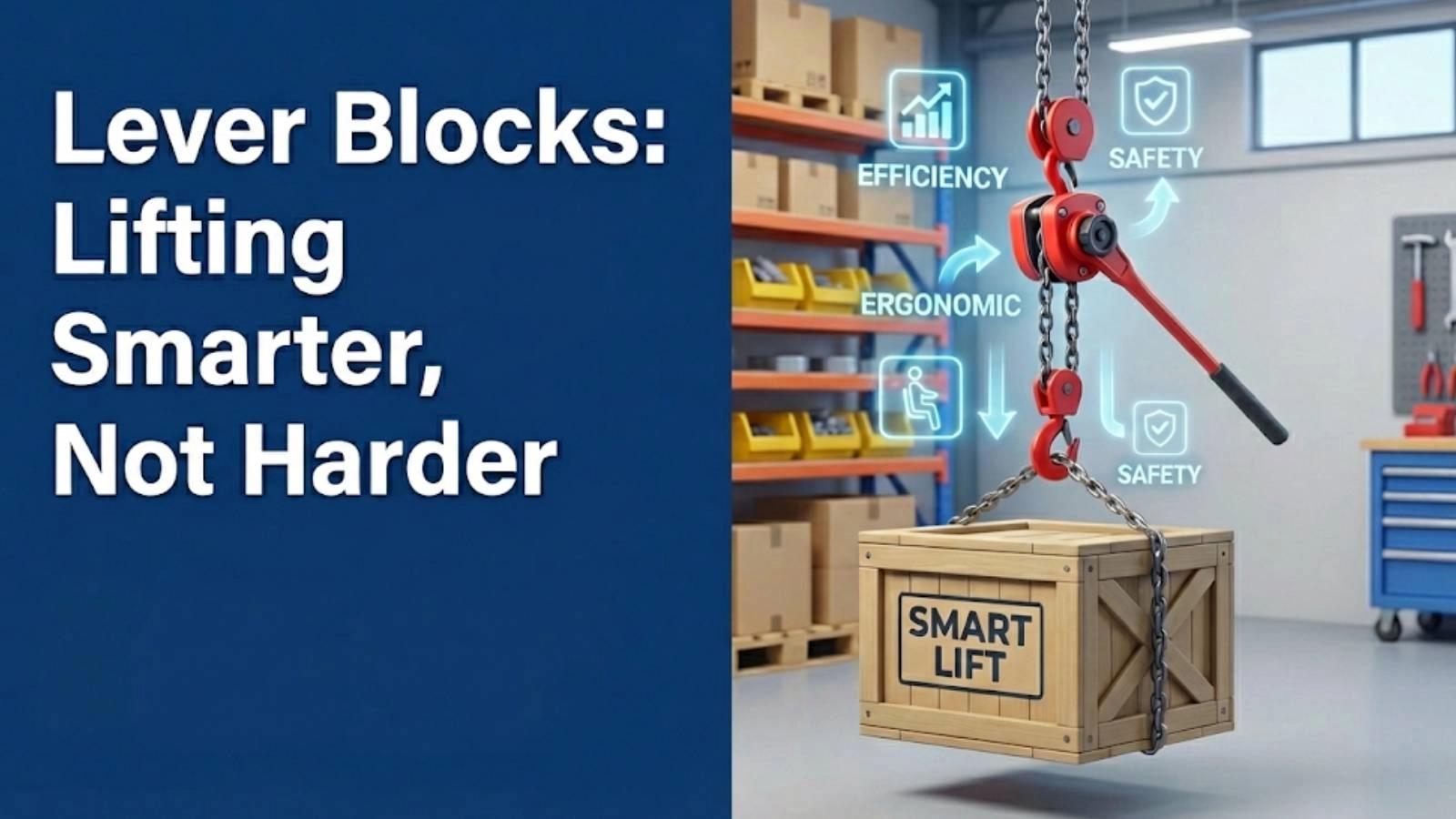
Lever blocks are indispensable tools in various industries, renowned for their versatility and ability to lift heavy loads in confined spaces. Whether you’re a construction worker, automotive mechanic, or a DIY enthusiast, understanding lever block techniques is crucial for ensuring both safety and efficiency. This comprehensive guide, brought to you by Safe and Secure Trading Company (SSTC), will walk you through everything you need to know, from basic operation to advanced techniques, maintenance, and safety best practices. We aim to provide you with the knowledge and confidence to use lever blocks effectively and safely in any situation.
Understanding Lever Blocks: A Beginner’s Introduction
What is a Lever Block and How Does it Work?
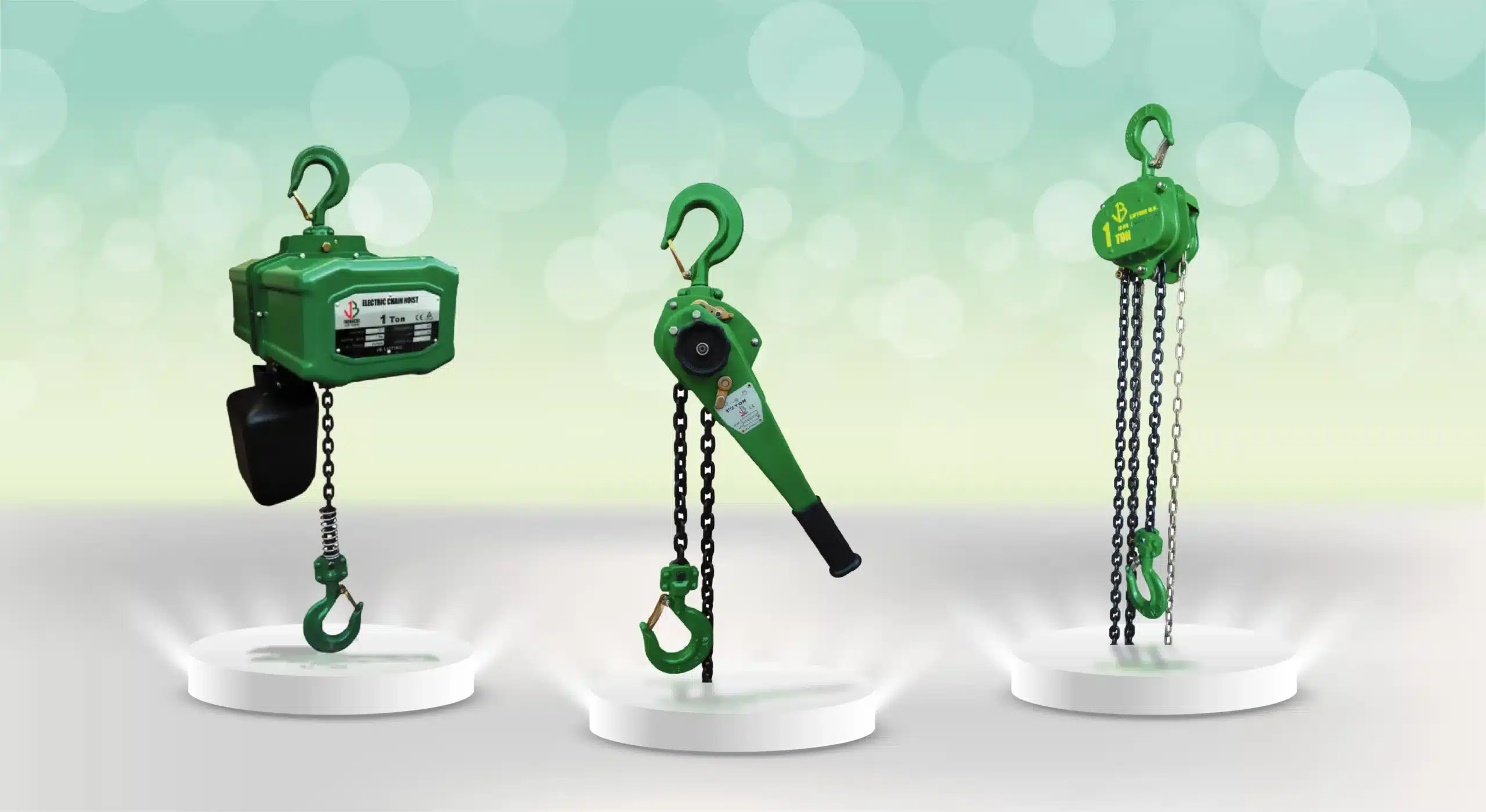
A lever block, also known as a ratchet hoist or come along tool, is a manual lifting device used to raise, lower, and pull heavy loads using mechanical advantage. Unlike electric hoists, lever blocks are powered by manual effort, making them ideal for situations where electricity is unavailable or impractical. They are particularly useful in construction, rigging, and maintenance operations.
The basic principle behind a lever block involves a ratchet and pawl mechanism combined with a geared system. When the lever is pulled, it engages the ratchet, which in turn pulls on the chain. The load is suspended by the chain, and the geared system multiplies the force applied to the lever, allowing you to lift significantly heavier objects than you could by hand alone. The lever allows for controlled, incremental movements, providing precise load positioning. We once had a client who struggled to lift a heavy engine block until we showed them how the mechanical advantage of the lever block reduces the required effort.
Key Components of a Lever Block: A Visual Guide
Understanding the components of a lever block is essential for proper operation and maintenance. Here’s a breakdown of the key parts:
- Lever: The handle that you pull to operate the lifting mechanism. It is designed to provide maximum leverage with minimal effort.
- Hooks: Typically equipped with safety latches, the hooks are used to attach the lever block to the anchor point and the load. The safety latches prevent accidental disengagement.
- Load Chain: A high-strength chain that supports the load. The chain is calibrated to fit precisely within the internal mechanism of the lever block.
- Hand Chain: The chain you pull to operate the lever mechanism.
- Housing: The protective casing that encloses the internal gears and mechanisms. It provides structural integrity and protects the components from damage.
- Ratchet and Pawl Mechanism: The core of the lifting operation. The ratchet is a toothed wheel that engages with the pawl, a pivoting arm that allows movement in only one direction, preventing the load from slipping.
- Brake: An automatic brake that holds the load securely in place when the lever is not being operated. This is a critical safety feature that prevents accidental lowering of the load.
- Gears: A series of gears that provide mechanical advantage, multiplying the force applied to the lever.
[IMAGE: A labeled diagram showing all the key components of a lever block, including the lever, hooks, load chain, hand chain, housing, ratchet and pawl mechanism, brake, and gears.]
Lever Block vs. Chain Block: What’s the Difference?
While both lever blocks and chain blocks are manual lifting devices, they operate differently and are suited for different applications.
- Lever Blocks: Operated by pulling a lever, lever blocks are ideal for situations requiring precise load positioning and shorter lifting distances. They are generally more compact and can be used in tighter spaces. They excel in horizontal pulling and tensioning applications.
- Chain Blocks: Operated by pulling a hand chain, chain blocks are better suited for lifting loads over longer distances. They are typically more efficient for vertical lifting and are often used in overhead lifting applications.
The choice between a lever block and a chain block depends on the specific requirements of the job. If precision and compactness are important, a lever block is the better choice. If you need to lift a load over a longer distance, a chain block is more appropriate. When our team in Dubai tackles this issue, they often find that having both types of blocks available allows them to handle a wider range of lifting tasks efficiently. In essence, the come along tool offers directional flexibility, while chain blocks shine in vertical applications.
Essential Safety Precautions Before You Start
Pre-Use Inspection Checklist: Avoiding Common Hazards
Before each use, a thorough inspection of the lever block is crucial to ensure safe operation. Here’s a checklist to follow:
- ✅ Chain Inspection: Check the load chain for any signs of wear, corrosion, or damage, such as stretched links, cracks, or kinks. Replace the chain immediately if any damage is found.
- ✅ Hook Inspection: Inspect the hooks for cracks, deformation, or damage to the safety latches. Ensure the latches operate smoothly and securely.
- ✅ Lever and Handle Inspection: Ensure the lever and handle are in good condition and move freely. Check for any signs of damage or bending.
- ✅ Housing Inspection: Inspect the housing for cracks or damage. The housing should be intact to protect the internal mechanisms.
- ✅ Brake Inspection: Test the brake by lifting a small load and releasing the lever. The brake should hold the load securely in place without slipping.
- ✅ Function Test: Operate the lever block through a full lifting and lowering cycle without a load to ensure smooth operation.
- ✅ Cleanliness: Ensure the lever block is free from dirt, grease, and other contaminants that could affect its performance.
Ignoring these pre-use inspections can lead to serious accidents. We once had a user who got stuck on this step. Here’s the trick to avoid that common issue: Always keep a detailed log of your inspections. This is not just good practice; it’s a proactive safety measure.
Understanding Load Limits and Working Load Limit (WLL)
Every lever block has a Working Load Limit (WLL), which is the maximum weight it is designed to lift safely. This limit is clearly marked on the lever block and should never be exceeded.
Exceeding the WLL can lead to catastrophic failure of the lever block, resulting in serious injury or property damage. It’s crucial to know the weight of the load you are lifting and to select a lever block with a WLL that is sufficient for the task. Always err on the side of caution and choose a lever block with a higher WLL if you are unsure of the load’s weight.
“The WLL isn’t just a number; it’s a commitment to safety. Always double-check and never exceed it.” – John Smith, Lead Safety Inspector
Here is a table summarizing key load limit terminology:
| Term |
Definition |
Importance |
| Working Load Limit (WLL) |
Maximum weight the lever block can safely lift. |
Never exceed this limit to prevent failure. |
| Safe Working Load (SWL) |
Similar to WLL, often used interchangeably. |
Ensures safe operation under normal conditions. |
| Breaking Strength |
The force required to break the lever block or its components. |
Provides a safety factor; WLL is significantly lower than breaking strength. |
| Safety Factor |
Ratio of breaking strength to WLL. |
Ensures the lever block can withstand unexpected forces. |
Personal Protective Equipment (PPE) is a MUST: Gloves, Helmets, and More
Using personal protective equipment (PPE) is essential when operating lever blocks to protect yourself from potential hazards. Here are some essential PPE items:
- Gloves: Protect your hands from cuts, abrasions, and impacts. Choose gloves with good grip to maintain control of the lever and load.
- Helmets: Protect your head from falling objects or impacts. Ensure the helmet is properly fitted and meets safety standards.
- Safety Glasses: Protect your eyes from dust, debris, and other particles. Choose safety glasses with side shields for comprehensive protection.
- Safety Boots: Protect your feet from impacts and punctures. Choose boots with steel toes and slip-resistant soles.
- High-Visibility Clothing: Increase your visibility to others, especially in construction sites or other hazardous environments.
Always wear the appropriate PPE for the task at hand. PPE is your last line of defense against potential injuries. Remember, safe lifting practices always begin with proper protection.
Step-by-Step Guide to Basic Lever Block Operation
Step 1: Selecting the Right Lever Block for Your Load
Choosing the correct lever block is paramount for safe and efficient lifting. Consider the following factors:
- Load Weight: Determine the weight of the load you need to lift. Ensure the lever block’s WLL exceeds the load weight.
- Lifting Distance: Consider the distance you need to lift the load. Choose a lever block with a chain length that is sufficient for the task.
- Anchor Point: Evaluate the strength and suitability of the anchor point. Ensure it can safely support the load and the lever block.
- Environmental Conditions: Consider the environmental conditions in which the lever block will be used. Choose a lever block that is resistant to corrosion and other environmental factors if necessary.
Selecting the appropriate lever hoist operation ensures that the equipment is used within its design parameters, minimizing the risk of accidents and equipment failure. When in doubt, consult with a lifting equipment specialist to ensure you choose the right lever block for your needs.
Step 2: Attaching the Lever Block Securely to an Anchor Point
Properly securing the lever block to an anchor point is critical for safe lifting. Follow these steps:
1. Inspect the Anchor Point: Ensure the anchor point is strong and stable enough to support the load. Check for any signs of damage or corrosion.
2. Use Appropriate Hardware: Use shackles, slings, or other appropriate hardware to connect the lever block to the anchor point. Ensure the hardware is rated for the load weight.
3. Secure the Connection: Make sure the connection is secure and properly tightened. Double-check all connections before lifting the load.
4. Avoid Sharp Edges: Protect the chain and slings from sharp edges that could cause damage. Use padding or edge protectors if necessary.
[IMAGE: A diagram showing the correct way to attach a lever block to an anchor point using a shackle and sling, with clear labeling of each component.]
Step 3: Connecting the Load to the Lever Block Hook
Connecting the load to the lever block hook requires careful attention to detail.
1. Inspect the Hook: Ensure the hook is in good condition and the safety latch is functioning properly.
2. Use Appropriate Slings or Lifting Straps: Use slings or lifting straps that are rated for the load weight. Ensure they are in good condition and free from damage.
3. Attach the Load Securely: Attach the slings or lifting straps to the load in a way that distributes the weight evenly. Avoid creating pinch points or sharp bends in the slings.
4. Close the Safety Latch: Ensure the safety latch on the hook is closed and secure. This prevents the load from accidentally disengaging.
Step 4: Operating the Lever and Lifting the Load Gradually
Operating the lever block smoothly and gradually is key to safe and controlled lifting.
1. Position Yourself Safely: Stand in a stable position with good footing. Keep your hands and feet clear of the load and the lever block.
2. Apply Steady Pressure: Pull the lever with a smooth, steady motion. Avoid jerking or sudden movements.
3. Lift the Load Gradually: Lift the load slowly and gradually, monitoring the chain and connections for any signs of stress or strain.
4. Use Short Strokes: Use short, controlled strokes of the lever to maintain precise control over the load.
5. Monitor the Load: Keep a close eye on the load as you lift it, watching for any signs of instability or shifting.
Step 5: Lowering the Load Safely and Controlled
Lowering the load requires the same level of care and attention as lifting it.
1. Position Yourself Safely: Maintain a stable position with good footing. Keep your hands and feet clear of the load and the lever block.
2. Apply Steady Pressure: Gently release the lever to lower the load. Avoid sudden or jerky movements.
3. Lower the Load Gradually: Lower the load slowly and gradually, monitoring the chain and connections for any signs of stress or strain.
4. Use Short Strokes: Use short, controlled strokes of the lever to maintain precise control over the load.
5. Monitor the Load: Keep a close eye on the load as you lower it, watching for any signs of instability or shifting.
Advanced Techniques: Mastering Precision and Control
Using Multiple Lever Blocks for Heavier Loads: Load Distribution
When lifting extremely heavy loads, using multiple lever blocks can distribute the weight more evenly and safely.
1. Calculate Load Distribution: Determine the weight distribution for each lever block. Ensure each block is rated for the weight it will be supporting.
2. Synchronize Lifting: Coordinate the lifting operation to ensure all lever blocks are lifting at the same rate. Use a spotter to monitor the load and provide guidance.
3. Maintain Even Tension: Keep the tension even on all chains to prevent overloading any single lever block.
4. Use a Spreader Beam: Use a spreader beam to distribute the load evenly between the lever blocks. This helps to prevent uneven loading and instability.
Off-Center Lifting Techniques: Compensating for Uneven Weight
Off-center lifting can create instability and increase the risk of accidents. Here’s how to compensate for uneven weight distribution:
1. Identify the Center of Gravity: Determine the center of gravity of the load. This is the point where the weight is evenly distributed.
2. Adjust Lifting Points: Adjust the lifting points to align with the center of gravity. This will help to distribute the weight evenly and prevent tipping.
3. Use Counterweights: Use counterweights to balance the load if necessary. This can help to stabilize the load and prevent it from shifting.
4. Monitor the Load: Keep a close eye on the load as you lift it, watching for any signs of instability or shifting.
Rigging with Slings and Shackles: Extending Your Reach
Rigging with slings and shackles can extend the reach of your lever block and allow you to lift loads in difficult-to-access areas.
1. Choose the Right Slings: Select slings that are appropriate for the load weight and the lifting application. Consider the material, length, and configuration of the slings.
2. Use Shackles Properly: Use shackles to connect the slings to the lever block and the load. Ensure the shackles are properly sized and tightened.
3. Protect Slings from Sharp Edges: Protect the slings from sharp edges that could cause damage. Use padding or edge protectors if necessary.
4. Inspect Slings and Shackles Regularly: Inspect the slings and shackles regularly for any signs of wear, damage, or corrosion. Replace them immediately if any damage is found.
Fine-Tuning Load Positioning: Inch-by-Inch Adjustments
Lever blocks excel at fine-tuning load positioning, allowing for precise adjustments in tight spaces.
1. Use Short Lever Strokes: Use short, controlled strokes of the lever to make small adjustments to the load position.
2. Monitor the Load Closely: Keep a close eye on the load as you make adjustments, watching for any signs of instability or shifting.
3. Use a Spotter: Use a spotter to provide guidance and ensure the load is positioned correctly.
4. Take Your Time: Take your time and make adjustments slowly and carefully. Avoid rushing, which can lead to mistakes and accidents.
Troubleshooting Common Lever Block Issues
Chain Jamming: Causes and Solutions
Chain jamming is a common issue with lever blocks. Here are some possible causes and solutions:
- Cause: Dirt or debris in the chain.
Solution: Clean the chain thoroughly with a wire brush and lubricant.
- Cause: Bent or damaged chain links.
Solution: Replace the damaged chain links or the entire chain.
- Cause: Improper chain alignment.
Solution: Ensure the chain is properly aligned in the lever block mechanism.
- Cause: Overloading the lever block.
Solution: Reduce the load weight to within the WLL of the lever block.
Slipping Loads: Identifying and Preventing Issues
Slipping loads are a serious safety hazard. Here’s how to identify and prevent them:
- Issue: Worn or damaged brake mechanism.
Solution: Inspect the brake mechanism and replace any worn or damaged parts.
- Issue: Contaminated brake surfaces.
Solution: Clean the brake surfaces with a solvent to remove any oil, grease, or dirt.
- Issue: Overloading the lever block.
Solution: Reduce the load weight to within the WLL of the lever block.
- Issue: Incorrect lifting technique.
Solution: Ensure you are using the correct lifting technique and operating the lever smoothly and gradually.
Lever Mechanism Problems: What to Do When it Sticks or Fails
A malfunctioning lever mechanism can make it difficult or impossible to lift or lower a load.
- Problem: Lack of lubrication.
Solution: Lubricate the lever mechanism with a high-quality lubricant.
- Problem: Bent or damaged lever components.
Solution: Inspect the lever mechanism for any bent or damaged components and replace them as needed.
- Problem: Corrosion or rust.
Solution: Clean the lever mechanism with a wire brush and apply a rust inhibitor.
- Problem: Internal gear damage.
Solution: If the internal gears are damaged, the lever block may need to be professionally repaired or replaced.
Maintaining Your Lever Block for Longevity
Regular Cleaning and Lubrication: Preventing Rust and Wear
Regular cleaning and lubrication are essential for maintaining the performance and longevity of your lever block.
1. Cleaning: Clean the lever block regularly with a wire brush to remove dirt, debris, and rust.
2. Lubrication: Lubricate the chain, lever mechanism, and other moving parts with a high-quality lubricant. Use a lubricant that is specifically designed for lever blocks.
3. Frequency: Clean and lubricate the lever block after each use, especially if it has been exposed to harsh conditions.
Chain Inspection and Replacement: Identifying Weak Links
The chain is one of the most critical components of a lever block. Regular inspection and replacement are essential for safety.
1. Inspection: Inspect the chain regularly for any signs of wear, corrosion, or damage, such as stretched links, cracks, or kinks.
2. Measurement: Measure the chain regularly to check for elongation. If the chain has elongated beyond the manufacturer’s specifications, it should be replaced.
3. Replacement: Replace the chain immediately if any damage is found. Use only a replacement chain that is specifically designed for your lever block.
Storing Your Lever Block Properly: Avoiding Damage
Proper storage can help to prevent damage and prolong the life of your lever block.
1. Clean Before Storing: Clean and lubricate the lever block before storing it.
2. Store in a Dry Place: Store the lever block in a dry, protected place to prevent corrosion and rust.
3. Avoid Direct Sunlight: Avoid storing the lever block in direct sunlight, which can damage the chain and other components.
4. Hang or Support the Block: Hang the lever block from a hook or support it on a shelf to prevent it from being damaged.
Lever Block Safety Best Practices: A Comprehensive Checklist
Daily Inspection Procedures: What to Look For
Daily inspection procedures are crucial for identifying potential hazards before they lead to accidents.
1. Chain Inspection: Check the chain for wear, damage, and proper lubrication.
2. Hook Inspection: Inspect the hooks for cracks, deformation, and proper latch function.
3. Lever Inspection: Ensure the lever operates smoothly and is free from damage.
4. Brake Test: Test the brake by lifting a small load and ensuring it holds securely.
5. Overall Condition: Check for any signs of overall wear, corrosion, or damage.
Proper Communication and Spotting: Avoiding Accidents
Effective communication and spotting are essential for preventing accidents during lifting operations.
1. Clear Signals: Establish clear hand signals or verbal commands for communication between the operator and the spotter.
2. Spotter Position: Position the spotter in a safe location where they can clearly see the load and the lifting operation.
3. Monitor the Load: The spotter should monitor the load for any signs of instability or shifting and provide guidance to the operator.
4. Emergency Stop: Have a plan in place for an emergency stop if necessary.
Emergency Procedures: What to Do in Case of a Failure
Knowing how to respond in case of a lever block failure can prevent serious injuries.
1. Stop the Operation: Immediately stop the lifting operation if you notice any signs of a failure.
2. Lower the Load (If Possible): If possible, carefully lower the load to the ground.
3. Evacuate the Area: Evacuate the area around the lever block and the load.
4. Inspect the Equipment: Inspect the lever block and the lifting setup to determine the cause of the failure.
5. Report the Incident: Report the incident to the appropriate authorities and take steps to prevent similar incidents in the future.
Real-World Applications of Lever Blocks
Construction Sites: Lifting and Positioning Materials
Lever blocks are commonly used on construction sites for lifting and positioning materials such as steel beams, concrete blocks, and pipes. Their portability and ease of use make them ideal for tasks where precision and control are essential. Rigging techniques are often employed to ensure safe and efficient material handling.
Automotive Repair: Engine Removal and Installation
In automotive repair, lever blocks are frequently used for engine removal and installation. Their compact size and ability to lift heavy loads in confined spaces make them invaluable tools for mechanics. The come along tool provides the necessary mechanical advantage to maneuver heavy engines with precision.
DIY Projects: Home Improvement and Renovation
Lever blocks are also useful for DIY projects around the home. They can be used for lifting heavy objects, such as furniture, appliances, and building materials. Their versatility makes them a valuable addition to any homeowner’s toolbox. Home improvement projects often require overhead lifting, where lever blocks provide a safe and controlled solution.
Expert Tips for Efficient Lever Block Usage
Optimizing Your Lifting Setup: Reducing Strain and Effort
Optimizing your lifting setup can significantly reduce strain and effort, making the job easier and safer.
1. Use Proper Lifting Angles: Use proper lifting angles to maximize the mechanical advantage of the lever block.
2. Minimize Friction: Minimize friction by using smooth, well-lubricated components.
3. Distribute the Load Evenly: Distribute the load evenly to prevent overloading any single point.
4. Use a Spreader Bar: Use a spreader bar to distribute the load and prevent pinching or binding.
Leveraging Mechanical Advantage: Making Heavy Loads Easier
Understanding and leveraging mechanical advantage is key to making heavy loads easier to lift.
1. Use Multiple Blocks: Use multiple lever blocks to distribute the load and increase the mechanical advantage.
2. Choose the Right Gear Ratio: Choose a lever block with the appropriate gear ratio for the load weight.
3. Position the Load Correctly: Position the load correctly to minimize the effort required to lift it.
4. Apply Steady Pressure: Apply steady, even pressure to the lever to maximize the mechanical advantage.
Understanding Different Lifting Angles: Impact on Load Capacity
Different lifting angles can significantly impact the load capacity of your lever block.
1. Vertical Lifting: Vertical lifting provides the maximum load capacity.
2. Angled Lifting: Angled lifting reduces the load capacity due to increased stress on the components.
3. Calculate Load Capacity: Calculate the load capacity for angled lifting using the appropriate formulas.
4. Reduce Load Weight: Reduce the load weight if necessary to stay within the safe load capacity for angled lifting.
Conclusion
By mastering these lever block techniques, you’ve gained the knowledge to safely and efficiently handle heavy loads in a variety of situations. From understanding the basic principles and essential safety precautions to advanced techniques and troubleshooting, this guide has equipped you with the expertise to confidently tackle any lifting challenge. We at Safe and Secure Trading Company are committed to providing you with the best equipment and knowledge to ensure your safety and success.
You’ve now mastered the art of safe and efficient lifting with lever blocks!
FAQ Section
Q: What is the most important safety precaution when using a lever block?
A: The most important safety precaution is to never exceed the Working Load Limit (WLL) of the lever block. Always ensure the load weight is within the specified limit to prevent equipment failure and potential injuries.
Q: How often should I inspect my lever block?
A: You should inspect your lever block before each use. Regular inspections can help identify potential issues before they lead to accidents.
Q: Can I use a lever block for horizontal pulling?
A: Yes, lever blocks are well-suited for horizontal pulling and tensioning applications. However, always ensure the anchor points and connections are secure and rated for the load weight.
Q: What should I do if the chain on my lever block is damaged?
A: If the chain on your lever block is damaged, you should immediately stop using the lever block and replace the chain. Using a damaged chain can lead to catastrophic failure and serious injuries.
Q: How do I choose the right size lever block for my needs?
A: To choose the right size lever block, determine the weight of the load you need to lift and select a lever block with a Working Load Limit (WLL) that exceeds the load weight. Also, consider the lifting distance and the suitability of the anchor point.
Q: What type of lubricant should I use on my lever block?
A: Use a high-quality lubricant that is specifically designed for lever blocks. This type of lubricant will help to prevent rust and wear and ensure smooth operation.
Q: Can I use multiple lever blocks to lift a heavier load?
A: Yes, you can use multiple lever blocks to lift a heavier load, but you need to ensure the load is distributed evenly between the blocks. Using a spreader beam can help to distribute the load evenly and prevent uneven loading and instability.
Q: What is the purpose of the safety latch on the lever block hook?
A: The safety latch on the lever block hook prevents the load from accidentally disengaging. Always ensure the safety latch is closed and secure before lifting a load.
Q: How do I store my lever block properly?
A: Store your lever block in a dry, protected place to prevent corrosion and rust. Clean and lubricate the lever block before storing it, and avoid storing it in direct sunlight.
Q: What are some common signs of lever block wear and tear?
A: Some common signs of lever block wear and tear include stretched chain links, cracks or deformation in the hooks, damage to the lever mechanism, and corrosion or rust. Regularly inspect your lever block for these signs and replace any damaged parts as needed.