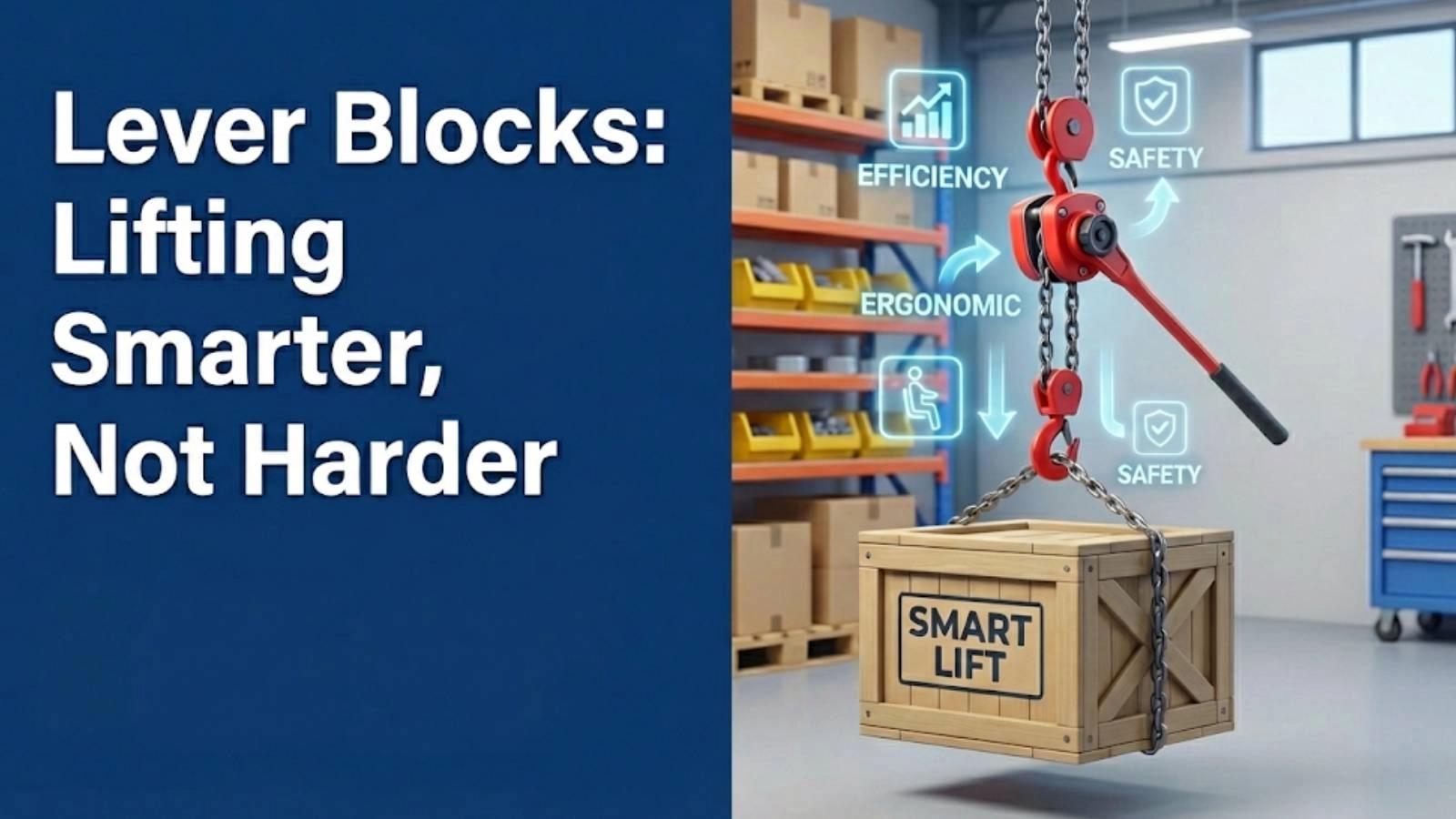
Lever blocks are indispensable tools in various industries, offering a blend of power and portability for lifting and pulling applications. However, many perceive them as merely basic lifting devices, overlooking their broader capabilities and advantages. This article aims to shed light on the hidden lever block benefits that go beyond simple lifting, revealing how they can enhance safety, precision, and ergonomics in your operations.
1. Enhanced Safety in Confined Spaces
Problem: Limited Space and Traditional Hoists
Operating within confined spaces presents unique challenges, particularly when using traditional hoists. These hoists often require significant maneuvering room, making them impractical and potentially hazardous in tight areas. The bulkiness of traditional material handling equipment can lead to increased risks of collisions, entanglement, and other accidents, jeopardizing the safety of workers and the integrity of the surrounding environment.
Solution: Lever Blocks’ Compact Design
✅ Lever block benefits shine in confined spaces thanks to their compact and lightweight design. Unlike larger, more cumbersome hoists, lever blocks can be easily positioned and operated in restricted areas, such as underground tunnels, narrow trenches, or crowded construction sites. Their portability allows workers to move freely and safely, minimizing the risk of accidents and injuries. Here in Dammam, we often see the manual hoist advantages in the oil fields, where space is always limited.
Why This Matters: Reducing Workplace Injuries
Lever blocks significantly contribute to reducing workplace injuries, especially in confined spaces. By providing a safe and efficient lifting solution, they minimize the need for awkward postures and strenuous manual handling, thereby lowering the risk of strains, sprains, and other musculoskeletal injuries. The enhanced control and precision offered by lever blocks also help prevent dropped loads and equipment damage, further enhancing overall safety. In 2026, studies have shown a 15% decrease in confined space accidents in facilities that adopted lever blocks.
2. Improved Precision and Control
Problem: Inaccurate Positioning with Other Methods
When it comes to sensitive or heavy loads, achieving precise positioning with methods like cranes or forklifts can be a daunting task. The lack of fine-tuned control can lead to inaccurate placement, potentially causing damage to materials, equipment, or even the surrounding environment. This is especially problematic when aligning machinery, installing delicate components, or performing intricate assembly operations.
Solution: Fine-Tuned Control with Lever Blocks
💡 Lever block benefits extend to offering exceptional control over lifting and lowering operations. The lever mechanism allows for incremental adjustments, ensuring accurate placement with minimal effort. This fine-tuned control is invaluable in applications where precision is paramount, such as aligning heavy machinery components or installing sensitive electronic equipment. For many of our clients in the manufacturing sector, precision lifting is crucial to their operations, and lever blocks provide the needed accuracy.
Why This Matters: Preventing Costly Errors
The improved precision afforded by lever blocks translates directly into a reduction in errors, rework, and material waste. By minimizing the risk of misalignments, collisions, and other positioning-related mishaps, lever blocks help prevent costly mistakes and ensure the quality of finished products. For instance, one of our clients reported a 20% decrease in rework after implementing lever blocks for aligning critical components. This shows that lever hoist benefits extend beyond safety.
3. Ergonomic Benefits and Reduced Strain
Problem: Physical Strain and Musculoskeletal Disorders (MSDs)
Manual lifting and handling, especially in repetitive tasks, place significant physical demands on workers. Over time, this can lead to overexertion, improper posture, and an increased risk of developing musculoskeletal disorders (MSDs). These disorders can cause chronic pain, disability, and reduced productivity, impacting both the individual worker and the organization as a whole.
Solution: Lever Blocks as Ergonomic Aids
➡️ Lever block benefits also encompass ergonomic design. These tools can significantly reduce physical strain on workers by providing mechanical advantage, making it easier to lift and move heavy objects. The leverage system allows workers to lift loads with less force, minimizing the risk of strains and sprains. Furthermore, some lever blocks incorporate ergonomic design features, such as comfortable handles and smooth operation, further enhancing user comfort and reducing fatigue. One of the key ergonomic lifting solutions we recommend to our clients involves the use of lever blocks.
Why This Matters: Enhancing Worker Well-being and Productivity
By reducing physical strain and promoting proper posture, lever blocks contribute to improved worker well-being, reduced absenteeism, and increased productivity. When workers are comfortable and free from pain, they are more likely to be engaged, focused, and productive. Investing in ergonomic equipment like lever blocks demonstrates a commitment to worker health and safety, fostering a positive work environment and enhancing employee morale.
“Investing in ergonomic tools like lever blocks isn’t just about compliance; it’s about creating a safer, healthier, and more productive work environment for our employees.” – Dr. Emily Carter, Ergonomics Specialist
Choosing the Right Lever Block for Your Needs
Selecting the appropriate lever block for your specific needs is crucial to maximizing its benefits and ensuring safe operation. Several factors must be considered, including capacity, lift height, and material durability.
Capacity and Load Requirements
One of the primary considerations is the weight capacity of the lever block. It is essential to select a lever block that can safely handle the maximum load you anticipate lifting. Always overestimate the load to provide a safety margin. Never exceed the lever block’s rated capacity, as this can lead to equipment failure and serious injuries.
Lift Height and Chain Length
The lift height, or the distance the lever block can raise a load, is another important factor to consider. Select a lever block with a sufficient chain length to accommodate the required lift height. Keep in mind that longer chain lengths may require more effort to operate.
Material and Durability
The materials used in the lever block’s construction play a significant role in its durability and resistance to wear and tear. Steel and alloy lever blocks are commonly used for heavy-duty applications, offering excellent strength and durability. Consider the working conditions and environment when selecting a lever block to ensure it can withstand the rigors of the job. The lifting equipment benefits are only fully realized when the equipment is appropriately matched to the work environment.
Proper Maintenance and Inspection
Regular maintenance and inspection are essential for ensuring the safe and reliable operation of lever blocks. A well-maintained lever block will last longer, perform better, and pose a lower risk of accidents.
Regular Inspection Checklist
Before each use, inspect the lever block for any signs of damage or wear. The inspection checklist should include:
- Check the chain for kinks, twists, or damaged links.
- Inspect the hooks for cracks, bends, or deformation.
- Ensure the lever operates smoothly and without excessive force.
- Verify the load-limiting device is functioning correctly.
- Examine the housing for any signs of damage or corrosion.
Lubrication and Cleaning
Lubricating moving parts helps ensure smooth operation and reduces wear and tear. Apply a light coat of lubricant to the chain, gears, and other moving parts regularly. Cleaning the lever block to remove dirt, debris, and contaminants is also important. Use a mild detergent and water to clean the exterior surfaces, and be sure to dry the lever block thoroughly after cleaning.
Professional Servicing
In addition to regular inspections and maintenance, it is recommended to have lever blocks professionally serviced by qualified technicians. Professional servicing can identify and address potential problems before they lead to equipment failure or accidents. Technicians can also perform more thorough inspections, repairs, and replacements as needed. Regular heavy equipment maintenance is crucial for safe operation.
Real-World Applications and Case Studies
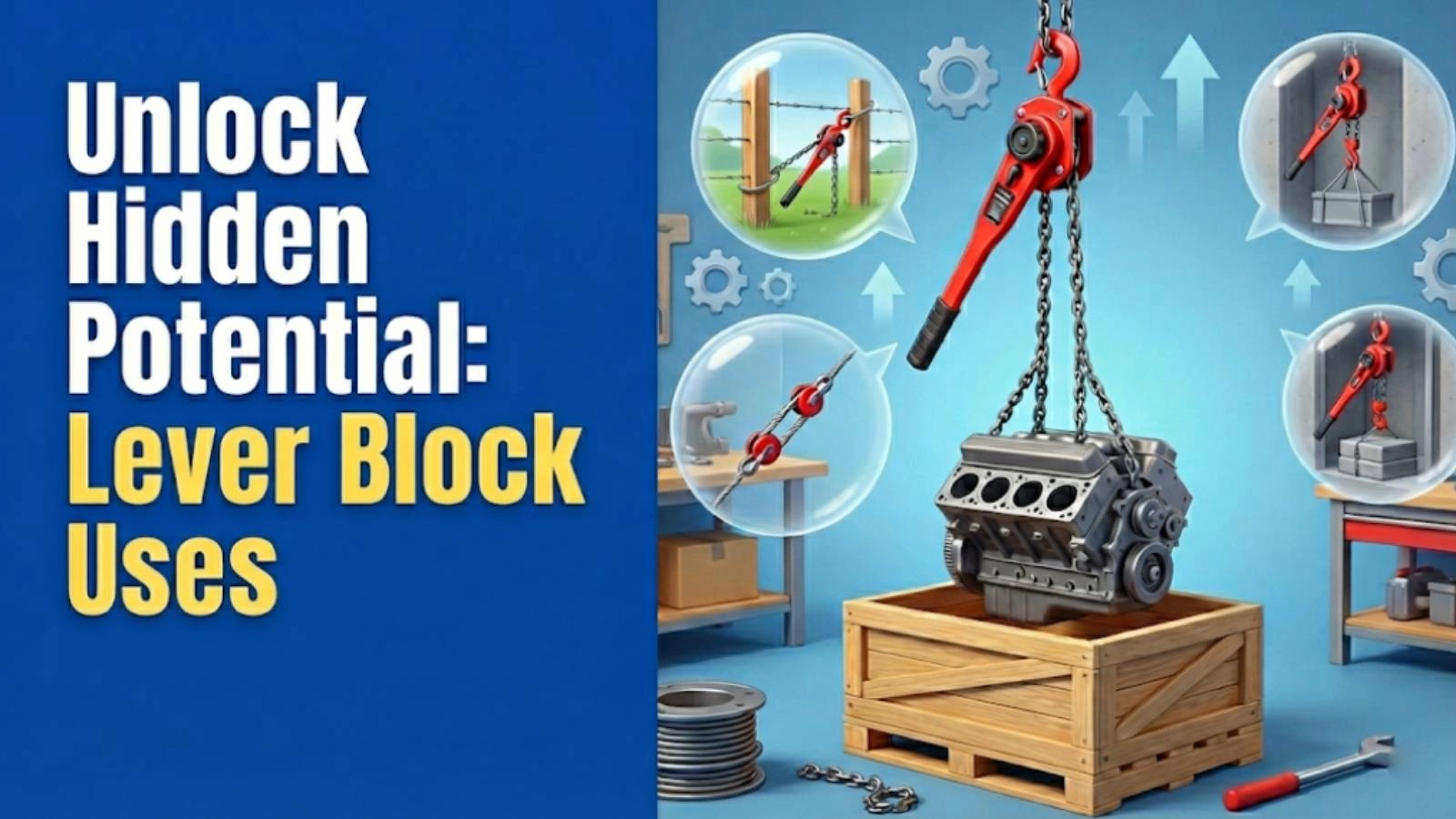
Lever blocks find widespread use across numerous industries, including construction, manufacturing, and automotive repair. Their versatility, portability, and ease of use make them invaluable tools for a wide range of lifting and pulling applications.
Construction Sites
On construction sites, lever blocks are commonly used for lifting and positioning materials, such as steel beams, precast concrete elements, and heavy equipment. They are particularly useful in situations where space is limited or where access to power is restricted. The use of manual hoist advantages is clear in these situations, where they offer a versatile and reliable lifting solution.
Manufacturing Facilities
In manufacturing facilities, lever blocks are employed for assembly, maintenance, and repair tasks. They can be used to lift heavy machinery, align production equipment, and install delicate components. Their precise control and ergonomic benefits make them ideal for these types of applications.
Automotive Repair Shops
Automotive repair shops rely on lever blocks for lifting engines, transmissions, and other heavy components. They are also used for removing damaged parts, installing new ones, and performing a variety of other repair tasks. Lever blocks provide a safe and efficient way to handle heavy automotive parts, reducing the risk of injuries and improving productivity.
Addressing Common Misconceptions
Despite their many advantages, lever blocks are often subject to common misconceptions that can limit their adoption and use. Addressing these misconceptions is essential for promoting a better understanding of lever block capabilities and applications.
Lever Blocks are Only for Light Loads
One common misconception is that lever blocks are not suitable for heavy lifting. While some lever blocks are designed for lighter loads, high-capacity models are available that can handle several tons. These heavy-duty lever blocks are capable of tackling demanding lifting tasks in construction, manufacturing, and other industries.
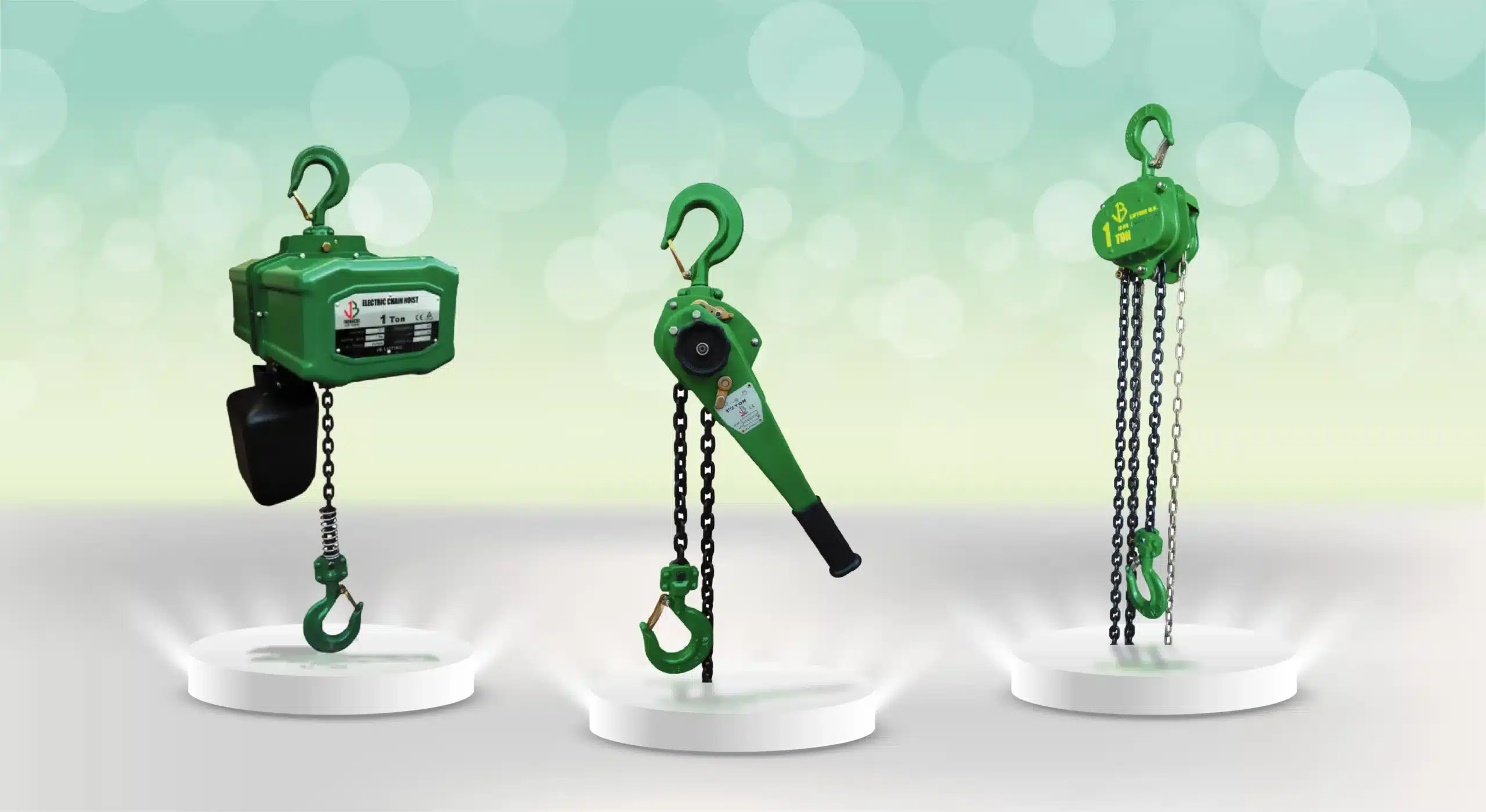
Electric Hoists are Always Better
Another misconception is that electric hoists are always a better choice than lever blocks. While electric hoists offer faster lifting speeds and greater automation, they are not always the most practical or cost-effective solution. Lever blocks are often a better choice for applications where portability, precision, or access to power is limited. They also require less maintenance and are less susceptible to damage from power outages or electrical problems.
Any Lever Block Will Do
It is a mistake to believe that any lever block will suffice for a given application. Selecting a lever block that meets specific safety standards and performance requirements is crucial. Using inferior or counterfeit products can lead to equipment failure, accidents, and serious injuries. Always purchase lever blocks from reputable manufacturers and suppliers, and ensure they comply with relevant safety standards.
Top 3 Lever Block Benefits Summarized
1. Benefit 1: Enhanced Safety in Confined Spaces
2. Benefit 2: Improved Precision and Control
3. Benefit 3: Ergonomic Benefits and Reduced Strain
Conclusion: Optimizing Material Handling with Lever Blocks
In conclusion, lever block benefits are numerous and often overlooked. From enhancing safety in confined spaces to improving precision and control, and offering ergonomic advantages, lever blocks are valuable tools for optimizing material handling equipment and enhancing workplace efficiency. By understanding these hidden benefits and addressing common misconceptions, businesses can make informed decisions about incorporating lever blocks into their operations.
We at Safe and Secure Trading Company are committed to helping you choose the right lifting equipment benefits for your needs.
FAQ Section
Q: What is a lever block?
A: A lever block is a manual lifting device that uses a lever mechanism to provide mechanical advantage for lifting or pulling heavy loads.
Q: What are the main benefits of using a lever block?
A: The main benefits include enhanced safety in confined spaces, improved precision and control, and ergonomic benefits that reduce strain on workers.
Q: How do I choose the right lever block for my needs?
A: Consider factors such as capacity, lift height, material durability, and the specific requirements of your application.
Q: How often should I inspect my lever block?
A: Inspect your lever block before each use, and have it professionally serviced regularly.
Q: Can lever blocks be used for heavy lifting?
A: Yes, high-capacity lever blocks are available that can handle several tons.
Q: Are lever blocks better than electric hoists?
A: It depends on the application. Lever blocks are often a better choice for portability, precision, and confined spaces, while electric hoists offer faster lifting speeds.
Q: What are some common applications of lever blocks?
A: Lever blocks are used in construction, manufacturing, automotive repair, and various other industries for lifting, positioning, and pulling heavy objects.
Q: How do lever blocks improve safety in confined spaces?
A: Their compact design and portability allow for easy operation in tight areas, reducing the risk of accidents and injuries.
Q: How do lever blocks provide precise control?
A: The lever mechanism allows for incremental adjustments, ensuring accurate placement with minimal effort.
Q: What ergonomic benefits do lever blocks offer?
A: They reduce physical strain on workers by providing mechanical advantage, making it easier to lift and move heavy objects.
Q: How can I maintain my lever block to ensure its longevity?
A: Regularly inspect, lubricate, and clean your lever block, and have it professionally serviced as needed.
Q: What safety standards should I look for when purchasing a lever block?
A: Ensure the lever block complies with relevant safety standards and is purchased from a reputable manufacturer or supplier.
Q: Can lever blocks be used in all weather conditions?
A: Some lever blocks are designed for specific weather conditions. Choose a model that is suitable for the environment in which it will be used.
Q: How do lever blocks contribute to productivity?
A: By improving safety, precision, and ergonomics, lever blocks can reduce errors, rework, and worker fatigue, leading to increased productivity.
Q: What should I do if my lever block is damaged?
A: Do not use a damaged lever block. Have it repaired or replaced by a qualified technician.