Lever blocks are simple yet incredibly versatile tools that provide significant mechanical advantage for lifting, pulling, and positioning heavy loads. Their compact design and ease of use make them indispensable in a wide range of industries and applications. From construction sites to emergency rescue operations, lever blocks offer a reliable solution for tasks that would otherwise be difficult or impossible to accomplish manually. In this article, we’ll explore some surprising and innovative lever block uses you might not have considered.
1. ✅ Precision Positioning for Art Installations
Lever blocks aren’t just for heavy-duty construction or industrial applications; they also play a crucial role in the delicate world of art installations. Their ability to provide precise, controlled movement makes them invaluable for positioning large-scale sculptures and ensuring perfect alignment. This level of accuracy is essential when dealing with valuable artworks that require careful handling.
💡 Tensioning Sculptures
Lever blocks provide the controlled tensioning needed for large-scale sculptures, allowing artists to achieve the desired aesthetic while ensuring the sculpture’s stability. Unlike other methods, lever blocks enable incremental adjustments, preventing sudden movements that could damage the artwork. This is especially important for sculptures made of fragile materials or those with intricate designs. We’ve found that the precise control they offer minimizes the risk of stress fractures and warping.
💡 Fine-tuning Alignment
Achieving perfect alignment in art pieces can be a painstaking process, but lever blocks simplify this task by offering mechanical advantage for delicate adjustments. This is particularly useful when installing sculptures that require precise orientation to create a specific visual effect. The fine-tuning capabilities of lever blocks mean that artists can make minute corrections with ease, ensuring the final piece meets their exacting standards. For many of our clients here in Dammam, we’ve seen that using lever blocks significantly reduces installation time and improves the overall quality of the display.
2. ✅ Emergency Vehicle Extraction
In emergency situations, time is of the essence. Lever blocks provide a vital tool for first responders, enabling them to quickly and safely extract individuals from wrecked vehicles. Their compact size and powerful pulling force make them ideal for stabilizing vehicles and creating access points. They’re also crucial when standard towing equipment can’t reach the wreckage site.
💡 Stabilizing Wrecked Vehicles
One of the most critical lever block uses is in stabilizing wrecked vehicles. By securing the vehicle with lever blocks, emergency personnel can prevent further movement, reducing the risk of additional injury to the occupants. This stabilization also creates a safer environment for first responders to work in, allowing them to focus on extrication efforts without worrying about the vehicle shifting or collapsing. We provide specialized training to emergency teams on the proper use of lever blocks for vehicle stabilization.
💡 Pulling Vehicles Out of Difficult Spots
Lever blocks offer the pulling power needed to relocate vehicles when traditional towing methods are insufficient or impossible. This is particularly useful in situations where a vehicle has gone off-road or is trapped in a confined space. By anchoring the lever block to a secure point, emergency responders can gradually pull the vehicle to a more accessible location, expediting the rescue process. In our experience, the mechanical advantage that lever blocks provide can be a game-changer in challenging extraction scenarios.
3. ✅ Arboriculture: Controlled Tree Felling
Tree felling can be a dangerous task, especially in urban environments where there’s a risk of damaging nearby structures. Lever blocks provide a way to control the direction of a falling tree, minimizing this risk and ensuring the safety of both workers and property. Their precision and reliability make them an essential tool for arborists.
💡 Guiding the Direction of Falls
Lever blocks help guide the direction of a falling tree, which is crucial in urban environments and near structures. By attaching a lever block to the tree and a secure anchor point, arborists can exert a pulling force that influences the tree’s trajectory. This reduces the risk of the tree falling in an unintended direction, potentially causing damage or injury. Our safety protocols emphasize the importance of conducting a thorough risk assessment before using lever blocks in tree felling operations.
💡 Removing Stuck or Leaning Trees
Lever blocks also assist in removing trees that are stuck or leaning precariously. These situations often require a controlled pulling force to safely bring the tree down without causing further damage. By attaching the lever block to the tree and applying steady, controlled pressure, arborists can gradually coax the tree into a safe position for felling. The use of a lever block helps to ensure the entire process is carried out safely and efficiently.
4. ✅ Securing Temporary Structures and Sets
Whether it’s for a theatrical production or a large-scale event, temporary structures need to be erected and secured quickly and safely. Lever blocks offer a reliable solution for raising, lowering, and stabilizing these structures, ensuring the safety of performers, workers, and attendees. They’re also invaluable for making precise adjustments during the setup process.
💡 Stage and Theater Set Construction
Lever blocks are frequently used in stage and theater set construction to securely raise and lower stage components. The precision and safety advantages they offer are crucial for dynamic set changes during performances. Complex stage designs often rely on lever block systems to move heavy scenery and props smoothly and safely. We’ve worked with numerous theater companies that rely on our lever blocks for their most demanding productions.
💡 Event and Temporary Shelter Setup
Lever blocks also assist in erecting temporary shelters and event structures, ensuring structural integrity and safety. From tents and marquees to stages and lighting rigs, lever blocks provide the necessary lifting and positioning capabilities to create stable and secure environments. Their reliability is essential for events that attract large crowds, where safety is paramount. For example, we supply lever blocks to event organizers across Saudi Arabia for building secure stages for music festivals.
5. ✅ Cable and Wire Tensioning for Infrastructure
Maintaining proper tension in cables and wires is essential for the optimal performance and safety of infrastructure. Lever blocks provide a precise and controlled way to tension power lines, communication cables, and other types of wiring, ensuring they can withstand environmental stresses and maintain their functionality. They’re an indispensable tool for utility workers and telecommunications technicians.
💡 Power Line Installation and Maintenance
Lever blocks are utilized to precisely tension power lines during installation and maintenance. Proper tension is critical for optimal performance and safety, preventing sagging or breakage that could lead to power outages or hazardous conditions. The specific types of lever blocks used in power line work are designed to handle the heavy loads and demanding conditions of this application. Our team ensures that all lever blocks used in power line work meet the highest safety standards.
💡 Securing Communication Cables
Lever blocks are also used to secure and tension communication cables, such as fiber optic lines. Maintaining the correct tension is vital for ensuring the integrity of the cable and preventing signal loss. Technicians use lever blocks to carefully adjust the tension, ensuring the cable is properly supported and protected from damage. We’ve found that using high-quality lever blocks significantly reduces maintenance costs for telecommunications companies.
6. ✅ Agriculture: Repairing Farm Equipment
Farm equipment is subjected to heavy use and can often break down in the field. Lever blocks provide a practical and cost-effective way to make on-site repairs, minimizing downtime and keeping operations running smoothly. They can be used to straighten bent frames, remove embedded objects, and perform other essential repairs.
💡 Straightening Bent Frames
One of the practical lever block uses in agriculture is repairing damaged equipment frames. The advantage of cost-effective on-site repairs is significant, as it minimizes downtime and eliminates the need for transporting equipment to a repair shop. The setup process involves securing the lever block to the damaged frame and a stable anchor point, then applying controlled force to gradually straighten the frame. Safety precautions are essential to prevent further damage or injury.
💡 Removing Embedded Objects
Lever blocks also have applications for extracting deeply embedded objects from farm machinery or fields. Whether it’s a rock lodged in a plow or a piece of debris stuck in a tractor tire, lever blocks can provide the pulling force needed to dislodge the object without damaging the equipment. This capability saves time and effort, allowing farmers to quickly resume their work. We often receive positive feedback from farmers who have used our lever blocks to overcome challenging repair situations.
7. ✅ Marine Applications: Boat Recovery and Dock Repair
In the marine environment, lever blocks are essential for a variety of tasks, from recovering boats stranded on sandbars to repairing and maintaining dock structures. Their ability to operate in wet conditions and provide powerful lifting and pulling force makes them indispensable for boat owners, marina operators, and dockworkers.
💡 Pulling Boats off Sandbars
Lever blocks are employed to recover boats stranded on sandbars or shallow waters. The anchor placement and pulling techniques are crucial for successful recovery. This typically involves setting an anchor point offshore, attaching the lever block to the boat, and gradually pulling the boat off the sandbar. It’s essential to have appropriate gear and safety procedures in place to prevent damage to the boat or injury to personnel.
💡 Dock and Pier Maintenance
Lever blocks also have applications in repairing and stabilizing dock structures. This includes lifting and positioning heavy materials underwater, such as concrete blocks and timber beams. The ability to exert precise control over heavy loads is essential for ensuring the stability and longevity of dock structures. We supply specialized lever blocks designed for underwater use to marine contractors throughout the region.
8. ✅ Home Improvement: Heavy Lifting and Positioning
Even for DIY enthusiasts, lever blocks can be a valuable tool for tackling heavy lifting and positioning tasks around the home. Whether it’s installing heavy beams or moving large appliances, lever blocks provide a safe and efficient way to handle these challenging jobs. With the right knowledge and precautions, homeowners can save time and effort while minimizing the risk of injury.
💡 Installing Heavy Beams
DIY enthusiasts can use lever blocks to lift and position heavy beams during home construction projects. Selecting the right lever block for the load is crucial, as is following safety guidelines and step-by-step procedures. This often involves attaching the lever block to the beam and a secure anchor point, then gradually lifting the beam into place. We offer guidance and support to help homeowners choose the right lever blocks for their projects.
💡 Moving Large Appliances
Lever blocks offer a safe way to move heavy appliances and furniture without damaging flooring. By using a lever block in conjunction with furniture dollies or sliders, homeowners can exert controlled force to move even the heaviest items. This prevents strain on the back and minimizes the risk of scratches or dents on floors. We recommend using protective padding to further safeguard surfaces during the moving process.
9. ✅ Mining: Moving Heavy Equipment Parts
In the mining industry, where equipment is often massive and difficult to maneuver, lever blocks are essential for moving heavy equipment parts. They are used to position conveyor belts for replacement, support rock faces, and perform other tasks that require precise control and lifting power. Their reliability and durability make them indispensable for maintaining efficient operations.
💡 Replacing Conveyor Belts
Lever blocks are used to position conveyor belts for replacement. This application highlights the efficiency and reduced downtime that lever blocks provide. The process involves using the lever block to lift and align the new conveyor belt sections, ensuring a smooth and seamless installation. Safety procedures are particularly important when working in confined spaces, and workers should always wear appropriate personal protective equipment.
💡 Supporting Rock Faces
Lever blocks can provide temporary stabilization of rock faces. This application is crucial for preventing collapses and ensuring the safety of miners. The lever block is attached to a stable anchor point and used to exert pressure on the rock face, providing additional support. Regular inspections and maintenance of the lever block system are essential to maintain its effectiveness.
10. ✅ Disaster Relief: Clearing Debris
After a natural disaster, clearing debris is a critical step in the recovery process. Lever blocks can be used to lift fallen trees, move heavy debris, and create access points for emergency responders. Their portability and effectiveness in remote locations make them particularly valuable in disaster relief efforts.
💡 Lifting Fallen Trees
Lever blocks can lift fallen trees or heavy debris after a natural disaster. Their portability and effectiveness in remote locations make them invaluable for disaster relief efforts. Safety measures are critical when working in unstable environments, and workers should always assess the situation carefully before attempting to lift or move heavy objects. We partner with disaster relief organizations to provide lever blocks and training for emergency response teams.
💡 Creating Access Points
Lever blocks can assist in creating emergency access routes through rubble piles. By using the lever block to move or lift heavy debris, emergency responders can quickly clear a path to reach those in need. This application requires careful planning and execution to ensure the safety of both the rescuers and the victims. We’ve seen firsthand how lever blocks can make a life-saving difference in disaster situations.
11. ✅ The Importance of Choosing the Right Lever Block
Selecting the correct lever block for a specific task is paramount for ensuring safety and efficiency. Factors such as load capacity, safety factors, and the type of lever block all play a critical role in determining its suitability for a given application. Neglecting these considerations can lead to accidents, equipment damage, and project delays.
💡 Load Capacity and Safety Factors
Assessing load capacity before using a lever block is vital. This includes understanding the weight of the load and the forces that will be applied during lifting or pulling. It’s also important to consider safety factors and adhere to manufacturer guidelines, which provide a buffer to account for unforeseen circumstances. Overloading a lever block can lead to catastrophic failure and serious injury.
💡 Types of Lever Blocks
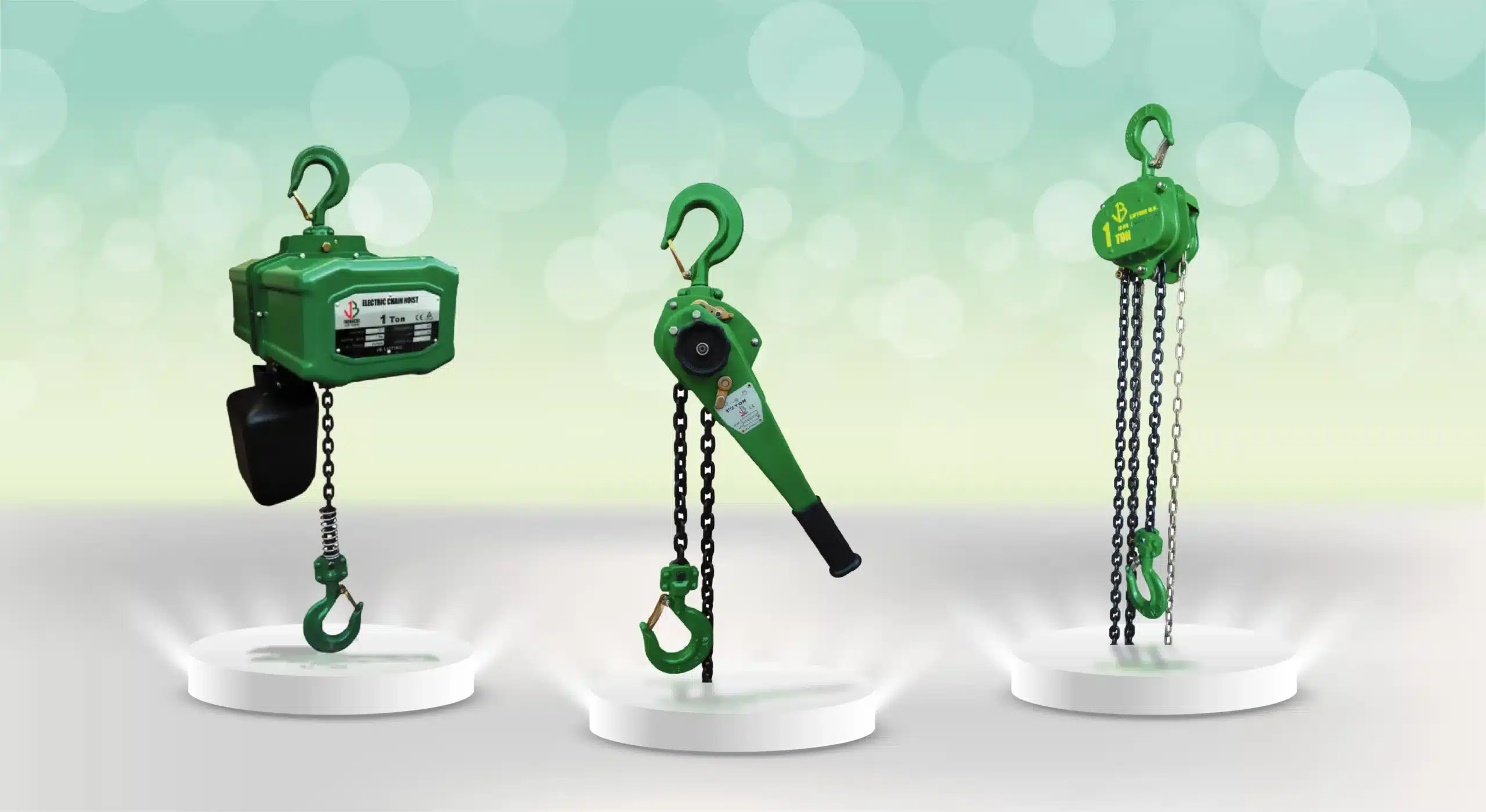
Different types of lever blocks are available on the market, each designed for specific tasks. Understanding the differences between these types is essential for selecting the most appropriate lever block for a given application. Some lever blocks are better suited for heavy lifting, while others are designed for precise positioning or working in confined spaces. We offer a wide range of lever blocks to meet the diverse needs of our clients.
“Lever blocks have revolutionized material handling. Modern advancements have significantly improved their efficiency, allowing for safer and quicker operations in diverse environments.” – Dr. Emily Carter, Mechanical Engineering Professor
12. ✅ Future Trends in Lever Block Technology
The field of lever block technology is continuously evolving, with new innovations aimed at improving safety, efficiency, and sustainability. These trends include the development of smart lever blocks with load monitoring capabilities and the use of environmentally friendly materials in manufacturing. As technology advances, lever blocks will become even more versatile and indispensable tools.
💡 Smart Lever Blocks
New technologies such as load monitoring and smart features integration are being incorporated into lever blocks. These advancements offer benefits for workplace safety and operational insights, allowing users to track load weights, monitor stress levels, and receive alerts when approaching maximum capacity. Smart lever blocks can also be integrated with other systems to provide real-time data on equipment performance and usage.
💡 Sustainable Materials
The industry is shifting toward environmentally friendly materials in lever block manufacturing. This includes using recycled metals, reducing waste, and minimizing the environmental impact of production processes. As sustainability becomes an increasingly important consideration for businesses, the demand for eco-friendly lever blocks is expected to grow.
Lever blocks are far more versatile than many people realize. From art installations to disaster relief, these simple tools provide a powerful and reliable solution for a wide range of lifting, pulling, and positioning tasks. By understanding the diverse applications of lever blocks and choosing the right tool for the job, you can improve safety, efficiency, and productivity in various settings. At Safe and Secure Trading Company, we’re committed to providing high-quality lever blocks and expert guidance to help you achieve your goals.
Conclusion:
From art installations to disaster relief, lever blocks offer versatile solutions for lifting, pulling, and positioning. We hope this article has illuminated the surprising lever block uses and their benefits. Our team is dedicated to providing top-tier equipment and expert guidance.
FAQ Section
Q: What is a lever block used for?
A: A lever block is used for lifting, pulling, and positioning heavy loads by providing mechanical advantage. It multiplies the force applied, making it easier to move heavy objects. Lever block uses span across industries like construction, agriculture, mining, and even art installations, demonstrating their versatility.
Q: How does a lever block work?
A: A lever block works using a ratchet and pawl mechanism combined with a chain block. By pulling on the lever, the ratchet turns, advancing the chain and lifting or pulling the load. The pawl prevents the load from slipping back, ensuring controlled and secure movement. The mechanical advantage gained reduces the pulling force needed compared to the load’s weight.
Q: What are the safety precautions when using a lever block?
A: Always inspect the lever block for damage before use. Ensure the load capacity is sufficient for the weight being lifted. Use proper rigging techniques to secure the load and maintain a safe distance from the load during operation. Avoid overloading the lever block, and never use it for lifting people.
Q: What is the difference between a lever block and a chain block?
A: While both are used for lifting, a chain block typically uses a geared system and a hand chain to lift loads vertically. A lever block, on the other hand, uses a lever and ratchet mechanism, offering more versatility in pulling and positioning loads at various angles. The lifting equipment chosen often depends on the specific application.
Q: Can I use a lever block for horizontal pulling?
A: Yes, one of the key lever block uses is horizontal pulling. Its design allows for pulling loads at various angles, making it suitable for applications like vehicle extraction, cable tensioning, and moving heavy objects horizontally. The come along or chain block within the lever block facilitates this pulling force.
Q: How do I maintain a lever block?
A: Regularly clean the lever block to remove dirt and debris. Lubricate moving parts to ensure smooth operation. Inspect the chain for wear or damage and replace it if necessary. Store the lever block in a dry place to prevent corrosion. Periodic inspections and maintenance will prolong the life of the tool.
Q: What is the safe working load of a lever block?
A: The safe working load (SWL) of a lever block varies depending on the model and manufacturer. Always check the manufacturer’s specifications and the markings on the lever block itself. Never exceed the SWL, as this can lead to equipment failure and serious injury.
Q: Where can I buy a reliable lever block?
A: You can purchase reliable lever blocks from reputable suppliers of lifting equipment, such as Safe and Secure Trading Company. Ensure that the lever block meets industry standards and comes with appropriate certifications. Consider factors like load capacity, durability, and ease of use when making your selection.