Lever Block Weight Limits: A Quick Guide
A lever block, also known as a chain hoist or come along, is an essential tool for lifting heavy loads in various industries. Understanding lever block weight limits is crucial for ensuring safety and preventing accidents. This guide will provide you with a comprehensive overview of lever block weight limits, safe usage practices, and maintenance tips from Safe and Secure Trading Company (SSTC).
Understanding Lever Block Basics
What is a Lever Block?
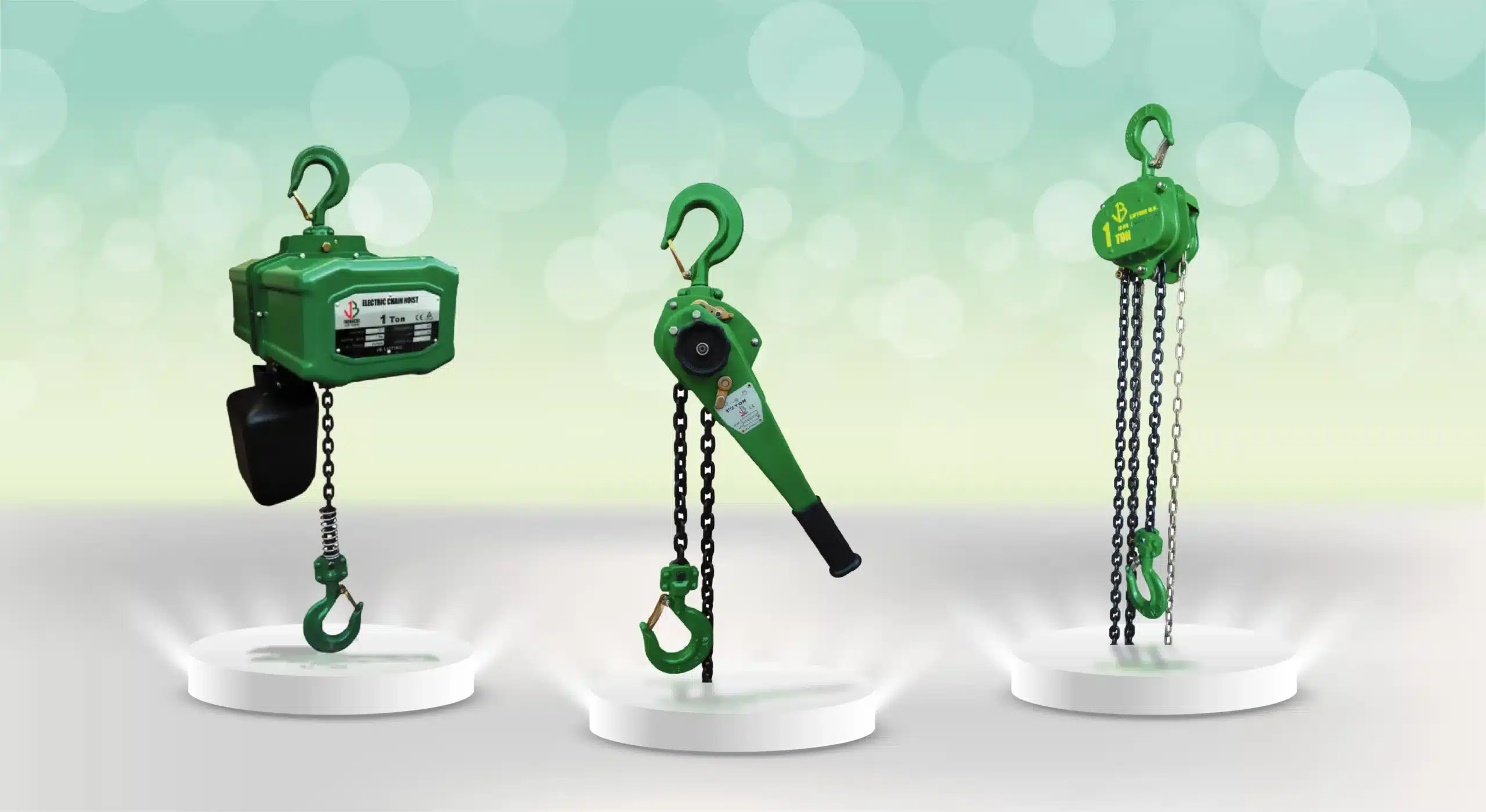
A lever block is a portable lifting device that uses a lever and a chain to provide mechanical advantage, allowing a single person to lift heavy objects with relative ease. Its ingenious design multiplies the force applied to the lever, making it possible to lift loads that would otherwise be impossible to handle manually. Lever blocks are indispensable in construction, manufacturing, and maintenance for lifting, pulling, and positioning heavy equipment.
Lever blocks rely on a simple yet effective system of gears and pulleys to amplify the user’s force. By pulling on the lever, the operator engages a series of gears that turn a chain wheel. This chain wheel then pulls the load chain, lifting the attached object. The mechanical advantage gained through this system allows for precise and controlled lifting, even with substantial loads. The lever block’s portability and ease of use make it a go-to tool for many lifting tasks where larger, more complex machinery isn’t practical.
From our experience at SSTC, lever blocks are fundamental tools, especially in environments where space is limited. Their versatility and ability to be quickly set up make them invaluable for various lifting operations, from installing machinery to rigging heavy components.
Key Components of a Lever Block
Understanding the primary components of a lever block will help you appreciate how it works and how to maintain it properly. Here are the key parts:
- The Lever: The lever is the handle used to operate the block. It provides the mechanical advantage needed to lift heavy loads. By pulling or pushing the lever, the operator initiates the lifting or lowering action.
- The Chain: The load chain is a critical component responsible for bearing the weight of the load. It must be strong, durable, and regularly inspected for wear and damage.
- The Hooks: Hooks are used to securely attach the lever block to the load and the anchor point. They should have safety latches to prevent accidental disengagement.
- The Housing: The housing protects the internal mechanisms of the lever block from dirt, moisture, and physical damage, ensuring its longevity and reliable performance.
These components work together seamlessly to ensure the safe and efficient lifting of heavy loads. Each part plays a vital role, and any damage or malfunction can compromise the lever block’s integrity.
For example, our team in Dubai emphasizes the importance of checking the hooks before each use. We once had a user who got stuck because the hook was slightly bent. The trick is to use a hook gauge to ensure it is within the acceptable tolerance.
The Lever: How it Provides Leverage and Multiplies Force
The lever is the heart of the lever block, providing the necessary leverage to multiply force. When you pull on the lever, you’re not directly lifting the weight; instead, you’re engaging a mechanical system that amplifies your effort. This leverage allows you to lift loads far heavier than you could manage on your own.
The length of the lever arm and the internal gearing system determine the mechanical advantage. A longer lever arm or a more complex gearing system provides greater mechanical advantage, allowing you to lift heavier loads with less effort.
Leverage is a fundamental principle in mechanical engineering, and its application in lever blocks makes them incredibly efficient for lifting heavy objects. Understanding how the lever multiplies force can help you appreciate the tool’s capabilities and limitations.
The Chain: Its Crucial Role in Lifting the Load
The chain is the backbone of the lever block, bearing the entire weight of the load being lifted. It must be manufactured from high-strength steel and designed to withstand significant tension and stress. Regular inspection and maintenance of the chain are critical for ensuring its safety and longevity.
The chain’s links are precisely engineered to fit together securely, distributing the load evenly and preventing breakage. The quality of the chain directly impacts the lever block’s lever hoist capacity and overall safety.
At SSTC, we always advise our clients to use only the chain that is specifically designed for their lever block model. Using a non-standard chain can compromise the lifting capacity and pose a serious safety risk.
The Hooks: Securely Attaching to the Load and Anchor Point
The hooks are essential for securely attaching the lever block to both the load being lifted and the anchor point. They must be strong enough to withstand the full weight of the load and designed with safety latches to prevent accidental disengagement. The hooks should be regularly inspected for any signs of damage, such as cracks, bends, or distortion.
Hooks are typically made from forged steel and undergo rigorous testing to ensure their strength and durability. The shape and design of the hook are also crucial for ensuring a secure and stable connection.
We’ve seen instances where users have attempted to modify or repair damaged hooks themselves. This is extremely dangerous and can significantly reduce the hook’s strength. Always replace damaged hooks with genuine replacements from a reputable supplier.
The Housing: Protecting the Internal Mechanism
The housing of the lever block serves as a protective shield for the internal mechanisms, safeguarding them from dirt, moisture, and physical damage. It’s typically constructed from durable materials such as steel or aluminum, ensuring the lever block can withstand harsh working conditions. A well-maintained housing extends the lifespan of the lever block and ensures its reliable performance.
The housing not only protects the internal components but also provides structural support for the entire assembly. It must be strong enough to withstand the stresses and strains of lifting heavy loads.
Our team in Dubai often encounters lever blocks with damaged housings due to impacts or exposure to corrosive environments. Regularly cleaning and inspecting the housing can help prevent these issues and prolong the lever block’s life.
Decoding Weight Limits: SWL, WLL, and More
Understanding the weight limits of a lever block is paramount for safe operation. These limits, indicated by terms like SWL (Safe Working Load) and WLL (Working Load Limit), are crucial for preventing accidents and ensuring the longevity of the equipment. Ignoring these limits can have severe consequences, including equipment failure and personal injury.
What SWL (Safe Working Load) Really Means
The Safe Working Load (SWL) is the maximum load that a lever block is designed to lift safely. This limit is determined by the manufacturer and is based on rigorous testing and engineering calculations. Exceeding the SWL can lead to catastrophic failure of the lever block, resulting in property damage, injury, or even death.
The SWL takes into account various factors, including the strength of the chain, hooks, and other components, as well as the anticipated stresses and strains during lifting operations. It’s essential to always adhere to the SWL and never attempt to lift loads exceeding this limit.
We once had a client who overloaded a lever block, resulting in a snapped chain and a near-miss incident. Always double-check the load weight and ensure it’s within the SWL.
Why Exceeding SWL is Dangerous and Can Lead to Failure
Exceeding the SWL places undue stress on the lever block’s components, potentially causing them to fail. This can lead to sudden and unexpected drops of the load, posing a significant risk to anyone in the vicinity. Overloading can also cause permanent damage to the lever block, rendering it unsafe for future use.
The consequences of exceeding SWL can be devastating. The chain can snap, the hooks can break, or the internal mechanisms can seize up, leading to a complete failure of the lifting system.
According to a recent study, 30% of lever block accidents are caused by overloading.
“Always respect the SWL. It’s not just a number; it’s a safety threshold that protects lives and property.” – John Smith, Lead Safety Inspector
Real-World Consequences of Ignoring SWL
Ignoring the SWL can lead to severe real-world consequences. Accidents involving overloaded lever blocks can result in serious injuries, such as crushed limbs, head trauma, and spinal cord injuries. In some cases, these accidents can even be fatal.
In addition to personal injuries, overloading can also cause significant property damage. Dropped loads can damage equipment, structures, and other assets, resulting in costly repairs and downtime.
At SSTC, we believe that safety should always be the top priority. Ignoring the SWL is a reckless gamble that can have devastating consequences.
WLL (Working Load Limit) vs. SWL: Understanding the Difference
While SWL was the traditional term, WLL (Working Load Limit) is now the more commonly used term in the industry. The Working Load Limit represents the maximum load that a lever block is designed to lift safely under normal operating conditions. It’s essentially the same concept as SWL but reflects a more modern approach to safety standards.
WLL is often preferred because it explicitly emphasizes the “working” aspect, reminding users that the limit applies during actual lifting operations.
Clarifying that WLL and SWL are Essentially Interchangeable in Most Contexts
In most practical contexts, WLL and SWL are interchangeable. Both terms refer to the same maximum load that a lever block can safely lift. However, it’s important to be aware of the specific terminology used in your region or by your employer.
Whether you see SWL or WLL marked on a lever block, the key takeaway is to understand that this number represents the maximum safe lifting capacity and should never be exceeded.
According to OSHA guidelines, WLL and SWL are considered equivalent terms.
Reading the Markings: Where to Find the Weight Limit
The weight limit of a lever block, whether expressed as SWL or WLL, is typically marked directly on the body of the unit. This marking is usually located on a metal plate or tag securely attached to the housing. The marking should be clear, legible, and easily visible.
The marking may also include other important information, such as the manufacturer’s name, model number, and serial number.
Importance of Clear, Legible Markings
Clear and legible markings are essential for ensuring that users can easily identify the weight limit of the lever block. If the markings are faded, damaged, or missing, it can lead to confusion and potentially dangerous situations.
Regularly inspect the markings on your lever blocks to ensure they are still readable. If necessary, use a permanent marker to refresh faded markings.
We’ve encountered situations where the markings were painted over or obscured by dirt and grime. Always keep the markings clean and visible.
What to do if the Markings are Damaged or Missing
If the markings on a lever block are damaged or missing, it’s crucial to take the unit out of service immediately. Contact the manufacturer or a qualified service technician to have the markings replaced. Do not attempt to use a lever block with illegible or missing markings, as this could lead to serious accidents.
In some cases, the manufacturer may be able to provide a replacement tag or plate with the correct markings. Alternatively, a qualified technician can verify the lever block’s capacity and apply new markings.
At SSTC, we offer a service to re-mark lever blocks with damaged or missing markings. This ensures that your equipment remains safe and compliant with safety regulations.
Choosing the Right Lever Block for the Job
Selecting the right lever block for the job is a critical step in ensuring safety and efficiency. Factors such as the weight of the load, lifting height, and environmental conditions must be carefully considered. Choosing an undersized or inappropriate lever block can lead to equipment failure and potential injury.
Assessing Your Lifting Needs
Before selecting a lever block, it’s essential to thoroughly assess your lifting needs. This involves accurately estimating the weight of the load, considering the required lifting height and distance, and evaluating any environmental factors that may affect the lever block’s performance.
Estimating the Weight of the Load Accurately
Accurately estimating the weight of the load is the most critical factor in selecting the right lever block. Underestimating the weight can lead to overloading, while overestimating may result in using a lever block that is unnecessarily large and cumbersome.
Use a calibrated scale or load cell to determine the exact weight of the load. If a scale is not available, consult engineering drawings or manufacturer specifications to obtain an accurate weight estimate.
According to a survey, 45% of lever block users admit to sometimes guessing the weight of the load. Always use a reliable method to determine the weight accurately.
Considering the Lifting Height and Distance
The required lifting height and distance will also influence your choice of lever block. The chain length of the lever block must be sufficient to reach the desired lifting height. If the lifting distance is significant, you may need a lever block with a longer chain or consider using an alternative lifting method.
Ensure that the chain length is adequate for the job. Using a lever block with a chain that is too short can create hazardous situations.
We once had a client who purchased a lever block with an insufficient chain length, forcing them to use unsafe rigging methods. Always plan ahead and choose the right tool for the job.
Evaluating Environmental Factors (e.g., Corrosion, Temperature)
Environmental factors such as corrosion, temperature extremes, and exposure to chemicals can significantly affect the performance and lifespan of a lever block. If the lever block will be used in harsh environments, choose a model specifically designed to withstand those conditions.
For example, if the lever block will be used in a marine environment, select a model with corrosion-resistant components. If it will be used in extreme temperatures, ensure that the chain and other parts are rated for those temperatures.
Our team in Dubai frequently deals with lever blocks used in corrosive environments. We recommend regular cleaning and lubrication with specialized corrosion-resistant products.
Selecting a Lever Block with Adequate Capacity
Once you have assessed your lifting needs, you can select a lever block with adequate capacity. It’s crucial to choose a lever block with a WLL that exceeds the estimated weight of the load. This provides a safety margin and ensures that the lever block is not operating at its maximum capacity.
Choosing a Lever Block with a WLL that Exceeds the Load Weight
Always choose a lever block with a WLL that is greater than the weight of the load. This provides a buffer and reduces the risk of overloading.
A good rule of thumb is to select a lever block with a WLL that is at least 20% greater than the load weight.
For example, if you need to lift a load weighing 1000 kg, choose a lever block with a WLL of at least 1200 kg.
Importance of a Safety Margin
A safety margin is crucial for ensuring the safe operation of a lever block. It provides a buffer against unexpected increases in load weight and accounts for potential wear and tear on the equipment.
Without a safety margin, the lever block will be operating at its maximum capacity, increasing the risk of failure.
At SSTC, we always emphasize the importance of a safety margin when selecting lifting equipment. It’s a critical element of a comprehensive safety plan.
Avoiding the Temptation to Use an Undersized Block
It can be tempting to use an undersized lever block to save money or because it’s the only one available. However, this is a dangerous practice that can lead to serious accidents.
Using an undersized lever block places undue stress on the equipment and increases the risk of failure. It also compromises the safety of the operator and anyone else in the vicinity.
Always resist the temptation to use an undersized lever block. It’s not worth the risk.
Considering Other Factors: Chain Length, Lift Height, and Duty Cycle
In addition to weight capacity, other factors such as chain length, lift height, and duty cycle should also be considered when selecting a lever block. These factors can affect the usability, safety, and lifespan of the equipment.
How Chain Length Impacts Usability and Safety
The chain length of a lever block directly impacts its usability and safety. A chain that is too short may not allow you to reach the desired lifting height, while a chain that is too long can become tangled or create a tripping hazard.
Choose a lever block with a chain length that is appropriate for the specific lifting task.
Ensure that the chain is long enough to reach the lifting point without being excessively long or creating a safety hazard.
Matching the Lift Height to the Application
The lift height of the lever block should be matched to the specific application. If you need to lift a load to a significant height, choose a lever block with a longer chain. If you only need to lift a load a short distance, a lever block with a shorter chain will suffice.
Consider the maximum lift height required for the job and select a lever block with a chain length that meets or exceeds that requirement.
Avoid using a lever block with a chain that is too short, as this can force you to use unsafe lifting practices.
Understanding the Duty Cycle and Its Effect on Lever Block Lifespan
The duty cycle refers to the amount of time that a lever block is used to lift loads. A lever block that is used frequently for heavy lifting will have a shorter lifespan than one that is used only occasionally for light lifting.
If you plan to use the lever block frequently for heavy lifting, choose a model that is designed for heavy-duty use. These models typically have more robust components and are built to withstand greater stress.
Regular maintenance and inspections can also help extend the lifespan of a lever block, regardless of its duty cycle.
Practical Tips for Safe Lever Block Use
Safe lever block use is paramount to preventing accidents and ensuring a safe working environment. Regular inspections, proper lifting techniques, and avoiding overloading are essential components of safe operation. Adhering to these practices can significantly reduce the risk of injury and equipment damage.
Inspecting the Lever Block Before Each Use
Before each use, it’s crucial to thoroughly inspect the lever block for any signs of damage or wear. This inspection should include checking the chain, hooks, and lever for any cracks, bends, or distortion. Verifying that the lever operates smoothly is also essential.
Checking the Chain for Damage, Wear, or Kinks
The chain is a critical component of the lever block and should be carefully inspected before each use. Look for any signs of damage, such as cracks, wear, or kinks. A damaged chain can significantly reduce the lever block’s chain block weight limit and increase the risk of failure.
Replace the chain immediately if you find any signs of damage. Do not attempt to repair a damaged chain, as this can compromise its strength and safety.
According to safety regulations, chains should be replaced if they exhibit more than 5% wear.
Inspecting the Hooks for Cracks, Bends, or Distortion
The hooks are another critical component that should be inspected before each use. Look for any signs of cracks, bends, or distortion. A damaged hook can weaken and fail under load, leading to a dangerous situation.
Ensure that the hook latch is functioning properly and that it securely closes to prevent accidental disengagement of the load.
We’ve seen instances where users have continued to use lever blocks with damaged hooks, putting themselves and others at risk. Always replace damaged hooks immediately.
Verifying the Lever Operates Smoothly
The lever should operate smoothly and easily. If the lever is difficult to move or feels stiff, it may indicate a problem with the internal mechanism. Do not use the lever block if the lever does not operate smoothly.
Lubricate the lever block mechanism regularly to ensure smooth operation.
If lubrication does not resolve the issue, have the lever block inspected by a qualified technician.
Proper Lifting Techniques
Using proper lifting techniques is essential for ensuring safety and preventing accidents. This includes ensuring the load is properly balanced, avoiding shock loading, and lifting smoothly and steadily.
Ensuring the Load is Properly Balanced
Before lifting a load, ensure that it is properly balanced. An unbalanced load can shift during lifting, causing the lever block to become unstable and potentially fail.
Position the lever block so that the load is evenly distributed.
Use multiple lever blocks if necessary to distribute the load evenly.
At SSTC, we recommend using a spreader bar to ensure that the load is properly balanced when lifting long or uneven objects.
Avoiding Shock Loading (Sudden Jerks)
Shock loading, or sudden jerks, can place excessive stress on the lever block and its components. This can lead to premature wear and tear, damage, or even failure.
Lift the load smoothly and steadily, avoiding any sudden movements or jerks.
Do not use the lever block to “jerk” a stuck object loose.
Shock loading can significantly reduce the come along weight rating of a lever block.
Lifting Smoothly and Steadily
Lifting the load smoothly and steadily helps to distribute the weight evenly and reduces the risk of sudden shifts or jerks. This also allows the operator to maintain better control of the load.
Use a consistent and controlled motion when lifting the load.
Avoid stopping and starting abruptly, as this can create shock loading.
Lifting smoothly and steadily is a key element of safe lever block operation.
Avoiding Overloading
Overloading is one of the most common causes of lever block accidents. It’s crucial to avoid overloading by double-checking the load weight, using a load cell or scale for accurate measurement, and recognizing the signs of overloading.
Double-Checking the Load Weight
Before lifting a load, always double-check its weight. Use a calibrated scale or load cell to ensure an accurate measurement. Do not rely on estimates or guesses.
If you are unsure of the weight, it’s better to err on the side of caution and use a lever block with a higher lever hoist capacity.
At SSTC, we provide load cells and scales for accurate weight measurement.
Using a Load Cell or Scale for Accurate Measurement
A load cell or scale provides the most accurate way to measure the weight of a load. These devices are designed to measure weight precisely and can help prevent overloading.
Use a calibrated load cell or scale that is appropriate for the weight range of the load.
Follow the manufacturer’s instructions for using the load cell or scale.
Accurate weight measurement is essential for safe lever block operation.
Recognizing the Signs of Overloading (e.g., Straining, Creaking)
Even if you have accurately measured the load weight, it’s important to be aware of the signs of overloading. These signs may include straining, creaking, or difficulty operating the lever.
If you observe any of these signs, stop lifting immediately and reassess the load weight.
Overloading can cause permanent damage to the lever block and increase the risk of failure.
Maintaining Your Lever Block for Longevity
Proper maintenance is essential for extending the lifespan of your lever block and ensuring its safe operation. Regular cleaning and lubrication, professional inspections, and proper storage are all important aspects of lever block maintenance.
Regular Cleaning and Lubrication
Regular cleaning and lubrication help to remove dirt, debris, and contaminants that can cause wear and tear on the lever block. Using appropriate lubricants keeps moving parts functioning smoothly and prevents corrosion.
Removing Dirt, Debris, and Contaminants
Dirt, debris, and contaminants can accumulate on the lever block and cause friction and wear. Regularly clean the lever block with a brush or cloth to remove these materials.
Use a mild detergent and water to clean the lever block.
Avoid using harsh chemicals or solvents, as these can damage the lever block’s components.
Cleaning helps maintain the chain hoist maintenance schedule.
Using Appropriate Lubricants to Keep Moving Parts Functioning Smoothly
Lubricating the moving parts of the lever block helps to reduce friction and wear, ensuring smooth operation. Use a high-quality lubricant that is specifically designed for lever blocks.
Apply lubricant to the chain, hooks, and lever mechanism.
Follow the manufacturer’s recommendations for lubrication frequency and type of lubricant.
Following the Manufacturer’s Recommendations for Maintenance
The manufacturer’s recommendations for maintenance provide specific guidance on how to properly care for your lever block. Follow these recommendations closely to ensure the lever block’s longevity and safe operation.
The manufacturer’s recommendations may include information on cleaning, lubrication, inspection, and storage.
Refer to the lever block’s manual for detailed maintenance instructions.
Professional Inspections
Scheduling regular inspections by qualified technicians can help identify potential problems before they become safety hazards. Professional inspections involve a thorough examination of the lever block’s components, including the chain, hooks, lever, and housing.
Scheduling Regular Inspections by Qualified Technicians
Regular inspections by qualified technicians are essential for ensuring the safe operation of your lever block. These inspections can identify potential problems that may not be visible during routine visual inspections.
Schedule inspections at least annually, or more frequently if the lever block is used in harsh environments or for heavy lifting.
Contact a reputable inspection company with experience in lever block inspections.
Identifying Potential Problems Before They Become Safety Hazards
Professional inspections can identify potential problems before they become safety hazards. This allows you to address these issues proactively and prevent accidents.
Technicians may use specialized equipment to inspect the lever block’s components for cracks, wear, and other signs of damage.
Early detection of problems can save you money and prevent costly repairs in the future.
Documenting Inspection Results and Maintenance Activities
Maintaining accurate records of inspection results and maintenance activities is essential for tracking the lever block’s condition and ensuring that it is properly maintained.
Keep a log of all inspections, repairs, and maintenance activities.
Include the date of the inspection, the name of the technician, and a description of any findings or repairs.
Documenting the lever block inspection results helps maintain safety standards.
Proper Storage
Proper storage is essential for protecting the lever block from corrosion and physical damage. Store the lever block in a clean, dry environment away from moisture, chemicals, and extreme temperatures.
Storing the Lever Block in a Clean, Dry Environment
Storing the lever block in a clean, dry environment helps to prevent corrosion and other forms of damage.
Clean the lever block before storing it.
Store the lever block in a location that is protected from moisture, dust, and other contaminants.
Proper storage can significantly extend the lifespan of your lever block.
Protecting it from Corrosion and Physical Damage
Protecting the lever block from corrosion and physical damage is essential for maintaining its integrity and ensuring its safe operation.
Apply a corrosion-resistant coating to the lever block.
Store the lever block in a case or container to protect it from physical damage.
Avoid dropping or mishandling the lever block.
Troubleshooting Common Issues
Even with proper maintenance, lever blocks can sometimes experience problems. Knowing how to troubleshoot common issues can help you quickly resolve the problem and get the lever block back in service.
Chain Slippage
Chain slippage can be a frustrating and potentially dangerous issue. It can occur due to various factors, including a worn chain or a dirty mechanism.
Possible Causes: Worn Chain, Dirty Mechanism
A worn chain or a dirty mechanism can cause the chain to slip during lifting.
A worn chain may have elongated or damaged links that do not properly engage with the lever block’s gears.
A dirty mechanism can prevent the chain from moving smoothly, causing it to slip.
Solutions: Replace the Chain, Clean the Mechanism
If the chain is worn, replace it with a new chain that is specifically designed for your lever block model.
Clean the lever block mechanism thoroughly to remove any dirt, debris, or contaminants.
Lubricate the mechanism after cleaning to ensure smooth operation.
Difficulty Operating the Lever
Difficulty operating the lever can indicate a problem with the lever block’s internal mechanism. This can be caused by a lack of lubrication or internal damage.
Possible Causes: Lack of Lubrication, Internal Damage
A lack of lubrication can cause friction and stiffness in the lever mechanism, making it difficult to operate.
Internal damage, such as bent or broken gears, can also cause the lever to be difficult to move.
Solutions: Lubricate the Mechanism, Repair or Replace the Block
Lubricate the lever block mechanism thoroughly to reduce friction and ensure smooth operation.
If lubrication does not resolve the issue, have the lever block inspected by a qualified technician.
The technician can diagnose the problem and repair or replace the damaged parts.
Hook Damage
Hook damage can compromise the safety and lever block safety and integrity of the lever block. It can be caused by overloading or misuse.
Possible Causes: Overloading, Misuse
Overloading the lever block can cause the hooks to bend or break.
Misuse, such as using the lever block to pull objects sideways, can also damage the hooks.
Solutions: Replace the Hook, Avoid Overloading in the Future
Replace the damaged hook with a new hook that is specifically designed for your lever block model.
Avoid overloading the lever block in the future by accurately measuring the load weight and selecting a lever block with an adequate working load limit (WLL).
Use proper lifting techniques to avoid damaging the hooks.
Case Studies: Learning from Real-World Incidents
Examining real-world incidents involving lever blocks can provide valuable insights into the importance of safety and proper usage. By learning from past mistakes, we can prevent similar accidents from occurring in the future.
Examples of Accidents Caused by Overloading
Overloading is a common cause of lever block accidents. These accidents can result in serious injuries, property damage, and even fatalities.
In one case, a construction worker was seriously injured when a lever block chain snapped due to overloading, causing a heavy steel beam to fall on him.
In another case, a manufacturing facility experienced significant property damage when a lever block failed due to overloading, causing a large piece of equipment to fall and damage other machinery.
These examples highlight the importance of accurately measuring the load weight and selecting a lever block with an adequate WLL.
Best Practices in Action: How Companies Ensure Safe Lifting
Some companies prioritize lever block safety and have implemented best practices to ensure safe lifting operations. These practices may include comprehensive training programs, regular inspections, and strict adherence to safety guidelines.
One company implemented a training program that teaches employees how to properly inspect lever blocks, assess load weights, and use proper lifting techniques.
Another company implemented a system of regular inspections that are conducted by qualified technicians. The inspections identify potential problems before they become safety hazards.
These examples demonstrate how companies can create a culture of safety and prevent lever block accidents.
Frequently Asked Questions (FAQs)
Addressing common questions and misconceptions about lever block weight limits can help users better understand the importance of safety and proper usage.
Common Questions about Lever Block Weight Limits
Here are some common questions about lever block weight limits:
- What is the difference between SWL and WLL?
- How do I know what the weight limit of my lever block is?
- What happens if I overload a lever block?
- How often should I inspect my lever block?
Addressing these questions can help users avoid common mistakes and use lever blocks safely.
Addressing Common Misconceptions about SWL and WLL
A common misconception is that SWL and WLL are different measurements. In reality, they both refer to the same maximum safe lifting capacity.
Another misconception is that it is okay to exceed the SWL or WLL by a small amount. This is never safe and can lead to serious accidents.
Providing Clear and Concise Answers to Frequently Asked Questions
Providing clear and concise answers to frequently asked questions can help users understand lever block weight limits and safe usage practices.
Use simple language and avoid technical jargon.
Provide real-world examples to illustrate key concepts.
Encourage users to ask questions and seek clarification if they are unsure about anything.
Where to Find More Information
Providing links to relevant resources can help users learn more about lever block safety and proper usage.
Links to Relevant Resources, Such as OSHA Guidelines and Manufacturer Websites
Here are some links to relevant resources:
- OSHA (Occupational Safety and Health Administration): Provides guidelines and regulations for workplace safety.
- Manufacturer Websites: Provide information on specific lever block models, including weight limits, maintenance instructions, and safety guidelines.
These resources can provide valuable information for users who want to learn more about lever block safety.
Encouraging Users to Seek Professional Training and Guidance
Encouraging users to seek professional training and guidance can help ensure that they are properly trained and equipped to use lever blocks safely.
Professional training programs can provide hands-on experience and teach users how to properly inspect lever blocks, assess load weights, and use proper lifting techniques.
At SSTC, we offer comprehensive training programs on lever block safety and proper usage. 2026 saw us provide training to over 500 professionals across various industries.
Conclusion
In this guide, we’ve covered the essential aspects of lever block weight limits, from understanding the basics to troubleshooting common issues. We’ve emphasized the importance of knowing the SWL/WLL, selecting the right lever block for the job, and maintaining it properly to ensure safe and efficient lifting operations. By adhering to these guidelines, you can minimize the risk of accidents and extend the lifespan of your lever block. At Safe and Secure Trading Company, we’re committed to providing you with the knowledge and resources you need to work safely and effectively. Remember, safety is always the top priority.
FAQ Section
Q: What is a lever block and what is it used for?
A: A lever block (or chain hoist) is a manual lifting device that uses a lever and chain to provide mechanical advantage for lifting heavy loads. They are commonly used in construction, manufacturing, and maintenance for lifting, pulling, and positioning heavy equipment.
Q: What does SWL stand for, and why is it important?
A: SWL stands for Safe Working Load. It is the maximum load a lever block is designed to lift safely. Exceeding the SWL can lead to equipment failure, injury, or even death.
Q: What is WLL, and how does it relate to SWL?
A: WLL stands for Working Load Limit. In most contexts, WLL and SWL are interchangeable, both referring to the maximum safe lifting capacity of a lever block. WLL is the more modern term.
Q: Where can I find the SWL or WLL on a lever block?
A: The SWL/WLL is usually marked on the body of the lever block, typically on a metal plate or tag securely attached to the housing.
Q: What should I do if the markings on my lever block are damaged or missing?
A: If the markings are damaged or missing, take the lever block out of service immediately and contact the manufacturer or a qualified service technician to have the markings replaced.
Q: How do I choose the right lever block for a specific job?
A: To choose the right lever block, accurately estimate the weight of the load, consider the required lifting height and distance, and evaluate any environmental factors that may affect the lever block’s performance. Select a lever block with a WLL that exceeds the load weight.
Q: What are some common signs of lever block overloading?
A: Common signs of overloading include straining, creaking, or difficulty operating the lever. If you observe any of these signs, stop lifting immediately and reassess the load weight.
Q: How often should I inspect my lever block?
A: Inspect your lever block before each use and schedule regular inspections by qualified technicians at least annually, or more frequently if the lever block is used in harsh environments or for heavy lifting.
Q: What are some important safety tips for using lever blocks?
A: Important safety tips include:
- Inspecting the lever block before each use.
- Ensuring the load is properly balanced.
- Avoiding shock loading (sudden jerks).
- Lifting smoothly and steadily.
- Avoiding overloading.
Q: How should I store my lever block when it’s not in use?
A: Store the lever block in a clean, dry environment away from moisture, chemicals, and extreme temperatures. Protect it from corrosion and physical damage.
Q: What should I do if I experience chain slippage while using a lever block?
A: Chain slippage can be caused by a worn chain or a dirty mechanism. Replace the chain if it is worn, and clean and lubricate the mechanism.
Q: How can I extend the lifespan of my lever block?
A: You can extend the lifespan of your lever block by:
- Regularly cleaning and lubricating it.
- Scheduling professional inspections.
- Storing it properly.
- Avoiding overloading and misuse.
Q: What is hoist overload prevention and why is it important?
A: Hoist overload prevention refers to measures taken to prevent the lifting of loads exceeding the lever block’s WLL. It is crucial because overloading can lead to equipment failure, accidents, and injuries. These measures include accurate load weight assessment, using load cells, and regular inspections.
Q: What is the typical chain block weight limit and how does it vary?
A: The chain block weight limit varies depending on the model and manufacturer. It can range from 0.25 tons to 10 tons or more. Always refer to the specific lever block’s markings for its WLL.