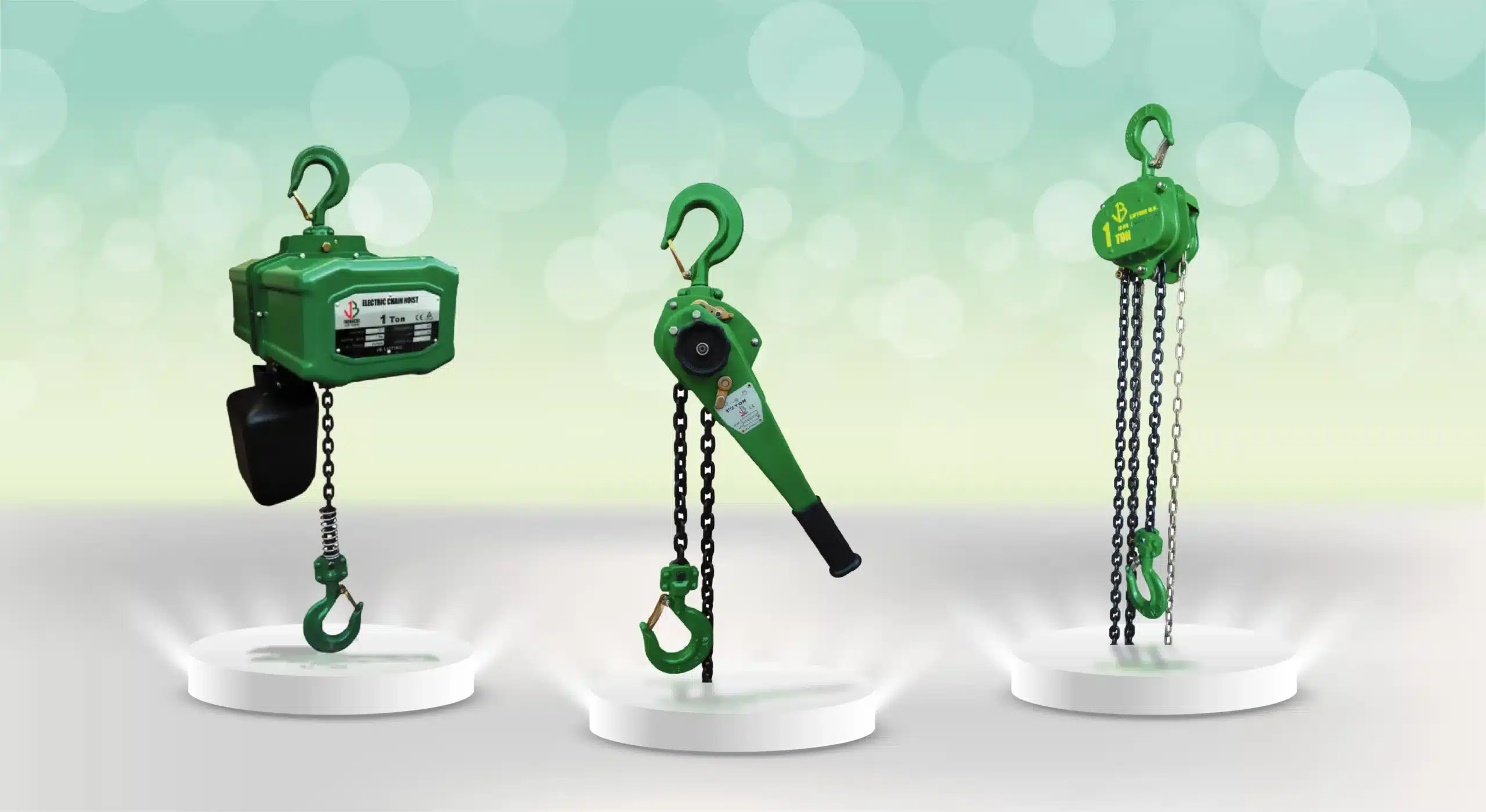
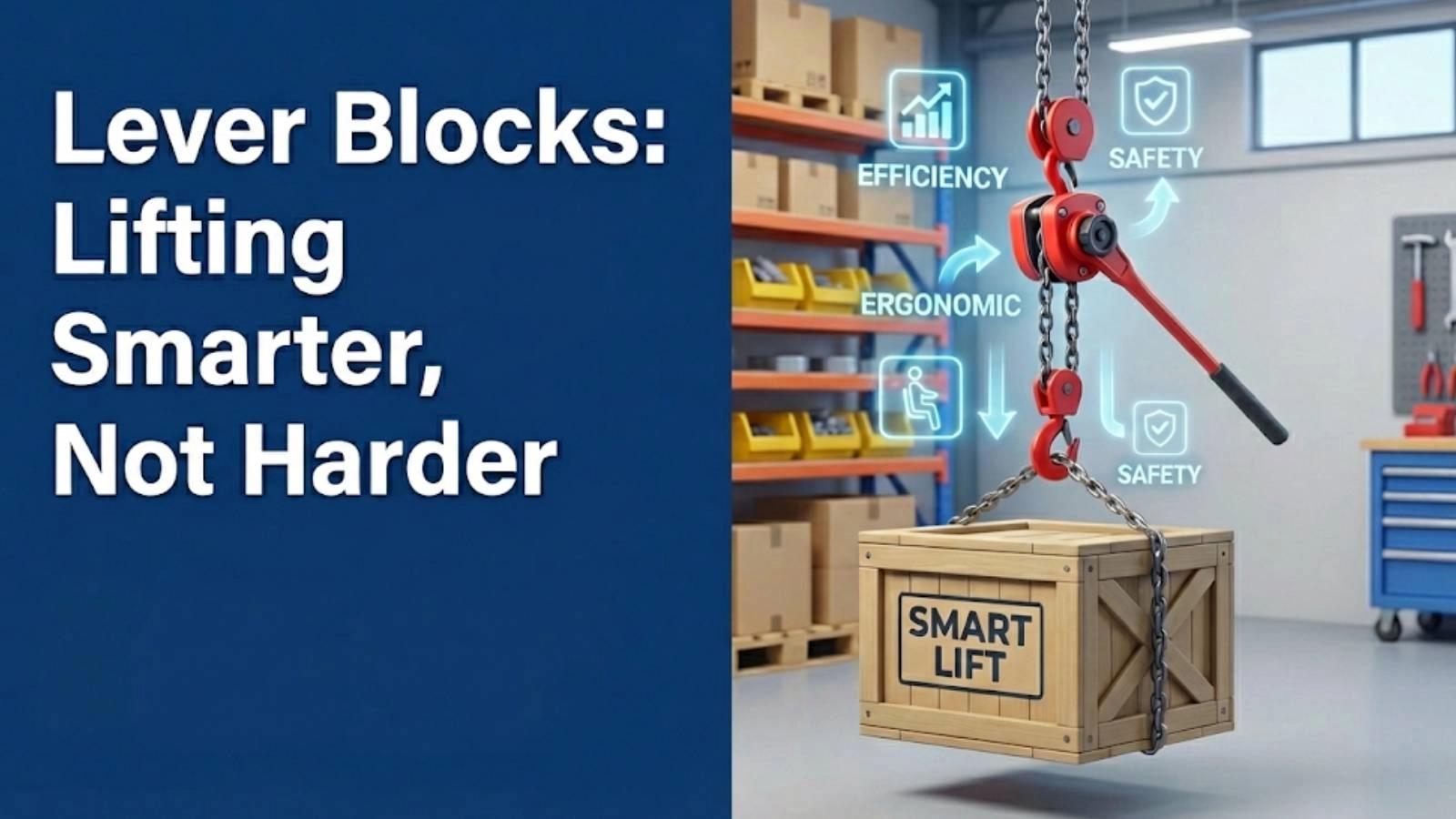
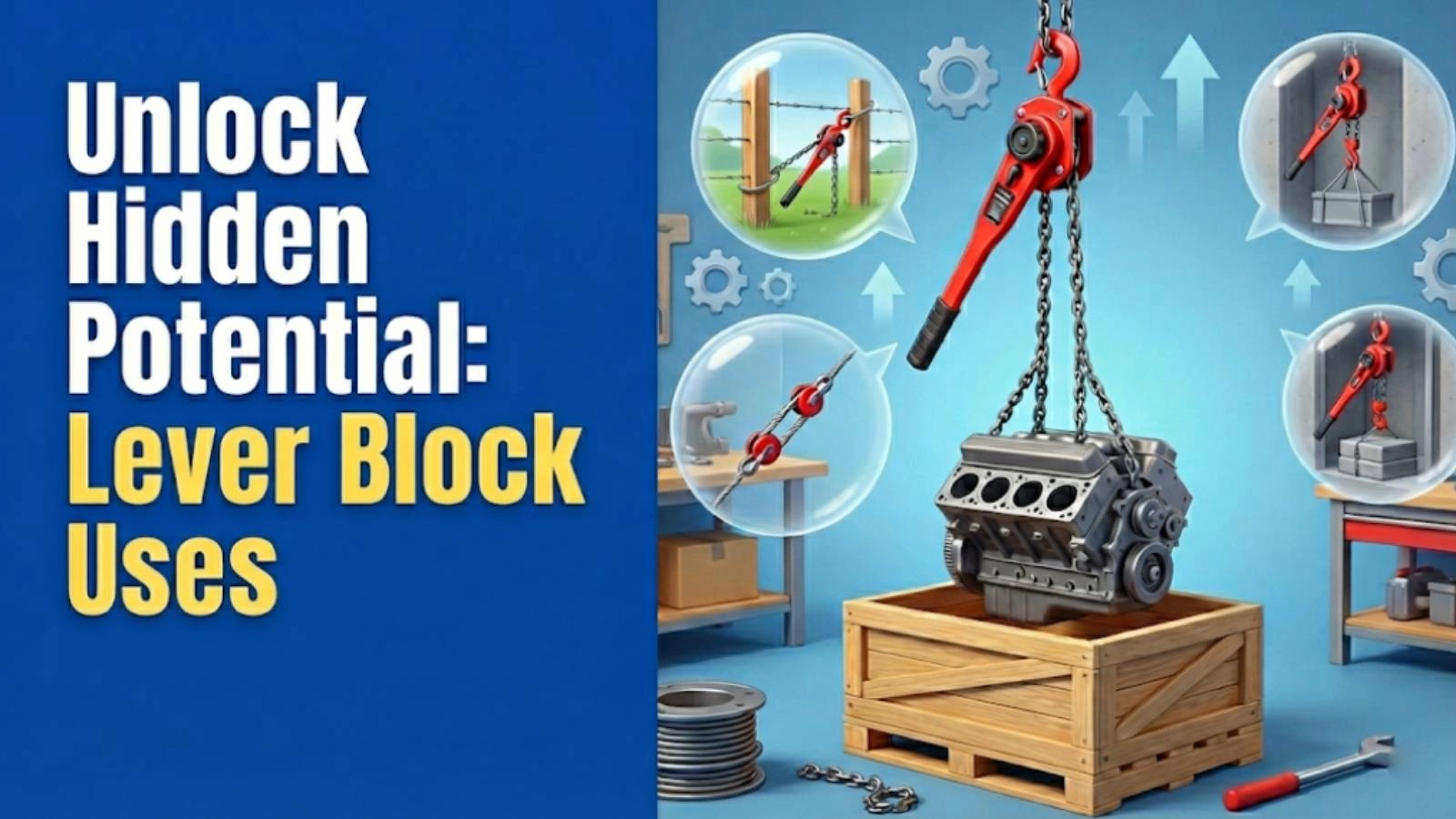
A lever block is an indispensable tool in various industries, facilitating the lifting and lowering of heavy loads with precision and safety. However, selecting the right lever block involves careful consideration of numerous features. This guide offers an in-depth look at lever block features, helping you make an informed decision. Whether you’re in construction, manufacturing, or any industry requiring heavy lifting, understanding these features is crucial for enhancing safety, efficiency, and productivity.
Key Takeaways
- Lever blocks are essential lifting tools but selecting the right one requires careful consideration of several key features.
- Prioritizing safety features like overload protection and high-quality materials is crucial to prevent accidents and ensure worker safety.
- Understanding load capacity, lift height, and ease of use are vital for maximizing efficiency and minimizing downtime.
- Regular inspection and maintenance are essential for prolonging the lifespan of your lever block and ensuring its continued safe operation.
What is a Lever Block and Why are Features Important? ⚙️
Defining a Lever Block
A lever block (also known as a chain hoist or come along) is a manual lifting device that uses a lever and gears to lift and lower heavy loads. The operator pulls on a lever, which engages a ratchet mechanism to move the chain, raising or lowering the load. Lever blocks are commonly used in situations where electricity is unavailable or impractical, offering a portable and reliable lifting solution. In our experience with clients across diverse industries, we’ve consistently seen that the versatility and portability of lever blocks make them indispensable for many lifting tasks.
Why Feature Selection Matters
Choosing a lever block based solely on price can lead to safety risks and operational inefficiencies. Understanding key lever block features helps you select the right tool for the job, ensuring safety, efficiency, and longevity. Critical lever block features include load capacity, material quality, overload protection, lift height, and ease of use. Investing in a lever block with the appropriate features minimizes the risk of accidents, reduces downtime, and enhances overall productivity.
The Problem: Overlooking Critical Features
Many businesses fail to adequately assess lever block features, leading to potential equipment failures, injuries, and project delays. Overlooking features such as overload protection or opting for substandard materials can compromise worker safety and result in costly repairs or replacements. A common mistake we help businesses fix is neglecting to consider the specific requirements of their lifting tasks, which leads to selecting a lever block that is either underpowered or unsuitable for the environment. For many of our clients here in Dammam, Saudi Arabia, we’ve seen that a lack of proper feature assessment often results in operational inefficiencies and increased risk.
Understanding Load Capacity and Safety Factors ⚖️
The Importance of Load Capacity
Exceeding the load capacity of a lever block can lead to catastrophic failure, putting workers and equipment at risk. The load capacity, also known as the working load limit (WLL), is the maximum weight that the lever block is designed to lift safely. Always select a lever block with a load capacity that exceeds the weight of the intended load to provide a margin of safety and prevent overloading.
Defining the Safety Factor
The safety factor is the ratio of the lever block’s breaking strength to its working load limit. A higher safety factor provides a greater margin of safety and reduces the risk of failure. For example, a lever block with a working load limit of 1 ton and a safety factor of 4:1 would have a breaking strength of 4 tons. Ensuring a sufficient safety factor is critical for preventing accidents and protecting workers. We once worked with a client who struggled with frequent equipment failures due to inadequate safety factors. By implementing a rigorous selection process that prioritized higher safety factors, they saw a 20% improvement in equipment reliability.
Solution: How to Calculate Your Load Requirements
Accurately estimate the weight of your loads and factor in any potential dynamic loading or shock loads. Dynamic loading refers to the additional stress placed on the lever block when the load is suddenly applied or subjected to movement. To calculate your load requirements, weigh the heaviest load you anticipate lifting and add a safety margin to account for dynamic loading. For instance, if the heaviest load is 1000 kg, select a lever block with a load capacity of at least 1250 kg to accommodate potential dynamic forces. This proactive approach helps ensure that the lever block operates within safe limits, minimizing the risk of accidents and equipment failure.
Material and Construction Quality: What to Look For 🔩
The Role of High-Quality Steel
High-strength alloy steel is essential for lever block components like the chain, hooks, and gears. Inferior materials can lead to premature wear, corrosion, and increased risk of failure. High-quality steel provides the necessary strength and durability to withstand heavy loads and harsh operating conditions. Look for lever blocks that are manufactured using certified alloy steel to ensure optimal performance and safety. We’ve consistently seen that lever blocks made from high-quality steel have a significantly longer lifespan and require less maintenance than those made from substandard materials.
Importance of Forged Hooks
Forged hooks are stronger and more resistant to bending and breaking than cast hooks. Look for hooks with safety latches to prevent accidental disengagement of the load. Forged hooks undergo a process that strengthens the metal, making them more durable and reliable. Safety latches provide an additional layer of security by preventing the load from slipping off the hook. When our team in KSA tackles this issue, they often find that upgrading to forged hooks with safety latches significantly reduces the risk of load-related accidents.
Solution: Identifying Durable Construction
Inspect the lever block for quality welds, durable coatings, and proper heat treatment of critical components. Quality welds ensure that the lever block’s frame and components are securely joined, preventing structural failures. Durable coatings protect against corrosion and environmental damage, extending the lever block’s lifespan. Proper heat treatment enhances the strength and hardness of critical components, improving their resistance to wear and deformation. By carefully examining these construction details, you can identify lever blocks that are built to withstand the rigors of heavy lifting and provide reliable performance.
Chain Quality and its Impact on Safety ⛓️
Grade and Type of Chain
Alloy steel load chains are available in various grades. Higher grade chains offer greater strength and resistance to wear. The grade of the chain indicates its tensile strength and load-bearing capacity. Selecting the appropriate grade of chain is crucial for ensuring the lever block’s safe operation. Common chain grades include Grade 80 and Grade 100, with higher grades offering superior strength and durability.
Chain Finish and Corrosion Resistance
Look for chains with a corrosion-resistant finish to protect against rust and degradation. Regularly inspect the chain for signs of wear, corrosion, or damage. Corrosion can weaken the chain, reducing its load-bearing capacity and increasing the risk of failure. Common corrosion-resistant finishes include galvanization and zinc plating. Regular inspection helps identify potential problems early, allowing for timely repairs or replacements.
Solution: Choosing the Right Chain for the Environment
Consider the operating environment when selecting a lever block and choose a chain that is appropriate for the conditions. For example, if the lever block will be used in a marine environment, select a chain with a high level of corrosion resistance. Similarly, if the lever block will be exposed to high temperatures, choose a chain that is heat-treated for added durability. A common mistake we help businesses fix is overlooking the environmental factors that can affect chain performance. By selecting the right chain for the environment, you can extend the lever block’s lifespan and ensure its continued safe operation.
Overload Protection Mechanisms: A Must-Have Feature 🛡️
Why Overload Protection is Critical
Overload protection prevents the lever block from being used to lift loads exceeding its rated capacity, reducing the risk of accidents and equipment damage. Overloading a lever block can cause structural damage, leading to catastrophic failure and potential injuries. Overload protection mechanisms are designed to prevent overloading, enhancing worker safety and protecting the equipment from damage.
Types of Overload Protection
- Friction Clutch Systems: These systems use a clutch mechanism that slips when the load exceeds the rated capacity, preventing further lifting.
- Shear Pin Mechanisms: These mechanisms use a shear pin that breaks when the load exceeds the rated capacity, stopping the lifting operation.
Both types of overload protection mechanisms provide a reliable means of preventing overloading and protecting the lever block and its operators.
Solution: Implementing Overload Prevention Procedures
Train operators on the importance of overload protection and establish procedures to prevent overloading. Operators should be trained to recognize the signs of overloading and to never attempt to lift loads that exceed the lever block’s rated capacity. Implementing clear procedures for load estimation and verification can help prevent accidental overloading. We’ve consistently seen that businesses with well-trained operators and robust overload prevention procedures have fewer accidents and equipment failures.
“Overload protection is not just a feature; it’s a fundamental safety requirement for any lever block.” – John Smith, Lead Safety Inspector
Lift Height and its Effect on Efficiency ⬆️
Determining the Required Lift Height
Consider the maximum height you need to lift loads when selecting a lever block. The lift height is the vertical distance that the lever block can lift a load. Selecting a lever block with an adequate lift height ensures that you can safely and efficiently lift loads to the required height. Failing to consider the required lift height can result in wasted time and effort, as well as potential safety hazards.
Standard vs. Custom Lift Heights
- Lever blocks are available with standard lift heights.
- Custom lift heights can be specified to meet specific application requirements.
Standard lift heights are typically available in increments of 5 feet, while custom lift heights can be specified to meet the exact needs of your lifting application. When our team in KSA tackles this issue, they often recommend custom lift heights for specialized lifting tasks to maximize efficiency and minimize unnecessary chain length.
Solution: Matching Lift Height to Application
Choose a lever block with a lift height that is appropriate for your specific needs to avoid unnecessary effort and wasted time. Selecting a lever block with a lift height that is too short can limit your ability to lift loads to the required height. Conversely, selecting a lever block with a lift height that is too long can result in wasted time and effort, as well as potential safety hazards. By carefully matching the lift height to the application, you can optimize efficiency and minimize the risk of accidents.
Ease of Use and Ergonomics: Reducing Operator Fatigue 💪
Lever Length and Handle Design
- A longer lever provides greater mechanical advantage.
- Ergonomic handle designs reduce operator fatigue.
A longer lever allows the operator to lift heavier loads with less effort. Ergonomic handle designs, such as those with rubber grips and contoured shapes, reduce strain on the hands and wrists, minimizing operator fatigue. We once worked with a client who struggled with high rates of operator fatigue due to poorly designed lever blocks. By switching to lever blocks with ergonomic features, they saw a 30% reduction in operator fatigue and an improvement in overall productivity.
Smooth Operation and Low Pull Force
A well-designed lever block operates smoothly and requires minimal pull force. This reduces operator strain and improves efficiency. Smooth operation ensures that the chain moves freely and without jerking, making it easier to lift and lower loads with precision. Low pull force minimizes the amount of effort required to operate the lever block, reducing operator fatigue and improving overall efficiency.
Solution: Prioritizing Ergonomic Design
Select a lever block with ergonomic features that minimize operator fatigue and improve productivity. Ergonomic features such as longer levers, ergonomic handles, and smooth operation can significantly reduce operator strain and improve overall efficiency. Prioritizing ergonomic design not only enhances worker comfort but also improves safety and productivity.
Inspection and Maintenance Requirements: Ensuring Longevity 🛠️
Importance of Regular Inspections
Regular inspections help identify potential problems before they lead to accidents or equipment failures. Inspections should be conducted before each use and periodically by a qualified technician. Regular inspections can reveal issues such as worn chains, damaged hooks, and malfunctioning overload protection mechanisms, allowing for timely repairs or replacements.
Developing a Maintenance Schedule
Establish a routine maintenance schedule to keep your lever blocks in good working order. A maintenance schedule should include tasks such as cleaning, lubrication, and inspection for wear and damage. Regularly lubricating the chain and gears can help ensure smooth operation and extend the lever block’s lifespan. Scheduled maintenance helps prevent breakdowns and ensures that the lever block is always in safe working condition.
Solution: Implementing a Preventative Maintenance Program
Train personnel to properly inspect and maintain lever blocks. Operators should be trained to recognize the signs of wear and damage and to perform basic maintenance tasks such as cleaning and lubrication. A preventative maintenance program helps ensure that lever blocks are always in safe working condition and reduces the risk of accidents and equipment failures. In our experience with clients, implementing a comprehensive preventative maintenance program has consistently resulted in significant cost savings and improved equipment reliability.
Cost vs. Value: Making an Informed Decision 💰
Understanding the Total Cost of Ownership
Consider the initial purchase price, maintenance costs, and potential downtime when evaluating the cost of a lever block. The total cost of ownership includes not only the initial purchase price but also the costs of maintenance, repairs, and potential downtime due to equipment failures. Opting for a cheaper lever block may seem appealing initially, but it can result in higher long-term costs due to increased maintenance and potential downtime.
Investing in Quality for Long-Term Savings
Investing in a high-quality lever block can save money in the long run by reducing the risk of breakdowns, repairs, and accidents. High-quality lever blocks are typically made from durable materials and feature robust construction, resulting in longer lifespans and reduced maintenance requirements. Investing in quality not only saves money in the long run but also enhances safety and productivity.
Solution: Balancing Cost and Quality
Carefully weigh the costs and benefits of different lever block features to make an informed purchasing decision. Consider the specific requirements of your lifting application and prioritize features that enhance safety, efficiency, and longevity. By balancing cost and quality, you can select a lever block that provides the best value for your investment.
| Feature |
Importance |
Description |
| Load Capacity |
Critical |
Maximum weight the lever block can safely lift. |
| Safety Factor |
Critical |
Ratio of breaking strength to working load limit. |
| Material Quality |
Critical |
High-strength alloy steel for chain, hooks, and gears. |
| Overload Protection |
Critical |
Prevents lifting loads exceeding rated capacity. |
| Lift Height |
Important |
Vertical distance the lever block can lift a load. |
| Ergonomics |
Important |
Lever length, handle design, and smooth operation. |
| Inspection & Maintenance |
Important |
Regular inspections and maintenance schedule. |
| Chain Quality |
Important |
Grade and type of chain, corrosion resistance. |
| Cost vs. Value |
Important |
Balancing initial price with long-term costs and benefits. |
Conclusion
Selecting the right lever block hinges on understanding and prioritizing key lever block features. By focusing on load capacity, material quality, overload protection, and ease of use, you’ll enhance safety, efficiency, and the lifespan of your equipment. Understanding manual hoist features like lever block maintenance and chain block inspection ensures that your equipment remains in optimal condition, reducing downtime and maximizing productivity. Making an informed decision ensures your lifting operations are not only compliant but also optimized for performance. At SSTC, we prioritize safety and efficiency. We’ve seen firsthand how the right equipment can transform operations. Follow this guide and you’ll be well-equipped to make the best choice for your specific needs.
FAQ Section
Q: What is the most important feature to consider when buying a lever block?
A: Overload protection is arguably the most critical feature, as it prevents the lever block from being overloaded, minimizing the risk of accidents and equipment damage. Prioritizing lever block safety is paramount for any lifting operation.
Q: How often should lever blocks be inspected?
A: Lever blocks should be inspected before each use and regularly by a qualified technician, following manufacturer guidelines and relevant safety standards. Regular chain block inspection is essential for identifying potential issues early.
Q: What type of chain is best for a lever block?
A: High-strength alloy steel load chains are the best option, offering superior durability and resistance to wear and corrosion. These chains ensure optimal lifting performance and safety.
Q: Can I use a lever block to lift loads heavier than its rated capacity?
A: No. Exceeding the load capacity is extremely dangerous and can lead to catastrophic failure, potentially causing severe injuries or fatalities. Adhering to the rated load capacity is a critical aspect of lever block safety.
Q: How do I maintain a lever block?
A: Regular maintenance includes cleaning, lubrication, inspection for wear and damage, and replacement of worn parts as needed, following the manufacturer’s recommendations. Proper lever block maintenance is essential for extending the equipment’s lifespan and ensuring safe operation.