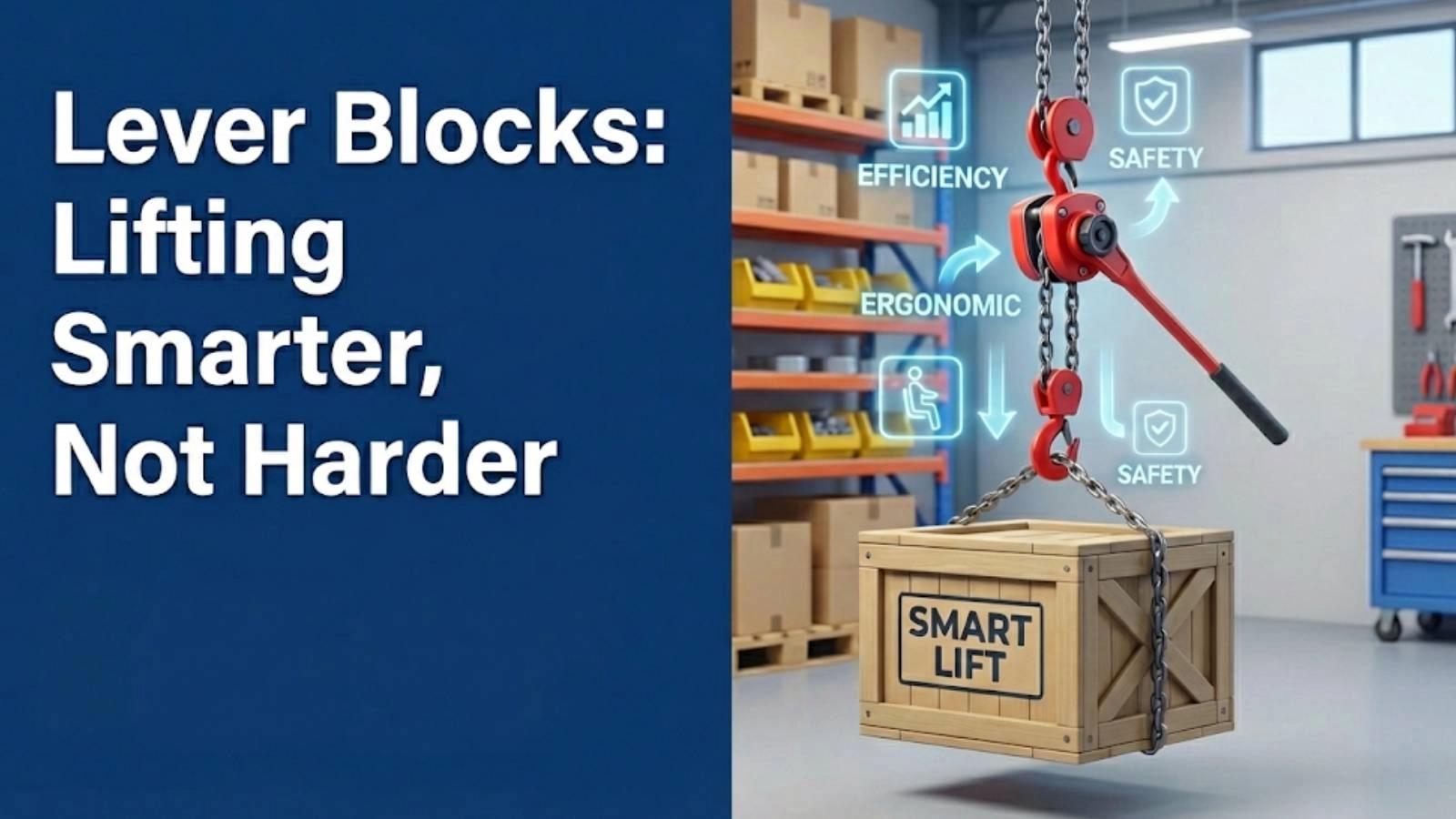
Lever blocks are indispensable tools in various industries, offering a reliable and efficient way to lift and move heavy loads. Understanding how lever block work is crucial for ensuring safety and maximizing productivity. This comprehensive guide will delve into the mechanics of lever blocks, their components, operation, safety precautions, and maintenance, providing you with the knowledge to use them effectively.
Introduction to Lever Blocks
What is a Lever Block?
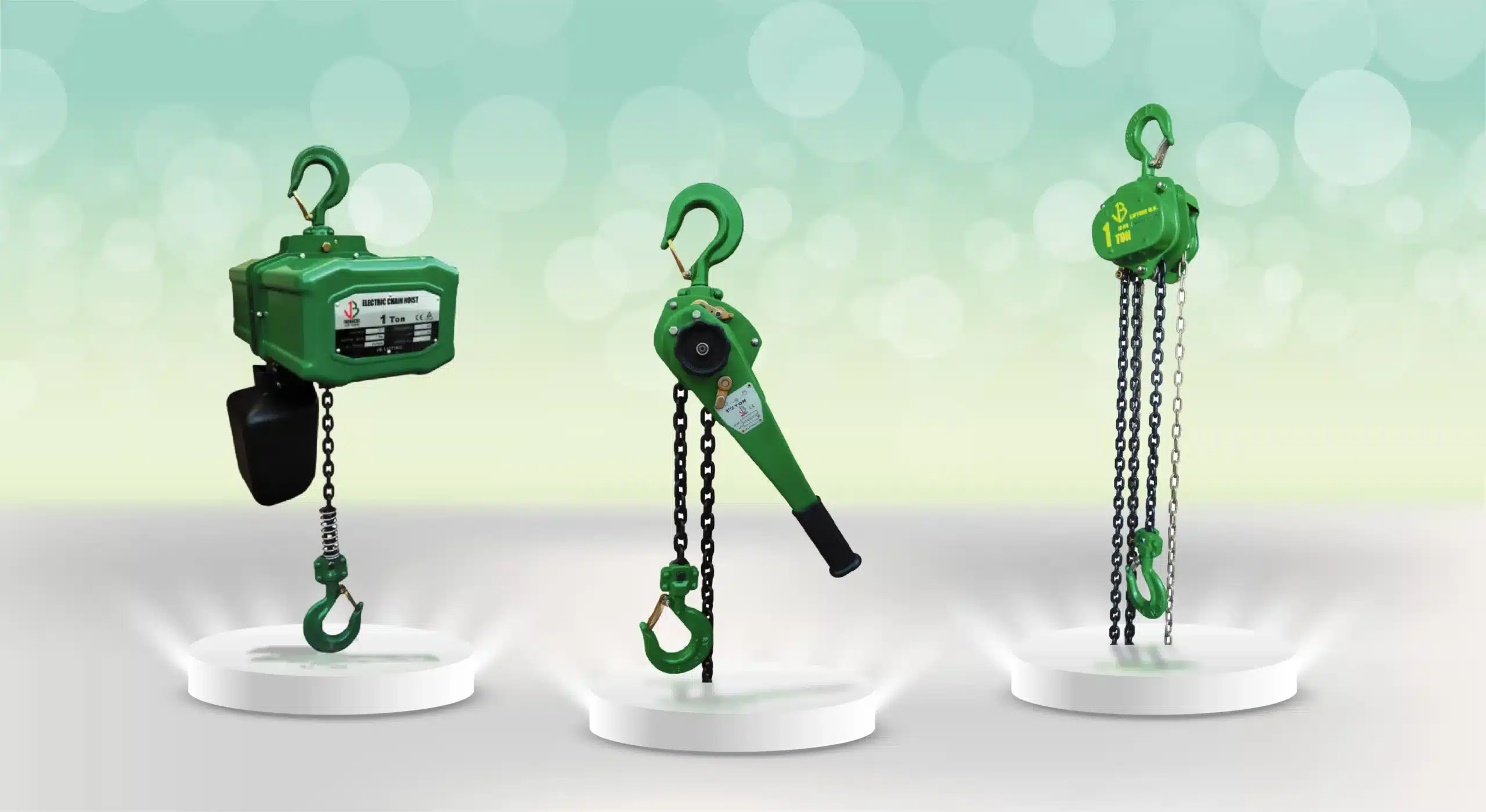
A lever block, also known as a come along, is a manual lifting device used to raise, lower, or pull heavy loads using mechanical advantage. It operates by applying force to a lever, which in turn moves a chain or wire rope to lift the load. Lever blocks are typically portable, easy to use, and ideal for situations where powered hoists are not practical or available. Their simplicity and reliability make them a staple in construction, manufacturing, forestry, and many other fields.
Lever blocks provide significant mechanical advantage, allowing a single operator to lift loads that would otherwise require multiple people or powered equipment. This mechanical advantage is achieved through a system of gears or a ratchet mechanism, which multiplies the force applied to the lever. We at Safe and Secure Trading Company (SSTC) have seen countless applications where a lever block has been the only viable solution for a challenging lifting task.
The fundamental purpose of a lever block is to provide a safe and controlled method for load lifting. The design incorporates features that prevent accidental slippage and ensure the load remains securely in place. Moreover, understanding how a lever block works empowers users to apply the correct techniques, enhancing both safety and efficiency.
Distinction Between Lever Blocks and Chain Blocks
While both lever blocks and chain blocks are manual lifting devices, they differ in their method of operation and applications. A chain block, also known as a hand chain hoist, uses a continuous loop of chain that is pulled by the operator to lift the load. The mechanical advantage is achieved through a series of gears within the block. Chain blocks are typically used for vertical lifting applications, where the operator can stand directly beneath the load and pull the chain.
Lever blocks, on the other hand, use a lever and ratchet mechanism to incrementally lift or pull the load. The operator moves the lever back and forth to advance the chain or wire rope. Lever blocks are more versatile than chain blocks, as they can be used for both lifting and pulling applications, and they can operate in various orientations, including horizontally and at an angle. This makes lever blocks particularly useful in confined spaces or situations where precise positioning is required.
Another key difference lies in the portability. Lever blocks are generally lighter and more compact than chain blocks, making them easier to transport and set up in different locations. This portability is especially valuable in industries like construction and forestry, where equipment needs to be moved frequently. As an anecdotal example, our team in Dubai often finds lever blocks more practical for on-site tasks due to their ease of transport.
Brief History and Evolution of Lever Blocks
The concept of using mechanical advantage to lift heavy objects dates back to ancient times, with devices like the block and tackle being used in shipbuilding and construction. However, the modern lever block as we know it evolved in the late 19th and early 20th centuries. Early lever blocks were relatively simple devices, often constructed from cast iron and using basic ratchet mechanisms.
Over time, lever blocks have been refined and improved with advancements in materials and engineering. The introduction of high-strength steel alloys has allowed for lighter and more durable designs, while improved ratchet mechanisms have enhanced the efficiency and safety of operation. Modern lever blocks also incorporate features such as overload protection, ergonomic handles, and corrosion-resistant coatings.
Today, lever blocks are available in a wide range of sizes and capacities, from small units capable of lifting a few hundred pounds to heavy-duty models that can handle several tons. The evolution of lever blocks reflects a continuous effort to improve their performance, safety, and versatility, making them an indispensable tool for a wide range of industries. For instance, the implementation of overload protection has significantly reduced the risk of accidents, safeguarding both workers and equipment.
Core Principles of Lever Block Operation
Mechanical Advantage Explained: Force Multiplication
The fundamental principle behind lever block work is mechanical advantage, which refers to the ability of a device to multiply the force applied to it. In the case of a lever block, a relatively small force applied to the lever is converted into a much larger force at the hook, allowing the operator to lift or pull heavy loads with ease.
Mechanical advantage is determined by the ratio of the output force (the force exerted on the load) to the input force (the force applied to the lever). This ratio is influenced by the design of the lever block, including the length of the lever arm and the number of gears or ratchet teeth involved. A higher mechanical advantage means that less force is required to lift a given load, making the task easier and more efficient.
Understanding mechanical advantage is crucial for selecting the right lever block for a particular task. The load lifting capacity of the lever block should always be greater than the weight of the load to be lifted, and the mechanical advantage should be sufficient to allow the operator to apply a manageable amount of force. Proper use of a lever block involves leveraging this mechanical advantage to ensure safety and efficiency.
The Role of the Lever and Ratchet Mechanism
The lever and ratchet mechanism is the heart of a lever block, responsible for converting the operator’s input force into the lifting or pulling force. The lever is a handle that the operator moves back and forth, while the ratchet mechanism consists of a toothed wheel and a pawl (a pivoting arm with a catch).
As the lever is moved in one direction, the pawl engages with the teeth of the ratchet wheel, causing it to rotate and advance the chain or wire rope. When the lever is moved in the opposite direction, the pawl slides over the teeth, allowing the lever to be repositioned for the next stroke. This incremental lifting action allows for precise control over the load, making it ideal for delicate operations.
The ratchet mechanism also serves as a safety feature, preventing the load from slipping or falling if the operator releases the lever. The pawl locks into the teeth of the ratchet wheel, holding the load securely in place. This is particularly important in situations where the operator needs to pause the lifting operation or reposition themselves.
Understanding the Relationship Between Input Force and Output Load
The relationship between input force and output load is directly determined by the mechanical advantage of the lever block. The higher the mechanical advantage, the less input force is required to lift a given output load. This relationship can be expressed mathematically as:
Output Load = Input Force x Mechanical Advantage
For example, if a lever block has a mechanical advantage of 20:1, an input force of 50 pounds applied to the lever will result in an output load of 1000 pounds being lifted. This principle is fundamental to understanding how lever block work, as it allows operators to estimate the amount of force required to lift a particular load and select the appropriate lever block for the task.
It’s also important to consider the efficiency of the lever block, which can be affected by factors such as friction and wear. A less efficient lever block will require more input force to achieve the same output load. Regular maintenance and lubrication can help to minimize friction and maintain the efficiency of the lever block. According to a study by the Industrial Equipment Institute, proper maintenance can increase the efficiency of a lever block by up to 15%.
Key Components of a Lever Block
The Lever and Handle
The lever and handle are the primary interfaces between the operator and the lever block. The lever is a long, typically curved arm that extends from the body of the lever block, providing the operator with leverage to apply force. The handle is the part of the lever that the operator grips, and it is designed to be ergonomic and comfortable to use.
The design of the lever is crucial for maximizing mechanical advantage and minimizing operator fatigue. A longer lever arm provides greater leverage, allowing the operator to apply less force to achieve the same output load. However, a longer lever arm may also require more space to operate, which can be a limiting factor in confined spaces.
The handle is typically made from a durable material such as steel or plastic, and it may be covered with a non-slip grip to improve comfort and control. The handle should be securely attached to the lever to prevent it from slipping or breaking during operation. The handle’s ergonomics play a significant role in reducing strain and fatigue, especially during prolonged use.
Materials Used in Lever Construction (e.g., Steel Alloys)
Lever blocks are typically constructed from high-strength materials such as steel alloys to ensure durability and safety. The specific type of steel alloy used will vary depending on the manufacturer and the intended application of the lever block. Common steel alloys used in lever construction include carbon steel, alloy steel, and stainless steel.
Carbon steel is a relatively inexpensive and readily available material that offers good strength and durability. However, carbon steel is susceptible to corrosion, so it is typically coated with a protective finish such as paint or zinc plating. Alloy steel contains additional elements such as chromium, nickel, and molybdenum, which enhance its strength, toughness, and corrosion resistance. Stainless steel is a highly corrosion-resistant material that is often used in lever blocks intended for use in harsh environments.
The choice of materials used in lever construction is critical for ensuring the safety and reliability of the device. High-quality materials can withstand the stresses and strains of lifting heavy loads, while inferior materials may be prone to failure. We recommend always opting for lever blocks constructed from reputable manufacturers who use certified materials.
How the Lever’s Length Affects Mechanical Advantage
The length of the lever arm directly affects the mechanical advantage of the lever block. A longer lever arm provides greater leverage, allowing the operator to apply less force to achieve the same output load. This is because the mechanical advantage is proportional to the ratio of the lever arm length to the distance the pawl moves on the ratchet wheel with each stroke.
For example, if the lever arm is twice as long, the operator only needs to apply half as much force to achieve the same lifting capacity. However, a longer lever arm also requires more space to operate, which can be a limiting factor in confined spaces. Therefore, the optimal lever length is a balance between maximizing mechanical advantage and minimizing space requirements.
Manufacturers typically specify the mechanical advantage of a lever block in the product specifications. This information can be used to estimate the amount of force required to lift a particular load and select the appropriate lever block for the task. Understanding this relationship is key to ensuring efficient and safe lever block work.
The Chain and Hooks
Types of Chains Used (e.g., Alloy Steel Chains)
The chain is a critical component of a lever block, responsible for transmitting the lifting or pulling force to the load. The type of chain used in a lever block is typically determined by the load capacity and the intended application. Common types of chains used in lever blocks include alloy steel chains, high-test chains, and proof coil chains.
Alloy steel chains are the most common type of chain used in lever blocks due to their high strength, durability, and resistance to wear. Alloy steel chains are made from heat-treated steel alloys that provide excellent tensile strength and toughness. These chains are designed to withstand the stresses and strains of lifting heavy loads and are typically used in demanding applications such as construction and manufacturing.
High-test chains are also used in some lever blocks, offering a good balance of strength and cost. High-test chains are made from heat-treated carbon steel and are stronger than proof coil chains but not as strong as alloy steel chains. Proof coil chains are the least expensive type of chain and are typically used in light-duty applications where high strength is not required. However, Safe and Secure Trading Company generally advises against using proof coil chains for lever blocks due to their lower strength and durability.
Load Capacity and Safety Ratings of Chains
The load capacity and safety ratings of chains are critical factors to consider when selecting a lever block. The load capacity is the maximum weight that the chain is designed to lift safely, while the safety rating is a factor that takes into account the potential for overloading or shock loading. Chains are typically marked with their load capacity and safety rating, and it is essential to never exceed these limits.
The load capacity of a chain is determined by its size, material, and construction. Larger chains made from stronger materials will have a higher load capacity. The safety rating is typically expressed as a ratio, such as 4:1 or 5:1, which means that the chain is designed to withstand four or five times its rated load capacity before failing.
It is essential to select a lever block with a chain that has a load capacity and safety rating that is appropriate for the intended application. Overloading a chain can lead to catastrophic failure, resulting in serious injury or property damage. Regular inspection and maintenance of the chain are also crucial for ensuring its continued safety and reliability.
Hook Designs and Safety Latches
The hooks are the points of connection between the lever block and the load. Hooks are typically made from forged steel and are designed to be strong and durable. The design of the hooks is critical for ensuring the safety and security of the load. Common hook designs include clevis hooks, swivel hooks, and grab hooks.
Clevis hooks have a U-shaped opening that is closed by a bolt or pin, providing a secure connection to the load. Swivel hooks can rotate 360 degrees, allowing for greater flexibility in rigging and load positioning. Grab hooks are designed to grip onto chains or wire ropes, providing a secure connection for pulling or dragging.
Safety latches are an essential feature of hooks, preventing the load from accidentally slipping off the hook. Safety latches are typically spring-loaded and automatically close when the hook is loaded. It is essential to ensure that the safety latches are in good working order and are properly engaged before lifting or pulling a load. A missing or damaged safety latch can significantly increase the risk of accidents.
Chain Inspection and Maintenance Protocols
Regular inspection and maintenance of the chain are essential for ensuring the safety and reliability of the lever block. Chains should be inspected before each use for signs of wear, damage, or corrosion. Common signs of chain damage include stretched links, cracked links, bent links, and excessive wear.
Chains should also be lubricated regularly to reduce friction and prevent corrosion. A light oil or grease can be applied to the chain to keep it in good condition. Chains that are used in harsh environments or exposed to corrosive substances should be cleaned and lubricated more frequently.
If a chain is found to be damaged or worn, it should be replaced immediately. Never attempt to repair a damaged chain, as this can compromise its strength and safety. Chains should be replaced with a chain of the same type, size, and load capacity. According to the Chain Safety Association, a chain showing even minor damage should be taken out of service immediately.
The Ratchet and Pawl Mechanism
Detailed Explanation of the Ratchet and Pawl System
The ratchet and pawl mechanism is the core of the lever block’s operation, enabling incremental lifting and lowering of the load. This mechanism consists of a ratchet wheel, which is a toothed wheel connected to the load chain, and a pawl, a pivoting arm with a catch that engages with the teeth of the ratchet wheel.
When the lever is operated, the pawl engages with the ratchet wheel’s teeth, causing it to rotate and advance the load chain. The pawl’s design ensures that it can only move the ratchet wheel in one direction, preventing the load from slipping back down. The number of teeth on the ratchet wheel and the length of the lever arm determine the mechanical advantage of the lever block.
The ratchet and pawl system provides a secure and controlled method for lifting and lowering heavy loads. Its simplicity and reliability make it a crucial component of lever block work. Without this mechanism, the lever block would not be able to provide the precise control and safety required for lifting operations.
How the Ratchet Mechanism Allows for Incremental Lifting and Lowering
The ratchet mechanism enables incremental lifting and lowering by allowing the load chain to be advanced or retracted one tooth at a time. This precise control is particularly useful in situations where delicate positioning is required or where space is limited. The operator can apply small, controlled movements to the lever, resulting in corresponding small movements of the load chain.
This incremental action is achieved by the pawl engaging with the teeth of the ratchet wheel as the lever is operated. Each stroke of the lever advances the ratchet wheel by one or more teeth, depending on the design of the mechanism. The operator can control the speed and precision of the lifting or lowering operation by adjusting the force and frequency of the lever strokes.
The ability to incrementally lift and lower loads is a key advantage of lever blocks over other types of lifting equipment. It allows for fine-tuned adjustments and precise positioning, reducing the risk of damage to the load or surrounding structures. This level of control is essential in many industrial and construction applications.
The Role of the Pawl in Preventing Backsliding
The pawl plays a critical role in preventing backsliding, ensuring the load remains securely in place when the lever is not being operated. The pawl is designed to engage with the teeth of the ratchet wheel, locking it in position and preventing it from rotating backwards. This feature is essential for safety, as it prevents the load from accidentally slipping or falling.
The pawl is typically spring-loaded, ensuring that it remains engaged with the ratchet wheel at all times. When the lever is operated, the pawl disengages momentarily to allow the ratchet wheel to advance, but it immediately re-engages to prevent backsliding. This automatic locking mechanism provides a reliable and secure method for holding the load in place.
Regular inspection and maintenance of the pawl are essential to ensure its proper functioning. A worn or damaged pawl may not engage properly with the ratchet wheel, increasing the risk of backsliding. If the pawl is found to be damaged, it should be replaced immediately. Safe and Secure Trading Company recommends a thorough inspection of the pawl as part of any lever block maintenance routine.
The Load Sheave
Function of the Load Sheave in Distributing Weight
The load sheave is a grooved wheel that supports the load chain as it passes through the lever block. Its primary function is to distribute the weight of the load evenly across the chain, reducing stress and preventing premature wear. The load sheave also helps to guide the chain smoothly through the lever block, minimizing friction and improving efficiency.
The design of the load sheave is critical for ensuring the safety and reliability of the lever block. The sheave must be strong enough to withstand the weight of the load without deforming or breaking. The groove in the sheave must be properly sized to fit the chain, preventing it from slipping or binding.
The load sheave also plays a role in the mechanical advantage of the lever block. By distributing the weight of the load across multiple strands of chain, the load sheave reduces the amount of force required to lift the load. This makes lever blocks more efficient and easier to operate.
Materials and Construction of the Load Sheave
The load sheave is typically constructed from high-strength materials such as steel or cast iron to ensure durability and resistance to wear. The specific type of material used will depend on the load capacity and the intended application of the lever block. Steel sheaves are typically used in heavy-duty applications where high strength is required, while cast iron sheaves are used in lighter-duty applications.
The construction of the load sheave is also critical for ensuring its proper functioning. The sheave must be precisely machined to ensure that the groove is properly sized and aligned with the chain. The sheave must also be securely mounted to the lever block frame to prevent it from wobbling or slipping.
The surface of the load sheave is often hardened to reduce wear and improve its resistance to abrasion. This hardening process can involve heat treatment or the application of a wear-resistant coating. Regular inspection and maintenance of the load sheave are essential to ensure its continued safety and reliability.
Inspection Guidelines
Regular inspection of the load sheave is essential for identifying potential problems before they cause failures. The load sheave should be inspected before each use for signs of wear, damage, or corrosion. Common signs of load sheave damage include cracks, dents, and excessive wear in the groove.
The load sheave should also be inspected for proper alignment and smooth rotation. The sheave should rotate freely without wobbling or binding. If the load sheave is found to be damaged or worn, it should be replaced immediately.
In addition to visual inspection, the load sheave should be lubricated regularly to reduce friction and prevent corrosion. A light oil or grease can be applied to the sheave to keep it in good condition. Load sheaves that are used in harsh environments or exposed to corrosive substances should be cleaned and lubricated more frequently. According to the Lifting Equipment Engineers Association (LEEA), a comprehensive inspection should be performed at least annually by a qualified technician.
Step-by-Step Explanation of Lever Block Work
Securing the Lever Block
Proper Methods for Attaching the Lever Block to a Secure Anchor Point
The first and most crucial step in lever block work is securing the lever block to a secure anchor point. This anchor point must be capable of withstanding the full load that the lever block will be lifting or pulling. Failure to properly secure the lever block can result in serious injury or property damage.
There are several methods for attaching a lever block to an anchor point, depending on the type of anchor point available. Common methods include using slings, shackles, or chain hoists. Slings are flexible loops of material that can be wrapped around an anchor point and connected to the lever block with a shackle. Shackles are U-shaped metal connectors with a pin or bolt that can be used to attach the lever block directly to an anchor point. Chain hoists can be used to suspend the lever block from an overhead anchor point.
Regardless of the method used, it is essential to ensure that the anchor point is strong enough to support the load and that the connection is secure. The anchor point should be inspected for signs of damage or weakness before attaching the lever block. The connections should be tightened properly and checked regularly during the lifting or pulling operation.
Importance of Verifying the Anchor Point’s Load Capacity
Verifying the anchor point’s load capacity is paramount to ensuring the safety of the lifting operation. The anchor point must be capable of withstanding the full load that the lever block will be lifting or pulling, plus a safety factor. The safety factor is typically a multiple of the load, such as 2:1 or 4:1, which provides a margin of safety in case of unexpected forces or overloading.
The load capacity of the anchor point should be clearly marked on the anchor point itself. If the load capacity is not marked, it should be determined by a qualified engineer or other competent person. Never assume that an anchor point is strong enough to support a load without verifying its load capacity.
Overloading an anchor point can result in catastrophic failure, causing the load to fall and potentially causing serious injury or property damage. It is essential to take the time to verify the anchor point’s load capacity before beginning the lifting operation. We have seen instances where neglecting this step led to near-miss accidents, highlighting the critical nature of this verification.
Using Slings or Other Rigging Hardware for Secure Attachment
Slings and other rigging hardware can be used to create a secure connection between the lever block and the anchor point. Slings are flexible loops of material that can be wrapped around an anchor point and connected to the lever block with a shackle. Shackles are U-shaped metal connectors with a pin or bolt that can be used to attach the lever block directly to an anchor point.
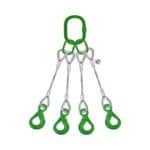
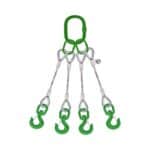
When using slings, it is essential to select slings that are appropriate for the load and the anchor point. Slings are typically rated for a specific load capacity and are made from different materials, such as nylon, polyester, or wire rope. The sling should be long enough to reach around the anchor point without being stretched or strained.
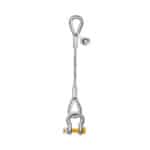
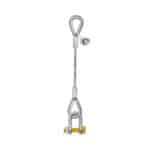
When using shackles, it is essential to select shackles that are appropriate for the load and the sling. Shackles are typically rated for a specific load capacity and are made from different materials, such as steel or alloy steel. The shackle pin should be tightened properly and secured to prevent it from coming loose during the lifting operation. Proper use of rigging hardware is vital for ensuring the safety and stability of the lifting operation.
Attaching the Load
Methods for Connecting the Load to the Lever Block’s Hook
After securing the lever block to a suitable anchor point, the next step is to connect the load to the lever block’s hook. There are several methods for connecting the load, depending on the type of load and the available lifting points. Common methods include using slings, shackles, eye bolts, or lifting beams.
Slings can be used to wrap around the load and connect to the lever block’s hook with a shackle. Shackles can be used to connect the load directly to the lever block’s hook if the load has a suitable lifting point. Eye bolts can be screwed into threaded holes in the load to provide lifting points. Lifting beams can be used to distribute the load evenly across multiple lifting points.
Regardless of the method used, it is essential to ensure that the connection is secure and that the load is balanced. The lifting points should be inspected for signs of damage or weakness before attaching the load. The connections should be tightened properly and checked regularly during the lifting operation.
Use of Shackles, Slings, or Other Lifting Accessories
Shackles, slings, and other lifting accessories play a crucial role in connecting the load to the lever block safely and securely. These accessories provide a means of attaching the load to the hook and distributing the weight evenly. The selection of appropriate lifting accessories depends on the load’s weight, shape, and the available attachment points.
Shackles are typically used to connect slings or other rigging hardware to the lever block’s hook. They come in various sizes and load capacities, so it’s crucial to choose shackles that can handle the weight of the load. Slings, made from materials like nylon or wire rope, are used to wrap around the load and provide a secure lifting point.
Other lifting accessories, such as eye bolts and lifting beams, can be used in specific situations to facilitate safe and efficient load attachment. Eye bolts provide a threaded connection point on the load, while lifting beams distribute the weight across multiple points, preventing stress on a single area. Proper selection and use of these accessories are essential for ensuring a safe and successful lifting operation.
Ensuring the Load is Balanced and Secure
Ensuring the load is balanced and secure is critical for preventing accidents and ensuring a smooth lifting operation. An unbalanced load can cause the lever block to tip or swing, potentially leading to a loss of control or a dropped load. To ensure the load is balanced, the lifting points should be positioned symmetrically around the load’s center of gravity.
Before lifting the load, visually inspect the rigging to ensure that all connections are secure and that the load is properly supported. Use tag lines to control the load’s movement and prevent it from swinging or rotating. If the load appears to be unbalanced, stop the lifting operation and readjust the rigging until the load is stable.
Taking the time to ensure the load is balanced and secure is a small investment that can pay off in a big way by preventing accidents and protecting workers and equipment. At Safe and Secure Trading Company, we emphasize the importance of load balancing in all our training programs. An unbalanced load not only risks the load itself but also poses a significant danger to anyone nearby.
Operating the Lever
Technique for Applying Force to the Lever
The technique for applying force to the lever is a key aspect of lever block work. The lever should be operated smoothly and steadily, avoiding sudden jerks or excessive force. The operator should use a controlled, rhythmic motion to move the lever back and forth, gradually lifting or lowering the load.
The amount of force required to operate the lever will depend on the weight of the load and the mechanical advantage of the lever block. The operator should use their body weight and leverage to apply the necessary force, keeping their back straight and their feet firmly planted on the ground. Avoid straining or overexerting yourself, as this can lead to fatigue and injury.
Proper technique involves maintaining a firm grip on the lever and keeping your hands clear of any pinch points. Be aware of your surroundings and ensure that there are no obstructions that could interfere with the lever’s movement. With practice, the operator will develop a feel for the lever and be able to apply the appropriate amount of force for different loads.
Understanding the Incremental Lifting Action
Understanding the incremental lifting action is crucial for achieving precise control over the load. The lever block works by advancing the chain or wire rope one small increment at a time with each stroke of the lever. This allows the operator to make fine adjustments to the load’s position, which is particularly useful in situations where delicate positioning is required.
The incremental lifting action also provides a safety benefit by preventing sudden drops or uncontrolled movements. The operator can gradually raise or lower the load, maintaining complete control at all times. This is especially important when working with fragile or valuable items that could be damaged by sudden movements.
The operator should pay close attention to the movement of the chain or wire rope and make adjustments to the lever strokes as needed to maintain a smooth and controlled lifting operation. This incremental control is what makes lever blocks so versatile in various applications.
Maintaining Control During Lifting and Lowering
Maintaining control during lifting and lowering is paramount to ensuring the safety of the operation. The operator should keep a firm grip on the lever and use smooth, controlled movements to raise or lower the load. Avoid sudden jerks or rapid movements, as these can cause the load to swing or become unstable.
Use tag lines to control the load’s movement and prevent it from rotating or drifting. Keep a close eye on the rigging and connections to ensure that everything remains secure. If the load starts to swing or become unstable, stop the lifting operation immediately and take corrective action before proceeding.
Communication is also essential for maintaining control during lifting and lowering. The operator should communicate clearly with any other workers involved in the operation, using hand signals or verbal commands to coordinate movements. With proper technique and communication, the operator can maintain complete control over the load and ensure a safe and successful lifting operation.
Lowering the Load
Controlled Lowering Techniques
Controlled lowering is just as important as controlled lifting when it comes to safe lever block work. Abrupt or uncontrolled lowering can damage the load, the equipment, or even cause injury. The key to controlled lowering is to use the lever to gradually release the tension on the chain, allowing the load to descend slowly and smoothly.
Start by applying a slight amount of pressure to the lever in the lowering direction. This will release the pawl from the ratchet wheel, allowing the chain to move. Continue to apply steady, controlled pressure to the lever, regulating the speed of the descent. Avoid releasing the lever completely, as this can cause the load to drop suddenly.
Use tag lines to guide the load and prevent it from swinging or rotating. Keep a close eye on the rigging and connections to ensure that everything remains secure. If the load starts to descend too quickly, apply more pressure to the lever to slow it down. With practice, the operator will develop a feel for the lever and be able to lower the load with precision and control.
Using the Lever to Gradually Release the Load
Using the lever to gradually release the load is the core of controlled lowering. The lever block’s design allows for precise, incremental adjustments, making it ideal for delicate lowering operations. The operator should use small, controlled movements of the lever to release the tension on the chain, allowing the load to descend slowly and smoothly.
The amount of pressure required to release the load will depend on the weight of the load and the mechanical advantage of the lever block. The operator should start with a light touch and gradually increase the pressure until the load begins to descend. Avoid applying excessive force, as this can cause the load to drop suddenly.
The operator should pay close attention to the movement of the chain and make adjustments to the lever strokes as needed to maintain a consistent rate of descent. With practice, the operator will develop a feel for the lever and be able to lower the load with precision and control. This gradual release is essential for preventing damage and ensuring safety.
Preventing Sudden Drops or Jerks
Preventing sudden drops or jerks is crucial for ensuring the safety of the lowering operation. A sudden drop or jerk can damage the load, the equipment, or even cause injury. To prevent this, the operator should use smooth, controlled movements of the lever to gradually release the tension on the chain.
Avoid releasing the lever completely, as this can cause the load to drop suddenly. Instead, maintain a slight amount of pressure on the lever at all times, regulating the speed of the descent. Use tag lines to guide the load and prevent it from swinging or rotating.
If the load starts to descend too quickly, apply more pressure to the lever to slow it down. If the load becomes unstable, stop the lowering operation immediately and take corrective action before proceeding. With proper technique and attention to detail, the operator can prevent sudden drops or jerks and ensure a safe and controlled lowering operation.
Advantages of Using a Lever Block
Portability and Versatility
Lever blocks offer significant advantages in terms of portability and versatility, making them an indispensable tool for a wide range of applications. Their lightweight design and compact size allow for easy transport to various job sites, even those with limited access. Unlike powered hoists, lever blocks don’t require electricity or other power sources, making them ideal for remote locations or situations where power is unavailable.
The versatility of lever blocks extends to their ability to operate in various orientations, including horizontally and at an angle. This makes them suitable for both lifting and pulling applications. Their simple design and ease of use make them a preferred choice for tasks ranging from construction and manufacturing to forestry and maintenance. Safe and Secure Trading Company frequently recommends lever blocks for projects requiring adaptability and ease of deployment.
Whether you’re lifting heavy materials on a construction site or pulling logs in a forest, the portability and versatility of lever blocks make them a reliable and efficient solution. This adaptability ensures that a single lever block can handle diverse tasks, reducing the need for multiple specialized tools.
Precision and Control
Lever blocks provide a level of precision and control that is unmatched by many other lifting devices. The incremental lifting action allows for fine-tuned adjustments, making them ideal for delicate operations where precise positioning is crucial. This level of control minimizes the risk of damage to the load, especially when working with fragile or valuable items.
The operator can make small, controlled movements of the lever to achieve the desired placement with accuracy. This is particularly important in situations where space is limited or where the load needs to be positioned with pinpoint accuracy. The ratchet and pawl mechanism ensures that the load remains securely in place, preventing accidental slippage or uncontrolled movements.
The precision and control offered by lever blocks make them a valuable tool for tasks such as installing machinery, aligning structural components, and positioning artwork. This level of control not only enhances safety but also ensures the quality and accuracy of the work being performed.
Cost-Effectiveness
Lever blocks are a cost-effective lifting solution, offering several economic advantages over powered hoists and other lifting devices. The initial cost of a lever block is typically lower than that of a powered hoist, making them an accessible option for small businesses and individual users. Additionally, lever blocks require minimal maintenance, reducing long-term operating costs.
Since lever blocks don’t rely on electricity or other power sources, there are no energy costs associated with their operation. This can result in significant savings over time, especially for tasks that are performed frequently. The simple design of lever blocks also means that they are less prone to breakdowns and require fewer repairs.
The cost-effectiveness of lever blocks makes them a smart choice for a wide range of applications. They provide a reliable and efficient lifting solution without breaking the bank. For many businesses, the affordability and low maintenance requirements of lever blocks make them an attractive alternative to more expensive and complex lifting equipment.
Safety Precautions When Using a Lever Block
Pre-Use Inspection
Checking for Wear, Damage, or Corrosion
Before each use, a thorough pre-use inspection of the lever block is essential to ensure its safety and reliability. This inspection should include checking for signs of wear, damage, or corrosion on all critical components, such as the chain, hooks, lever, and ratchet mechanism. Any signs of damage or excessive wear should be addressed immediately to prevent accidents and ensure safe operation.
Examine the chain for stretched, cracked, or damaged links. Check the hooks for signs of bending, cracking, or distortion. Inspect the lever for any signs of damage or bending. Verify that the ratchet mechanism is functioning properly and that the pawl engages securely with the ratchet wheel. Look for any signs of corrosion, especially on the chain and hooks.
If any defects are found during the pre-use inspection, the lever block should be taken out of service immediately and repaired or replaced. Never use a lever block that is damaged or worn, as this can significantly increase the risk of accidents. A detailed inspection checklist can help ensure that all critical components are thoroughly examined.
Inspecting the Chain, Hooks, and Lever Mechanism
The chain, hooks, and lever mechanism are the most critical components of a lever block and should be inspected with particular care during the pre-use inspection. The chain should be examined for signs of stretching, cracking, or damaged links. The hooks should be checked for bending, cracking, or distortion. The lever mechanism should be inspected for proper functioning and secure engagement.
When inspecting the chain, pay close attention to the links that are most likely to be subjected to stress, such as those near the hooks or at the ends of the chain. Use a chain gauge to check for stretching, which can indicate that the chain has been overloaded or weakened. When inspecting the hooks, ensure that the safety latches are functioning properly and that the hooks are free from any signs of damage.
When inspecting the lever mechanism, verify that the lever moves smoothly and that the pawl engages securely with the ratchet wheel. Check for any signs of wear or damage on the ratchet teeth. Any defects found during the inspection should be addressed immediately to prevent accidents and ensure safe operation.
Verifying the Load Capacity
Verifying the load capacity of the lever block is a critical step in the pre-use inspection. The load capacity is the maximum weight that the lever block is designed to lift safely. Never exceed the load capacity of the lever block, as this can lead to catastrophic failure and serious injury.
The load capacity should be clearly marked on the lever block itself. Before each use, verify that the load to be lifted is within the load capacity of the lever block. Take into account the weight of any rigging hardware, such as slings or shackles, as this weight must also be included in the total load.
If the load capacity is not clearly marked on the lever block, consult the manufacturer’s specifications or a qualified engineer to determine the safe working