Lever Block or Chain Fall?
Introduction: Lever Blocks vs. Chain Falls – What’s the Difference?
Briefly define Lever Blocks (come alongs) and their primary function.
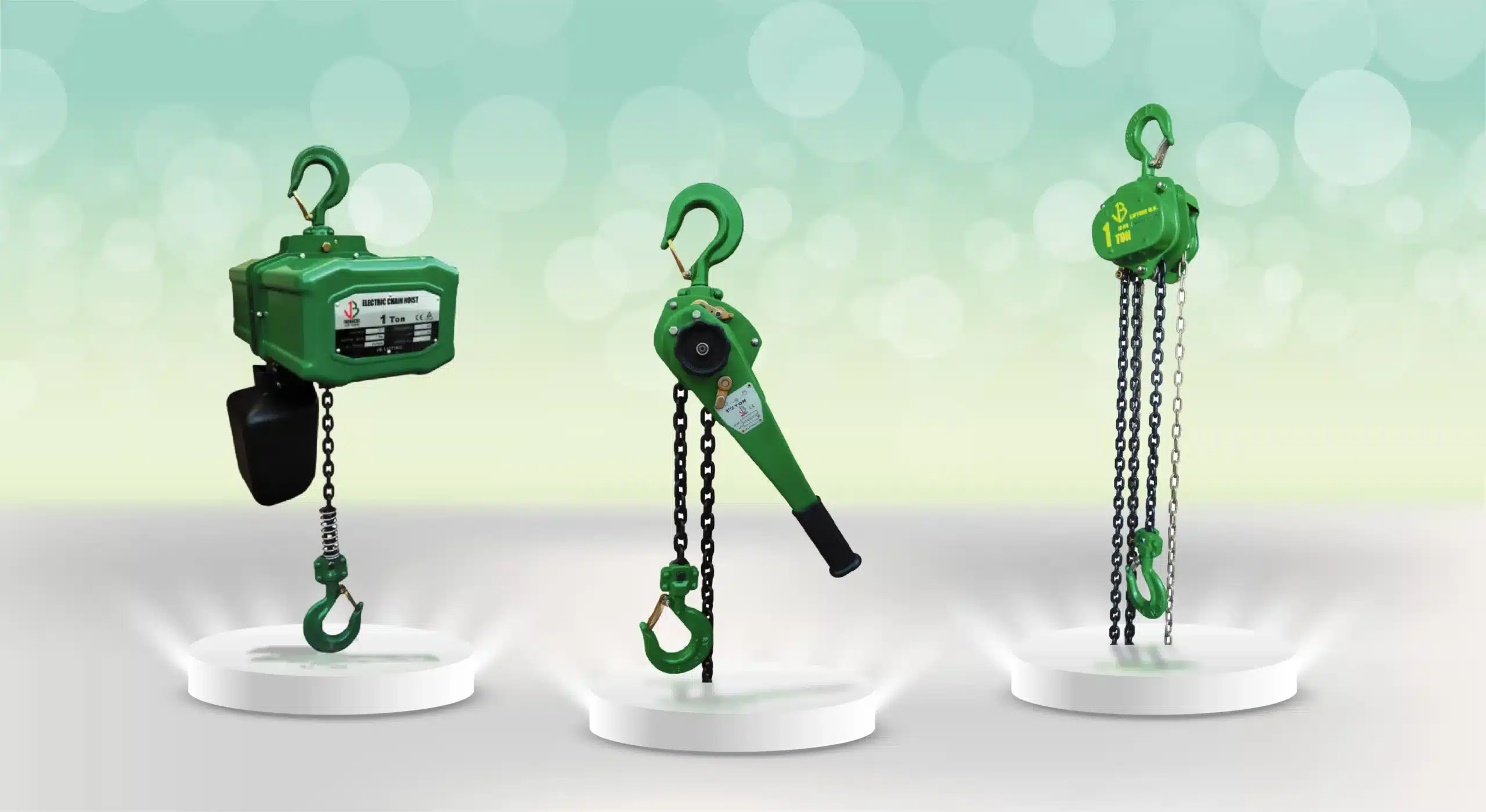
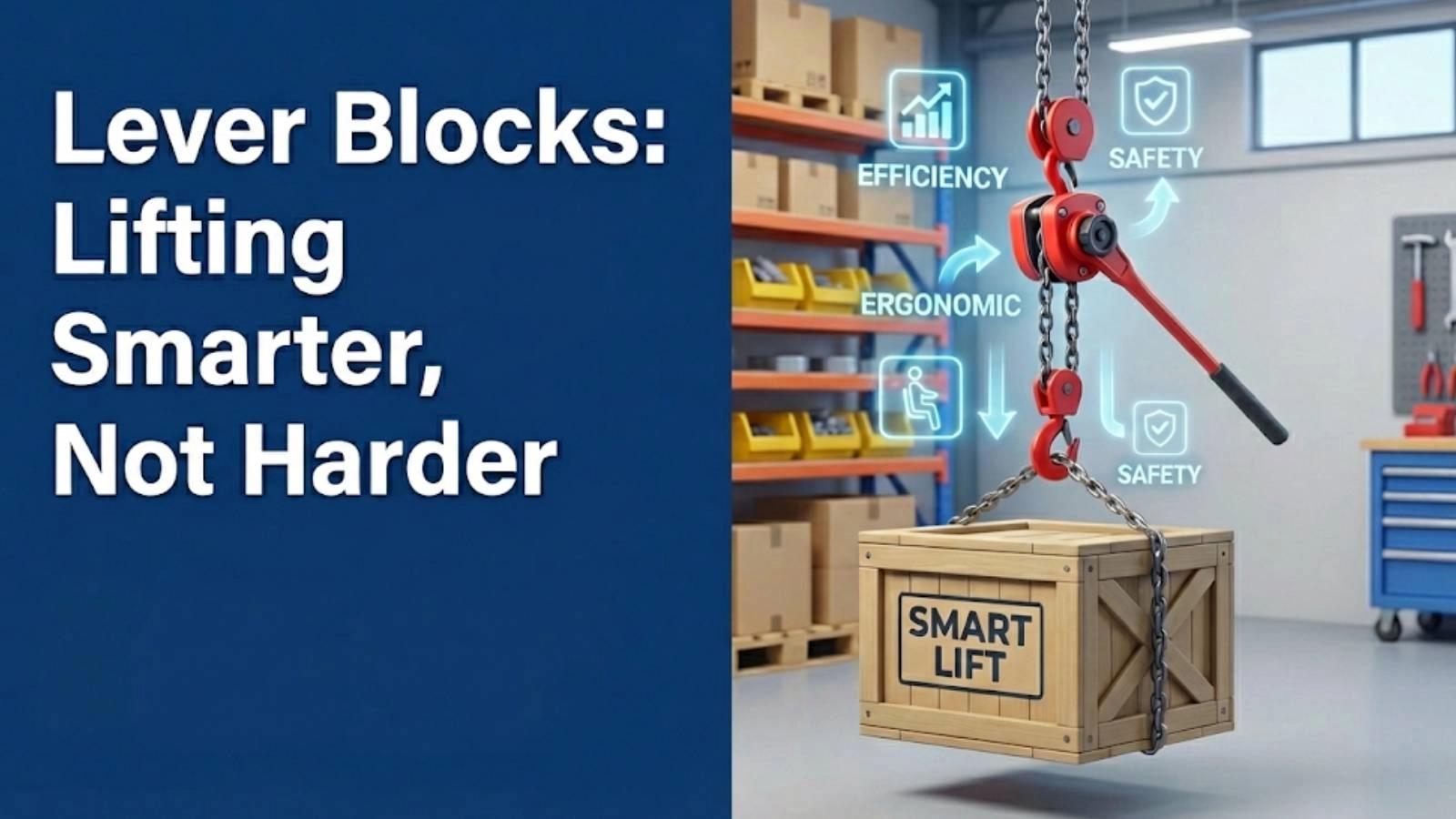
Lever blocks, also known as come alongs, are manually operated tools used for lifting, pulling, and positioning heavy loads. We at Safe and Secure Trading Company (SSTC) have seen them become essential in various industries because of their portability and versatility. They operate using a lever and ratchet system, providing controlled movement and secure holding of loads. These manual hoists are particularly useful where electricity isn’t available or practical.
Briefly define Chain Falls (chain hoists) and their primary function.
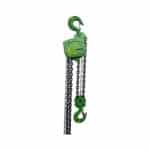
Chain falls, or chain hoists, are another type of manual lifting device designed for vertical lifting of heavy objects. Unlike lever blocks, chain falls utilize a geared system and hand chain to raise and lower loads. We find that their primary function is to provide efficient and controlled vertical lifting, making them ideal for repetitive lifting tasks in manufacturing, construction, and maintenance applications.
Highlight the core difference in operation and typical applications.
The core difference lies in their operation and application. Lever blocks use a lever to incrementally move a load, making them suitable for pulling, positioning, and short vertical lifts, especially in confined spaces. Chain falls, on the other hand, employ a continuous hand chain to lift loads vertically, excelling in applications requiring higher lifting heights and repetitive lifting tasks. The choice often depends on the specific requirements of the job.
Emphasize that this guide is for beginners to make informed decisions.
This guide is designed to help beginners understand the key differences between lever blocks and chain falls. Our goal is to provide you with the information you need to make an informed decision based on your specific lifting needs. We’ll explore factors such as lifting capacity, portability, precision, cost, and safety to help you choose the right tool for the job.
Understanding Lifting Capacity and Safety
Explain the importance of choosing the right lifting capacity.
Choosing the right lifting capacity is crucial for safety and efficiency. Overloading a lever block or chain fall can lead to equipment failure, potentially causing serious injury or damage to property. We at SSTC emphasize that it’s always better to choose a hoist with a lifting capacity that exceeds the weight of the load. This provides a safety margin and ensures the hoist operates within its designed limits.
Discuss safety factors and overload protection in both types.
Both lever blocks and chain falls incorporate safety factors to protect against overloading. These safety factors are typically a ratio (e.g., 4:1 or 5:1) of the hoist’s breaking strength to its working load limit (WLL). Some hoists also feature overload protection mechanisms, such as slip clutches or load limiters, that prevent lifting beyond the WLL. These features are critical for preventing accidents and ensuring safe operation.
Explain how to identify the working load limit (WLL) on each device.
The working load limit (WLL) is the maximum weight a hoist is designed to lift safely. It’s usually clearly marked on the hoist body or a durable tag attached to the hoist. We advise that you always check the WLL before using any lever block or chain fall. Make sure the WLL is clearly visible and legible. Never use a hoist if the WLL is obscured or illegible.
Stress the importance of regular inspections and maintenance.
Regular inspections and maintenance are essential for ensuring the safe and reliable operation of lever blocks and chain falls. Before each use, inspect the hoist for any signs of damage, wear, or corrosion. Check the chain for kinks, twists, or damaged links. Lubricate the moving parts regularly to prevent friction and wear. A well-maintained hoist is a safe hoist.
Portability and Ease of Use: A Key Factor
Compare the portability of lever blocks vs. chain falls.
Lever blocks generally offer superior portability compared to chain falls. Their compact design and lighter weight make them easier to carry and transport to different job sites. Chain falls, especially those with longer chains or higher lifting capacities, can be heavier and more cumbersome to move around. This makes lever blocks a better choice for applications where portability is a priority.
Which is easier to transport and set up in different locations?
Due to their smaller size and weight, lever blocks are typically easier to transport and set up in various locations. They can be quickly attached to lifting points using hooks or slings. Chain falls may require more time and effort to set up, especially if they need to be suspended from a beam or overhead structure.
Discuss the ease of operation for beginners – which is more intuitive?
For beginners, lever blocks are often considered more intuitive to operate. The lever action provides a direct and tactile feedback, allowing users to easily control the lifting or pulling force. Chain falls require a bit more coordination to operate the hand chain smoothly. With practice, both types of hoists can be mastered, but lever blocks may have a slightly easier learning curve.
Explain how confined spaces impact the choice between the two.
Confined spaces often present challenges for lifting and pulling operations. Lever blocks excel in these situations due to their compact size and ability to operate in tight quarters. The lever can be manipulated with minimal clearance, allowing for precise positioning of loads. Chain falls may be more difficult to use in confined spaces due to the need for adequate room to pull the hand chain.
Lifting Height and Distance: Considerations for Your Project
Explain how lifting height affects the selection.
Lifting height is a critical factor in determining whether a lever block or chain fall is the appropriate choice. Chain falls are designed for vertical lifting, and their lifting height is directly proportional to the length of the hand chain. Lever blocks, while capable of vertical lifting, are typically better suited for shorter lifting distances. If your project requires significant vertical lifting, a chain fall is generally the preferred option.
Discuss the standard chain lengths available for chain falls.
Chain falls come in a variety of standard chain lengths to accommodate different lifting heights. Common lengths range from 10 feet to 20 feet, but longer lengths are available for specialized applications. We at SSTC can assist you in selecting the appropriate chain length based on your specific requirements. It’s important to choose a chain length that provides adequate reach without being excessively long, as this can create unnecessary slack and potential entanglement hazards.
How lever blocks handle limited lifting distance scenarios.
Lever blocks are well-suited for scenarios where lifting distances are limited. Their lever action allows for precise incremental movement, making them ideal for positioning loads with accuracy. They’re often used in applications where only a small amount of lift or pull is needed, such as aligning machinery or tensioning cables.
Explain how to calculate the required chain/lever length for a job.
Calculating the required chain or lever length is essential for ensuring efficient and safe operation. For chain falls, the required chain length should be slightly longer than the maximum lifting height to allow for proper engagement with the load. For lever blocks, the required lever length depends on the pulling distance and the mechanical advantage of the lever system. Always err on the side of caution and choose a slightly longer chain or lever length than you think you need.
Precision and Control: Getting the Job Done Right
Compare the precision and control offered by each device.
Lever blocks typically offer greater precision and control compared to chain falls. The lever action allows for fine adjustments and precise positioning of loads. Chain falls, while providing controlled lifting, may not offer the same level of finesse for delicate or intricate tasks. The choice depends on the specific requirements of the application.
How well do they handle delicate or precise lifting tasks?
Lever blocks are particularly well-suited for delicate or precise lifting tasks. Their ability to make small, incremental movements allows for accurate placement of sensitive equipment or materials. We have seen our clients use them to position components in tight areas. Chain falls can also be used for precise lifting, but they may require more skill and coordination to avoid jerky movements.
Discuss the potential for load drift or slippage.
Load drift or slippage can be a concern with both lever blocks and chain falls, especially if the brakes are worn or improperly adjusted. Lever blocks generally have a lower risk of load drift due to the self-locking nature of the lever mechanism. Chain falls rely on a braking system to hold the load in place, and this system must be regularly inspected and maintained to prevent slippage.
Is one better for controlled lowering applications?
Both lever blocks and chain falls can be used for controlled lowering applications, but lever blocks may offer a slight advantage in terms of precision. The lever action allows for smooth and gradual lowering of loads, minimizing the risk of sudden drops or jerky movements. Chain falls can also provide controlled lowering, but it requires careful manipulation of the hand chain.
Durability and Maintenance: Long-Term Cost Considerations
Compare the typical lifespan of lever blocks and chain falls.
The typical lifespan of lever blocks and chain falls depends on several factors, including the quality of materials, frequency of use, and maintenance practices. Generally, both types of hoists can provide years of reliable service if properly maintained. However, lever blocks may be more susceptible to wear and tear due to the higher stress on the lever mechanism.
Discuss the maintenance requirements of each type (lubrication, chain inspection, etc.).
Both lever blocks and chain falls require regular maintenance to ensure optimal performance and longevity. Key maintenance tasks include:
- Lubrication: Regularly lubricate the moving parts, such as the chain, gears, and bearings, to reduce friction and wear.
- Chain Inspection: Inspect the chain for signs of damage, wear, corrosion, or elongation. Replace the chain if any defects are found.
- Brake Inspection: Check the braking system for proper function and adjust or replace worn brake pads as needed.
- Visual Inspection: Conduct a thorough visual inspection of the entire hoist, looking for any signs of cracks, deformation, or corrosion.
What are the common failure points and how to prevent them?
Common failure points for lever blocks and chain falls include:
- Chain Failure: Overloading or using a damaged chain can lead to chain breakage.
- Brake Failure: Worn or improperly adjusted brakes can cause load slippage or uncontrolled lowering.
- Gear Failure: Excessive wear or overloading can damage the gears in the hoist mechanism.
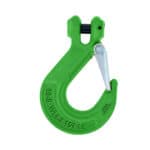
- Hook Failure: Overloading or improper use can cause hooks to bend or break.
To prevent these failures, always follow the manufacturer’s recommendations for use and maintenance, and never exceed the WLL of the hoist.
Explain the importance of using genuine replacement parts.
Using genuine replacement parts is crucial for maintaining the safety and reliability of lever blocks and chain falls. Genuine parts are designed to meet the manufacturer’s specifications and ensure proper fit and function. Using non-genuine parts can compromise the hoist’s performance and potentially lead to premature failure or accidents.
Cost Analysis: Initial Investment and Long-Term Expenses
Compare the initial purchase cost of lever blocks and chain falls.
The initial purchase cost of lever blocks and chain falls can vary depending on several factors, including the lifting capacity, brand, and features. Generally, lever blocks tend to be slightly less expensive than chain falls for comparable lifting capacities. However, the price difference may not be significant, and it’s important to consider the long-term cost of ownership when making your decision.
Factor in the cost of accessories (slings, shackles, etc.).
In addition to the initial purchase cost of the hoist, you’ll also need to factor in the cost of accessories such as slings, shackles, and lifting beams. These accessories are essential for safely attaching the hoist to the load and the lifting point. The cost of accessories can vary depending on the type and size of the accessories required.
Analyze the long-term cost of maintenance and repairs.
The long-term cost of maintenance and repairs should also be considered when comparing lever blocks and chain falls. Regular maintenance, such as lubrication and chain inspection, can help to extend the life of the hoist and prevent costly repairs. However, even with proper maintenance, hoists will eventually require repairs or replacement parts.
Discuss the overall value proposition of each option.
The overall value proposition of lever blocks and chain falls depends on your specific needs and priorities. Lever blocks offer a good balance of portability, precision, and affordability, making them a versatile choice for a wide range of applications. Chain falls excel in vertical lifting and can handle heavier loads, making them ideal for industrial settings. Consider how the hoists fit into your material handling processes.
Specific Applications: When to Choose Which
Scenarios where lever blocks are the better choice (e.g., horizontal pulling, confined spaces).
Lever blocks are the better choice in several scenarios, including:
- Horizontal Pulling: Lever blocks are ideal for pulling objects horizontally, such as aligning machinery or tensioning cables.
- Confined Spaces: Their compact size and maneuverability make them suitable for use in tight quarters.
- Precise Positioning: The lever action allows for fine adjustments and accurate placement of loads.
- Light to Medium Lifting: For lifting loads within their capacity range, lever blocks offer a cost-effective and portable solution.
Scenarios where chain falls are preferred (e.g., high lifting, repetitive tasks).
Chain falls are preferred in scenarios such as:
- High Lifting: Chain falls are designed for vertical lifting and can handle greater lifting heights.
- Repetitive Tasks: The continuous hand chain allows for efficient and repetitive lifting operations.
- Heavy Lifting: Chain falls can lift heavier loads compared to lever blocks.
- Industrial Settings: Their robust construction and lifting capacity make them well-suited for demanding industrial environments.
Examples in construction, manufacturing, and automotive industries.
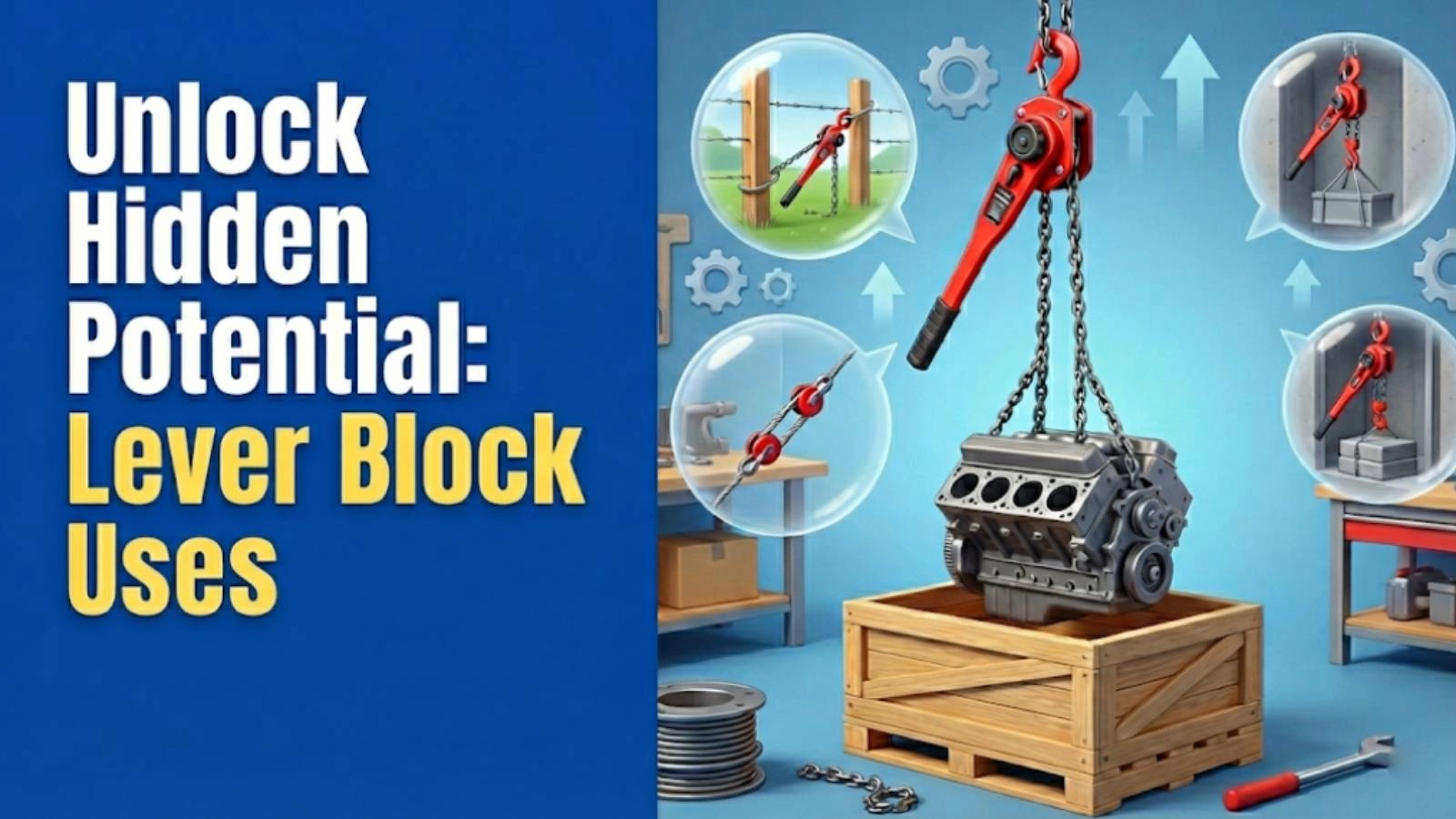
In the construction industry, lever blocks are often used for aligning steel beams and tensioning cables, while chain falls are used for lifting heavy materials to upper floors. In manufacturing, lever blocks are used for positioning machinery and assembling components, while chain falls are used for lifting heavy molds and dies. In the automotive industry, lever blocks are used for pulling damaged vehicles, while chain falls are used for lifting engines and transmissions.
How to assess your specific needs and choose accordingly.
To assess your specific needs and choose the right hoist, consider the following factors:
- Lifting Capacity: Determine the maximum weight you need to lift.
- Lifting Height: Determine the maximum vertical distance you need to lift.
- Application: Consider the specific tasks you’ll be performing and the environment in which you’ll be working.
- Portability: Assess whether portability is a priority.
- Budget: Set a budget for the hoist and accessories.
Lever Blocks – Advantages:
List specific advantages of Lever Blocks in a bulleted list. (Portability, precision, horizontal pulling, etc.)
Lever blocks offer several distinct advantages:
- ✅ Portability: Lightweight and compact design for easy transport.
- ✅ Precision: Lever action allows for fine adjustments and precise positioning.
- ✅ Horizontal Pulling: Ideal for pulling objects horizontally.
- ✅ Confined Spaces: Suitable for use in tight quarters.
- ✅ Lower Cost: Generally less expensive than chain falls for comparable lifting capacities.
- ✅ Ease of Use: Intuitive operation, especially for beginners.
Chain Falls – Advantages:
List specific advantages of Chain Falls in a bulleted list. (High lifting capacity, continuous lifting, less physical effort, etc.)
Chain falls also provide several advantages:
- ✅ High Lifting Capacity: Can lift heavier loads compared to lever blocks.
- ✅ Continuous Lifting: The hand chain allows for efficient and repetitive lifting operations.
- ✅ High Lifting Height: Designed for vertical lifting and can handle greater lifting heights.
- ✅ Less Physical Effort: The geared system reduces the amount of physical effort required to lift heavy loads.
- ✅ Durable Construction: Robust design for demanding industrial environments.
- ✅ Wide Availability: Readily available in a variety of sizes and configurations.
“Choosing the right lifting equipment is paramount for ensuring safety and efficiency on the job site. Always prioritize quality and adhere to recommended safety practices.” – John Smith, Lead Safety Inspector
Safety Best Practices for Both Types of Hoists
Emphasize the importance of proper training and certification.
Proper training and certification are essential for ensuring the safe operation of lever blocks and chain falls. Operators should be trained on the correct procedures for using the hoist, inspecting the equipment, and identifying potential hazards. Certification programs provide a standardized way to verify that operators have the necessary knowledge and skills.
Discuss the use of personal protective equipment (PPE).
Personal protective equipment (PPE) should always be worn when operating lever blocks or chain falls. Recommended PPE includes:
- Hard Hat: To protect the head from falling objects.
- Safety Glasses: To protect the eyes from debris.
- Gloves: To protect the hands from cuts and abrasions.
- Safety Shoes: To protect the feet from dropped objects.
Provide a checklist of pre-use inspection items.
Before each use, conduct a thorough inspection of the lever block or chain fall, including the following items:
- ✅ Check the chain for damage, wear, or corrosion.
- ✅ Inspect the hooks for bending or cracks.
- ✅ Verify the WLL is clearly marked and legible.
- ✅ Ensure the brakes are functioning properly.
- ✅ Lubricate the moving parts as needed.
- ✅ Look for any signs of leaks or damage to the housing.
Highlight common mistakes to avoid during operation.
Common mistakes to avoid during operation include:
- ❌ Exceeding the WLL of the hoist.
- ❌ Using a damaged or worn chain.
- ❌ Operating the hoist with jerky or uncontrolled movements.
- ❌ Standing under a suspended load.
- ❌ Leaving a suspended load unattended.
- ❌ Failing to inspect the hoist before each use.
Conclusion: Choosing the Right Hoist for Your Needs
Recap the key differences and advantages of lever blocks and chain falls.
In summary, lever blocks excel in portability, precision, and horizontal pulling, making them suitable for confined spaces and light to medium lifting tasks. Chain falls are designed for vertical lifting, offering higher lifting capacities and efficient operation for repetitive tasks. The choice between the two depends on your specific needs and the demands of your application.
Provide a clear recommendation based on different user needs and applications.
For users who prioritize portability and precision in tight spaces, a lever block is often the best choice. For those requiring high lifting capacity and efficiency in repetitive vertical lifting tasks, a chain fall is generally preferred.
Encourage readers to consult with a professional for complex lifting scenarios.
For complex or critical lifting scenarios, we strongly recommend consulting with a qualified professional. A professional can assess your specific needs, provide expert guidance, and ensure that you select the appropriate lifting equipment for the job.
Final takeaway message: Safety and proper selection are paramount.
Safety and proper selection are paramount when it comes to lifting equipment. Choosing the right lever block or chain fall, combined with proper training and maintenance, will ensure a safe and efficient lifting operation. We are here to provide expert guidance and support to help you make the best choice for your needs.
FAQ Section
Q: What is the main difference between a lever block and a chain fall?
A: The main difference lies in their operation and application. Lever blocks use a lever for pulling and positioning, while chain falls use a hand chain for vertical lifting.
Q: Which is better for lifting heavy loads, a lever block or a chain fall?
A: Chain falls are generally better for lifting heavier loads due to their geared system and higher lifting capacities.
Q: Can I use a lever block for vertical lifting?
A: Yes, lever blocks can be used for vertical lifting, but they are typically better suited for shorter lifting distances.
Q: How often should I inspect my lever block or chain fall?
A: You should inspect your lever block or chain fall before each use and conduct a more thorough inspection at least annually.
Q: What is the working load limit (WLL)?
A: The working load limit (WLL) is the maximum weight a hoist is designed to lift safely. It’s usually clearly marked on the hoist body or tag. Always check the WLL before using any lifting equipment.
Q: Where can I find high-quality lever blocks and chain falls?
A: Safe and Secure Trading Company (SSTC) offers a wide selection of high-quality lever blocks, chain falls, and other lifting equipment to meet your specific needs. We are committed to providing safe, reliable, and cost-effective solutions for your lifting and material handling requirements. Our team of experts is always available to assist you in selecting the right equipment for your application and to provide ongoing support and maintenance services. We understand the importance of safety and reliability in the lifting industry, and we are dedicated to providing our customers with the highest quality products and services available in the market. We also offer comprehensive training programs to ensure that our customers are able to use our products safely and efficiently. We are proud to be a leading provider of lifting solutions in the region, and we are committed to continuing to innovate and improve our products and services to meet the evolving needs of our customers. Our commitment to quality and customer satisfaction has earned us a reputation as a trusted partner in the lifting industry, and we are proud to serve a wide range of customers in various sectors, including construction, manufacturing, oil and gas, and logistics.
2026, Safe and Secure Trading Company