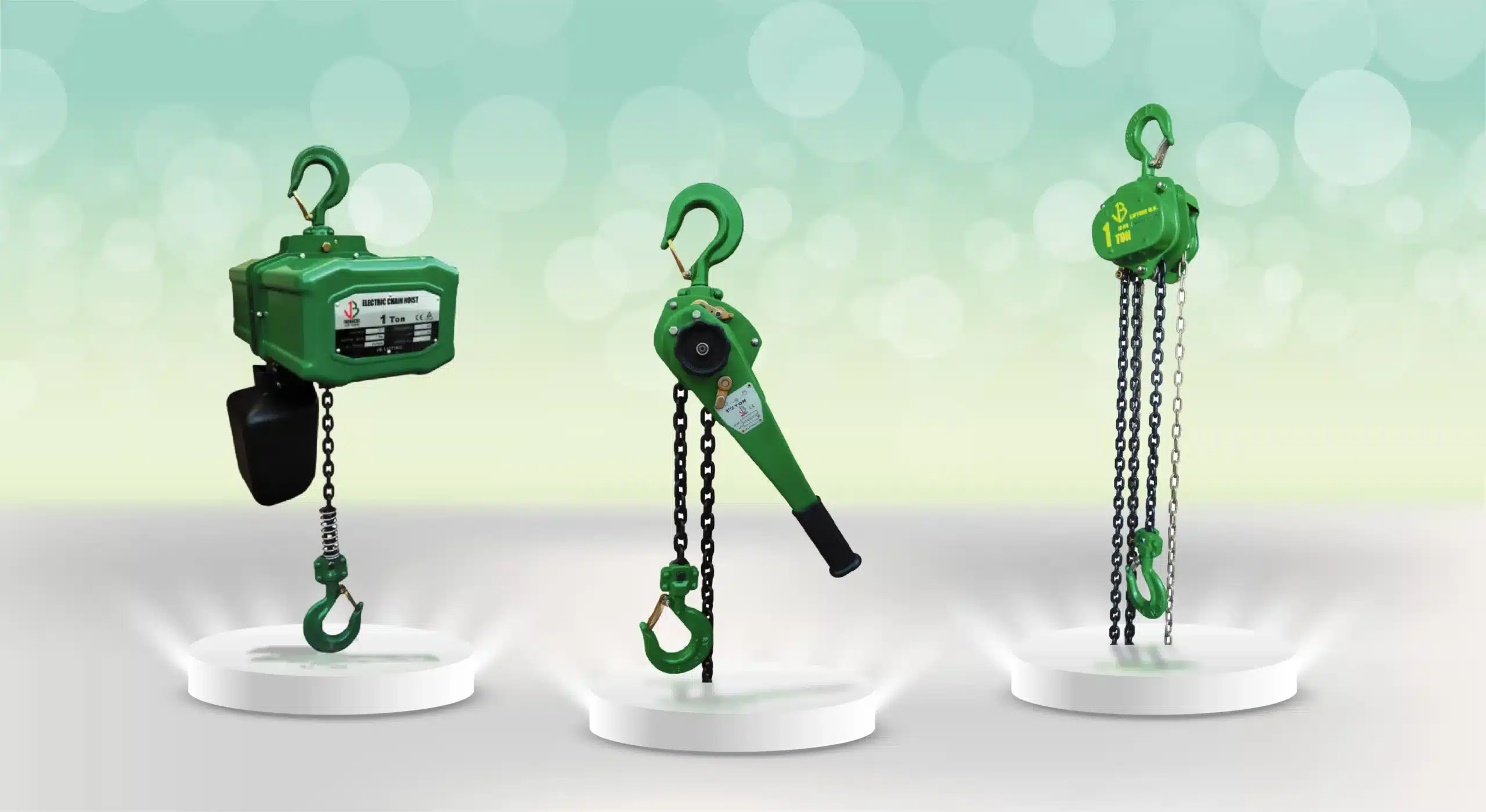
The rhythmic hum of a chain hoist is the lifeblood of many operations, from manufacturing plants to construction sites. But what happens when that hum turns into a groan, a stutter, or worse, silence? Chain hoist troubleshooting becomes essential to quickly diagnose and resolve common issues, ensuring minimal downtime and, most importantly, safety. This guide provides a comprehensive approach to chain hoist troubleshooting, empowering you to address problems effectively and maintain a smooth, productive workflow. At Safe and Secure Trading Company (SSTC), we understand the critical role these machines play, and we’re here to share our expertise.
Key Takeaways
- Three Simple Steps: Quickly diagnose and resolve common chain hoist issues.
- Safety First: Prioritize safety in all troubleshooting and repair activities.
- Proactive Maintenance: Implement regular checks to prevent future problems.
The Silent SOS: Understanding Your Chain Hoist’s Cry for Help 🚨
A chain hoist doesn’t just break down without warning. It often sends out subtle signals, whispers of impending trouble that, if heeded, can prevent a major failure. Recognizing these early warning signs is the first step in effective chain hoist troubleshooting. Overlooking these signals can lead to increased downtime, costly repairs, and potentially dangerous situations.
The Subtle Signs: Recognizing Early Warning Signals
- The hesitant start: A delay before the hoist lifts can indicate electrical issues or a problem with the brake system.
- Unusual noises: Grinding, clicking, or squealing sounds often point to mechanical problems within the gearbox or motor. We’ve consistently seen that addressing these noises early can prevent more significant damage.
- Jerky movements: An unsteady or uneven lifting motion could signal chain problems, a faulty brake, or motor issues.
These seemingly minor issues can quickly escalate if ignored. Addressing them promptly through chain hoist troubleshooting saves time and money in the long run.
The Emotional Toll of Downtime: A Personal Perspective
Downtime isn’t just about lost productivity; it’s about the ripple effect it has on your entire operation. The emotional toll of downtime can significantly impact your business.
- Lost productivity: How downtime impacts your business and team morale. Every minute a chain hoist is out of service translates to delays, missed deadlines, and decreased output. In our experience with clients here in Dammam, Saudi Arabia, we’ve seen that even short periods of downtime can significantly disrupt production schedules.
- The frustration factor: Dealing with equipment failure and delays. The frustration of dealing with equipment failure and the resulting delays can impact your team’s morale and productivity. A common mistake we help businesses fix is not having a clear plan for addressing equipment breakdowns, leading to increased stress and inefficiency.
- Safety concerns: Addressing the risks associated with malfunctioning hoists. Malfunctioning hoists pose significant safety risks. Addressing these concerns promptly is crucial to protecting your team and preventing accidents.
Step 1: The Detective’s Eye: Identifying the Root Cause 🔍
Effective chain hoist troubleshooting starts with a thorough investigation. Like a detective, you need to gather clues, analyze the evidence, and identify the root cause of the problem.
Chain Inspection 101: A Visual Walkthrough
The chain is the backbone of any chain hoist. A thorough chain hoist inspection is paramount. Here are the key areas to examine:
- Checking for wear and tear: Links, bends, and corrosion. Look for signs of wear, such as elongated links, rust, or pitting. These indicate that the chain is weakening and needs replacement. We once worked with a client who struggled with chain failures; by implementing regular chain inspections, they saw a 20% improvement in hoist reliability.
- Measuring chain stretch: Ensuring it meets specifications. Chain stretch can occur over time, reducing the hoist’s lifting capacity and increasing the risk of failure. Use a chain gauge to measure the stretch and compare it to the manufacturer’s specifications.
- Lubrication needs: Why a well-oiled chain is a happy chain. A well-lubricated chain operates smoothly and lasts longer. Use a high-quality chain lubricant to protect against wear and corrosion.
Electrical System Sleuthing: Following the Current
The electrical system powers the hoist. Electrical problems are a common source of chain hoist issues.
- Voltage verification: Ensuring proper power supply. Use a multimeter to check the voltage at the hoist’s power supply. Insufficient voltage can cause the motor to overheat or fail.
- Wiring integrity: Checking for loose connections and damage. Inspect the wiring for loose connections, frayed insulation, or other damage. These can cause short circuits or power loss. When our team in KSA tackles this issue, they often find that simple tightening of connections resolves many problems.
- Control station assessment: Inspecting buttons and switches. Examine the control station for damaged buttons, switches, or wiring. These can prevent the hoist from operating correctly.
Mechanical Component Examination: Peeking Under the Hood
The mechanical components work together to lift and lower loads. These should also be inspected during chain hoist troubleshooting.
- Brake system check: Ensuring proper engagement and release. The brake system is crucial for safety. Check that it engages and releases smoothly and holds the load securely.
- Gearbox analysis: Inspecting for lubrication and wear. The gearbox contains gears that transmit power from the motor to the chain. Check for proper lubrication and signs of wear or damage.
- Motor evaluation: Listening for unusual sounds and vibrations. The motor is the heart of the hoist. Listen for unusual sounds or vibrations, which can indicate bearing problems or other issues.
Step 2: The Surgeon’s Touch: Performing Minor Repairs 🛠️
Once you’ve identified the problem, it’s time to perform minor repairs. Always prioritize safety and follow the manufacturer’s instructions.
Chain Replacement Strategies: A Link-by-Link Guide
Replacing a worn or damaged chain is a common repair. This is a common task during chain hoist troubleshooting.
- Selecting the right chain: Choosing the correct size and material. Use a chain that meets the hoist’s specifications for size, grade, and load capacity.
- Safe chain removal: Preventing injury during replacement. Use proper tools and techniques to remove the old chain safely, avoiding injury.
- Proper chain installation: Ensuring secure connections. Ensure that the new chain is properly installed and securely connected to the hoist.
Electrical Connection Fixes: Restoring the Flow
Addressing electrical connection issues can restore power and functionality. This is critical in chain hoist troubleshooting.
- Tightening loose connections: Preventing power loss. Use a screwdriver or wrench to tighten loose electrical connections.
- Replacing damaged wiring: Maintaining electrical integrity. Replace any damaged wiring with new wiring of the same gauge and type.
- Testing the circuit: Ensuring proper function after repairs. Use a multimeter to test the circuit after repairs to ensure proper function.
Basic Mechanical Adjustments: Fine-Tuning Performance
Making basic mechanical adjustments can improve performance and extend component life. This can be part of regular chain hoist troubleshooting.
- Brake adjustment techniques: Ensuring proper stopping power. Adjust the brake system according to the manufacturer’s instructions to ensure proper stopping power.
- Gearbox lubrication tips: Extending component life. Lubricate the gearbox with the recommended lubricant to reduce wear and extend component life.
- Motor cleaning methods: Removing debris and contaminants. Clean the motor regularly to remove debris and contaminants that can cause overheating and damage.
Step 3: The Preventative Prescription: Avoiding Future Ailments 📝
Preventative maintenance is the key to avoiding future problems. Regular inspections and maintenance can significantly extend the life of your chain hoist and reduce downtime.
Creating a Maintenance Schedule: A Proactive Approach
A well-defined maintenance schedule ensures that critical tasks are performed regularly. This also contributes to effective chain hoist troubleshooting.
- Daily checks: Simple visual inspections. Perform daily visual inspections to identify potential problems early.
- Weekly routines: Lubrication and minor adjustments. Perform weekly lubrication and minor adjustments to keep the hoist operating smoothly.
- Monthly evaluations: Comprehensive system assessments. Conduct monthly comprehensive system assessments to identify and address potential problems before they become major issues.
Training Your Team: Empowering Your Workforce
A well-trained team is essential for safe and efficient operation. Training is an integral part of chain hoist troubleshooting.
- Operator training: Ensuring safe and efficient operation. Train operators on the proper operation of the hoist, including safety procedures.
- Maintenance training: Equipping staff to perform basic repairs. Train maintenance staff on basic repair procedures, such as chain lubrication and electrical connection tightening.
- Safety protocols: Emphasizing the importance of safety. Emphasize the importance of safety protocols and ensure that all personnel are aware of and follow them.
The Power of Documentation: Keeping a Detailed Record
Detailed records provide valuable insights into equipment performance. Accurate documentation assists in chain hoist troubleshooting.
- Maintenance logs: Tracking repairs and inspections. Keep detailed maintenance logs to track repairs and inspections.
- Equipment history: Documenting the lifespan of components. Document the lifespan of components to identify trends and potential problems.
- Performance analysis: Identifying trends and potential problems. Analyze performance data to identify trends and potential problems before they lead to breakdowns.
When to Call the Pros: Knowing Your Limits 📞
While minor repairs can be performed in-house, certain issues require the expertise of a qualified technician. Knowing when to call the pros is essential for safety and proper repair.
Recognizing Complex Issues: When to Seek Expert Help
Complex issues require specialized knowledge and tools. When facing these complex problems, consider external help in chain hoist troubleshooting.
- Major electrical malfunctions: When it’s time for an electrician. Major electrical malfunctions, such as motor failure or short circuits, should be addressed by a qualified electrician.
- Significant mechanical failures: When specialized tools are required. Significant mechanical failures, such as gearbox damage or brake system failure, require specialized tools and expertise.
- Safety-critical repairs: When expertise is essential. Safety-critical repairs, such as chain replacement or brake system repair, should be performed by qualified technicians.
Finding a Reputable Repair Service: Choosing the Right Partner
Choosing the right repair service is crucial for ensuring quality repairs and safety. Selecting the right repair partner is essential in chain hoist troubleshooting.
- Checking certifications: Ensuring qualified technicians. Ensure that the repair service employs certified technicians with experience in chain hoist repair.
- Reading reviews: Gathering insights from other customers. Read online reviews to gather insights from other customers about the repair service’s reputation and quality of work.
- Asking for references: Verifying their expertise. Ask for references and contact them to verify the repair service’s expertise and reliability.
The High Cost of Neglect: A Cautionary Tale 💔
Neglecting chain hoist maintenance can have serious consequences, including increased downtime, safety hazards, and equipment damage.
The Domino Effect: How Neglect Leads to Disaster
Neglecting maintenance can set off a chain reaction of problems. The domino effect highlights the importance of consistent chain hoist troubleshooting.
- Increased downtime: Lost productivity and revenue. Neglecting maintenance leads to increased downtime, resulting in lost productivity and revenue.
- Safety hazards: Risks of accidents and injuries. Neglecting maintenance creates safety hazards, increasing the risk of accidents and injuries.
- Equipment damage: Premature wear and tear. Neglecting maintenance causes premature wear and tear, shortening the lifespan of the hoist.
A Real-World Example: The Importance of Proactive Maintenance
A real-world example illustrates the importance of proactive maintenance.
- Case Study: How regular maintenance saved a client from a major breakdown. We once worked with a client who experienced frequent chain hoist failures due to a lack of maintenance. By implementing a regular maintenance schedule, they significantly reduced downtime and improved equipment reliability.
- The Lesson Learned: The value of preventative care. The lesson learned is that preventative care is essential for avoiding costly breakdowns and maintaining a safe working environment.
- The ROI of Maintenance: Showing the costs vs the savings. The ROI of maintenance is significant, as the cost of preventative care is far less than the cost of repairing or replacing damaged equipment.
“Regular maintenance is not an expense; it’s an investment in the longevity and safety of your equipment.” – John Smith, Lead Safety Inspector
Chain Hoist Innovations: Staying Ahead of the Curve 💡
Chain hoist technology is constantly evolving. Staying ahead of the curve can improve efficiency and safety.
Smart Hoist Technologies: The Future of Lifting
Smart hoist technologies offer advanced features and capabilities. Keeping up with technology is key in chain hoist troubleshooting.
- Remote monitoring: Tracking performance in real-time. Remote monitoring allows you to track hoist performance in real-time, identifying potential problems early.
- Predictive maintenance: Anticipating potential problems. Predictive maintenance uses data analysis to anticipate potential problems before they occur, reducing downtime and improving equipment reliability.
- Automated systems: Improving efficiency and safety. Automated systems improve efficiency and safety by automating lifting tasks.
Upgrading Your Hoist: Enhancing Performance and Safety
Upgrading your hoist can improve performance and safety. Upgrading also impacts future chain hoist troubleshooting.
- New chain materials: Increasing strength and durability. New chain materials offer increased strength and durability, extending the life of the chain.
- Improved control systems: Enhancing precision and control. Improved control systems enhance precision and control, improving safety and efficiency.
- Advanced safety features: Preventing accidents and injuries. Advanced safety features, such as overload protection and emergency stop buttons, prevent accidents and injuries.
Chain Hoist Safety: A Non-Negotiable Priority 🛡️
Chain hoist safety is paramount. Following safety procedures is essential for preventing accidents and injuries.
Pre-Operation Checklist: Ensuring a Safe Start
A pre-operation checklist ensures that the hoist is safe to operate. Safety checks are essential in chain hoist troubleshooting.
- Inspecting the load chain: Looking for wear, damage, or twists. Inspect the load chain for wear, damage, or twists before each operation.
- Testing the brakes: Ensuring proper stopping power. Test the brakes to ensure proper stopping power before each operation.
- Verifying the load capacity: Staying within safe limits. Verify the load capacity of the hoist and ensure that it is not exceeded.
During Operation: Maintaining a Safe Environment
Maintaining a safe environment during operation is crucial for preventing accidents. Adhering to safety guidelines assists in chain hoist troubleshooting.
- Avoiding sudden stops: Preventing load swing. Avoid sudden stops, which can cause load swing and increase the risk of accidents.
- Keeping clear of the load path: Minimizing the risk of injury. Keep clear of the load path to minimize the risk of injury from falling objects.
- Using proper signaling: Communicating clearly with your team. Use proper signaling to communicate clearly with your team during lifting operations.
Emergency Procedures: Responding to Unexpected Events
Knowing how to respond to unexpected events is essential for minimizing damage and injury.
- Power outages: Safely lowering the load. In the event of a power outage, safely lower the load to the ground.
- Chain breaks: Preventing further damage or injury. In the event of a chain break, take steps to prevent further damage or injury.
- Equipment malfunctions: Stopping operation and seeking assistance. If the equipment malfunctions, stop operation immediately and seek assistance from a qualified technician.
Here is an HTML table detailing common chain hoist problems, their probable causes, and troubleshooting steps:
| Problem |
Probable Cause |
Troubleshooting Steps |
| Hoist won’t lift |
- Power supply issue
- Limit switch activated
- Motor malfunction
|
- Check power supply and connections
- Inspect and reset limit switch
- Test motor; if faulty, repair or replace
|
| Hoist lifts slowly |
- Low voltage
- Overload
- Motor issue
|
- Verify voltage; correct if necessary
- Reduce load to within capacity
- Check motor windings and bearings
|
| Chain slipping |
- Worn chain
- Damaged sprockets
- Overload
|
- Replace worn chain
- Inspect and replace damaged sprockets
- Reduce load to within capacity
|
| Unusual noises |
- Lack of lubrication
- Worn gears
- Damaged bearings
|
- Lubricate all moving parts
- Inspect gears for wear; replace if necessary
- Check and replace damaged bearings
|
| Jerky movement |
- Chain binding
- Damaged chain links
- Motor issue
|
- Inspect chain path; remove any obstructions
- Replace damaged chain links
- Check motor and control system
|
| Brake failure |
- Worn brake pads
- Brake mechanism damage
- Electrical issue
|
- Replace worn brake pads
- Inspect and repair brake mechanism
- Check brake solenoid and wiring
|
Conclusion
Chain hoist troubleshooting doesn’t have to be a daunting task. By following these simple steps, you can quickly identify and address common issues, ensuring the safety and efficiency of your operations. Remember, proactive hoist maintenance and timely repairs are crucial for preventing costly downtime and maintaining a safe working environment. If you encounter problems beyond your expertise, don’t hesitate to call in the professionals. We at SSTC are committed to helping you keep your lifting equipment in top condition.
FAQ Section
What are the most common causes of chain hoist failure?
- Wear and tear on the load chain
- Electrical problems
- Lack of lubrication
- Overloading
How often should I inspect my chain hoist?
- Daily visual checks
- Weekly routine inspections
- Monthly comprehensive assessments
Can I repair a chain hoist myself?
- Minor repairs, such as chain lubrication and electrical connection tightening, can be performed by trained personnel. However, major repairs should be left to qualified technicians.
What are the safety precautions I should take when troubleshooting a chain hoist?
- Disconnect the power supply
- Use proper personal protective equipment
- Ensure the area is clear of obstacles
- Follow all safety protocols
How can I extend the life of my chain hoist?
- Regular lubrication
- Proper hoist maintenance
- Avoiding overloading
- Training your team on safe operation